Quick Summary
TL;DR - PCOS Diet Cheat Sheet
PCOS basics: Insulin resistance + chronic inflammation + hormone imbalance = irregular periods, weight gain, acne, hair growth.
Top 5 PCOS-friendly dry fruits:
- 1Walnuts - Omega-3 reduces inflammation, improves insulin sensitivity
- 2Flax Seeds - Lignans lower androgen levels (acne, hair)
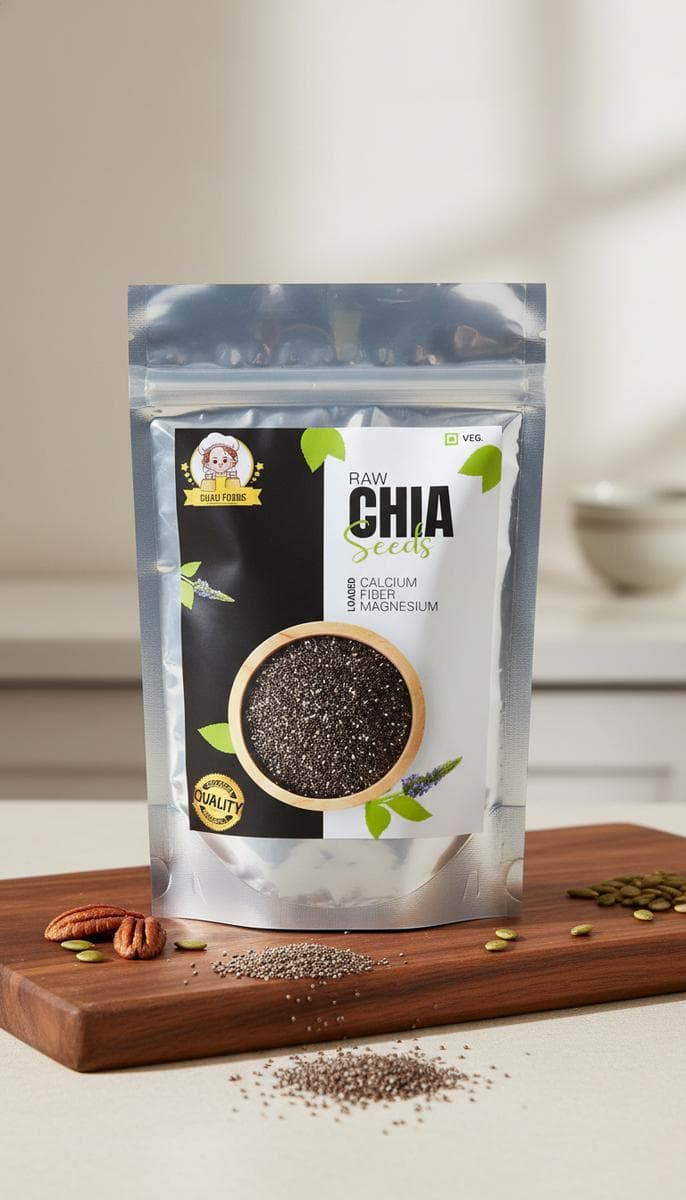
- 3Chia Seeds - Omega-3 + fiber + magnesium
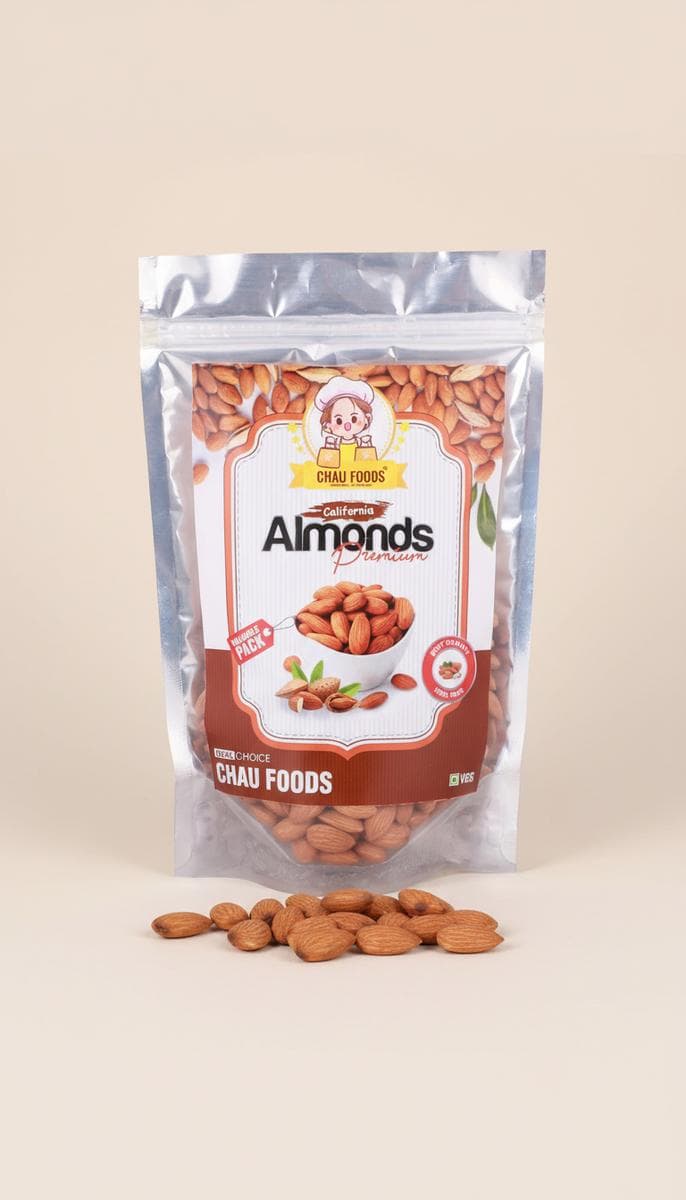
- 4Almonds - Magnesium for insulin function
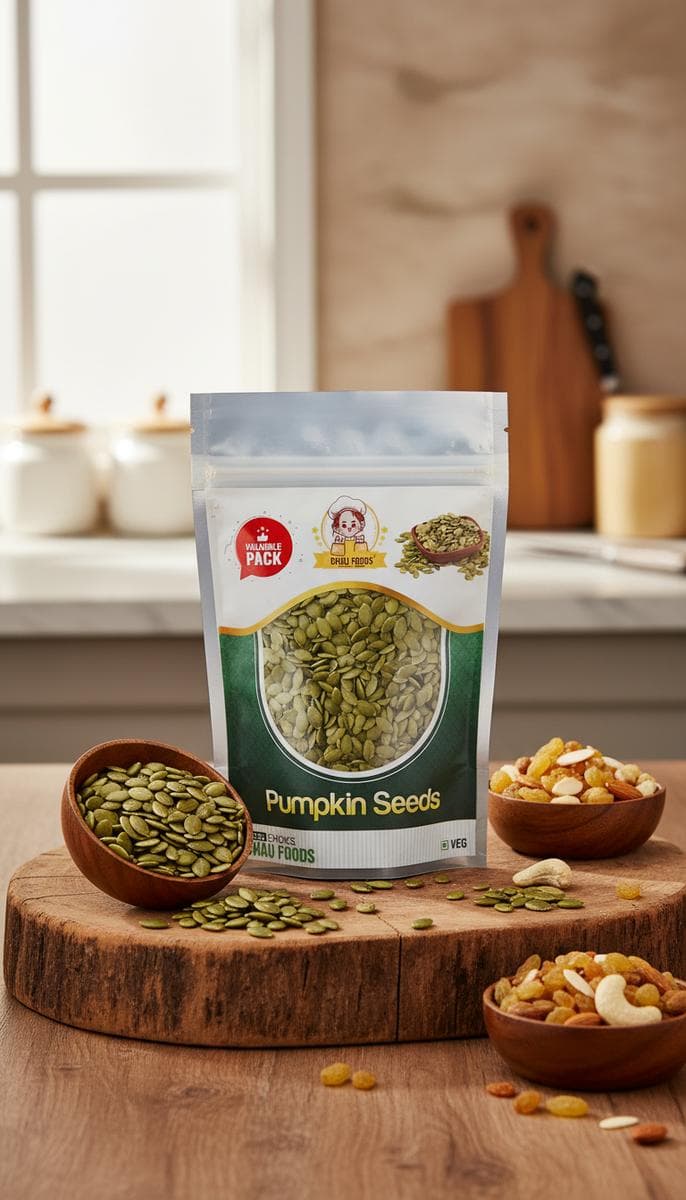
- 5Pumpkin Seeds - Zinc balances hormones
Avoid: Sugar-coated raisins, candied dry fruits, excess dates (insulin spikes).
Pro tip: Try "Seed Cycling" - flax+pumpkin (Day 1-14), then chia+sunflower (Day 15-28).
What PCOS Really Is (And Why Dry Fruits Help)
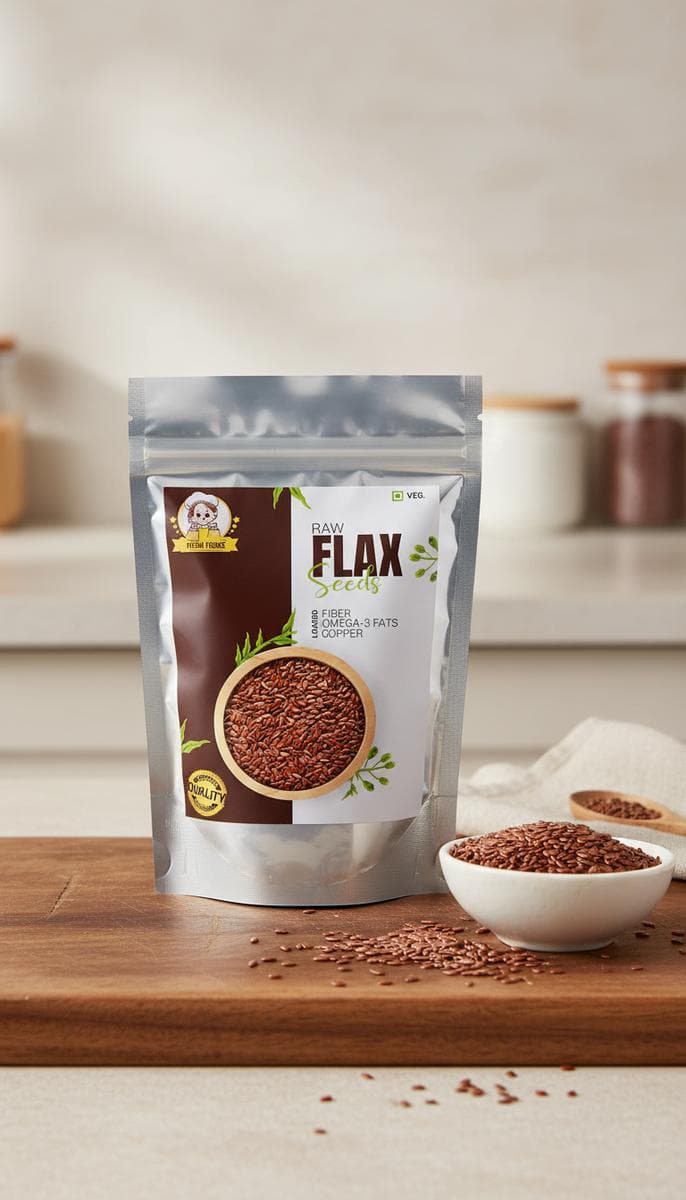
Featured Product
Raw Flax Seeds
Raw alsi seeds - richest lignan source, 22g omega-3, best for hormonal balance & heart health
✓ FSSAI certified · Free delivery ₹499+
PCOS (Polycystic Ovary Syndrome) affects 1 in 5 Indian women of reproductive age - that's 27 million women. The root drivers are:
- 1Insulin resistance → high blood sugar → high androgens (male hormones)
- 2Chronic inflammation → cycle irregularity, weight gain
- 3Hormone imbalance → estrogen dominance, low progesterone
Dry fruits attack ALL THREE drivers:
- Magnesium-rich nuts improve insulin response
- Omega-3 from walnuts/chia reduces inflammation
- Lignans in flax balance estrogen levels
- Zinc regulates testosterone
The evidence is strong: a 2021 meta-analysis in the Journal of Ovarian Research found that women with PCOS who ate 30g of mixed nuts daily showed significant improvements in insulin sensitivity and androgen levels in 12 weeks.
At Chau Foods, PCOS-related orders are our 3rd biggest category after weight loss and immunity. Here's the science-backed protocol.
8 Best Dry Fruits & Seeds for PCOS
Walnuts (Akhrot) - Anti-Inflammatory Powerhouse 🧠
Omega-3 ALA: 2.5g per 30g
Walnuts reduce CRP (inflammation marker) by up to 11% in PCOS patients. They also improve fasting glucose levels.
A 2011 study in J Clin Endocrinol Metab: PCOS women eating 36g walnuts daily for 6 weeks showed improved insulin sensitivity and reduced free androgens.
How to eat: 5-6 walnut halves daily. Soak overnight for better digestion.
Shop Akhrot Giri Walnut Kernels.
Flax Seeds (Alsi) - The Lignan Hero 🌾
Lignans per 100g: 379mg (highest in any food)
Flax seeds are PCOS's secret weapon. Lignans bind excess androgens (the testosterone causing acne, facial hair, hair fall) and convert them to safer metabolites.
A 2007 case study published in J Med Food showed a PCOS patient eating 30g ground flax daily for 4 months had her free testosterone drop from 158 ng/dL to 44 ng/dL.
How to eat: 1-2 tbsp ground flax (not whole) daily. Add to chapati dough, yogurt, smoothies.
Shop Raw Flax Seeds.
Chia Seeds - Omega-3 + Fiber 💧
Omega-3 ALA: 5g per 30g | Fiber: 10g per 30g
Chia seeds are particularly good for PCOS because:
- Omega-3 reduces inflammation
- Soluble fiber slows sugar absorption (insulin friendly)
- Magnesium improves insulin function
How to eat: 1 tbsp soaked in water overnight, drunk first thing morning.
Shop Raw Chia Seeds.
Almonds (Badam) - Magnesium for Insulin 🌰
Magnesium per 100g: 270mg
Magnesium deficiency is rampant in PCOS women (60-70% are deficient). Magnesium is essential for proper insulin function. Almonds are one of the best plant sources.
How to eat: 10-12 soaked almonds daily on empty stomach.
Shop Premium California Almonds.
Pumpkin Seeds (Kaddu Beej) - Zinc Balance 🎃
Zinc per 100g: 7.8mg
Zinc is critical for:
- Hormone balance
- Insulin sensitivity
- Acne reduction (zinc lowers DHT, the hormone behind PCOS acne)
How to eat: 1-2 tbsp daily, raw or dry-roasted.
Shop Premium Pumpkin Seeds.
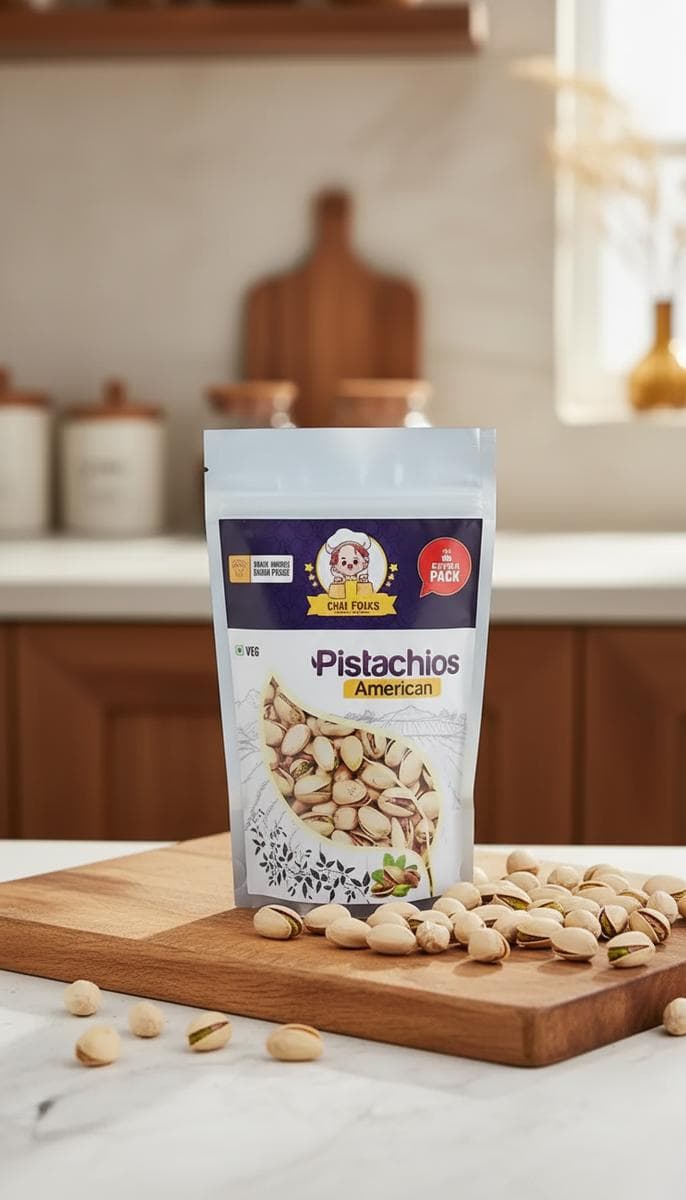
Pistachios (Pista) - Low GI + Magnesium 💚
GI: 15 | Magnesium: 121mg per 100g
Pistachios have the lowest GI among nuts and improve post-meal blood sugar - crucial for PCOS insulin management.
How to eat: 15 pistachios daily (about 30g).
Shop American Pistachios.
Sunflower Seeds - Vitamin E + Selenium ☀️
Vitamin E: 35mg per 100g (very high)
Vitamin E is essential for ovarian health and egg quality. Studies show PCOS women have significantly lower Vitamin E levels.
How to eat: 1 tbsp daily, raw or dry-roasted.
Shop Premium Sunflower Seeds.
Mixed Seeds Blend - All in One 🌱
If you don't want to manage individual seeds, our Mixed Seeds Blend has pumpkin, sunflower, chia, and flax pre-portioned. Perfect for PCOS.
Shop Mixed Seeds Blend or Weight Loss Seed Mix.
What Is "Seed Cycling" for PCOS?
Seed cycling is a holistic approach to balance estrogen and progesterone across your menstrual cycle:
Phase 1 (Day 1-14): Follicular Phase
- 1 tbsp ground flax seeds + 1 tbsp pumpkin seeds daily
- These support estrogen production and ovulation
Phase 2 (Day 15-28): Luteal Phase
- 1 tbsp chia seeds + 1 tbsp sunflower seeds daily
- These support progesterone production
For irregular periods (common in PCOS), use the moon cycle:
- Day 1-14: Use New Moon as Day 1
- Day 15-28: Switch to phase 2 seeds
Studies on seed cycling are limited, but many PCOS patients report period regularization within 3-6 cycles. Try it for at least 3 months.
PCOS-Friendly Daily Routine
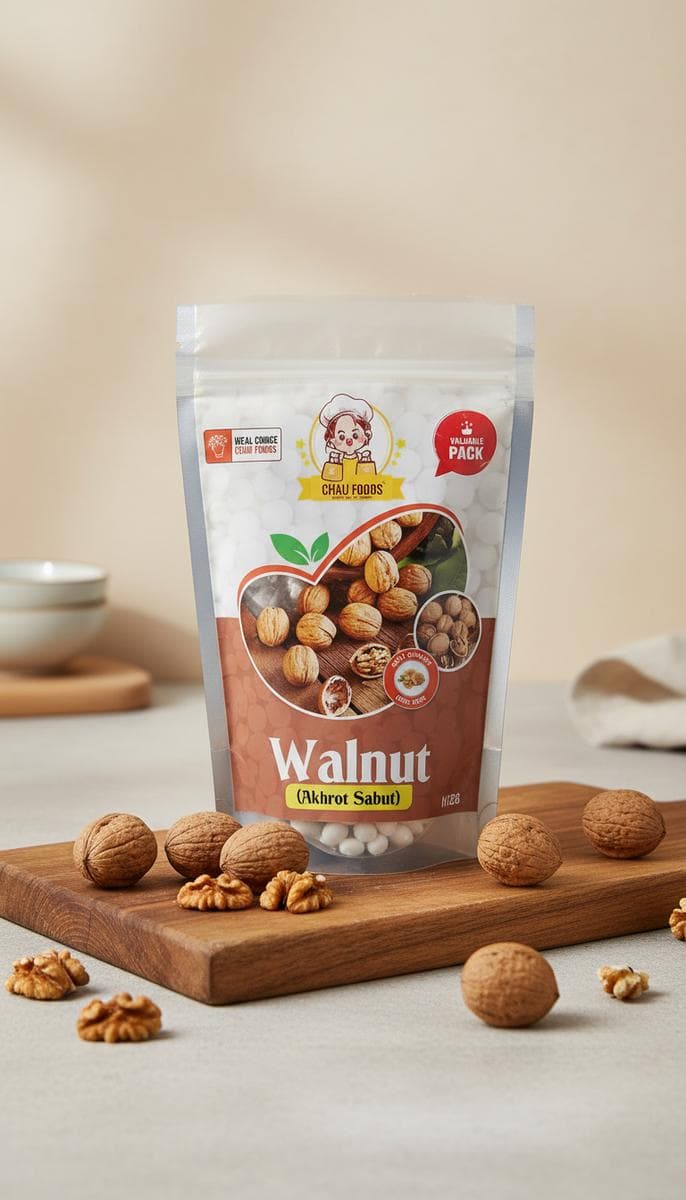
Featured Product
Premium American Walnut Giri 🇺🇸
Shell-free akhrot giri - #1 plant source of omega-3, best for brain health & memory
✓ FSSAI certified · Free delivery ₹499+
Morning (empty stomach):
- 10 soaked almonds, peeled
- 1 glass chia water (1 tbsp chia + lemon + honey)
Mid-morning snack:
- 5 walnut halves
- 15 pistachios
Lunch (sprinkled on dal/sabzi/curd):
- 1 tbsp ground flax (Day 1-14)
- OR 1 tbsp pumpkin seeds (alternative)
Evening (4-5 PM):
- 1 tbsp sunflower seeds (Day 15-28)
- OR small handful pumpkin seeds
Total daily cost: ~₹45.
Expected results: Improved insulin in 4-6 weeks, period regularization in 12-16 weeks (varies per person).
PCOS-Friendly Recipes
PCOS Power Smoothie
- 5 walnut halves + 1 tbsp ground flax + 1 cup almond milk + 1 banana + cinnamon
- Blend. Excellent breakfast for hormone balance.
Anti-Inflammatory Trail Mix
- 30g walnuts + 30g almonds + 30g pumpkin seeds + 30g sunflower seeds
- Mix, store airtight. 25g serving daily.
Flax-Chia Water (Hormone Drink)
- 1 tbsp ground flax + 1 tbsp chia + 1 glass water + lemon + 1 tsp honey
- Drink first thing morning. Excellent for cycle regularization.
What to AVOID for PCOS
| Avoid | Why |
|---|---|
| Sugar-coated raisins/cranberries | Insulin spikes worsen PCOS |
| Dates in excess (>2/day) | High glycemic load |
| Candied/honey-roasted nuts | Added sugar = hormone trouble |
| Refined oil-roasted nuts | Trans fats inflammatory |
| Excess dairy (for some) | Can worsen acne in PCOS |
| White rice + sweets | Insulin spike chain |
Read our companion guide: Dry Fruits Diabetics Should Avoid - many overlap with PCOS.
Frequently Asked Questions
Can dry fruits cure PCOS?+
How long until I see PCOS improvement?+
Does seed cycling really work?+
Can I eat dry fruits if I'm trying to lose PCOS weight?+
What about lean PCOS (non-obese PCOS)?+
Key Takeaway
The Bottom Line
PCOS management is fundamentally a nutrition problem. Walnuts, flax, chia, almonds, and pumpkin seeds address the three root causes - insulin resistance, inflammation, and hormone imbalance.
The most underrated PCOS hack: ground flax seeds (1-2 tbsp daily). They've helped thousands of women lower free testosterone, clear acne, and regulate cycles.
Be consistent. Track your symptoms (cycle length, acne, energy). Most women see meaningful changes in 12 weeks.
⚠️ Medical disclaimer: Diet supports but does not replace medical treatment. Consult your gynecologist or endocrinologist for personalized PCOS care.
About the Author
Chau Foods Editorial Team
This guide is written and fact-checked by the Chau Foods editorial team - a small group of FSSAI-certified food specialists based in Rohini, Delhi. Led by founder Mohit, the team combines direct farm-sourcing experience (California almonds, Bihar makhana from Darbhanga & Madhubani, Kashmir walnuts, Kerala spices) with hands-on quality control at the Chau Foods packing facility. We publish only what we would feed our own families, cite Indian nutrition data where relevant, and refresh every article when sourcing, pricing, or health guidelines change.
- Credentials
- FSSAI Lic. 13321008000704
- Based in
- Rohini, Delhi · since 2020
- Rating
- 4.9/5 · 27+ Google reviews
Keep Exploring
Shop related collections and next steps
Use this guide to compare options, then move directly into the most relevant collection, brand story, or bulk-order path.
Seeds Collection
Discover chia, flax, pumpkin, and mix-seed staples for everyday use.
Shop the collectionWhy Chau Foods
Learn more about our sourcing, freshness standards, and the quality promises behind each product we ship.
Read our storyBulk & gifting help
Need larger quantities, office snacks, festive gifting, or repeat ordering support? Start with our bulk orders page.
Start a bulk enquiry