Dry Fruits for Immunity and Winter Health: Nature's Cold-Season Defense System
Winter brings more than just cold weather—it brings seasonal health challenges. Immune systems weaken, respiratory infections spread, and vitamin deficiencies become common as seasonal produce disappears. Yet nature provides precisely what winter bodies need: dry fruits and nuts packed with immune-boosting compounds, developed through millennia of seasonal survival.
In India's traditional wisdom systems, winter represents the season to deliberately consume warming, nourishing foods. Dry fruits embody this principle perfectly, providing concentrated nutrition exactly when bodies need it most. Understanding how to leverage dry fruits for winter immunity transforms this vulnerable season into an opportunity for robust health.
Why Winter Challenges Your Immunity
The Seasonal Immune Decline
Multiple factors compromise immune function during winter:
Reduced Sunlight and Vitamin D:
Decreased sun exposure reduces natural vitamin D synthesis. Vitamin D is crucial for immune cell development and activation. Winter vitamin D deficiency is near-universal in northern climates and increasingly common across India.
Cold Temperature Stress:
Cold exposure activates stress hormone production, which paradoxically suppresses immune function. Your body prioritizes warmth over immunity during extreme cold, creating vulnerability to infection.
Seasonal Pathogen Proliferation:
Cold, dry winter air keeps respiratory viruses viable longer and makes nasal passages drier (reducing the protective mucous barrier). Result: infections spread more readily.
Reduced Physical Activity:
Winter's cold discourages outdoor activity, reducing exercise that supports immunity. Additionally, reduced movement decreases lymph circulation, which relies on muscle contraction for circulation.
Nutritional Deficiency Risk:
Fresh fruit and vegetable availability plummets in winter. Storage crops lack the nutrient density of seasonal produce. This creates real micronutrient deficiencies affecting immune function.
Dry fruits directly address every single factor above. Their concentrated nutrition compensates for seasonal dietary limitations, their warming properties align with winter physiology, and their nutrients directly support immune cell production and function.
The Immune-Boosting Nutrient Profile of Dry Fruits
Selenium: The Immune Warrior
Selenium deficiency impairs immune response profoundly. Just 200 micrograms daily dramatically enhances immunity.
Selenium content in dry fruits:
A single Brazil nut provides 96 micrograms selenium. Two Brazil nuts daily provides robust immune support. Brazil nuts are criminally underutilized in India despite extraordinary immune benefits.
Zinc: The Defense Activator
Zinc deficiency results in weakened antibody production and compromised immune cell function. Adequate zinc reduces infection duration and severity by approximately 50%.
Zinc content in dry fruits:
Consuming 30-40g mixed nuts daily easily meets zinc requirements (11-15mg daily for adults).
Antioxidants: Cellular Defenders
Dry fruits are antioxidant powerhouses. ORAC (Oxygen Radical Absorbance Capacity—measuring antioxidant power) values:
These antioxidants neutralize free radicals that compromise immunity. Winter's stress increases free radical production; antioxidant-rich dry fruits provide cellular defense.
Vitamin E: The Immune Catalyst
Vitamin E supports immune cell maturation and function. Deficiency is associated with increased susceptibility to infections.
Vitamin E content:
Complete Protein and Amino Acids
Immune cells require amino acids for development and function. The complete amino acid profile in dry fruits supports sustained antibody and immune cell production.
Top 10 Immune-Boosting Dry Fruits for Winter
1. Brazil Nuts: The Selenium Superstar
Brazil nuts provide more selenium per serving than any other food. Just 2-3 daily provides complete selenium needs. Selenium directly enhances white blood cell function and antibody production.
The challenge: Many people dislike Brazil nut texture. Solution: Chop finely and add to trail mixes or milk-based preparations.
2. Almonds: The Balanced Immune Support
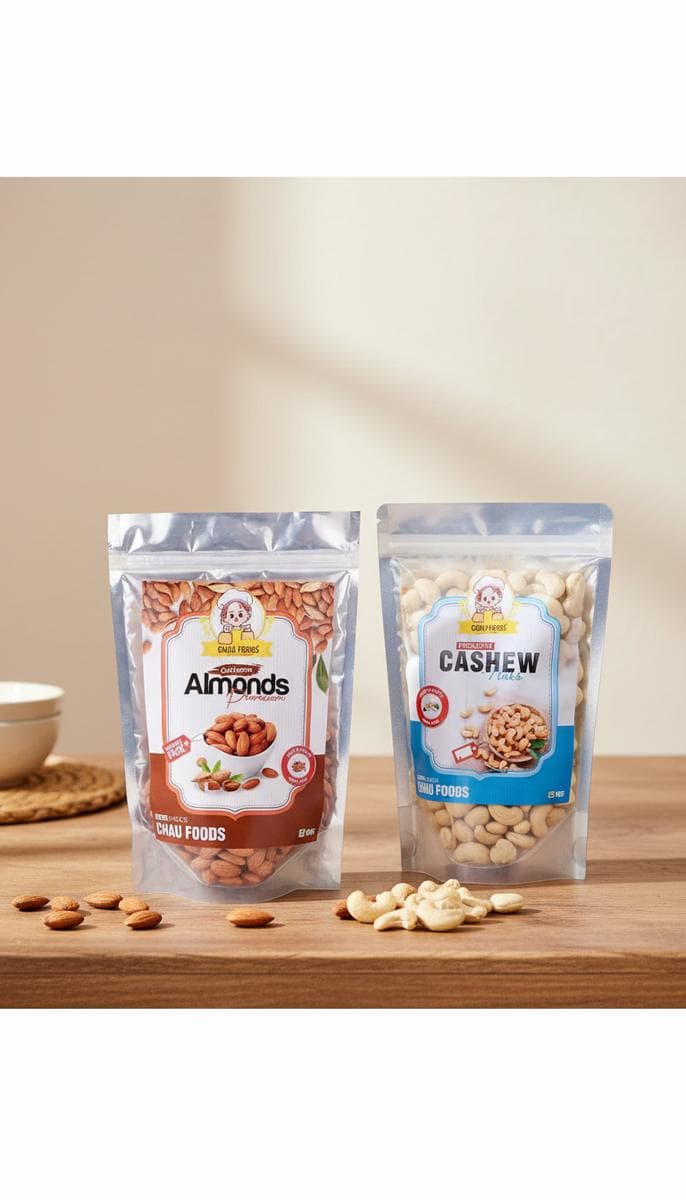
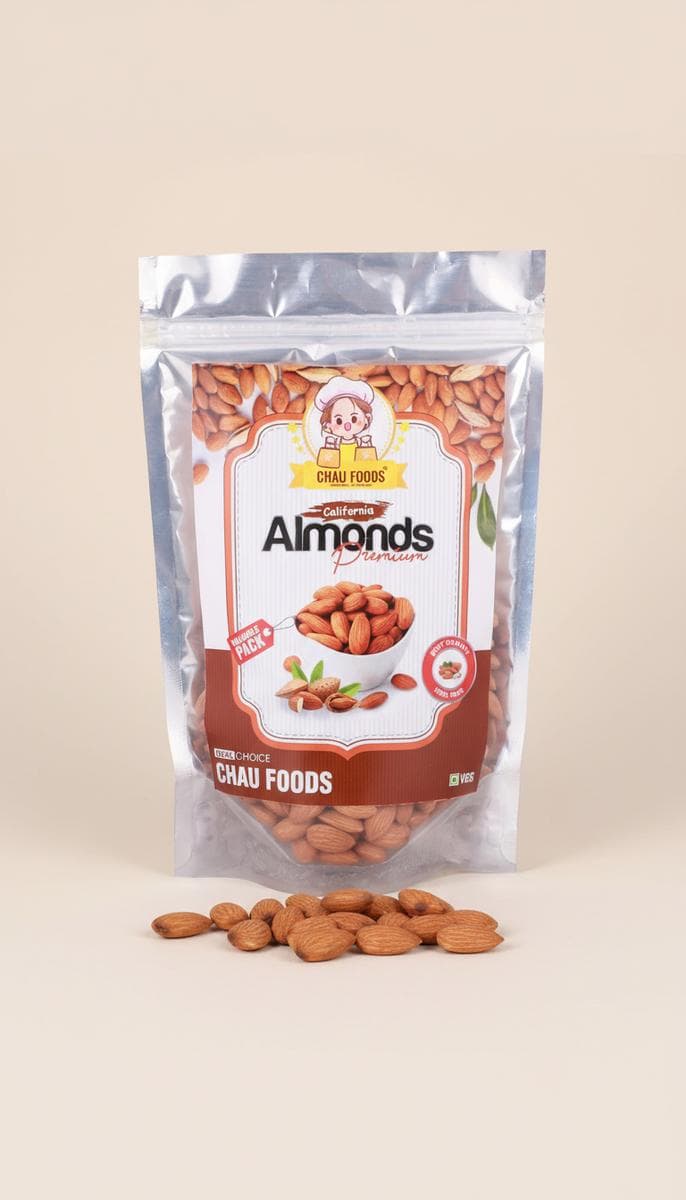
Almonds provide protein, healthy fats, vitamin E, zinc, and magnesium—a comprehensive immune-supporting profile. Their versatility allows incorporation into virtually any meal.
Winter consumption: Soak overnight, consume first thing morning. The soaking removes phytic acid, enhancing mineral absorption.
3. Walnuts: The Antioxidant Fortress
Walnuts' omega-3 content and exceptional antioxidant levels support profound immune enhancement. Their anti-inflammatory properties are particularly valuable in winter when inflammatory conditions exacerbate.
Winter consumption: 7-8 walnuts daily provides optimal immune benefits.
4. Cashews: The Mineral-Rich Immune Ally
Cashews provide copper (essential for immune cell development), magnesium (regulates immune response), and zinc. Their creamy texture makes them palatable for diverse preparations.
Winter consumption: Include in warm curries, rice dishes, or milk-based preparations for warming effect.
5. Pistachios: The Antiviral Nut
Pistachios contain compounds with antiviral properties and exceptional vitamin E content. They provide the satisfaction of protein and healthy fats with lower calorie density than other nuts.
Winter consumption: 1 handful roasted pistachios provides comprehensive immune benefits.
6. Pumpkin Seeds: The Zinc Treasure
Pumpkin seeds rival peanuts for zinc content while providing magnesium and antioxidants. Their pleasant flavor integrates easily into diets.
Winter consumption: Roast lightly and consume plain or add to trail mixes.
7. Sunflower Seeds: The Vitamin E Powerhouse
Sunflower seeds rank among plant kingdom's highest vitamin E sources. They provide selenium, zinc, and copper—a trifecta of immune minerals.
Winter consumption: 2-3 tablespoons daily provides substantial immune benefit.
8. Hazelnuts: The Antioxidant Rich Nut
Hazelnuts provide antioxidants rivaling blueberries, plus magnesium and vitamin E. Their sweet, pleasant flavor makes them excellent for those who struggle with bitter nut tastes.
Winter consumption: Include in warm milk preparations or as standalone roasted snack.
9. Dates: The Energy and Mineral Combination
Dates provide quick energy (important when activity reduces in winter) while offering minerals supporting immune function. Their natural sweetness satisfies cravings without refined sugar.
Winter consumption: 5-6 dates daily provides carbohydrate energy and micronutrients.
10. Raisins and Dried Mulberries: The Polyphenol Providers
These provide antioxidant polyphenols supporting immune function plus iron supporting oxygen transport. They're particularly valuable for vegetarians seeking iron sources.
Winter consumption: Combine in trail mixes or soak in warm milk for immune-boosting drink.
Complete Winter Diet Plan with Dry Fruits
Four-Week Winter Immunity Plan
Week 1: Foundation Building
This week establishes consistent intake while body adjusts to increased nutrient levels.
Week 2: Intensity Increase
Week 2 amplifies immune support as body optimizes micronutrient utilization.
Week 3: Comprehensive Support
By Week 3, your immune system receives comprehensive micronutrient support from multiple sources.
Week 4: Sustained Wellness
This plan provides structured immune support without overwhelming changes.
Warm Dry Fruit Drinks for Winter Immunity
Traditional Badam Doodh (Almond Milk)
The ultimate winter immune drink combining saffron's mood benefits with almond's protein.
Ingredients (Single Serving):
Preparation:
This drink provides complete protein, antioxidants, and saffron's mood-enhancing benefits—perfect winter evening ritual.
Walnut and Date Power Drink
A warming drink combining walnuts' antioxidants with dates' quick energy.
Ingredients:
Preparation:
This drink combines sustained antioxidant support with quick energy—perfect mid-morning immune boost.
Cashew and Turmeric Immunity Elixir
Turmeric and cashew create a golden drink with comprehensive anti-inflammatory benefits.
Ingredients:
Preparation:
This drink's anti-inflammatory effects address winter's increased inflammatory conditions (arthritis, bronchitis, sinusitis).
Building Kids' Winter Immunity with Dry Fruits
Age-Appropriate Immunity Building
For Ages 3-6:
Sample Daily Kid's Routine:
For Ages 6-12:
Sample Daily Routine:
For Ages 12+:
Making Dry Fruits Appealing to Kids
Challenge: Many children find nuts unpalatable. Solutions:
Winter Health Conditions Supported by Dry Fruits
Respiratory Health and Cough
Almonds and walnuts provide compounds supporting respiratory tract health. Their protein supports immune antibody production. Additionally, the minerals (zinc, selenium) directly combat respiratory infections.
Recommended: 12-15 almonds + 7-8 walnuts daily during cough season.
Joint and Bone Health
Winter's reduced activity and cold temperatures exacerbate joint pain. Dry fruits' minerals (calcium, magnesium, copper) and antioxidants support joint integrity.
Recommended: Include warm milk-based nut drinks; increase overall consumption to 50g daily.
Digestive Support
Winter often brings sluggish digestion. Dry fruits' fiber supports digestive movement while their compounds reduce inflammation.
Recommended: Soaked almonds (easier digestion) rather than roasted during winter.
Sleep Quality
Winter darkness and cold disrupt sleep. Magnesium-rich dry fruits (almonds, cashews) support sleep quality naturally.
Recommended: Evening nut milk consumption 1 hour before bed.
Purchasing and Storage for Winter Months
Strategic Winter Purchasing
Explore our bulk ordering options for winter supply at wholesale rates.
Optimal Storage Conditions
Creating Your Winter Immunity Protocol
Week-by-Week Implementation
Tracking Results
Monitor these markers:
Conclusion
Winter immunity requires strategic nutrition. Dry fruits provide precisely what seasonal bodies need—concentrated micronutrients, sustained energy, and immune-supporting compounds unavailable in winter fresh produce. This complete guide provides implementation strategies from basic consumption to sophisticated beverage preparations. Begin immediately, maintain consistency through winter, and witness robust health replacing seasonal vulnerability. Explore our complete dry fruit selection and bulk winter supplies to establish your winter immunity protocol. Health begins with preparation—prepare now for winter wellness.
About the Author
Chau Foods Editorial Team
This guide is written and fact-checked by the Chau Foods editorial team — a small group of FSSAI-certified food specialists based in Rohini, Delhi. Led by founder Mohit, the team combines direct farm-sourcing experience (California almonds, Bihar makhana from Darbhanga & Madhubani, Kashmir walnuts, Kerala spices) with hands-on quality control at the Chau Foods packing facility. We publish only what we would feed our own families, cite Indian nutrition data where relevant, and refresh every article when sourcing, pricing, or health guidelines change.
- Credentials
- FSSAI Lic. 13321008000704
- Based in
- Rohini, Delhi · since 2020
- Rating
- 4.9/5 · 27+ Google reviews
Keep Exploring
Shop related collections and next steps
Use this guide to compare options, then move directly into the most relevant collection, brand story, or bulk-order path.
Dry Fruits Collection
Browse premium dry fruits and pantry-friendly staples selected for everyday snacking.
Shop the collectionWhy Chau Foods
Learn more about our sourcing, freshness standards, and the quality promises behind each product we ship.
Read our storyBulk & gifting help
Need larger quantities, office snacks, festive gifting, or repeat ordering support? Start with our bulk orders page.
Start a bulk enquiry