Can Dry Fruits Help You Lose Weight?
The short answer: yes, but with caveats. The long answer requires understanding nutrition science and making informed choices.
When most people think about weight loss, they imagine eliminating calorie-dense foods. Dry fruits fall into this category—they're concentrated nutrition. One cup of raw almonds contains around 800 calories. But here's what changes the narrative: dry fruits contain fiber, protein, and healthy fats that can actually support weight loss when consumed intelligently.
The paradox is real. Studies from the University of Pennsylvania and Purdue University show that people who eat almonds regularly don't gain weight despite the calorie content. Why? The fiber content, combined with protein, creates satiety. You eat less overall. It's about the total caloric ecosystem, not individual food items.
Which Dry Fruits Are Best for Weight Loss?
Not all dry fruits are created equal when it comes to weight management.
Almonds - The Weight Loss Champion
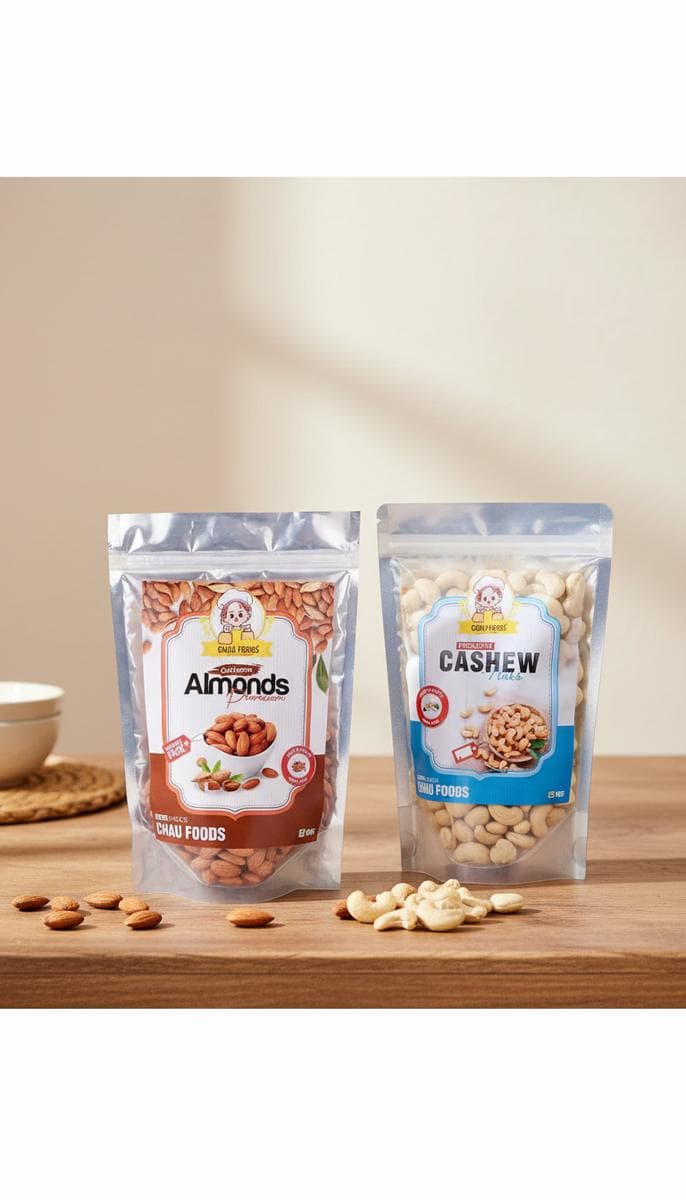
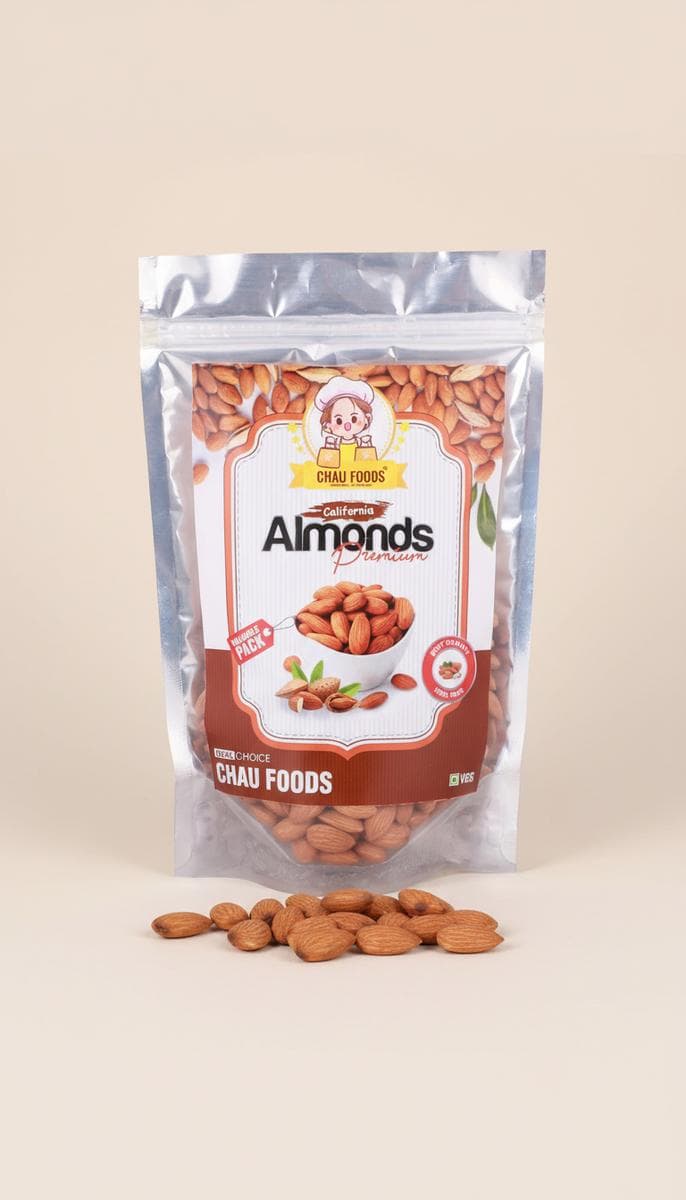
California almonds are the top choice for weight loss. Each almond contains about 7 calories, and studies consistently show that almond eaters weigh less than non-eaters. The high fiber content (3.5g per ounce) means your digestive system works harder to process them, burning additional calories in the process.
The protein content (6g per ounce) is substantial. When you eat almonds, you're triggering satiety hormones like GLP-1. Your brain registers fullness faster, and you naturally eat less at subsequent meals.
Indian studies on vajan kam karne ke liye dry fruits consistently rank almonds first. The combination of magnesium and copper in almonds supports metabolic function and helps regulate blood sugar—crucial for weight management.
Walnuts - Metabolic Boosters
Walnuts are misunderstood in weight loss circles. Yes, they're high in calories (185 per ounce), but they contain omega-3 fatty acids that optimize your metabolic rate. Research published in Nutrients Journal shows that walnut consumption increases fat oxidation.
The key is portion control. One small handful (about 14 halves) provides all the benefits without excess calories.
Pistachios - The Portion-Control Nut
Pistachios have a psychological advantage: they require shelling, which slows consumption. Studies show people eat fewer calories from pistachios than pre-shelled nuts because of this built-in portion control.
At approximately 160 calories per ounce, pistachios contain 6g of protein and 3g of fiber. They're ideal for snacking because the shell forces mindful eating.
Hazelnuts - Underrated Options
Hazelnuts contain compounds that improve insulin sensitivity. They're also high in oleic acid, the same heart-healthy fat in olive oil. At about 175 calories per ounce, they're moderate in caloric density and provide excellent satiety.
Dry Fruits to Avoid or Limit
Not all dry fruits support weight loss equally. Some actually work against your goals.
Dates - The Sugar Concern
Dates are about 66% sugar by weight. While the sugar is natural, it's still sugar. A single Medjool date contains 66 calories and 16g of carbs. For weight loss, they're counterproductive because they don't provide satiety proportional to their calorie content. When we source dates for our wholesale customers, we always recommend limiting consumption to occasional treats rather than regular snacking.
Raisins - Calorie-Dense Without Satiety
Raisins are dried grapes with concentrated sugars. One cup of raisins contains 400 calories and 100g of carbs. Unlike almonds or walnuts, they don't provide the protein and fiber that create lasting fullness. They spike blood sugar rapidly, leading to energy crashes and subsequent overeating.
Candied or Sweetened Varieties
Cranberries, blueberries, and other dried fruits often come candied in commercial versions. These have added sugars that completely undermine weight loss efforts. Always check labels. Natural dried versions are better but still should be limited.
Portion Control: The Critical Factor
This is where most people fail. Knowing *which* dry fruits to eat matters less than knowing *how much*.
For weight loss, the standard recommendation is:
These portions fit easily into a calorie-controlled diet while providing maximum nutritional benefit. Going beyond these amounts adds calories without proportional benefit.
A practical hack: buy pre-portioned packs or measure your daily portion into containers at the start of the week. This prevents mindless munching, which is how most people exceed their calorie targets with dry fruits.
Best Times to Eat Dry Fruits for Weight Loss
Timing influences effectiveness.
Morning - Maximum Benefit
Eating almonds or walnuts with breakfast increases satiety throughout the day. Morning consumption aligns with your body's natural cortisol patterns. You're more likely to process these nutrients efficiently early in the day.
The protein in dry fruits also combats morning hunger hormones. People who eat nuts at breakfast consume fewer calories at lunch.
Pre-Workout - Performance and Recovery
Eating almonds 30-45 minutes before exercise provides sustained energy without the insulin spike of refined carbs. The magnesium in almonds supports muscle function and energy production.
Post-workout, almonds help with recovery. The protein supports muscle repair, and the carbs (minimal as they are) help replenish glycogen stores.
Afternoon Slump - Strategic Snacking
That 3 PM energy crash often leads to unhealthy snacking. A small handful of almonds or pistachios provides sustained energy. The protein and fiber prevent the blood sugar rollercoaster that leads to further cravings.
Avoid Before Bed
While dry fruits aren't inherently bad in the evening, eating them close to bedtime means those calories sit unburned. Your metabolism slows during sleep. If you're hungry at night, eat them early evening, at least 2-3 hours before sleep.
Building a Weight Loss Strategy with Dry Fruits
Calorie Deficit with Nutrition Density
Weight loss requires a calorie deficit, but not all calories are equal. Dry fruits provide micronutrients that keep you healthy while in a deficit. This is crucial—many people lose weight but develop nutritional deficiencies that sabotage their results with fatigue and cravings.
Protein and Fiber Synergy
The combination of protein and fiber in almonds, walnuts, and pistachios creates optimal satiety. You're eating fewer total calories because you're fuller longer. This is why dry fruits work in weight loss—they're like biological appetite suppressants.
Micronutrient Support
As you reduce overall calories, micronutrient density becomes critical. Dry fruits provide magnesium (crucial for 300+ enzyme reactions), zinc (immune function), and selenium (thyroid health). These nutrients decline easily in restrictive diets, but dry fruits help maintain them.
Practical Implementation: A Sample Day
Here's how to integrate dry fruits into weight loss realistically:
This approach spreads nutrients throughout the day, maintains stable blood sugar, and keeps you in a calorie deficit.
Common Mistakes to Avoid
Mistake 1: Thinking "healthy" means unlimited
Many people buy premium California almonds from us and then eat entire bags, justifying it with "they're healthy." Healthy doesn't mean calorie-free.
Mistake 2: Mixing nuts with other calorie sources
Nuts in trail mix with chocolate and candy, or candied nuts—these combinations create calorie problems. Stick to raw, unsalted varieties for weight loss.
Mistake 3: Forgetting to account for dry fruit calories
People often snack on almonds while eating regular meals, adding calories without reducing elsewhere. Dry fruits should replace other snacks, not add to them.
Mistake 4: Choosing roasted and salted over raw
Roasted nuts have added oils and salt, which increases calorie content and sodium consumption. Raw or dry-roasted options are superior for weight loss.
The Science of Satiety
Why do dry fruits work better than other snacks for weight loss? It comes down to how your brain registers fullness.
When you eat refined carbs, glucose spikes, then crashes. Your brain interprets the crash as hunger, even though you've eaten. Dry fruits provide steady glucose release due to fiber. Your brain registers this consistent energy as satisfying, and hunger hormones (ghrelin) drop more effectively.
The protein in dry fruits triggers cholecystokinin (CCK) and peptide YY (PYY)—hormones that signal fullness directly. This is why protein-rich snacks outperform carb-heavy ones for weight loss.
Realistic Expectations
Dry fruits aren't magic. They won't cause weight loss on their own. However, as part of a calorie-controlled diet with exercise, they're significantly more effective than other snacking options.
Studies show that people who include nuts in their diet:
This matters because depressing, unsustainable diets fail. If dry fruits help you stick to your calorie goals while feeling satisfied, they're invaluable.
Next Steps
Start with almonds. They're the most researched for weight loss, they're accessible, and they work. Buy from a reliable source like Chau Foods to ensure quality—rancid nuts undermine health benefits.
Track your portions carefully for two weeks. You'll quickly learn how much you need to feel satisfied. After two weeks, the routine becomes automatic.
Combine dry fruit snacking with a simple strength training routine and you'll see results within 30 days. The combination of protein from nuts, strength training stimulus, and modest calorie deficit is the proven formula.
Your weight loss journey doesn't require eliminating foods you enjoy. It requires understanding which foods work with your body's chemistry. Dry fruits are one of the best tools available.
About the Author
Chau Foods Editorial Team
This guide is written and fact-checked by the Chau Foods editorial team — a small group of FSSAI-certified food specialists based in Rohini, Delhi. Led by founder Mohit, the team combines direct farm-sourcing experience (California almonds, Bihar makhana from Darbhanga & Madhubani, Kashmir walnuts, Kerala spices) with hands-on quality control at the Chau Foods packing facility. We publish only what we would feed our own families, cite Indian nutrition data where relevant, and refresh every article when sourcing, pricing, or health guidelines change.
- Credentials
- FSSAI Lic. 13321008000704
- Based in
- Rohini, Delhi · since 2020
- Rating
- 4.9/5 · 27+ Google reviews
Keep Exploring
Shop related collections and next steps
Use this guide to compare options, then move directly into the most relevant collection, brand story, or bulk-order path.
Dry Fruits Collection
Browse premium dry fruits and pantry-friendly staples selected for everyday snacking.
Shop the collectionWhy Chau Foods
Learn more about our sourcing, freshness standards, and the quality promises behind each product we ship.
Read our storyBulk & gifting help
Need larger quantities, office snacks, festive gifting, or repeat ordering support? Start with our bulk orders page.
Start a bulk enquiry