Pregnancy and Nutrition: Why Dry Fruits Matter
Pregnancy is a metabolic revolution. Your body isn't just maintaining itself—it's building another human. Nutrient demands increase dramatically, and certain nutrients become critical:
Dry fruits are nutrient-dense powerhouses that address many pregnancy nutritional needs. However, pregnancy is also when food safety becomes paramount, which is why guidance matters.
First Trimester: Foundation Building
The first 12 weeks are critical. Organ systems form during this period. Nutritional deficiency now can have lifelong consequences for your baby.
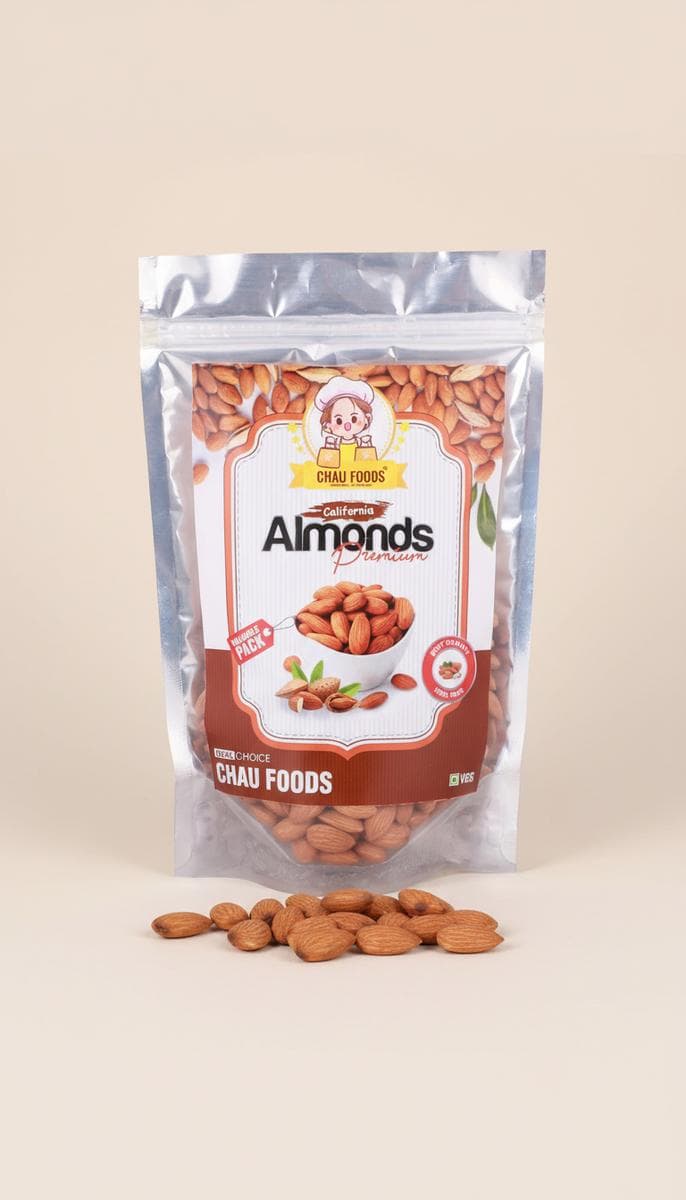
Almonds in the First Trimester
Almonds are the MVP of first-trimester nutrition. They contain:
Recommended amount: 1 ounce (23 almonds) daily. Spread consumption throughout the day if nausea is severe, as eating smaller amounts is often better tolerated than large meals during early pregnancy.
Many of our pregnant customers report that almonds help specifically with morning sickness. The combination of protein and fat creates stable blood sugar, which reduces nausea triggers.
Walnuts and Omega-3s
Omega-3 fatty acids are crucial during pregnancy. They literally build baby's brain. Walnuts contain ALA (alpha-linolenic acid), a precursor to EPA and DHA—the omega-3s critical for fetal brain development.
By establishing omega-3 intake early (first trimester), you optimize the foundation for neurological development that continues throughout pregnancy and lactation.
Recommended amount: 6-7 walnut halves daily. This provides approximately 1.4g of ALA, meeting pregnancy requirements.
Cashews for Copper
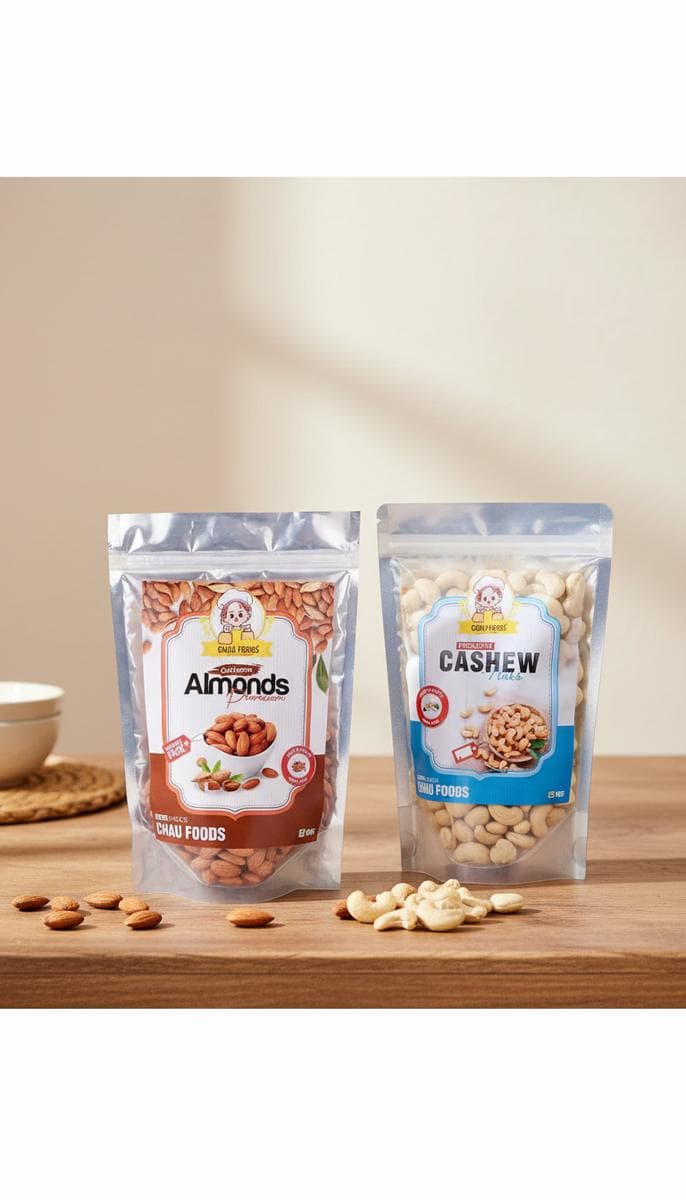
Copper deficiency during pregnancy is rare but serious. It affects connective tissue formation and immune function. Cashews provide 600 micrograms per ounce—about 67% of daily pregnancy needs.
Recommended amount: 1 small handful (about 10-12 cashews) several times weekly.
Dates During First Trimester?
Dates are traditionally recommended during pregnancy, particularly in South Asian and Middle Eastern medicine. They're rich in natural sugars for energy and contain compounds that some research suggests may affect uterine muscles.
First trimester recommendation: Use dates cautiously. The high sugar content means they should be treats, not daily staples. No more than 1-2 dates weekly in early pregnancy. As pregnancy progresses, this recommendation changes.
Second Trimester: Building Strength
Weeks 13-27 are the "golden period" of pregnancy. Morning sickness usually resolves, energy returns, and the baby's growth accelerates. Nutritional needs intensify significantly.
Iron-Rich Almonds and Walnuts
Baby's iron stores are established during the second trimester. This iron will sustain baby through the first 6 months of life. Maternal iron demand increases to 27mg daily (versus 18mg when not pregnant).
While dry fruits aren't iron powerhouses, almonds and walnuts contain Iron that, combined with other iron sources (meat, legumes, fortified grains), helps meet these increased needs.
Pair dry fruits with Vitamin C sources—orange juice, tomatoes, strawberries—to optimize iron absorption.
Protein Surge
The second trimester sees accelerated fetal growth. Protein demands peak at approximately 71g daily (versus 46g when not pregnant). Dry fruits provide about 6g of protein per ounce.
Practical strategy: Include almonds, walnuts, or cashews at every meal. Combine them with:
This distributed approach ensures consistent amino acid availability for fetal tissue building.
Dates Become More Beneficial
Second trimester is when dates shift from caution to benefit. Traditional medicine has recommended dates during late pregnancy, and some modern research supports this.
A 2015 study in Nutrition Journal found that date consumption in the late second and third trimester was associated with shorter labor duration and less need for labor augmentation.
Dates also provide:
Recommended amount: 2-3 dates daily in the second trimester, increasing to 4-5 in the third trimester.
Pistachio Introduction
Pistachios are underrated in pregnancy. They contain:
Recommended amount: 1 ounce (about 49 kernels) several times weekly.
Third Trimester: Preparation and Performance
Weeks 28-40 focus on final fetal development and preparing your body for labor.
Optimal Dry Fruit Combination
By the third trimester, your dry fruit strategy should be established. Maintain:
This combination provides a comprehensive nutritional base supporting both mother and baby in these final weeks.
Magnesium for Leg Cramps
Pregnancy leg cramps are nearly universal by the third trimester. Magnesium deficiency exacerbates this. Almonds and cashews are excellent magnesium sources.
Many pregnant women report that consistent almond consumption from the second trimester onward significantly reduces third-trimester leg cramps.
Fiber for Digestion
Labor often involves significant digestive changes. Establishing good digestive function with dry fruit fiber helps you avoid last-minute constipation or diarrhea issues.
Dates especially provide meaningful soluble fiber that supports regular bowel function without the cramping that sometimes accompanies dried prunes.
What to Avoid Absolutely
Bitter Almonds
Never consume bitter almonds during pregnancy. Bitter almonds contain amygdalin, which converts to cyanide when metabolized. Even small amounts during pregnancy can be problematic.
Always purchase from trusted sources like Chau Foods. We only source sweet almonds (California and Spanish varieties). Bitter almonds are dangerous during pregnancy—this is non-negotiable.
Excessive Salt or Additives
Roasted, salted, or candy-coated nuts should be avoided. The sodium increases fluid retention and blood pressure—concerning during pregnancy. Refined coatings add empty calories and can contain additives of uncertain safety.
Stick to raw, unsalted, or dry-roasted varieties from reliable sources.
High-Mercury Fish Nuts
This isn't about nuts specifically, but about understanding safe nutrition. Some prepared nuts come from regions with concerning pesticide practices. Premium sourcing matters.
Chau Foods specifically sources from regions with stringent agricultural standards because we understand that pregnant women have different risk assessments than the general population.
Undercooked or Raw Nut Butters
During pregnancy, avoid products with any risk of contamination. Raw nut butters (those without heat treatment) theoretically carry salmonella risk. Use commercially prepared nut butters, which are heat-treated.
Allergen Introduction and Baby
There's an old belief that avoiding allergenic foods during pregnancy prevents childhood allergies. Modern evidence contradicts this.
Actually, introducing potential allergens (nuts, fish, peanuts) during pregnancy may help prevent allergies in your baby through immune tolerance development.
If your family has no nut allergies, eat nuts confidently during pregnancy. If there's a family history of nut allergies, consult your OB about safe introduction.
Portion Guide: Trimester-Specific
First Trimester (Weeks 1-12)
Second Trimester (Weeks 13-27)
Third Trimester (Weeks 28-40)
Food Safety: Critical Considerations
Pregnancy immune function changes in ways that increase susceptibility to certain food-borne illnesses. Listeria and Salmonella are particular concerns.
Sourcing Matters
Chau Foods maintains strict food safety protocols specifically because we serve pregnant women. We:
When buying dry fruits during pregnancy, buy from reputable wholesale suppliers with documented safety practices. Don't accept "probably fine"—you need "definitely safe."
Storage at Home
Store dry fruits in airtight containers in cool, dry places. Moisture promotes mold growth. Mold produces aflatoxins—a serious concern during pregnancy. When in doubt, discard.
Buy in quantities you'll consume within 2-3 weeks. Fresher is safer.
Real Pregnancy Nutrition Strategy
Dry fruits are nutritional tools, not solutions. They work within a comprehensive prenatal nutrition strategy:
Common Concerns Addressed
Q: Will eating nuts cause allergies in my baby?
No. Exposure to allergens during pregnancy may actually reduce allergies. Unless there's a specific family history, eat nuts confidently.
Q: Are pesticides on dry fruits harmful?
Organic varieties reduce pesticide exposure. Chau Foods sources carefully, and we can provide information about our sourcing. For pregnant women specifically requesting organic, we have those options available.
Q: Should I eat dry fruits before bed?
Eating a small handful of almonds 1-2 hours before bed can actually improve sleep during pregnancy. The tryptophan and minerals support sleep quality, and the stable blood sugar prevents night waking from hunger.
Q: Can dry fruits cause weight gain in pregnancy?
Healthy pregnancy weight gain is normal and necessary. Dry fruits support nutrient-dense eating without excessive calories. They're among the best pregnancy snacks for balanced nutrition.
Integration into Your Diet
Here's a practical daily structure:
This provides:
Third Trimester: Labor Preparation
The traditional recommendation to eat dates in late pregnancy stems from both ancient medicine and modern research. Studies show date consumption may:
While individual results vary, the research is positive enough that many OBs recommend dates specifically in the final month.
Your Pregnancy Journey
Dry fruits aren't glamorous. They're not the focused prenatal story of "superfoods" that some supplement companies promote. But they're reliable, evidence-supported nutrition that has sustained pregnant women across cultures for millennia.
Eaten consistently, they contribute to:
Your pregnancy nutrition choices ripple forward, affecting your baby's health for decades. Dry fruits are one of the safest, most effective tools available. Use them confidently.
About the Author
Chau Foods Editorial Team
This guide is written and fact-checked by the Chau Foods editorial team — a small group of FSSAI-certified food specialists based in Rohini, Delhi. Led by founder Mohit, the team combines direct farm-sourcing experience (California almonds, Bihar makhana from Darbhanga & Madhubani, Kashmir walnuts, Kerala spices) with hands-on quality control at the Chau Foods packing facility. We publish only what we would feed our own families, cite Indian nutrition data where relevant, and refresh every article when sourcing, pricing, or health guidelines change.
- Credentials
- FSSAI Lic. 13321008000704
- Based in
- Rohini, Delhi · since 2020
- Rating
- 4.9/5 · 27+ Google reviews
Keep Exploring
Shop related collections and next steps
Use this guide to compare options, then move directly into the most relevant collection, brand story, or bulk-order path.
Dry Fruits Collection
Browse premium dry fruits and pantry-friendly staples selected for everyday snacking.
Shop the collectionWhy Chau Foods
Learn more about our sourcing, freshness standards, and the quality promises behind each product we ship.
Read our storyBulk & gifting help
Need larger quantities, office snacks, festive gifting, or repeat ordering support? Start with our bulk orders page.
Start a bulk enquiry