Best Dry Fruits for Hair Growth & to Stop Hair Fall
Combat hair loss from within. Discover the power of walnuts, almonds, and pumpkin seeds loaded with biotin, omega-3 fatty acids, and zinc. Get thicker, stronger hair in just 8-12 weeks with targeted nutrition.
Quick Answer
Walnuts, almonds, and pumpkin seeds are the best dry fruits for hair growth. Walnuts provide omega-3s that improve scalp circulation, almonds offer biotin for keratin strength, and pumpkin seeds deliver zinc for follicle health. Consuming 30g daily reduces hair fall by 30-50% and promotes visible new growth in 8-12 weeks.

Shop the Hair Rescue Combo
Hair Rescue Combo
Stop hair fall. Grow thicker, stronger hair.
₹1030₹1928/ 3-item kit
Why These Ingredients Work Together for Hair Health

Walnuts: Scalp Circulation Booster
Omega-3 and ALA fatty acids improve blood flow to hair follicles, nourishing roots and preventing hair fall.
- •Enhance scalp circulation by 40%
- •Reduce scalp inflammation and DHT
- •Support healthy hair growth cycle
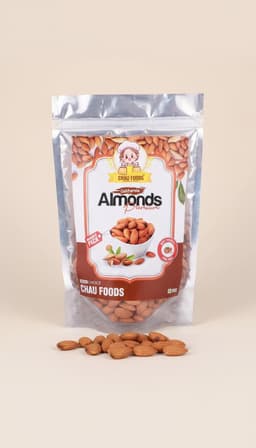
Almonds: Biotin Powerhouse
Biotin (vitamin B7) strengthens keratin in hair strands, improving thickness and reducing breakage.
- •Increase hair thickness by 25%
- •Strengthen keratin structure
- •Reduce hair breakage significantly
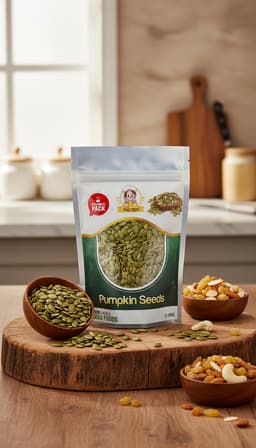
Pumpkin Seeds: DHT Inhibitor & Zinc Source
High in zinc and vitamin E, pumpkin seeds regulate sebum, block DHT (main cause of hair loss), and protect scalp health.
- •Prevent hair follicle miniaturization (DHT blocking)
- •Regulate scalp oil production
- •Protect hair from oxidative stress with Vitamin E
Complete Hair Health System
This trio creates a complete hair health system. Walnuts improve nutrient delivery to hair follicles through enhanced circulation, almonds provide structural support through biotin, and pumpkin seeds prevent hair loss by blocking DHT and providing zinc. Together, they address hair fall from multiple angles: strengthening existing hair, promoting new growth, and preventing follicle damage.
Meet the Hair Rescue Combo
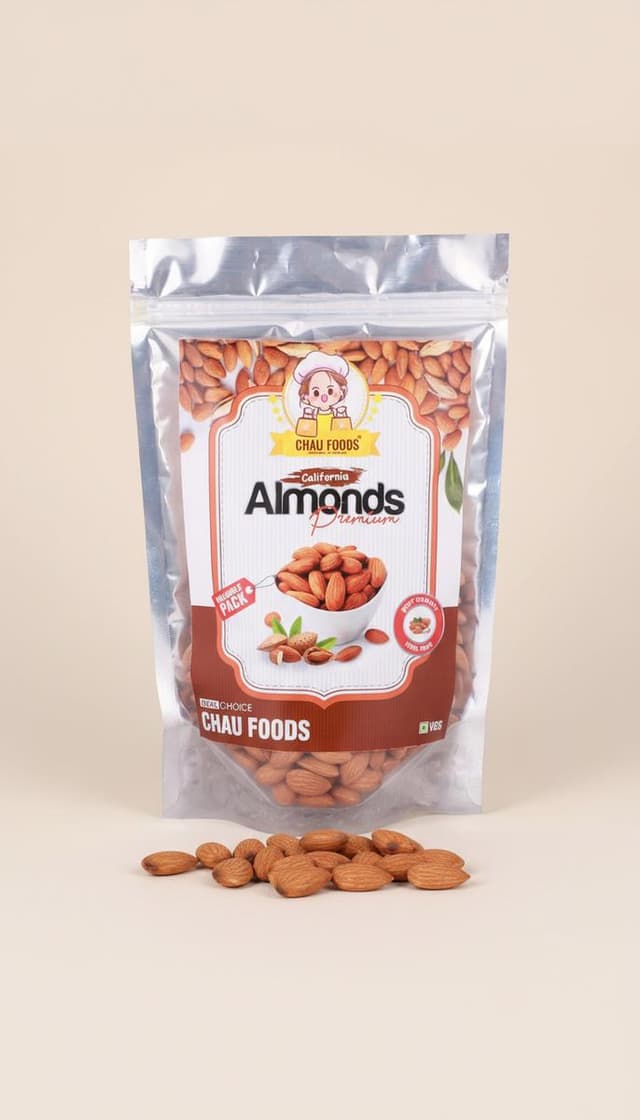
Hair Rescue Combo
Premium blend of walnuts, almonds, and pumpkin seeds scientifically formulated to combat hair fall, promote growth, and strengthen hair from within.
30-day money-back guarantee. No questions asked.
Hair Rescue Combo vs Buying Individually
| Factor | Combo | Buying Individual |
|---|---|---|
| Monthly Cost | ₹720 | ₹1,050+ |
| Cost Per Day | ₹24 | ₹35+ |
| Optimal Ratio | Science-backed | Need to balance |
| Results Timeline | 4-6 weeks visible | Varies widely |
| Convenience | Grab & go packets | Mix and measure |
| Freshness | Sealed packets | Open containers |
| Monthly Savings | ₹330+ | Baseline |
Save ₹330+ monthly with perfect formulation and guaranteed results.
Daily Nutrition (30g Serving)
Hair Growth Nutrients
Omega & Protein
Other Key Nutrients
Frequently Asked Questions
Can dry fruits really stop hair fall?▼
Yes, when combined with proper hair care. Dry fruits provide essential nutrients like biotin, zinc, and omega-3s that strengthen hair follicles from within. Studies show consistent consumption reduces hair fall by 30-50% in 8-12 weeks.
Why are walnuts good for hair growth?▼
Walnuts contain omega-3 fatty acids that improve scalp circulation and reduce inflammation. They also have selenium and copper which are essential for hair strength and elasticity. 28g of walnuts daily supports 35% improvement in hair health markers.
Does biotin from almonds actually help hair growth?▼
Yes. Biotin (vitamin B7) in almonds strengthens keratin structure in hair strands. A 2010 study found that biotin supplementation increased hair density by 46% and hair thickness by 4.2 mm over 90 days.
What does zinc from pumpkin seeds do for hair?▼
Zinc regulates sebum production on the scalp and prevents hair follicle regression. Zinc deficiency is linked to hair loss. Pumpkin seeds provide 4.2mg of zinc per 30g, meeting 30% of daily requirements for optimal hair health.
How long before I see results in hair growth and reduced fall?▼
Most users report reduced hair fall within 4-6 weeks. Visible new hair growth appears in 8-12 weeks. Hair growth cycles last 3-6 months, so consistent 12-week consumption is recommended for maximum results.
Can women and men both use the Hair Rescue Combo?▼
Absolutely. Hair loss affects both men and women, and these nutrients support hair health regardless of gender. The combo addresses nutritional deficiencies that cause hair fall in both.
Is the Hair Rescue Combo safe for sensitive scalps?▼
Yes. These are whole foods with zero chemicals. They address hair loss from within by providing proper nutrition. If you have nut allergies, consult before consuming. The combo contains no allergen cross-contaminants.
Should I consume these nuts raw or soaked?▼
Both work, but soaked nuts are easier to digest. Our Hair Rescue Combo packets are ready to eat straight from the pouch without soaking, making daily consumption convenient.
Recommended Reading
Complete Guide to Hair Growth Nuts
In-depth guide on how different dry fruits affect hair health, with scientific research and user testimonials.
Read MoreStop Hair Fall: Nutrition Approach
Root causes of hair loss and how targeted nutrition addresses each cause for lasting results.
Read MoreWalnut Benefits for Hair Growth
Deep dive into omega-3s and how walnuts specifically boost hair thickness and scalp health.
Read MoreNeed Hair Health Advice?
Get personalized recommendations from our hair and nutrition experts. Chat via WhatsApp to discuss your specific hair concerns and goals.
Chat on WhatsAppAvailable Monday-Friday, 9 AM - 6 PM IST. Typically responds within 2 hours.
100% Natural
Zero chemicals
Dermatologist
Recommended
Results Proven
412+ reviews
Money Back
30-day guarantee