Why Dry Fruits Is One of the Best Businesses to Start in India
Starting a dry fruits business in India is one of the smartest moves you can make right now. The Indian dry fruits market is growing at 10-12% annually, driven by rising health consciousness, gifting culture, and increasing disposable income. Whether you want to open a retail shop, sell online, supply to restaurants, or become a wholesaler yourself — the opportunity is massive and the barrier to entry is surprisingly low.
The best part? You can start with as little as Rs 50,000-1,00,000 and scale from there. No factory needed, no heavy machinery, no complex manufacturing. Just quality products, smart sourcing, and good customer relationships.
How Much Investment Do You Need?
This is the first question everyone asks. Here is a realistic breakdown based on different business models:
Small Retail Shop (Kirana/Market Stall)
Initial Stock: Rs 50,000 - 1,00,000 (5-6 varieties, 10-15 kg each)Shop Rent + Deposit: Rs 15,000 - 50,000/month (location dependent)Display Setup: Rs 10,000 - 25,000 (glass jars, weighing scale, packaging)Licensing: Rs 5,000 - 10,000 (FSSAI basic, shop license)Working Capital: Rs 20,000 - 50,000Total: Rs 1,00,000 - 2,35,000Online Business (From Home)
Initial Stock: Rs 30,000 - 75,000 (start with 4-5 best sellers)Packaging Materials: Rs 5,000 - 15,000 (branded pouches, labels, boxes)Website/Platform: Rs 0 - 10,000 (start on Amazon/Flipkart, then own website)Photography & Branding: Rs 5,000 - 20,000Working Capital: Rs 15,000 - 30,000Total: Rs 55,000 - 1,50,000Wholesale/Distribution Business
Initial Stock: Rs 2,00,000 - 5,00,000 (bulk quantities, 8-10 varieties)Godown/Storage: Rs 20,000 - 60,000/month (climate-controlled preferred)Transport: Rs 50,000 - 1,00,000 (delivery vehicle or logistics tie-up)Licensing: Rs 15,000 - 25,000 (FSSAI State License, GST, Trade License)Working Capital: Rs 1,00,000 - 3,00,000Total: Rs 3,85,000 - 9,85,000Profit Margins — What Can You Actually Earn?
This is where dry fruits gets exciting. Margins are significantly better than most FMCG products:
Product-Wise Profit Margins (Retail)
California Almonds: 25-35% margin (buy at Rs 850-950/kg, sell at Rs 1,200-1,400/kg)Cashews W320: 25-30% margin (buy at Rs 750-850/kg, sell at Rs 1,000-1,200/kg)Pistachios: 30-40% margin (buy at Rs 1,200-1,400/kg, sell at Rs 1,800-2,200/kg)Walnuts: 30-40% margin (buy at Rs 800-1,000/kg, sell at Rs 1,200-1,500/kg)Makhana: 35-45% margin (buy at Rs 650-800/kg, sell at Rs 1,000-1,400/kg)Seeds (Pumpkin, Chia): 40-50% margin (buy at Rs 350-500/kg, sell at Rs 600-900/kg)Raisins: 25-35% margin (buy at Rs 200-350/kg, sell at Rs 350-500/kg)Gift Boxes (Diwali/Wedding): 40-60% margin (highest margin product)Wholesale Margins
Wholesale margins are thinner: 8-15% per transactionBut volume makes up for it — a wholesaler doing 500 kg/month at 10% margin earns Rs 40,000-60,000/month profitWholesale margins improve with direct sourcing and larger order commitmentsRealistic Monthly Income Estimates
Small Retail Shop: Rs 20,000 - 50,000/month profit (first year)Online Business: Rs 15,000 - 40,000/month profit (after 3-6 months of building)Wholesale/Distribution: Rs 40,000 - 1,50,000/month profit (depends on volume)Festival Season (Oct-Dec): 2-3x normal monthly profitLicenses and Legal Requirements
You need these before starting:
Must-Have (Day 1)
FSSAI Registration/License — Basic registration (Rs 100, online) for turnover under Rs 12 lakh. State license (Rs 2,000-5,000) for turnover above Rs 12 lakh. Apply at foscos.fssai.gov.in.GST Registration — Mandatory if turnover exceeds Rs 20 lakh (Rs 40 lakh for goods). Free registration at gst.gov.in. Get it early — wholesale buyers need GST invoices.Shop & Establishment License — From your local municipal corporation. Rs 500-5,000 depending on city.Good to Have (Within 3-6 Months)
Trade License — From municipal authority, proves your business is legalMSME/Udyam Registration — Free, gives you access to government schemes and easier bank loansCurrent Account — Open a business bank account for professional transactionsTrademark — Register your brand name if selling under own label (Rs 4,500 at ipindia.gov.in)For Export (If You Plan to Sell Internationally)
IEC (Import Export Code) — Free at dgft.gov.inAPEDA Registration — For agricultural exportsAD Code — From your bank, for foreign exchange transactionsWhere to Source — Finding Reliable Suppliers
This is the make-or-break factor. Your sourcing determines your margins, quality, and customer retention.
Direct from Mandis/Markets
Khari Baoli, Delhi — Largest spice and dry fruits market in Asia. Best for almonds, cashews, raisins, spices. Visit early morning (5-7 AM) for best rates.Crawford Market, Mumbai — Good for imported dry fruits, dates, premium varietiesYeshwanthpur Market, Bangalore — South India hub for bulk dry fruitsBegum Bazaar, Hyderabad — Strong for cashews and raisinsOnline Wholesale Suppliers
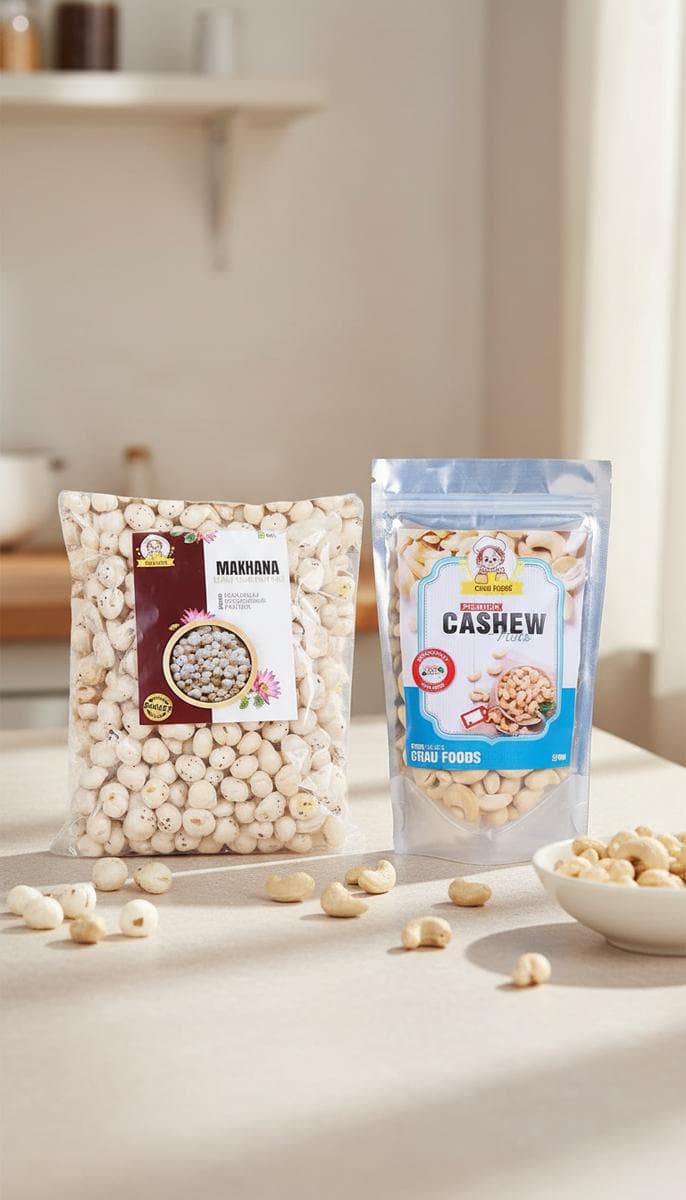
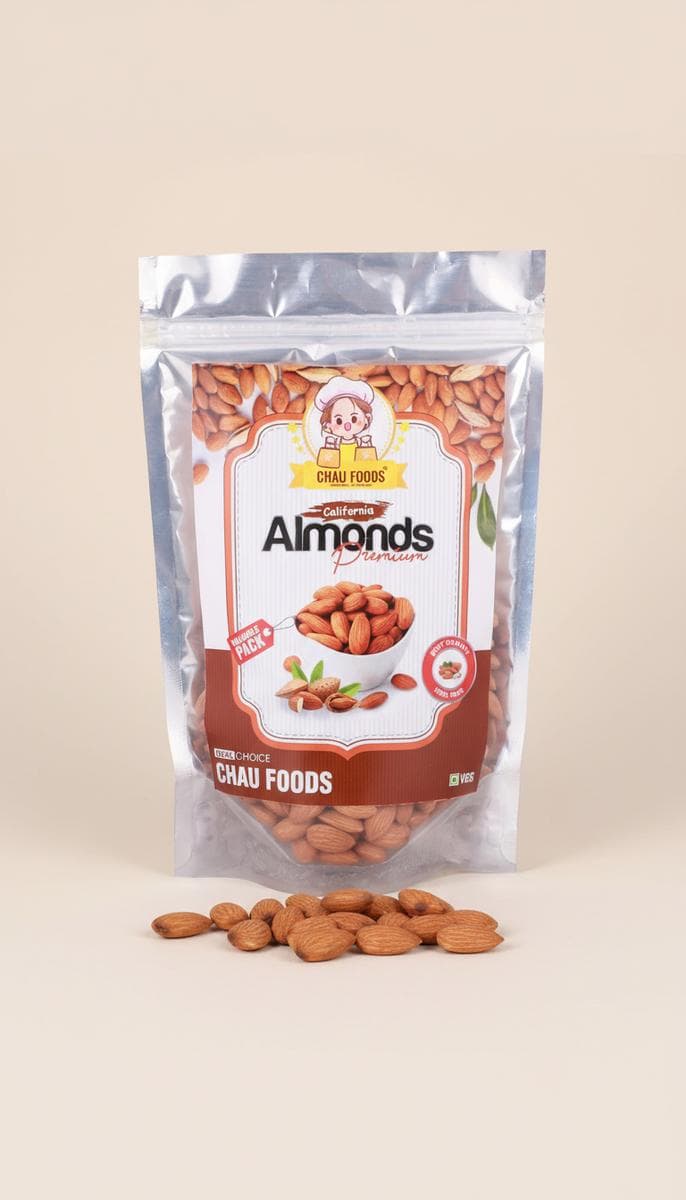
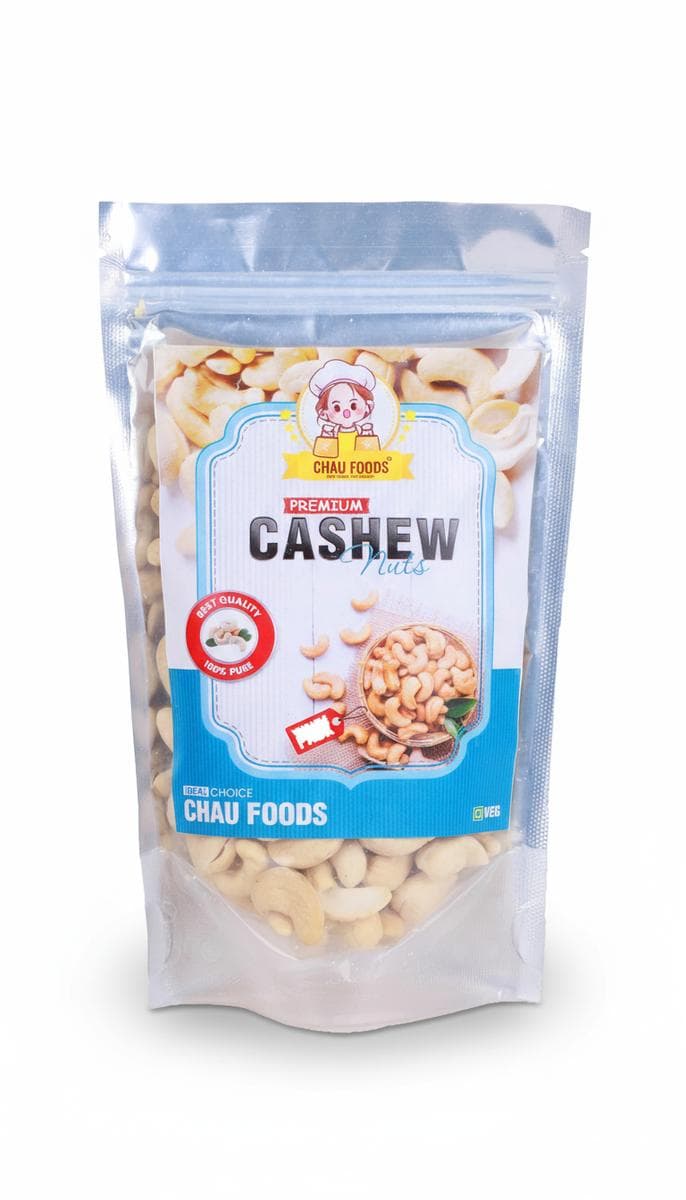
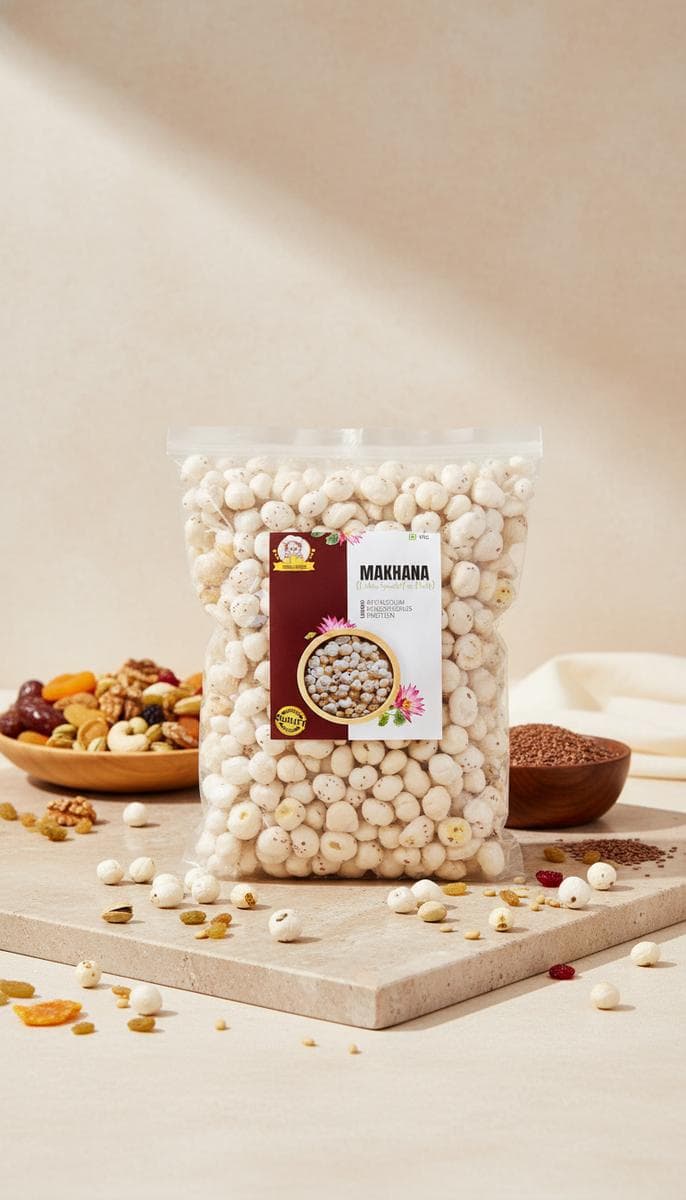
Chau Foods (chaufoods.com) — Direct wholesale with no MOQ restrictions, FSSAI certified, GST invoices, pan-India delivery. Good for retailers and small businesses who cannot buy in mandi quantities.IndiaMart/TradeIndia — Marketplace connecting buyers with multiple suppliers. Verify quality before large orders.Direct from Processors/Farmers
Makhana: Buy direct from Bihar processors (Darbhanga, Madhubani districts)Cashews: Direct from Goa, Kerala, or Karnataka processorsAlmonds: Import or buy from California almond importers in DelhiWalnuts: Direct from Kashmir growers (Sep-Nov season)Sourcing Tips
Always order samples (500g-1 kg) before committing to bulkCompare at least 3 suppliers before fixing oneCheck FSSAI license and batch testing reportsVisit the supplier facility if possibleStart with 2-3 products, expand after 3 monthsStorage and Shelf Life — Protecting Your Investment
Poor storage is the number one reason new dry fruits businesses lose money. Product spoils, customers complain, and margins disappear.
Storage Rules
Temperature: 15-20 degrees Celsius ideal. Never above 30 degrees. AC storage room recommended in summer.Humidity: Below 60%. Use silica gel packets in containers. Dehumidifier in godown.Containers: Airtight food-grade containers or sealed bags. Never open gunny bags.Light: Dark storage. Direct sunlight degrades quality and causes rancidity.Pest Control: Monthly pest treatment. Steel racks (not wooden). Keep 6 inches off floor.Shelf Life by Product
Almonds: 12-18 months (cool, dry storage)Cashews: 6-12 months (sensitive to moisture)Walnuts: 6-9 months (high oil content, goes rancid faster)Pistachios: 12 months (store in-shell for longer life)Raisins: 12-18 months (refrigerate for extended life)Makhana: 6-8 months (extremely moisture sensitive)Seeds: 8-12 months (cool storage essential)Pricing Strategy — How to Set Your Selling Price
The Formula
Selling Price = Purchase Price + Storage/Handling Cost + Margin + GST
Practical Example (Almonds)
Purchase price: Rs 900/kg (wholesale)Storage/handling: Rs 20/kg (rent, packaging, labour)Target margin: 30%Selling price before GST: (900 + 20) x 1.30 = Rs 1,196/kgRounded selling price: Rs 1,199/kg or Rs 1,200/kgPricing Tips
Research local competition pricing before setting yoursPrice slightly below established shops to attract initial customersPremium packaging allows 15-20% higher pricingFestival gift boxes can carry 40-60% marginsOffer combo deals (almond + cashew + raisins) at bundle discountHow to Get Your First 50 Customers
Offline
Visit local restaurants and sweet shops — they need regular dry fruits supply. Offer free samples.Partner with local kiranas — supply them wholesale, they sell retailFestival gifting — approach corporates in Sep-Oct for Diwali gift boxes. This alone can make your entire year.Gyms and health food stores — growing demand for nuts, seeds, and trail mixesMarriage caterers — huge volume orders during wedding season (Nov-Feb)Online
WhatsApp Business — share product photos and rates. Cheapest and most effective marketing channel.Instagram — post product photos, health tips, recipes. Dry fruits content performs well.Amazon/Flipkart — list your products for pan-India reach. Commission is 15-20% but gives volume.Google My Business — free listing that shows up in local searches. Critical for local retail.Own Website — build after 6 months when you have stable supply and brand identityCommon Mistakes to Avoid
Over-stocking in the beginning — start with 4-5 products, not 20Ignoring storage — one batch of spoiled cashews can wipe out a month of profitCompeting only on price — quality and trust matter more than being cheapestNo GST registration — you lose B2B customers who need GST invoicesSeasonal complacency — Oct-Dec is peak season (60% of annual revenue). Prepare stock by September.Single supplier dependence — always have 2-3 suppliers as backupIgnoring packaging — branded, sealed packaging commands 15-20% premium over loose sellingMonth-by-Month Action Plan (First 6 Months)
Month 1: Setup
Get FSSAI registration, shop licenseFind and visit 3-5 suppliers, order samplesSet up storage space with proper conditionsOpen business bank accountMonth 2: Launch
Stock initial inventory (4-5 products)Set up WhatsApp Business + Google My BusinessVisit 20 potential B2B customers (restaurants, kiranas, sweet shops)Start taking ordersMonth 3: Optimize
Analyze which products sell fastestNegotiate better rates with suppliers based on volumeAdd 2-3 more product varietiesStart Instagram pageMonth 4-5: Grow
Explore online selling (Amazon/Flipkart)Develop festival gift box rangeBuild relationships with corporate buyers for upcoming DiwaliRegister GST if not done alreadyMonth 6: Scale
Review profit margins across all productsConsider adding premium/imported varietiesPlan for wedding season bulk ordersEvaluate whether to expand into wholesale distribution---
Starting a dry fruits business is not rocket science — it is about smart sourcing, proper storage, and building relationships. The market is growing, the margins are healthy, and the demand is year-round. Whether you start with Rs 50,000 or Rs 5,00,000, the fundamentals are the same. Buy quality, store properly, price fairly, and deliver consistently. For wholesale sourcing with flexible MOQ, quality guarantee, and GST invoices, visit chaufoods.com or WhatsApp us for today's wholesale rates.