Buy online
Freshly packed, delivered in 3 to 5 days
Free delivery on orders ₹399+ · Cash on Delivery available
Quick Summary
Quick Answer
Cashews are nutrient-dense dry fruits that help reduce bad cholesterol, maintain healthy blood pressure, support weight management, and strengthen bones thanks to their high magnesium, copper, and antioxidant content. A daily handful (about 23 cashews or 28g) can deliver these benefits without excessive calories when part of a balanced diet.
Cashew Benefits: A Complete Nutrition & Health Guide
Featured Product
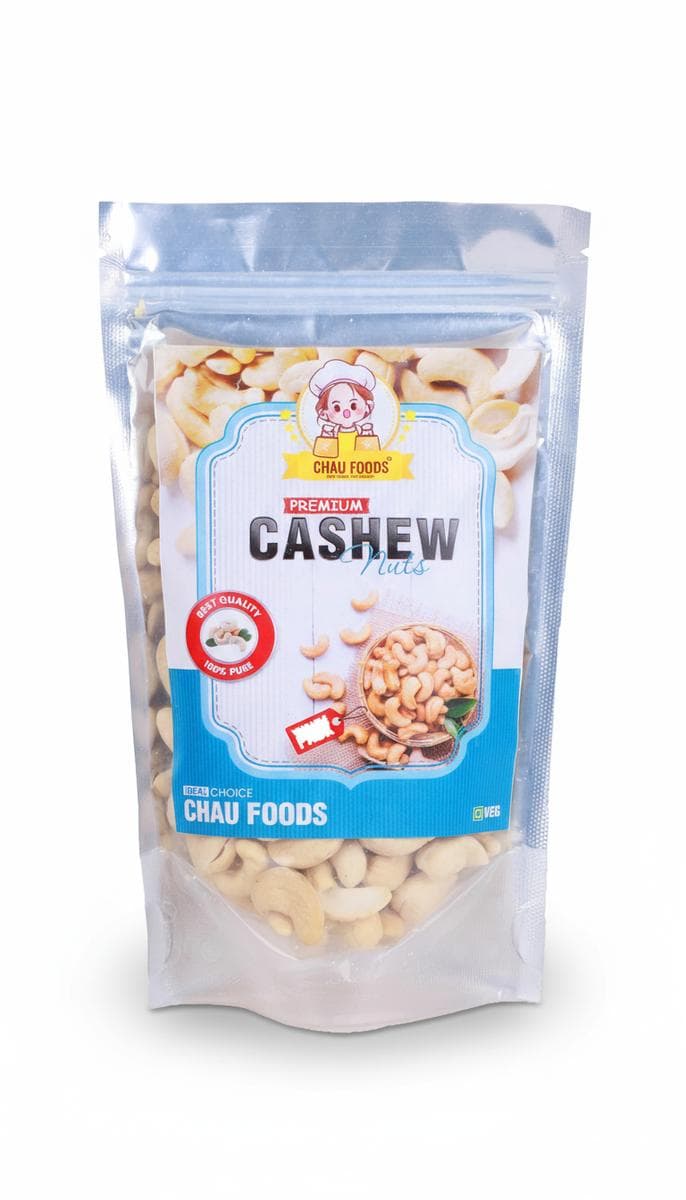
Premium W240 Cashews 🇮🇳
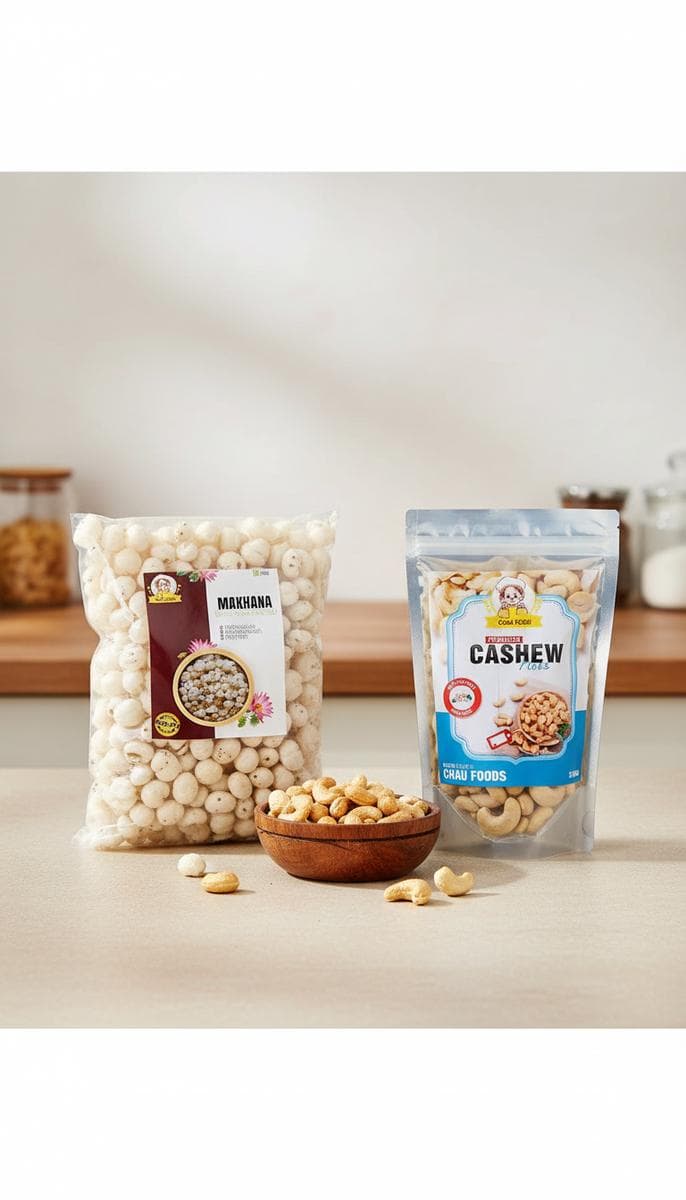
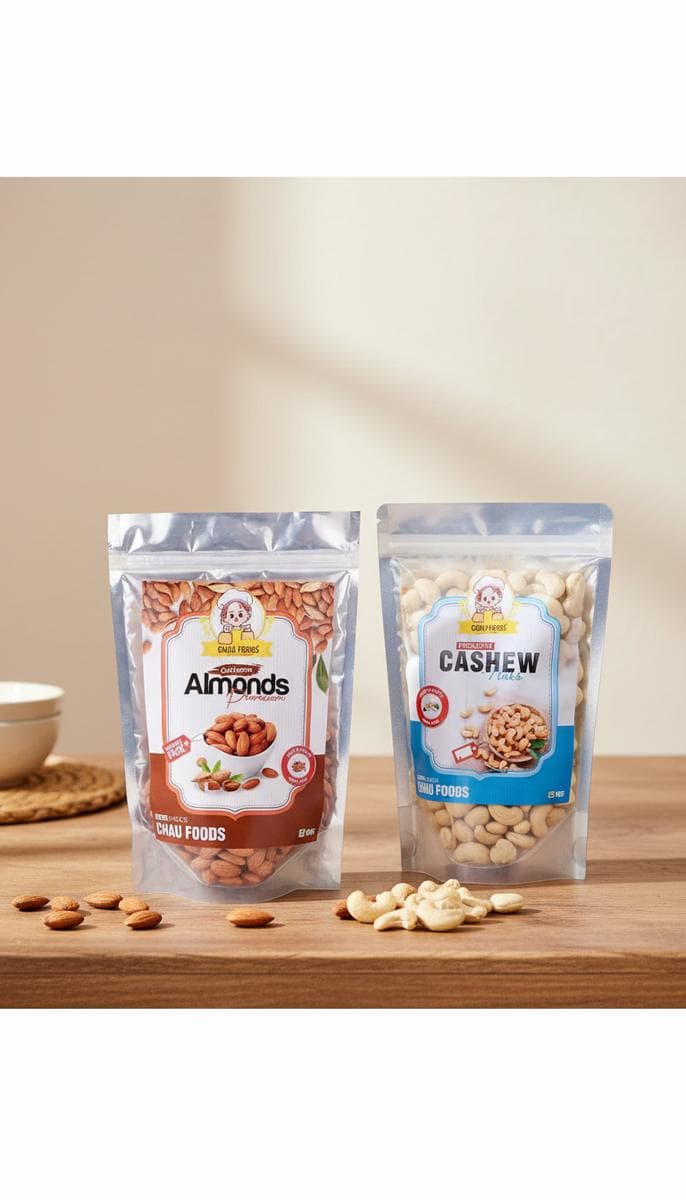
W240 jumbo-grade whole cashews — 18g protein, creamy, crunchy & unbroken, perfect for snacking & cooking
✓ FSSAI certified · Free delivery ₹399+
Cashews, known as kaju in Hindi and across India, have evolved from an exotic luxury to an everyday superfood. Whether you source them from Kerala's coastal farms or the Konkan region of Maharashtra, these kidney-shaped nuts pack an incredible nutritional punch that addresses multiple health concerns simultaneously.
Why Are Cashews So Healthy?
Cashews stand out because they combine healthy fats, essential minerals, and bioactive compounds in one convenient package. Unlike many nuts that are primarily fat-heavy, cashews offer a unique nutritional profile: monounsaturated fats (the good kind), plant-based protein, and minerals like magnesium and copper that most Indians are deficient in.
The processing matters too. Premium grades like W320 and W240 (referring to the number of kernels per pound) indicate careful hand-harvesting and gentle processing that preserves maximum nutrition. When you buy from trusted sources, you're getting cashews that haven't been over-roasted or treated with harmful chemicals.
Cashew Benefits for Heart Health & Cholesterol Management
How do cashews improve heart health?
Cashews contain high levels of monounsaturated fats (MUFA), which are proven to reduce LDL cholesterol (the harmful kind) while maintaining HDL cholesterol (the protective kind). A study referenced in the Indian Heart Journal demonstrated that regular cashew consumption, when replacing saturated fats, improved lipid profiles in Indian adults within 8 weeks.
The magnesium content in cashews is equally important. This mineral acts as a natural blood pressure regulator, helping relax blood vessel walls and improve circulation. For someone dealing with hypertension-a common concern in Delhi and urban India-a handful of cashews daily can be part of your preventive strategy.
Additionally, cashews are rich in polyphenols and flavonoids, powerful antioxidants that reduce inflammation in blood vessels and prevent oxidative damage to heart tissue. This is particularly relevant given rising cardiovascular disease rates among young Indians.
What's the best daily amount for heart health?
The ICMR (Indian Council of Medical Research) dietary guidelines recommend 28 grams of nuts daily-approximately 23 whole cashews-as part of a heart-healthy diet. This amount provides around 150-160 calories but delivers sustained heart-protective benefits without contributing to weight gain.
Weight Management: The Cashew Advantage
Featured Product
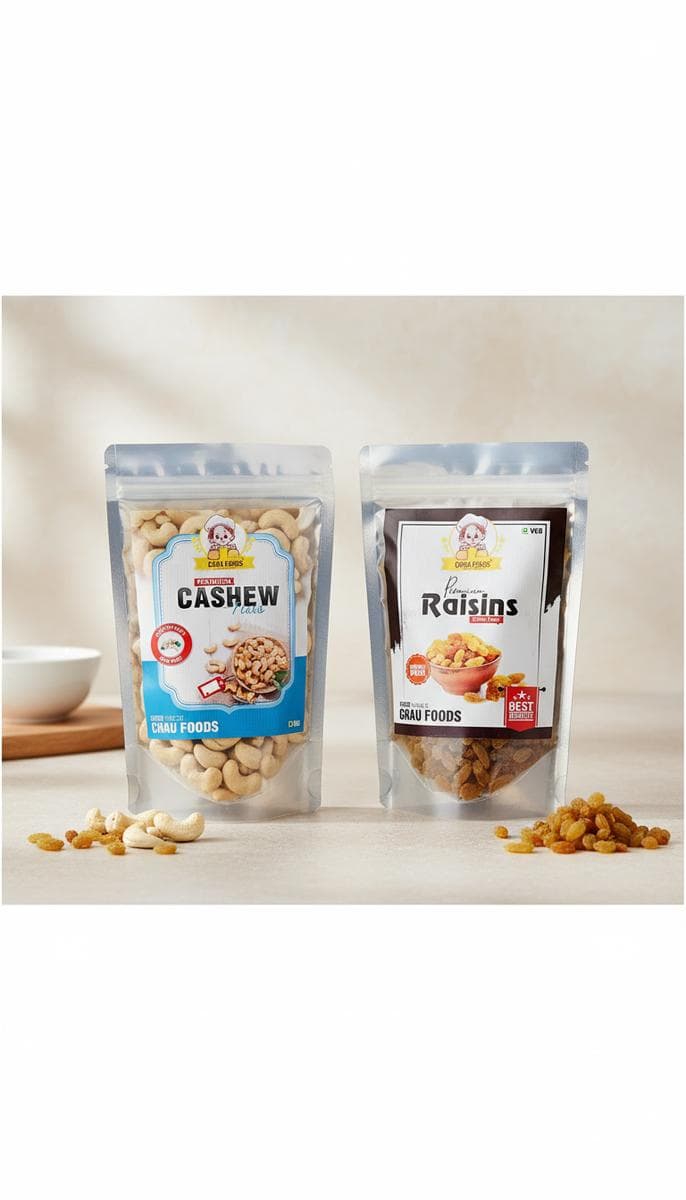
Combo Cashew + Raisins
Cashew + raisins combo — creamy meets sweet, protein + natural energy in every handful
✓ FSSAI certified · Free delivery ₹399+
Can cashews help with weight loss?
This surprises many people: yes, despite being calorie-dense, cashews can support weight management. Here's why: the protein and fiber content creates satiety, meaning you feel fuller longer and eat less throughout the day. A 28-gram serving provides about 5 grams of protein and nearly 1 gram of fiber.
When you eat a handful of cashews as a mid-morning snack, you're less likely to reach for sugary biscuits or fried snacks two hours later. Studies show that nut eaters actually consume fewer total calories per day because nuts trigger fullness signals in the brain faster than refined carbohydrates do.
The key is portion control: pre-portion your cashews into small containers or use Chau Foods Premium Cashew Nuts which come in ideal daily-serving packets.
How do cashews prevent weight gain?
Unlike simple carbs that spike blood sugar and trigger fat storage, the fats in cashews are metabolized slowly and steadily. This prevents energy crashes that lead to overeating. Additionally, the minerals in cashews (especially magnesium) support healthy metabolism and energy production in your cells.
Bone Strength & Mineral Content
Why are cashews important for bone health?
Cashews are exceptional sources of copper and magnesium-two minerals absolutely critical for bone formation and density. Copper works with vitamin C to form collagen, the structural protein that gives bones their flexibility. Magnesium comprises nearly 60% of your bone mineral content.
For Indians over 40, and especially women entering menopause, cashew consumption becomes a practical dietary intervention for osteoporosis prevention. The combination of copper, magnesium, and manganese in cashews creates a synergistic effect on bone metabolism.
How much copper and magnesium do cashews provide?
A 28-gram serving of cashews delivers approximately 60% of the daily recommended copper intake and 20% of magnesium needs. This is exceptional for such a small volume of food, making cashews a nutrient-dense choice for bone health protocols.
Skin and Hair Health Benefits
Can cashew consumption improve skin quality?
Yes, through multiple mechanisms. The copper in cashews is essential for melanin production and collagen synthesis, both critical for skin elasticity and pigmentation. The antioxidants (particularly procyanidins) protect skin cells from UV damage and premature aging.
Additionally, cashews contain zinc, which regulates sebum production and helps prevent acne. Many dermatologists in Delhi recommend nut consumption, particularly cashews, as a dietary support for clear skin.
The monounsaturated fats also support your skin's natural barrier function, keeping it hydrated and resilient against environmental stressors.
What's the connection between cashews and hair strength?
Hair follicles are metabolically expensive tissue requiring consistent mineral supply. Copper supports hair pigmentation (preventing premature graying), while zinc and magnesium strengthen the hair shaft and prevent brittleness.
The selenium content in cashews provides antioxidant protection to the scalp, creating a healthier environment for hair growth. Regular cashew consumption (along with consistent sleep and stress management) typically shows improvements in hair texture within 8-12 weeks.
Brain Function & Cognitive Benefits
How do cashews support brain health?
The copper in cashews is crucial for neurotransmitter synthesis-the chemical messengers that enable thinking, memory, and mood regulation. Insufficient copper intake is linked to cognitive decline and depression, issues increasingly affecting working professionals in India's metro cities.
Cashews also contain anacardic acid, a compound showing promise in preliminary research for brain health and memory retention. The magnesium supports synaptic plasticity, the brain's ability to form new connections and learn.
Do cashews improve focus and concentration?
The protein content in cashews provides amino acids that fuel dopamine and serotonin production. Many people report improved afternoon focus when they eat a cashew-based snack instead of sugar-heavy options. The steady energy from the fat and protein combination prevents the mental fog that follows blood sugar crashes.
Immunity Strengthening & Disease Prevention
What immune components do cashews contain?
Cashews are rich in zinc, a mineral that's fundamental to immune cell development and function. During seasonal illnesses-whether monsoon colds or winter infections-adequate zinc intake significantly reduces both infection risk and symptom severity.
The selenium, copper, and vitamin E in cashews all function as antioxidants, protecting immune cells from oxidative damage and ensuring they operate at peak efficiency. For someone managing stress (a significant immunity dampener), cashew consumption helps restore immune resilience.
Can cashews help prevent infections?
Regular cashew consumption is associated with lower incidence of respiratory and digestive infections in population studies. While cashews alone won't prevent illness, they form a crucial part of the nutritional foundation that enables your immune system to respond effectively.
Diabetes Management & Blood Sugar Control
Are cashews safe for diabetics?
Despite containing carbohydrates, cashews have a relatively low glycemic index. The fat and protein content slows carbohydrate absorption, preventing rapid blood sugar spikes. A study published in diabetes-focused journals showed that subjects consuming 28 grams of cashews daily maintained better glucose control than those eating refined snacks.
The magnesium in cashews also improves insulin sensitivity-the ability of cells to respond to insulin. For Type 2 diabetes management, including a measured cashew portion in your daily diet can be part of an effective nutritional strategy.
What's the right portion for diabetic management?
Stick to the 28-gram guideline and eat cashews with other foods (not alone) to further moderate glucose response. Pairing cashews with high-fiber options or protein sources creates an optimal blood sugar profile.
Understanding Cashew Grades: W320 vs W240
When purchasing cashews, you'll encounter grading standards. W320 means 320 cashews weigh one pound-smaller, whole pieces that indicate careful harvesting. W240 (240 per pound) are larger, often split or broken during processing. For maximum nutrition retention, W320 whole cashews are preferable because they've experienced less processing-related nutrient loss and oxidation.
Sourcing from Kerala and Konkan regions ensures cashews grown in ideal tropical conditions with proper fermentation and drying protocols that preserve their nutritional integrity.
How to Maximize Cashew Benefits
What's the best way to consume cashews?
Raw or lightly roasted (not heavily salted or fried) cashews preserve maximum nutrition. Soak 8-10 cashews overnight and consume them first thing in the morning for enhanced mineral bioavailability-soaking reduces phytic acid, a compound that binds minerals and prevents absorption.
Incorporate premium cashews into your daily routine: as a breakfast snack, blended into smoothies, or added to curry preparations. Consistency matters more than occasional large amounts.
Are roasted cashews less nutritious?
Light roasting (below 160°C) preserves most nutrients while improving digestibility. Heavy roasting oxidizes delicate fats and can destroy some heat-sensitive vitamins. When buying, choose brands using gentle roasting methods rather than commercial high-heat processing.
Daily Cashew Intake Recommendations
How many cashews should I eat per day?
A daily handful of approximately 23 whole cashews (28 grams) is the evidence-based recommendation from ICMR guidelines. This provides complete cardiovascular, cognitive, and immunological benefits without excess calories.
If you're managing weight, this 28-gram portion is non-negotiable-exceeding it regularly can tip the calorie balance. If you have existing heart disease, consult your cardiologist, though most recommend this quantity as protective.
Can I eat more than 28 grams daily?
While cashews are healthy, consuming beyond 28 grams daily adds unnecessary calories (approximately 150+ extra per 28g serving). If including multiple nut varieties, adjust your cashew portion accordingly to maintain total daily nut intake around 30-40 grams.
Frequently Asked Questions
Q: Are roasted cashews as healthy as raw cashews?
Lightly roasted cashews retain most nutrients and are actually more digestible than raw. Choose dry-roasted varieties without added oils, salt, or sugar. Avoid heavily roasted cashews that appear dark brown.
Q: Can cashews cause weight gain?
Cashews won't cause weight gain if consumed in recommended portions (28g daily). The satiety effect often prevents overall calorie excess. Weight gain occurs when cashews replace other foods rather than being added to total intake.
Q: Are there any side effects from eating cashews regularly?
Most people tolerate cashews well. However, those with tree nut allergies must avoid them completely. Some individuals report digestive bloating initially-this typically subsides as your digestive system adapts within 1-2 weeks.
Q: Do I need to soak cashews before eating?
Soaking overnight improves mineral absorption and reduces phytic acid. However, unsoaked cashews are still highly nutritious. Soaking is beneficial but not mandatory for basic health benefits.
Q: Are cashews better than other dry fruits?
Each nut offers unique benefits. Cashews excel in copper and magnesium; almonds in vitamin E; walnuts in omega-3s. For comprehensive nutrition, include variety: almonds, walnuts, and cashews together.
Q: How do I know if cashews are fresh and good quality?
Fresh cashews smell slightly sweet and have a light cream color. Avoid dark, oily-looking cashews or those with a musty odor. Store in airtight containers away from sunlight to maintain freshness for months.
Key Takeaway
Conclusion
Cashews aren't a superfood because they're exotic-they're a superfood because their nutritional density delivers measurable health improvements across cardiovascular, metabolic, cognitive, and immune function. Whether you're in Delhi managing hypertension, a young professional seeking focus, or someone prioritizing preventive health, incorporating a daily handful of premium-grade cashews from trusted Indian sources like Kerala and Konkan is one of the simplest, most evidence-backed dietary decisions you can make.
The key is consistency: daily cashew consumption builds nutrient reserves over time, creating the metabolic resilience that prevents disease. Start with the 28-gram guideline, maintain it daily, and within 8-12 weeks, you'll notice improvements in energy, digestion, skin clarity, and overall wellbeing.
Editorial Note
How we publish Chau Foods blog guides
This article is published by the Chau Foods editorial team for general food education, ingredient guidance, and shopping support. It is not a substitute for medical advice, diagnosis, or treatment.
Reader Checklist
- Published on 18 April 2026
- Last reviewed and updated on 18 April 2026 by the Chau Foods editorial team.
- Use this guide for food education and buying decisions, not medical treatment.
- If you have allergies or a clinical diet plan, check with a qualified professional first.
About the Author
Chau Foods Editorial Team
This guide is written and fact-checked by the Chau Foods editorial team - a small group of FSSAI-certified food specialists based in Rohini, Delhi. Led by founder Mohit, the team combines direct farm-sourcing experience (California almonds, Bihar makhana from Darbhanga & Madhubani, Kashmir walnuts, Kerala spices) with hands-on quality control at the Chau Foods packing facility. We publish only what we would feed our own families, cite Indian nutrition data where relevant, and refresh every article when sourcing, pricing, or health guidelines change.
- Credentials
- FSSAI Lic. 13321008000704
- Based in
- Rohini, Delhi · since 2020
- Rating
- 4.9/5 · 27+ Google reviews
Keep Exploring
Shop related collections and next steps
Use this guide to compare options, then move directly into the most relevant collection, brand story, or bulk-order path.
Cashew Collection
Explore premium cashews for snacking, gifting, and home cooking.
Shop the collectionWhy Chau Foods
Learn more about our sourcing, freshness standards, and the quality promises behind each product we ship.
Read our storyBulk & gifting help
Need larger quantities, office snacks, festive gifting, or repeat ordering support? Start with our bulk orders page.
Start a bulk enquiry