The Truth About Height Growth After 18
Let's start with honesty: the internet is full of false promises about gaining 3-4 inches in height after 18. Most of these claims are scams. But the science is more nuanced than a simple "you can't grow after 18."
Here's what actually determines your final height and what you can realistically do about it.
How Height Growth Works
Height is determined by the length of your long bones — primarily your femur (thigh bone), tibia (shin bone), and spine. At the ends of these bones are growth plates (epiphyseal plates) — zones of cartilage where new bone tissue is created.
During childhood and adolescence, growth hormone (GH) and insulin-like growth factor 1 (IGF-1) stimulate these growth plates to produce new cartilage, which then hardens into bone. This is how you grow taller.
When Do Growth Plates Close?
This is the critical question. Growth plates close (fuse) at different ages:
According to research published in the Journal of Bone and Mineral Research, approximately 10-15% of males still have partially open growth plates at age 20. This means there IS a window of opportunity for some people in their late teens and early twenties.
The Genetics vs. Nutrition Debate
The WHO estimates that genetics accounts for 60-80% of height. The remaining 20-40% is determined by:
Here's the key insight: most Indians do NOT reach their genetic height potential. A study from the National Institute of Nutrition found that Indian children grow 4-7 cm less than their genetic potential due to nutritional deficiencies and chronic infections during growth years.
Even if your growth plates have mostly fused, addressing spinal compression and posture can add 2-5 cm to your measured height.
Why Indians Are Shorter Than Their Genetic Potential
The average Indian male height is 5'5" (165 cm) and female is 5'0" (152 cm). Compare this to genetically similar populations with better nutrition — Indian-Americans average 5'8" for males. The difference? Nutrition during growth years.
Key Nutritional Deficiencies
Calcium Deficiency
The NIN reports that average Indian calcium intake is just 400mg/day — against a recommended 1000-1200mg for adolescents. Calcium is literally the building material of bone.
Protein Deficiency
Indian adolescents consume an average of 30-40g protein/day against a recommended 50-60g. Protein provides amino acids for growth hormone production and bone matrix formation.
Zinc Deficiency
Zinc is essential for cell division and growth hormone release. 25-30% of Indian adolescents are zinc deficient (Indian Pediatrics journal).
Vitamin D Deficiency
76% of Indians are vitamin D deficient. Vitamin D is essential for calcium absorption — without it, even adequate calcium intake is wasted.
Maximizing Height: What Actually Works
For Those Under 20 (Growth Plates Still Open)
If you're 16-20 and male, or 14-18 and female, you likely still have open growth plates. This is your window.
Sleep: The Growth Hormone Window
75% of growth hormone is released during deep sleep (stages 3-4), specifically between 10 PM and 2 AM. Research from the Journal of Pediatrics shows that adolescents who sleep less than 7 hours have measurably lower growth hormone levels.
Protocol: Sleep by 10 PM. Get 8-9 hours. Keep the room completely dark (light suppresses melatonin, which affects GH release).
Exercise: The Right Kind
Certain exercises stimulate growth hormone release:
Avoid: Heavy weight lifting before growth plates close, as excessive compression can damage them.
For Those 20+ (Optimizing Measured Height)
Even after growth plate closure, you can gain 2-5 cm through:
Spinal Decompression
Your spine has 23 intervertebral discs. These discs compress during the day (you're actually 1-2 cm shorter in the evening than the morning). Chronic poor posture compresses them permanently.
Correcting Postural Issues
Targeted stretching, yoga, and strengthening can correct these over 3-6 months.
The Natural Food Solution
Whether your growth plates are open or you're optimizing bone density and spinal health, specific nutrients are non-negotiable. Here's where specific nuts and seeds become essential — they provide concentrated doses of the minerals that bones need.
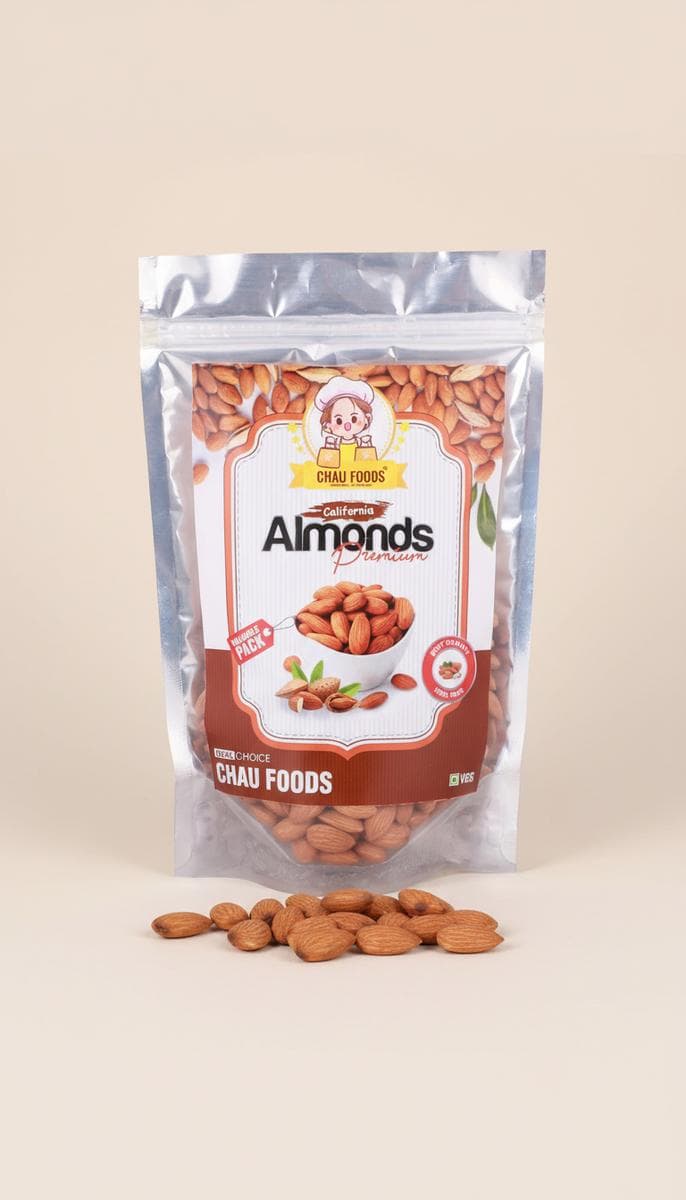
Almonds: Calcium + Protein + Vitamin E
100g of almonds provide:
Almonds also contain arginine, an amino acid that stimulates growth hormone release. A study in the Journal of the International Society of Sports Nutrition found that arginine supplementation increased resting GH levels by up to 100%.
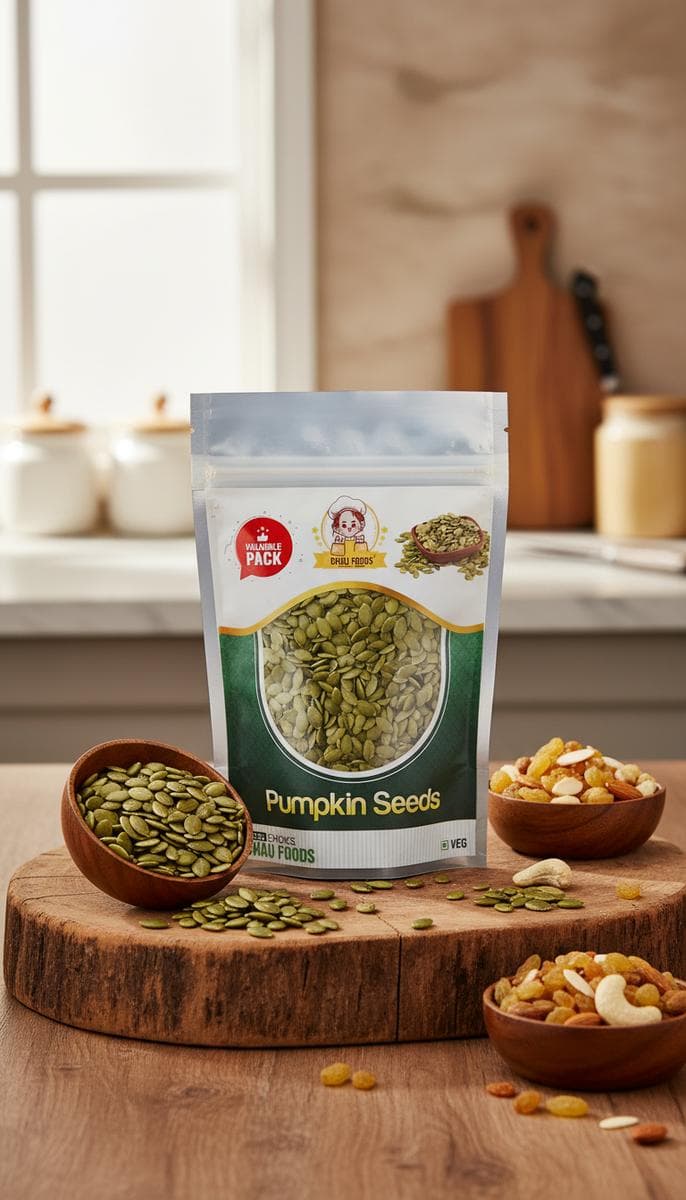
Pumpkin Seeds: The Zinc Powerhouse
Zinc is directly involved in growth plate function. A study in Pediatrics International found that zinc supplementation increased height velocity by 0.37 cm/month in zinc-deficient adolescents.
Pumpkin seeds provide 7.8mg zinc per 100g — making them one of the densest zinc sources available. They also provide:
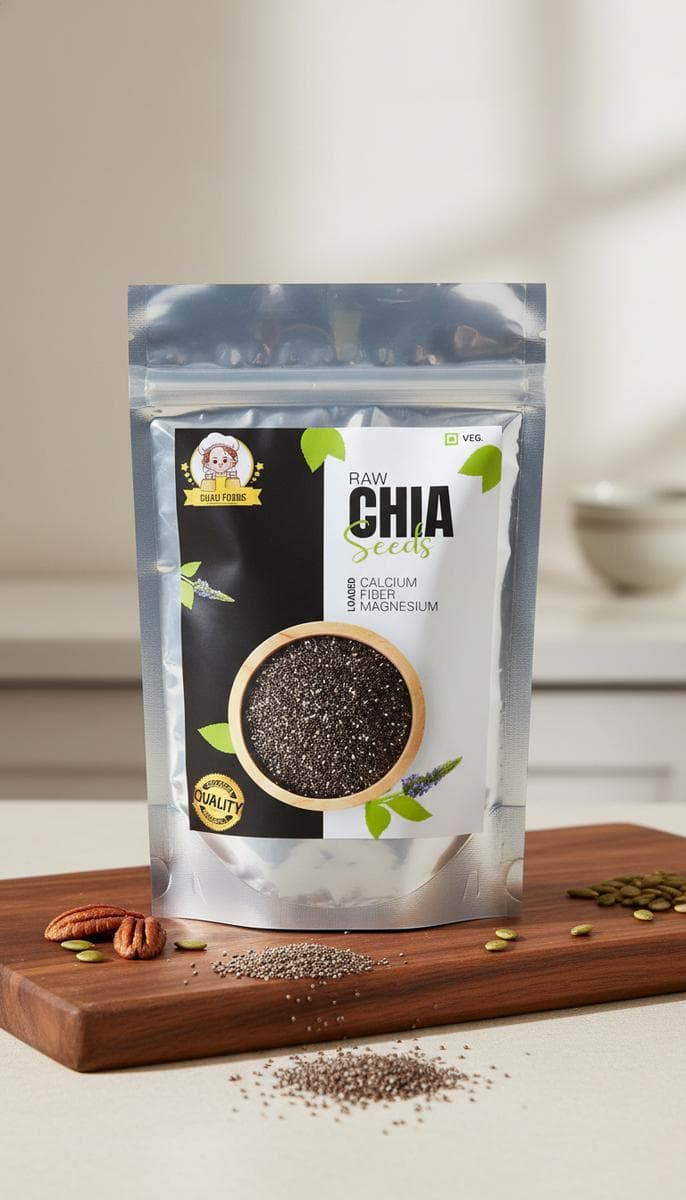
Chia Seeds: The Calcium Champion
Per 100g, chia seeds contain 631mg of calcium — more than milk (125mg per 100mL). They also provide:
Raisins: The Boron Source
Often overlooked, raisins contain boron — a trace mineral that enhances calcium absorption and increases vitamin D retention. Per 100g, raisins provide:
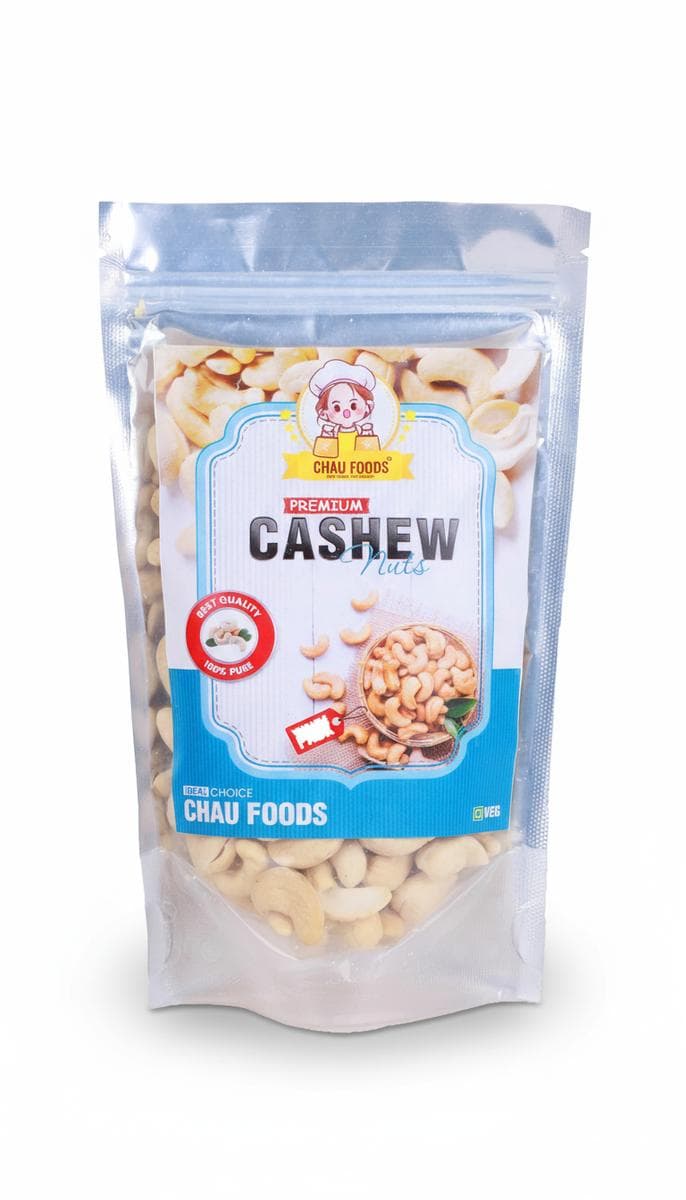
Cashews: Phosphorus + Magnesium
Bones are made of calcium phosphate. Without phosphorus, calcium cannot form bone. Cashews provide:
Your Daily Protocol
Morning (6:30 AM - After Waking)
Breakfast (7:30 AM)
Mid-Morning (10:30 AM)
Lunch (1:00 PM)
Evening (4:00-5:00 PM)
Dinner (7:30 PM)
Before Bed (9:30 PM)
Daily totals: 15-20 almonds, 3 tablespoons pumpkin seeds, 2 tablespoons chia seeds, 20-25 raisins, 8-10 cashews.
Realistic Timeline and Expectations
Be honest with yourself:
Ready-Made Solution
The specific nutrients for height — calcium, zinc, phosphorus, magnesium, and protein — are concentrated in nuts and seeds. Our Growth Kit provides the optimal daily combination of almonds, pumpkin seeds, chia seeds, raisins, and cashews in pre-measured portions designed for adolescents and young adults.
---
*Disclaimer: This article is for educational purposes only. Height is largely genetic, and no food can guarantee height increase after growth plate closure. Claims of dramatic height gains after 20 are typically misleading. Focus on reaching YOUR genetic potential through optimal nutrition. Consult an endocrinologist if you have concerns about growth.*
About the Author
Chau Foods Editorial Team
This guide is written and fact-checked by the Chau Foods editorial team — a small group of FSSAI-certified food specialists based in Rohini, Delhi. Led by founder Mohit, the team combines direct farm-sourcing experience (California almonds, Bihar makhana from Darbhanga & Madhubani, Kashmir walnuts, Kerala spices) with hands-on quality control at the Chau Foods packing facility. We publish only what we would feed our own families, cite Indian nutrition data where relevant, and refresh every article when sourcing, pricing, or health guidelines change.
- Credentials
- FSSAI Lic. 13321008000704
- Based in
- Rohini, Delhi · since 2020
- Rating
- 4.9/5 · 27+ Google reviews
Keep Exploring
Shop related collections and next steps
Use this guide to compare options, then move directly into the most relevant collection, brand story, or bulk-order path.
Dry Fruits Collection
Browse premium dry fruits and pantry-friendly staples selected for everyday snacking.
Shop the collectionWhy Chau Foods
Learn more about our sourcing, freshness standards, and the quality promises behind each product we ship.
Read our storyBulk & gifting help
Need larger quantities, office snacks, festive gifting, or repeat ordering support? Start with our bulk orders page.
Start a bulk enquiry