Why Is Your Blood Sugar High?
Blood sugar — or blood glucose — is the body's primary fuel source. When you eat carbohydrates, your digestive system breaks them down into glucose, which enters the bloodstream. In response, your pancreas releases insulin, a hormone that helps cells absorb this glucose for energy.
The problem begins when this system breaks down.
According to the Indian Council of Medical Research (ICMR), over 101 million Indians now live with diabetes, and another 136 million are prediabetic. These numbers have doubled in the last two decades, making India the diabetes capital of the world.
But what actually causes blood sugar to rise beyond healthy levels?
The Insulin Resistance Cycle
When you consistently eat high-glycemic foods — white rice, refined flour (maida), sugary drinks, processed snacks — your blood is flooded with glucose repeatedly. Your pancreas works overtime producing insulin. Eventually, your cells become "deaf" to insulin's signals. This is insulin resistance.
Your pancreas compensates by producing even more insulin. This works temporarily, but over time, the pancreas exhausts itself. Blood sugar stays elevated. You've entered prediabetes territory (fasting glucose 100-125 mg/dL) or full-blown Type 2 diabetes (126+ mg/dL).
The Indian Diet Problem
The traditional Indian thali has shifted dramatically in the last 50 years:
The National Institute of Nutrition (NIN), Hyderabad, reports that the average Indian diet now derives 65-70% of calories from carbohydrates — well above the recommended 50-55% for metabolic health.
Lifestyle Changes That Lower Blood Sugar
Before discussing food, understand that blood sugar management is a full-body effort.
Movement After Meals
Research published in the journal Diabetologia shows that a 15-minute walk after each meal reduces blood sugar spikes by 22% compared to a single 45-minute walk. Your muscles absorb glucose directly during exercise, bypassing the need for insulin.
Protocol: Walk for 10-15 minutes within 30 minutes of finishing a meal. Even slow walking at 3-4 km/hr is effective.
Sleep and Blood Sugar
A study from AIIMS Delhi found that sleeping less than 6 hours increases insulin resistance by 40% within just 4 days. Your body's cortisol rhythm depends on consistent sleep.
Protocol: Aim for 7-8 hours. Keep your bedroom dark and cool. Avoid screens 1 hour before bed.
Stress Management
Chronic stress elevates cortisol, which directly raises blood sugar. The ICMR-INDIAB study found that Indians with high perceived stress had 2.3x higher rates of prediabetes.
Protocol: 10 minutes of deep breathing or meditation daily. Box breathing (4-4-4-4 count) is particularly effective for cortisol reduction.
Diet Changes for Blood Sugar Control
The Plate Method (Indian Adapted)
The American Diabetes Association's plate method, adapted for Indian meals:
Glycemic Index Matters
Choose foods with a Glycemic Index (GI) below 55:
| Food | GI Score |
|------|----------|
| White rice | 73 |
| Brown rice | 50 |
| Jowar roti | 44 |
| Rajma | 29 |
| Moong dal | 38 |
Meal Timing
Research from the Journal of Clinical Endocrinology shows that eating dinner before 7:30 PM and maintaining a 12-hour overnight fast improves insulin sensitivity by 36%.
The Natural Food Solution
While the dietary framework above is essential, certain specific foods have been extensively studied for their blood-sugar-lowering properties. Among the most researched are nuts and seeds — and the evidence is compelling.
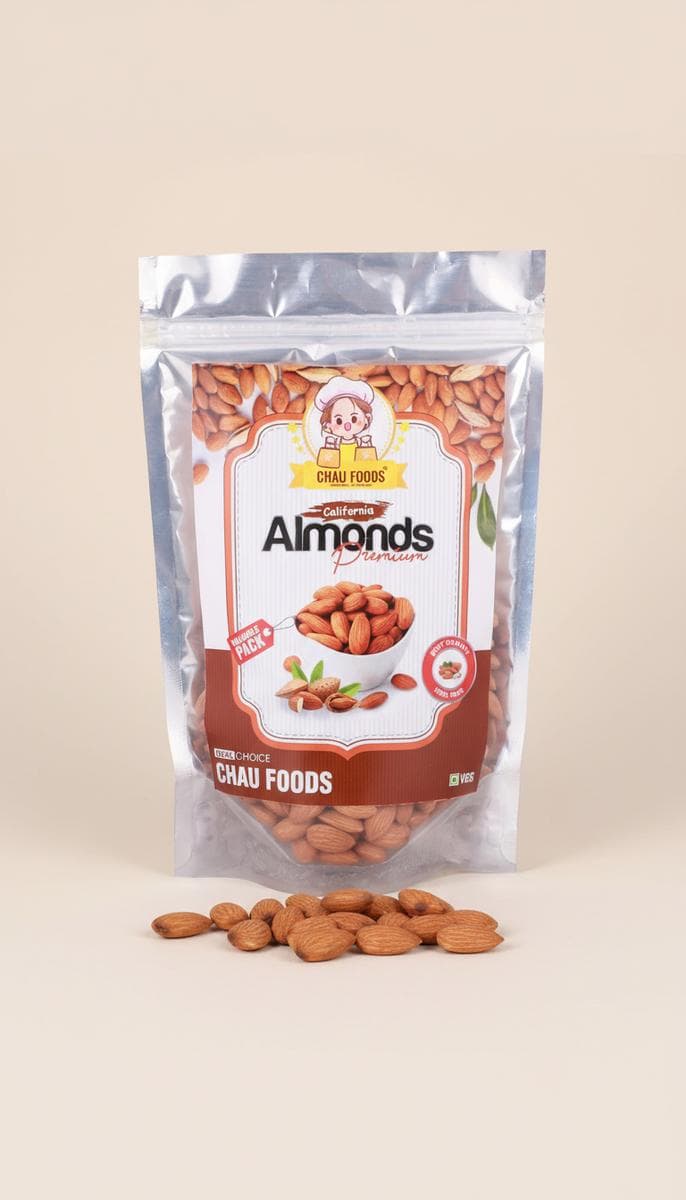
Almonds and Blood Sugar
A landmark study published in Metabolism: Clinical and Experimental found that consuming 60g of almonds daily reduced fasting glucose by 9% and HbA1c by 4% over 24 weeks. Almonds contain 21.2g of protein per 100g and are rich in magnesium (268mg per 100g) — a mineral directly involved in insulin signaling.
The mechanism: almonds' combination of healthy fats, fiber (12.5g per 100g), and protein slows gastric emptying, preventing post-meal glucose spikes.
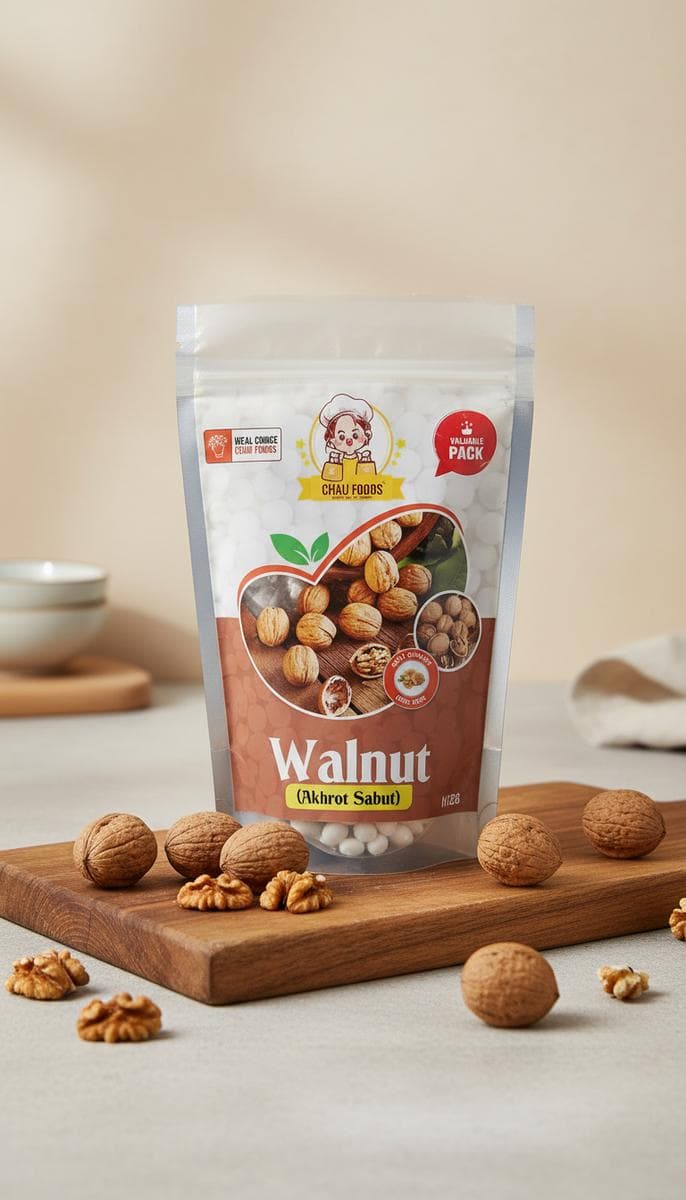
Walnuts and Insulin Sensitivity
Harvard's Nurses' Health Study, tracking over 137,000 women, found that consuming walnuts 2+ times per week reduced Type 2 diabetes risk by 24%. Walnuts contain alpha-linolenic acid (ALA), an omega-3 fatty acid that improves cell membrane fluidity, making cells more responsive to insulin.
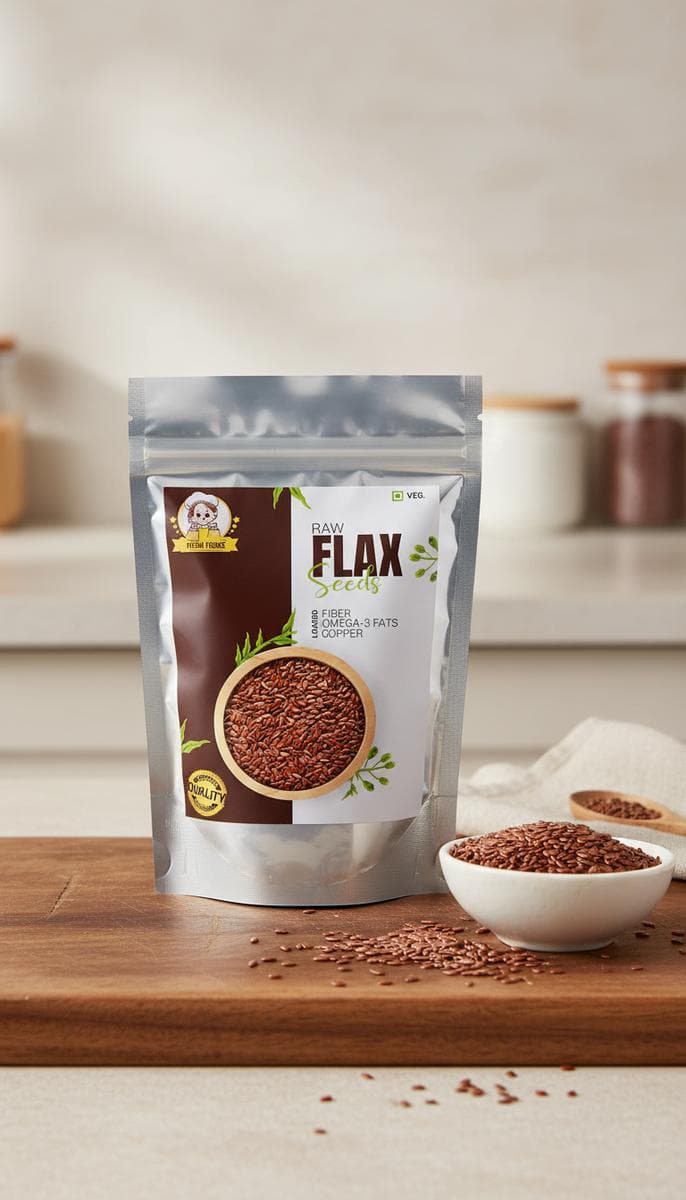
Flax Seeds: The Fiber Powerhouse
Flax seeds contain 27.3g of fiber per 100g — one of the highest fiber concentrations of any food. A study in the Journal of Dietary Supplements found that 10g of flax seed powder daily reduced fasting glucose by 19.7% in Type 2 diabetics over one month.
The soluble fiber in flax seeds forms a gel in the gut, physically slowing glucose absorption.
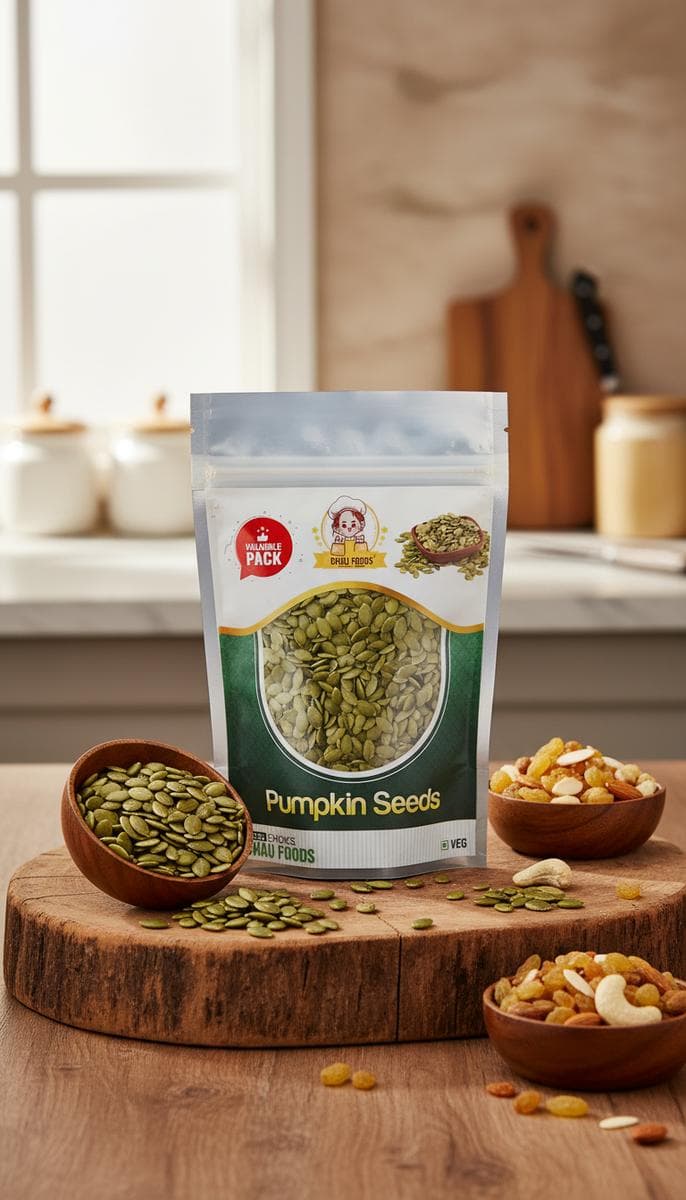
Pumpkin Seeds and Magnesium
Pumpkin seeds provide 592mg of magnesium per 100g. Research in Diabetes Care shows that every 100mg increase in daily magnesium intake reduces diabetes risk by 15%. Most Indians are magnesium deficient — NIN data shows average intake is just 228mg against a recommended 400mg.
Your Daily Protocol
Here is a practical daily plan incorporating these blood-sugar-friendly foods:
Morning (6:00-7:00 AM)
Breakfast (7:30-8:00 AM)
Mid-Morning Snack (10:30 AM)
Lunch (12:30-1:00 PM)
Evening Snack (4:00 PM)
Dinner (7:00-7:30 PM)
Before Bed (9:30 PM)
Daily totals: 20-25 almonds, 4 walnut halves, 2 tablespoons pumpkin seeds, 2 tablespoons ground flax seeds.
What to Expect
Blood sugar changes don't happen overnight. Based on clinical research:
Track your progress with a glucometer. Test fasting glucose and 2-hour post-meal glucose.
Ready-Made Solution
If sourcing individual high-quality nuts and seeds feels overwhelming, we've created a pre-portioned combo specifically designed for blood sugar support. Each ingredient is selected based on the research above, in the exact proportions recommended.
---
*Disclaimer: This article is for educational purposes only and is not medical advice. If you have diabetes or prediabetes, consult your doctor or a registered dietitian before making dietary changes. Never discontinue prescribed medication without medical supervision.*
About the Author
Chau Foods Editorial Team
This guide is written and fact-checked by the Chau Foods editorial team — a small group of FSSAI-certified food specialists based in Rohini, Delhi. Led by founder Mohit, the team combines direct farm-sourcing experience (California almonds, Bihar makhana from Darbhanga & Madhubani, Kashmir walnuts, Kerala spices) with hands-on quality control at the Chau Foods packing facility. We publish only what we would feed our own families, cite Indian nutrition data where relevant, and refresh every article when sourcing, pricing, or health guidelines change.
- Credentials
- FSSAI Lic. 13321008000704
- Based in
- Rohini, Delhi · since 2020
- Rating
- 4.9/5 · 27+ Google reviews
Keep Exploring
Shop related collections and next steps
Use this guide to compare options, then move directly into the most relevant collection, brand story, or bulk-order path.
Almond Collection
Browse daily-use almonds, premium badam picks, and related dry fruit options.
Shop the collectionWhy Chau Foods
Learn more about our sourcing, freshness standards, and the quality promises behind each product we ship.
Read our storyBulk & gifting help
Need larger quantities, office snacks, festive gifting, or repeat ordering support? Start with our bulk orders page.
Start a bulk enquiry