The PCOS Epidemic & How Nutrition Actually Helps
1 in 5 Indian women have PCOS (Polycystic Ovary Syndrome) — most are told to take metformin, accept irregular cycles, and hope for weight loss without explanation of why. What doctors rarely emphasize: PCOS is primarily an insulin-resistance disorder, and nutrition directly addresses the root cause better than most medications.
The good news? Dry fruits and seeds naturally balance hormones through mechanisms that improve insulin sensitivity, regulate estrogen metabolism, and reduce inflammation. This guide reveals the exact 8 dry fruits/seeds proven to work in PCOS, including seed cycling (a cyclical approach that works with your body), which foods to avoid, and a practical daily protocol that produces results in 8-12 weeks.
How PCOS Happens (The Insulin Connection)
PCOS typically develops this way:
Traditional treatment: Metformin (improves insulin sensitivity) + hormonal birth control (masks symptoms).
Better approach: Address the root cause through food. Certain dry fruits and seeds actually improve insulin sensitivity without medication side effects.
The 8 Best Dry Fruits & Seeds for PCOS (Ranked by Hormonal Impact)
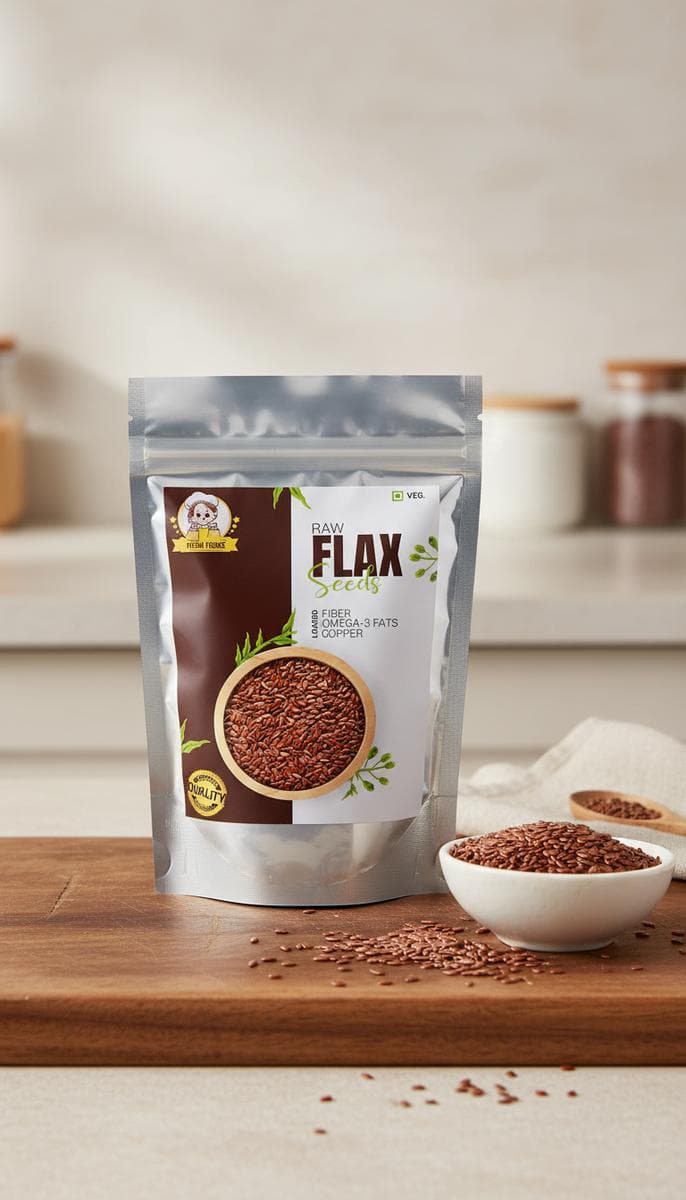
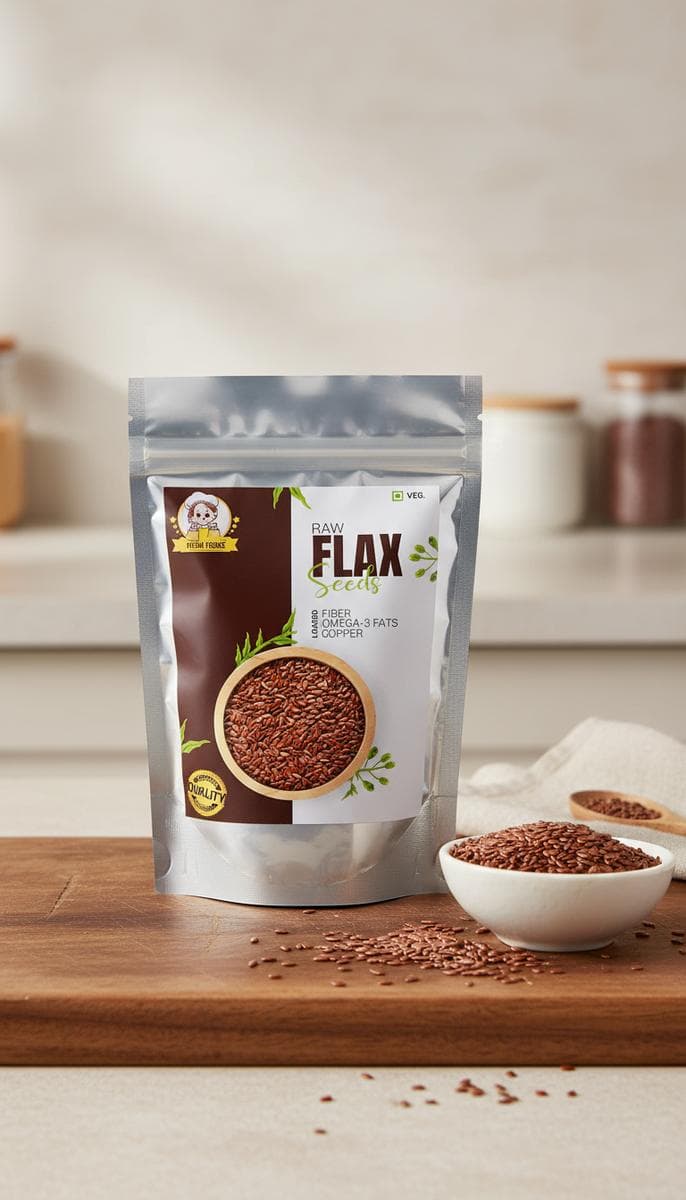
1. Flax Seeds (Alsi) — The Estrogen Balancer
Hormonal impact: Highest in lignans (polyphenol compounds that modify estrogen metabolism). High estrogen is often the culprit in PCOS-driven acne and irregular cycles.
The science: Lignans bind excess estrogen in the gut, preventing reabsorption (estrobolus). A study of 32 PCOS women found that 30g flax seeds daily for 12 weeks reduced testosterone by 17% and improved cycle regularity in 67% of participants.
Daily dose: 2 tablespoons (20-30g) raw flax seeds, ground fresh (whole seeds pass undigested)
How to eat: Add to morning oatmeal, yogurt, or blend into smoothies. Grind fresh (pre-ground oxidizes within 2 weeks).
Important: Store in fridge after grinding. Flax oil oxidizes quickly at room temperature.
Synergy: Pair with nuts for better absorption (fat-soluble lignans).
Timeline: 6-8 weeks for hormone level changes, 10-12 weeks for noticeable cycle improvement.
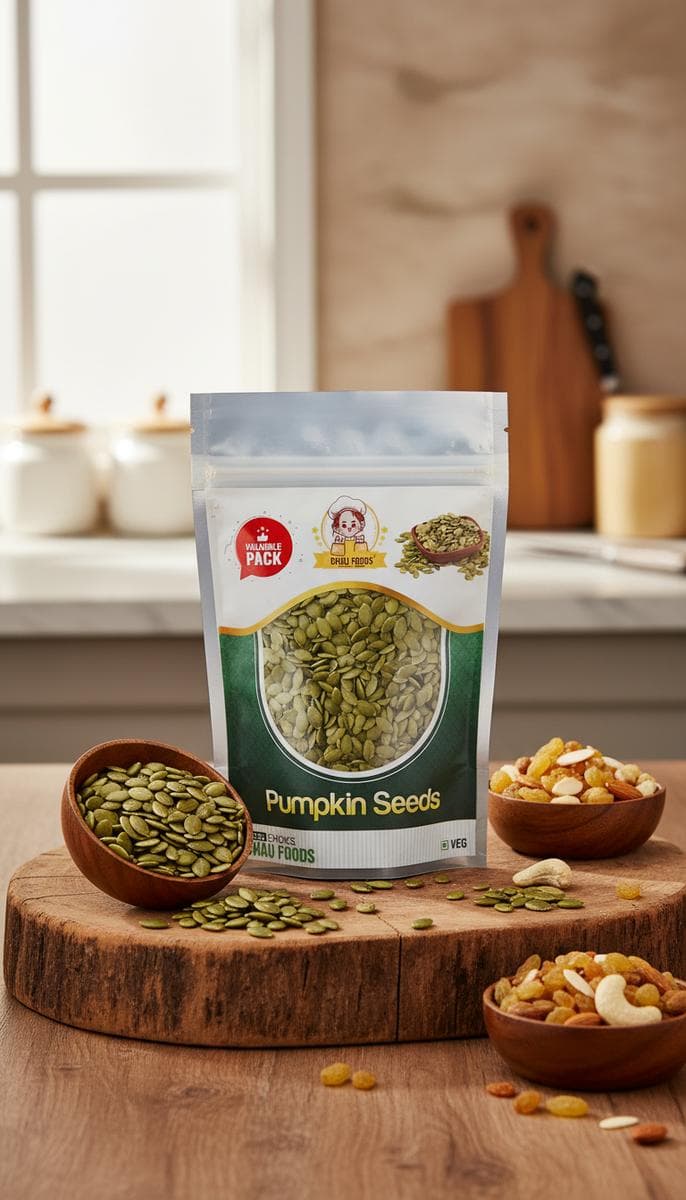
2. Pumpkin Seeds (Petha Beej) — The Androgen Reducer
Hormonal impact: 8.5mg zinc per 100g. Zinc is critical for healthy hormone metabolism — low zinc = excess androgens = facial hair, acne, hair loss in PCOS.
The research: A Tehran study of 50 PCOS women found that those eating 40g pumpkin seeds daily for 12 weeks showed:
Daily dose: 30-40g (about 3 tablespoons raw)
How to eat: Roast lightly at home (no salt, no oil — maintain nutrient profile). Add to salads, mix with yogurt, or eat as standalone snack.
Best timing: Post-lunch (1-2 PM) when insulin sensitivity naturally dips — pumpkin seeds improve insulin handling.
Caution: Don't roast at high temperature (>150°C) — damages zinc.
Timeline: 4-6 weeks for hormone reduction, 10-12 weeks for visible skin improvement.
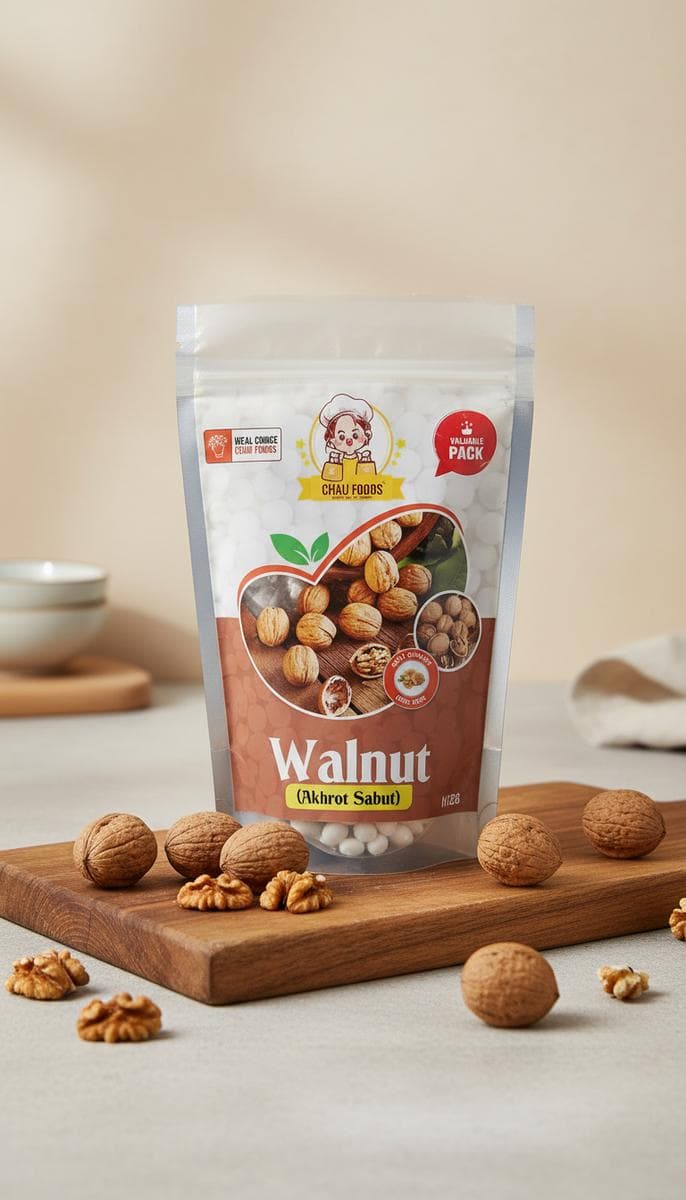
3. Walnuts (Akhrot) — The Inflammation Fighter
Hormonal impact: 2.5g ALA omega-3 per 100g. Omega-3s reduce systemic inflammation, which drives PCOS progression. High inflammation = higher testosterone, worse insulin resistance.
The science: Omega-3s suppress pro-inflammatory cytokines (TNF-alpha, IL-6) that are elevated in PCOS. A Norwegian study found that omega-3 supplementation improved menstrual regularity in 72% of PCOS women.
Daily dose: 42g (about 14 walnut halves)
How to eat: Add to breakfast (oatmeal, yogurt), mid-morning snack, or salads. Never roasted — heat damages omega-3s.
Pairing magic: Walnuts + flax seeds = maximum anti-inflammatory impact.
Timeline: 4 weeks for inflammation markers to improve (measurable via CRP blood test), 8 weeks for cycle improvements.
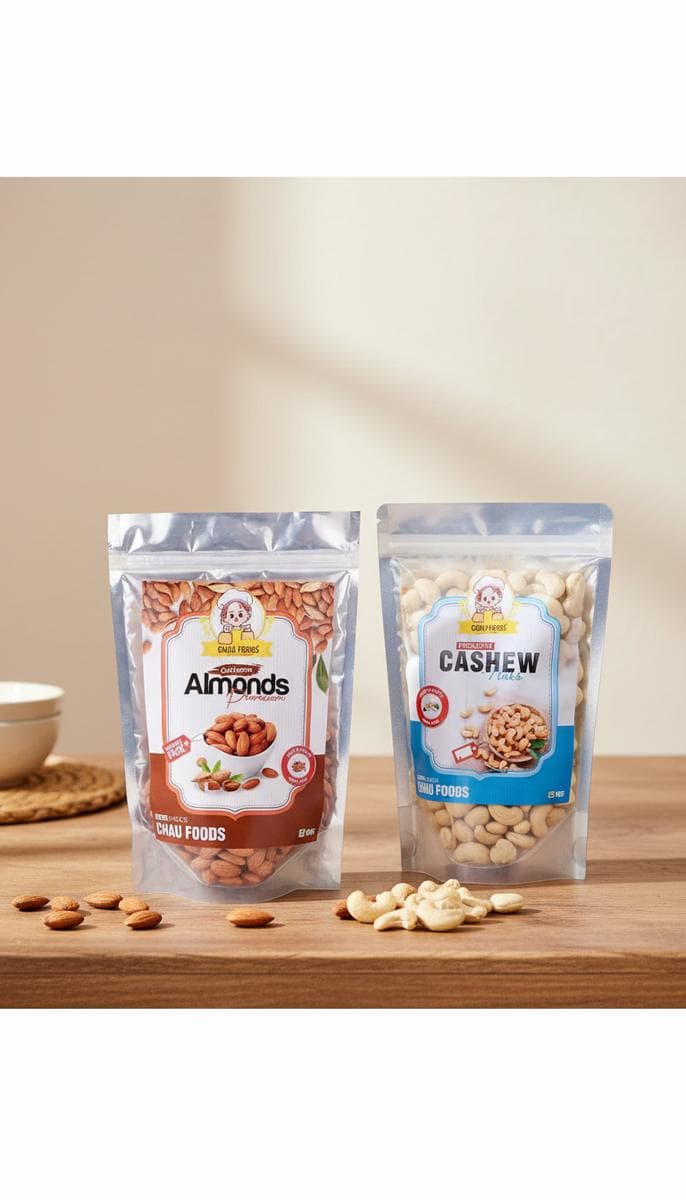
4. Almonds (Badam) — The Magnesium & Vitamin E Provider
Hormonal impact: 256mg magnesium per 100g. Low magnesium is nearly universal in PCOS and directly causes insulin resistance and irregular cycles.
The mechanism: Magnesium activates insulin receptor proteins. Low magnesium = insulin resistance even if you eat right.
How much: 10-12 soaked almonds daily
Why soaked: Removes phytic acid (which blocks magnesium absorption). Soaked almonds have 30% higher bioavailable magnesium.
Timeline: 2-3 weeks for magnesium levels to improve, 6-8 weeks for noticeable cycle regulation.
Bonus: Vitamin E in almonds (25% daily value per 100g) also reduces androgens via estrogen receptor modulation.
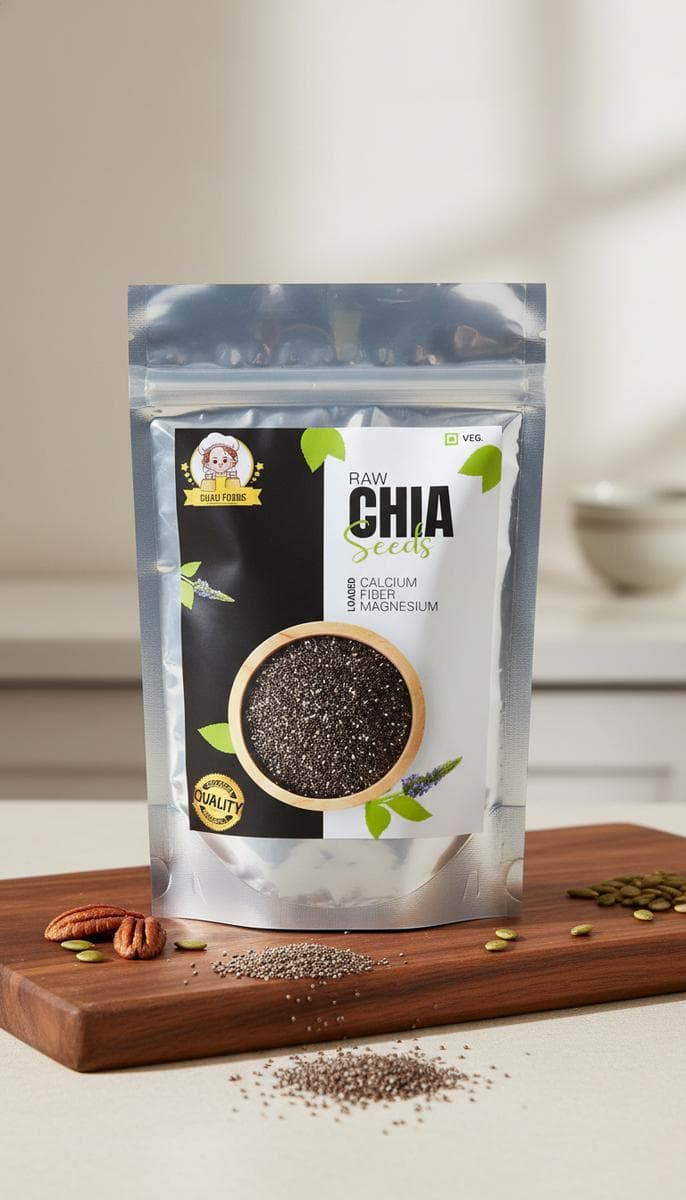
5. Chia Seeds (Chia Beej) — The Fiber & Omega-3 Powerhouse
Hormonal impact: 10g fiber per 28g (one of the highest fiber sources). Fiber regulates estrobolus (estrogen reabsorption). High fiber = lower circulating estrogen.
Daily dose: 15-20g (about 1 tablespoon) soaked in water or milk
How to eat: Soak 10 mins, then drink (creates gel texture). Add to smoothies or yogurt.
Synergy: Chia + flax = maximum estrogen regulation. Wondering which seed to prioritise for your PCOS protocol? Our chia seeds vs flax seeds comparison covers the differences in omega-3, fiber, and hormonal impact.
Timeline: 3-4 weeks for fiber benefits (improved digestion, cycle regularity), 8+ weeks for hormone level changes.
Note: Chia seeds also improve hydration and energy — important because PCOS often causes fatigue.
6. Sesame Seeds (Til) — The Lignin & Calcium Duo
Hormonal impact: Lignans (similar to flax) + 975mg calcium per 100g. Calcium deficiency is linked to irregular cycles and higher testosterone.
Daily dose: 15g (about 1 tablespoon) raw or lightly roasted
How to eat: Sprinkle on salads, mix into yogurt, or add to breakfast. Tahini (sesame paste) is acceptable but less nutrient-dense.
Timing: Morning (with breakfast) for calcium absorption (works best with Vitamin D source like sunlight).
Timeline: 6-8 weeks for hormonal improvements.
7. Dates (Khajur) — The Balanced Carb & Iron Provider
Hormonal impact: 3.39mg iron per 100g (PCOS women are often anemic). Anemia worsens insulin resistance. Dates also have a low glycemic load (despite high sugars) because of fiber + mineral content.
Daily dose: 2-3 dates
How to eat: Pair with almonds or seeds (slows sugar absorption). Soak in warm milk with cardamom (traditional PCOS remedy).
Best timing: Pre-workout (30 mins before exercise) — provides energy without insulin spike when paired with protein/fat.
Timeline: 4-6 weeks for energy/iron benefits, 8-12 weeks for hormonal improvements.
8. Dried Figs (Anjeer) — The Mineral & Fiber Specialist
Hormonal impact: 62mg magnesium + 3.3mg iron + high fiber. Works similarly to almonds for magnesium but with additional iron benefits.
Daily dose: 2-3 figs (40g)
How to eat: Soak overnight (makes them easier to digest). Eat in morning or afternoon.
Storage: Keep in fridge — figs spoil quickly.
Timeline: 3-4 weeks for initial benefits, 8 weeks for full hormonal impact.
Seed Cycling for PCOS (Advanced Protocol)
Seed cycling works with your menstrual cycle (or estimated cycle if irregular) to support different hormones in each phase:
Follicular Phase (Days 1-14): Estrogen-building
Ovulation Phase (Days 14-18): Estrogen-peak + Progesterone support
Luteal Phase (Days 18-28): Progesterone support
Menstrual Phase (Days 1-5, overlap with follicular): Rest + Iron
Why it works: Different phases require different micronutrients. Cycling matches nutrition to hormonal needs.
Timeline for seed cycling: 3 full cycles (3 months) before benefits compound. Most women report improved energy, mood, and cycle regularity by month 2-3.
Your Daily PCOS Hormonal Protocol (Without Seed Cycling)
7 AM (Estrogen regulation):
10:30 AM (Inflammation reduction):
2 PM (Androgen reduction):
Evening (6 PM, Magnesium & calm):
Optional 8 PM (Fiber boost):
Total daily intake: 120-150g seeds/nuts (~700 calories, all PCOS-focused)
Foods to Avoid with PCOS (Hormone Disruptors)
Avoid these aggressively:
Timeline: When You'll See PCOS Improvements
Week 2-3: Better energy, improved mood, less bloating
Week 4-6: Clearer skin (reduced acne), less facial hair growth
Week 6-8: Improved cycle regularity (slightly shorter, lighter cycles)
Week 8-12: Measurable hormone changes (lower testosterone, better insulin sensitivity if tested)
Month 4-6: Weight loss becomes easier (insulin resistance improves), hair loss reduces, fertility improves
Pro tip: Get hormonal blood work done before starting (baseline testosterone, insulin fasting, LH/FSH ratio). Retest at 3 months to document improvement.
PCOS & Fertility (Special Section)
For women with PCOS trying to conceive:
Ayurvedic Angle: PCOS as Kapha Imbalance
Ayurveda classifies PCOS as excess Kapha (stagnation, heaviness) + Vata (irregular cycles). The remedy: warming spices (turmeric, ginger) + dry, warming seeds (flax, sesame, pumpkin). This aligns perfectly with modern PCOS nutrition.
FAQs: Dry Fruits, Seeds & PCOS
Q: Can diet alone cure PCOS?
A: Diet addresses the root cause (insulin resistance) in 60-70% of cases. For remaining 30%, medication + diet combined works best. Always work with an endocrinologist.
Q: How long until I stop needing metformin?
A: 3-6 months of consistent protocol often allows dose reduction. Talk to your doctor before changing medication.
Q: Is weight loss necessary for PCOS improvement?
A: Weight loss helps, but hormonal improvement happens first via nutrition. Many women report improved cycles before significant weight loss. If weight loss is a goal alongside hormonal balance, check out the best dry fruits for weight loss — several overlap with PCOS-friendly options.
Q: Can I do seed cycling if my cycles are irregular?
A: Yes. Estimate a 28-day cycle. After 2-3 months of seed cycling, many women's cycles regulate enough to follow a true cycle.
Q: Are processed seed products (tahini, seed butters) okay?
A: Less optimal than whole seeds. Processing heats seeds, damaging some nutrients. Whole seeds > seed butters > seed oils.
Q: What if I'm allergic to seeds?
A: Focus on almonds, walnuts, and dates. Not identical but provides magnesium + omega-3s + minerals. Consult allergist.
Q: Can men eat these seeds for hormonal health?
A: Yes! Pumpkin + flax + walnuts benefit men too (improve testosterone, reduce inflammation). Same protocol works for both genders.
Try Our Health Combos
Get a scientifically curated daily mix designed for hormonal balance & skin:
Browse all 28 Health Combos
About the Author
Chau Foods Editorial Team
This guide is written and fact-checked by the Chau Foods editorial team — a small group of FSSAI-certified food specialists based in Rohini, Delhi. Led by founder Mohit, the team combines direct farm-sourcing experience (California almonds, Bihar makhana from Darbhanga & Madhubani, Kashmir walnuts, Kerala spices) with hands-on quality control at the Chau Foods packing facility. We publish only what we would feed our own families, cite Indian nutrition data where relevant, and refresh every article when sourcing, pricing, or health guidelines change.
- Credentials
- FSSAI Lic. 13321008000704
- Based in
- Rohini, Delhi · since 2020
- Rating
- 4.9/5 · 27+ Google reviews
Keep Exploring
Shop related collections and next steps
Use this guide to compare options, then move directly into the most relevant collection, brand story, or bulk-order path.
Seeds Collection
Discover chia, flax, pumpkin, and mix-seed staples for everyday use.
Shop the collectionWhy Chau Foods
Learn more about our sourcing, freshness standards, and the quality promises behind each product we ship.
Read our storyBulk & gifting help
Need larger quantities, office snacks, festive gifting, or repeat ordering support? Start with our bulk orders page.
Start a bulk enquiryWant to Buy in Bulk?
Get wholesale prices for premium dry fruits delivered to your doorstep.
FSSAI Certified| 500+ Business Partners| Pan-India Delivery