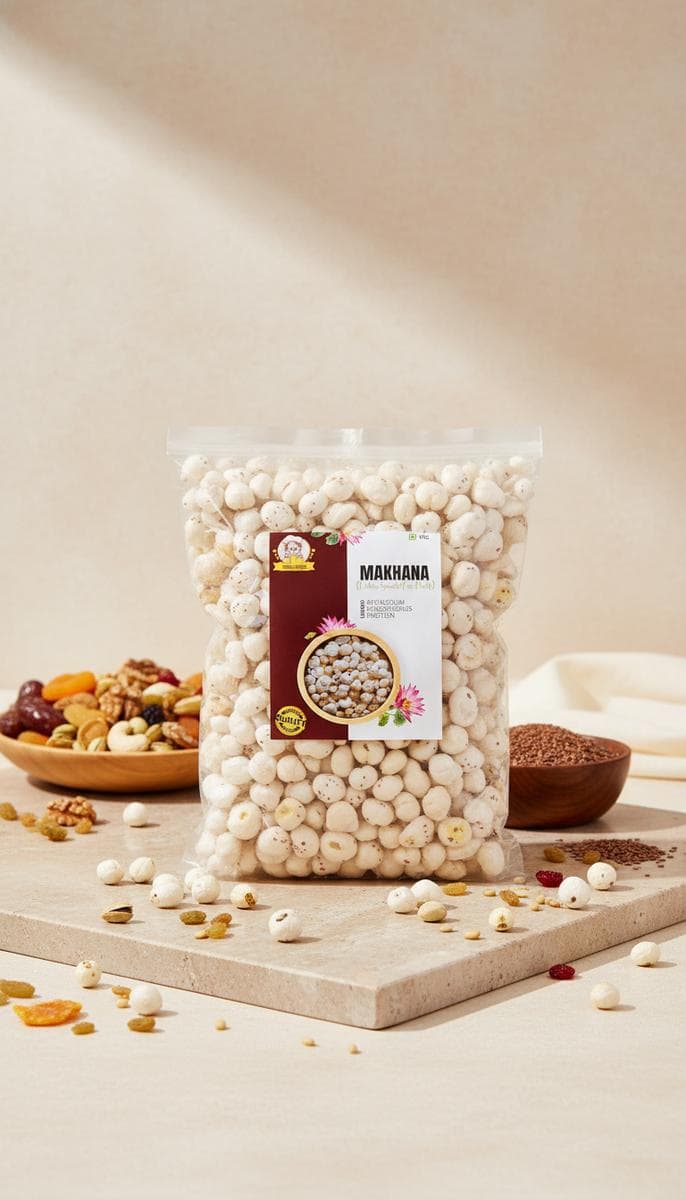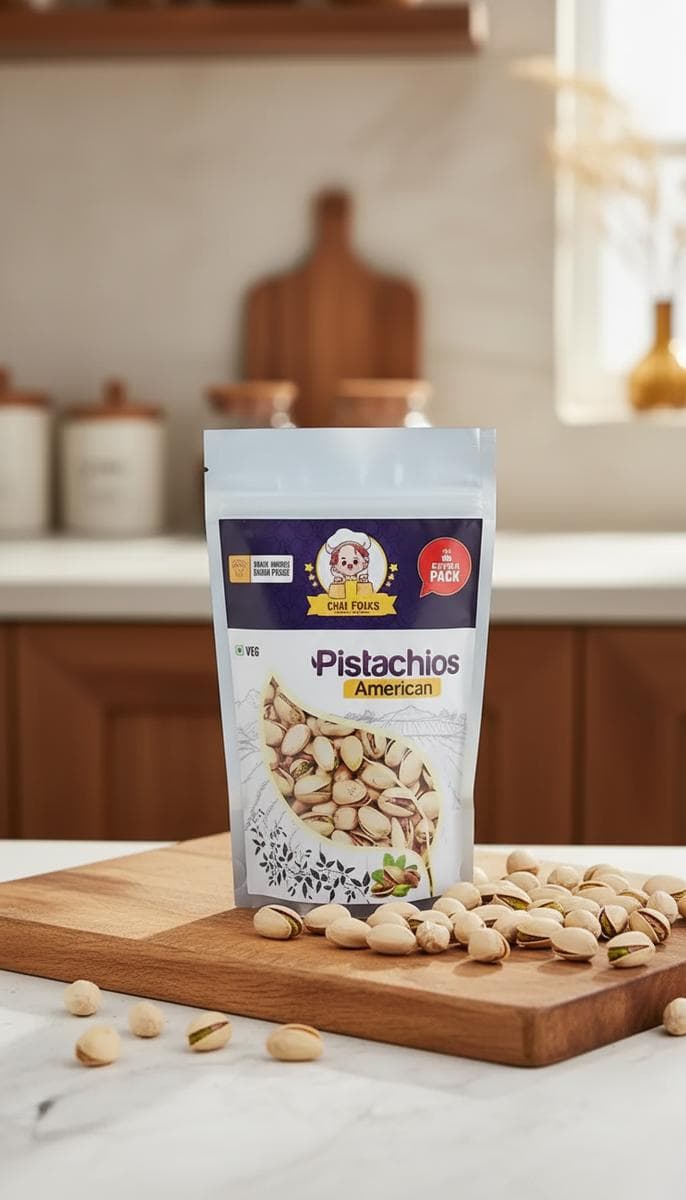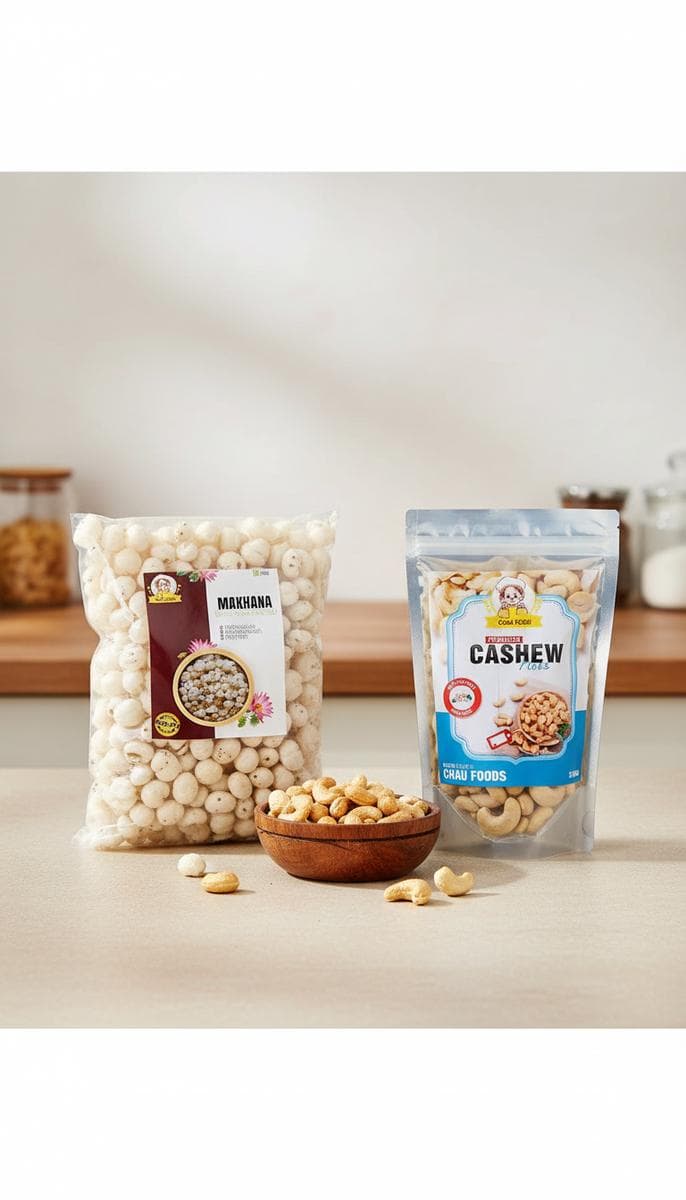
Buy online
Freshly packed, delivered in 3 to 5 days
Free delivery on orders ₹399+ · Cash on Delivery available
Why Buying Dry Fruits Online Needs a Checklist
Ordering dry fruits online has exploded in India - from Amazon and Flipkart to quick-commerce apps and D2C brands. But here is the problem: not every pack that says "premium" actually is premium.
Dry fruits are expensive. A family that buys almonds, cashews, makhana, and seeds regularly can easily spend ₹2,000-4,000 per month. At that price, you deserve to know exactly what you are getting - how fresh it is, where it was sourced, and whether the price is fair.
This guide breaks down the 7 most important things to check before you click "Buy Now" on any dry fruits order. Whether you are shopping on a quick-commerce app, a marketplace, or a direct brand website - these checks apply everywhere.
1. Check the Packaging Date - Not Just Expiry Date
Featured Product
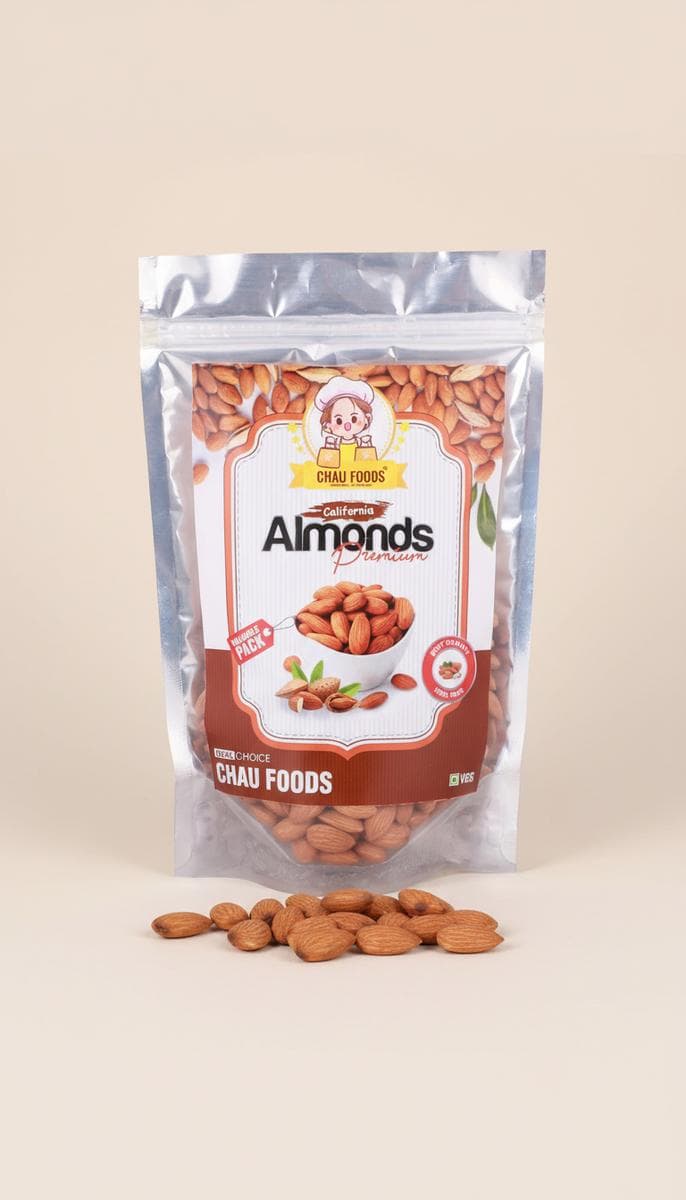
Premium California Almonds 🇺🇸
Premium California almonds — 21g protein, Vitamin E rich, ideal for daily soaking & snacking
✓ FSSAI certified · Free delivery ₹399+
This is the single most overlooked detail. Most buyers glance at the expiry date and assume everything is fine. But a pack with an expiry date of December 2026 could have been packed in January 2025 - meaning it has been sitting on a shelf or in a warehouse for over a year.
What to look for:
- The date of packaging or MFG date printed on the pack
- Ideally, the pack should be less than 30-60 days old from manufacture
- If only the expiry date is visible and no packaging date is mentioned, that is a red flag
Why it matters for dry fruits specifically: Almonds, cashews, and seeds contain natural oils that oxidise over time. Even sealed packs lose crunch, flavour, and nutritional value after 3-4 months. Makhana is even more sensitive - it can go stale in weeks if not packed properly.
2. Verify the FSSAI Licence Number
Every food product sold in India - online or offline - must carry an FSSAI licence number. This is not optional. It is a legal requirement under the Food Safety and Standards Act, 2006.
What to check:
- A 14-digit FSSAI licence number should be clearly printed on the packaging
- You can verify it at foscos.fssai.gov.in - enter the number and check if the licence is active and matches the brand
- Be cautious of sellers who only show a "registration" (which has lower compliance requirements than a full licence)
Why it matters: An FSSAI licence means the facility has been inspected for hygiene, storage conditions, and food safety standards. Without it, you have zero guarantee about what went into that pack or how it was handled.
3. Calculate the Per-Kg Price - Small Packs Can Be Deceptive
A ₹149 pack of almonds sounds affordable. But check the weight - it might be just 100g. That is ₹1,490 per kg, which is significantly above market rate for standard California almonds.
Quick price math you should do:
- Take the MRP and divide by the weight in grams
- Multiply by 1000 to get the per-kg rate
- Compare across 2-3 sellers before buying
Typical fair per-kg ranges (April 2026):
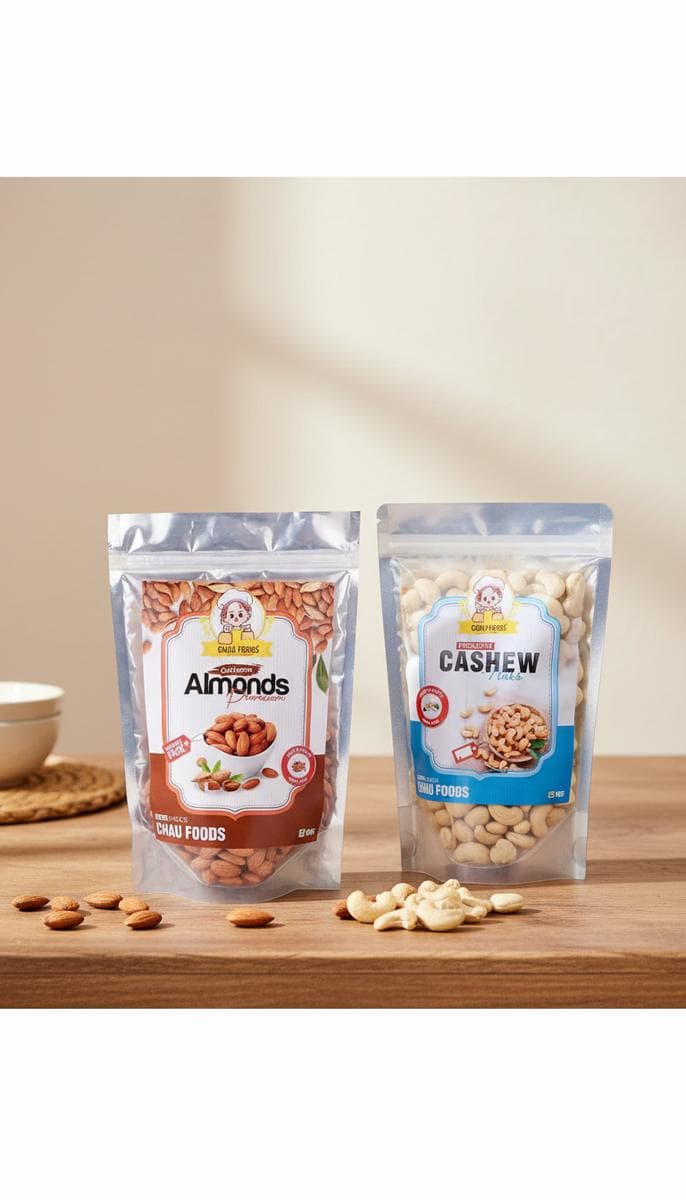
- California Almonds: ₹1,600-1,900/kg
- W320 Cashews: ₹1,700-2,100/kg
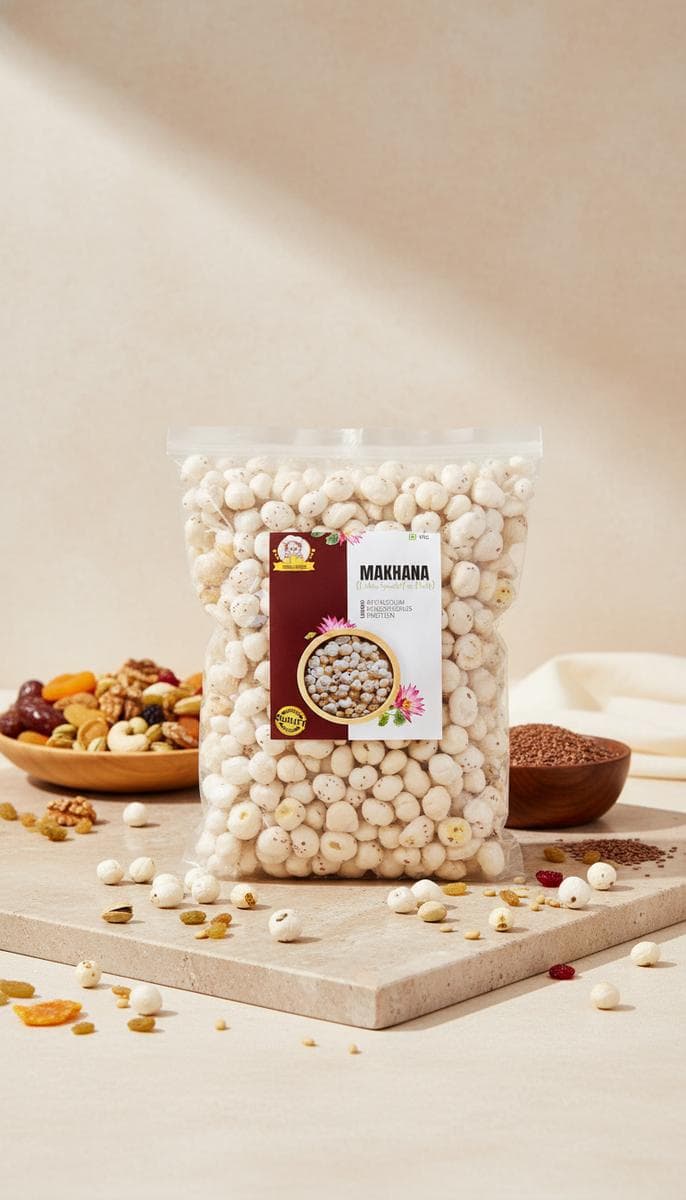
- Premium Makhana: ₹1,600-2,000/kg
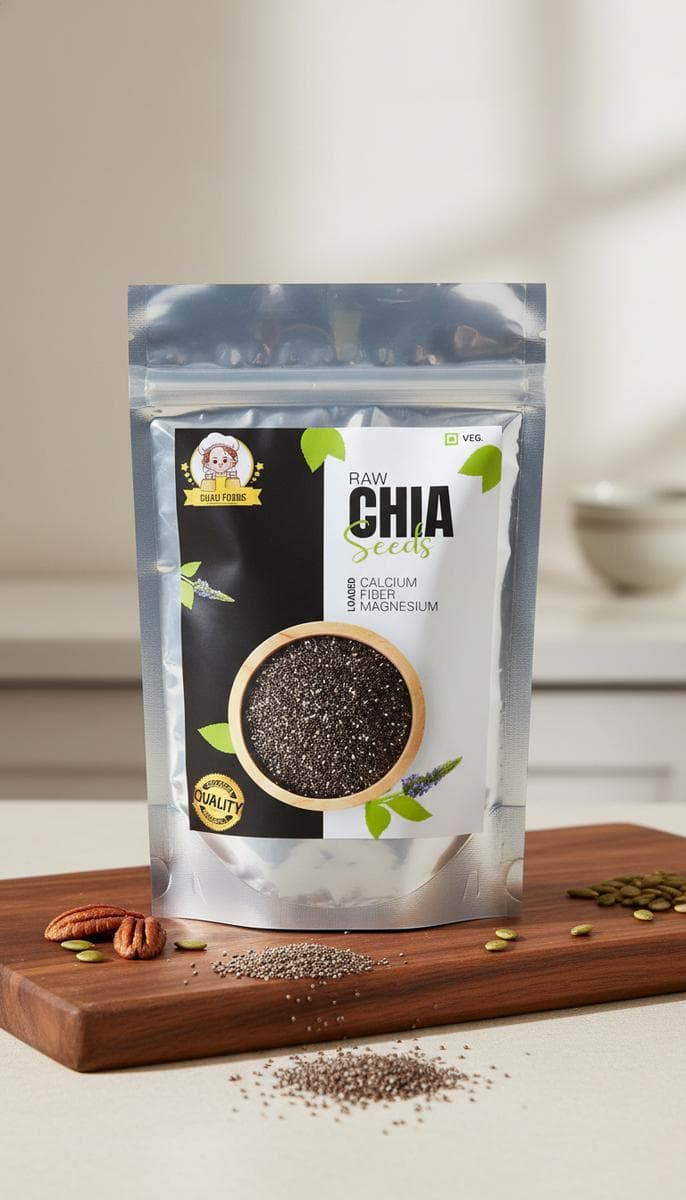
- Chia Seeds: ₹1,000-1,400/kg
- Pumpkin Seeds: ₹1,200-1,600/kg
If you are paying significantly above these ranges, you are likely paying a premium for packaging and convenience - not for better quality. Buying in 200g-1kg packs from direct brands almost always gives you a better per-gram price than buying 100g packs from quick-delivery platforms.
4. Look for Sourcing Information
Featured Product
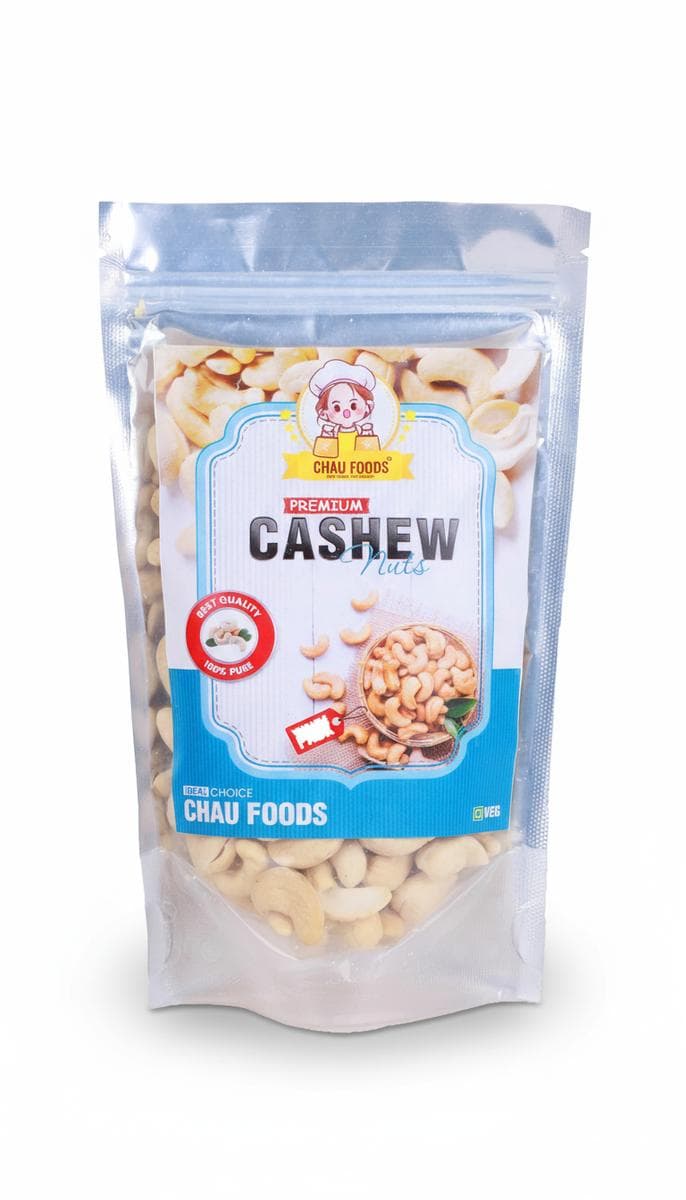
Premium W240 Cashews 🇮🇳
W240 jumbo-grade whole cashews — 18g protein, creamy, crunchy & unbroken, perfect for snacking & cooking
✓ FSSAI certified · Free delivery ₹399+
Premium dry fruits come from specific regions known for quality:
- Almonds: California (USA) for standard, Mamra from Iran or Afghanistan for traditional preference
- Cashews: Goa, Kerala, or Maharashtra (W180, W240, W320 grades)
- Makhana: Bihar - Darbhanga, Madhubani, Purnia (graded by suta size: 4-suta to 7-suta)
- Chia Seeds: India (Rajasthan, MP) or imported from Mexico/Bolivia
- Pumpkin Seeds: GWS (Grown Without Shell) variety from UP, China, or Austria
What to check:
- Does the brand mention where the product is sourced from?
- Is the grade specified (e.g., W320 cashews, 4+ suta makhana)?
- Generic descriptions like "premium quality" without any sourcing detail usually mean bulk commodity stock
A brand that tells you the origin and grade is more likely to have direct sourcing relationships - which means fresher stock and better quality control.
5. Inspect Packaging Quality and Sealing
Dry fruits are hygroscopic - they absorb moisture from the air. Improper packaging leads to:
- Makhana losing its crunch within days
- Cashews developing a rubbery texture
- Seeds going rancid faster
- Almonds tasting bitter
What good packaging looks like:
- Zip-lock or resealable pouches - so you can keep the remaining stock fresh after opening
- Opaque or foil-lined bags - light degrades vitamins and accelerates rancidity
- Nitrogen-flushed packs - the gold standard; removes oxygen to prevent oxidation (some premium brands mention this)
- No punctures, tears, or loose seals - check immediately on delivery
If the product arrives in a thin transparent bag with a simple heat seal, the shelf life and freshness will be compromised regardless of how good the dry fruits were at the time of packing.
6. Read Reviews - But Read the Right Ones
Star ratings alone are unreliable. A product with 4.3 stars and 5,000 reviews might still disappoint you. Here is how to filter reviews effectively:
Look for reviews that mention:
- Freshness and crunch - especially for makhana and seeds
- Size and quality of individual pieces (broken almonds and cashew pieces are common complaints)
- Match between listing photos and actual product - some sellers use stock images
- Packaging condition on delivery - crushed boxes, open seals
- Repeat purchase comments - "bought for the 3rd time" indicates consistent quality
Ignore reviews that are:
- One-word ("good", "nice") with 5 stars - often incentivised
- Focused only on delivery speed - tells you nothing about product quality
- Written on day 1 - dry fruit quality shows over a few days of use
7. Check Return and Refund Policy
This might seem unnecessary for food products, but it matters more than you think. Dry fruits purchased online occasionally arrive:
- Stale or past their best-before window
- With broken pieces when you paid for whole
- Different from the product listing (wrong grade, different brand)
Before ordering, check:
- Does the seller accept returns for quality issues?
- Is there a refund or replacement policy for damaged/stale products?
- Can you reach customer support easily - WhatsApp, phone, or email?
- What is the return window - 24 hours? 7 days?
Brands that offer easy returns are usually more confident about their product quality. If a seller makes returns difficult or impossible, that tells you something.
Bonus: The Freshness Test After Delivery
Once your order arrives, do a quick 30-second quality check:
- Almonds: Should have a mild, sweet smell. Bitter smell = rancid oils. Skin should peel easily after soaking for 6-8 hours.
- Cashews: Should snap cleanly when broken, not bend. Uniform pale colour - dark spots mean old stock.
- Makhana: Should be crispy and light - if it feels chewy or dense, moisture has set in. Good makhana pops when you bite it.
- Chia Seeds: Should be tiny, uniform, and dry. Clumping means moisture exposure.
- Pumpkin Seeds: Should be flat, green, and have a mild nutty taste. Bitter taste = rancid.
If your product fails any of these tests, contact the seller immediately and request a replacement.
Key Takeaway
The Bottom Line
Buying dry fruits online is convenient, but convenience should not come at the cost of quality. Take 60 seconds before every order to check the packaging date, FSSAI number, per-kg price, sourcing info, packaging quality, genuine reviews, and return policy. These seven checks will save you money, protect your health, and ensure you are actually getting what you are paying for.
At Chau Foods, we publish all of this information upfront - FSSAI licence on every pack, sourcing details on every product page, per-kg pricing clearly displayed, and easy returns via WhatsApp. Because transparency should be the norm, not the exception.
---
What to Check Before You Buy
| Check | Why it matters |
|---|---|
| FSSAI licence | Food-safety compliance |
| Packed / freshness date | Avoid stale stock |
| Sealed packaging | Keeps out moisture |
| Grade mentioned (e.g. W240) | Know what you're paying for |
| Return policy | Cover for quality issues |
Compare grade & price
Check the size grade, not just the price per kg.
Look for FSSAI + reviews
Genuine seller, real customer reviews.
Check delivery & freshness
Packed-per-order beats long-shelf stock.
Start small
Order one pack first, then reorder in bulk.
Editorial Note
How we publish Chau Foods blog guides
This article is published by the Chau Foods editorial team for general food education, ingredient guidance, and shopping support. It is not a substitute for medical advice, diagnosis, or treatment.
Reader Checklist
- Published on 21 April 2026
- Last reviewed and updated on 21 April 2026 by the Chau Foods editorial team.
- Use this guide for food education and buying decisions, not medical treatment.
- If you have allergies or a clinical diet plan, check with a qualified professional first.
About the Author
Chau Foods Editorial Team
This guide is written and fact-checked by the Chau Foods editorial team - a small group of FSSAI-certified food specialists based in Rohini, Delhi. Led by founder Mohit, the team combines direct farm-sourcing experience (California almonds, Bihar makhana from Darbhanga & Madhubani, Kashmir walnuts, Kerala spices) with hands-on quality control at the Chau Foods packing facility. We publish only what we would feed our own families, cite Indian nutrition data where relevant, and refresh every article when sourcing, pricing, or health guidelines change.
- Credentials
- FSSAI Lic. 13321008000704
- Based in
- Rohini, Delhi · since 2020
- Rating
- 4.9/5 · 27+ Google reviews
Keep Exploring
Shop related collections and next steps
Use this guide to compare options, then move directly into the most relevant collection, brand story, or bulk-order path.
Almond Collection
Browse daily-use almonds, premium badam picks, and related dry fruit options.
Shop the collectionWhy Chau Foods
Learn more about our sourcing, freshness standards, and the quality promises behind each product we ship.
Read our storyBulk & gifting help
Need larger quantities, office snacks, festive gifting, or repeat ordering support? Start with our bulk orders page.
Start a bulk enquiry