Learn & Explore
THE CHAU FOODS
JOURNAL.
Expert articles on health benefits, recipes, and everything about premium dry fruits, seeds & spices.
Quick Answer
Explore health guides, nutrition tips, and dry fruits buying advice on the Chau Foods blog. Learn about benefits of almonds, makhana, cashews, seeds, and how to choose the best quality dry fruits online in India.
Health & Nutrition
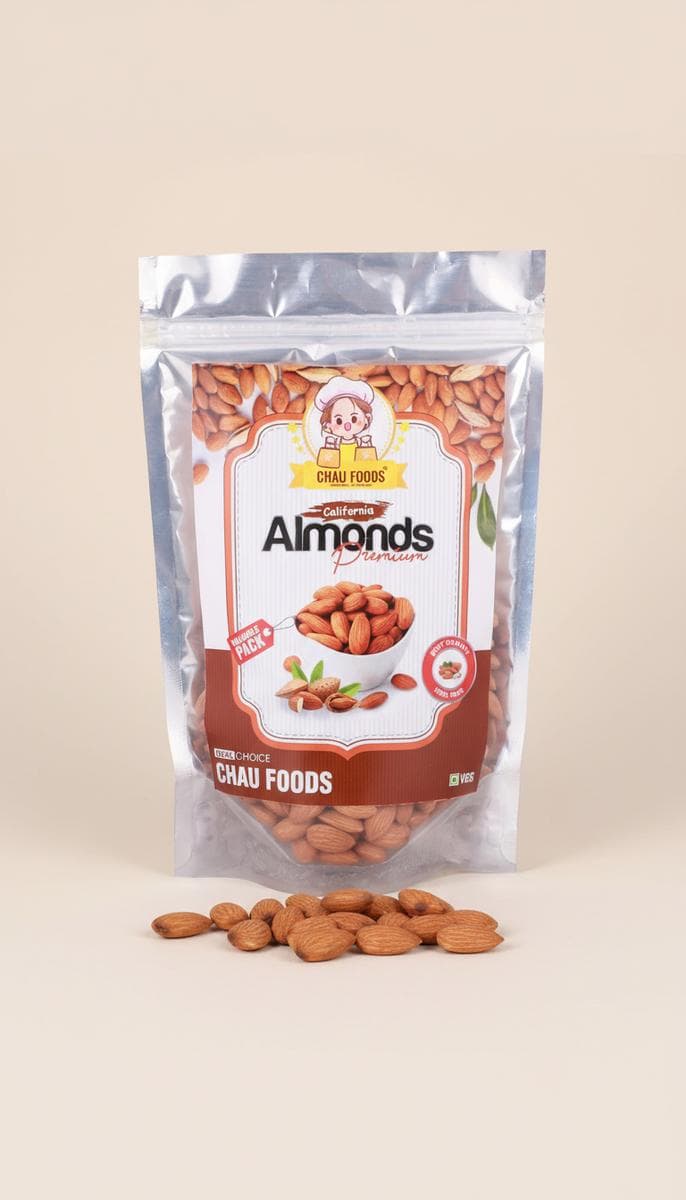
10 Amazing Health Benefits of Almonds (Badam) - Why You Should Eat Daily
California almonds are packed with Vitamin E, protein & healthy fats. Discover 10 science-backed reasons to eat almonds every day for heart, brain & skin health.
EXPLORE JOURNALS

Makhana (Fox Nuts): Benefits, Recipes & Why It's India's #1 Healthy Snack
Makhana is low-calorie, high-protein, and perfect for weight loss. Learn 8 benefits of fox nuts, easy recipes, and why makhana beats chips every time.
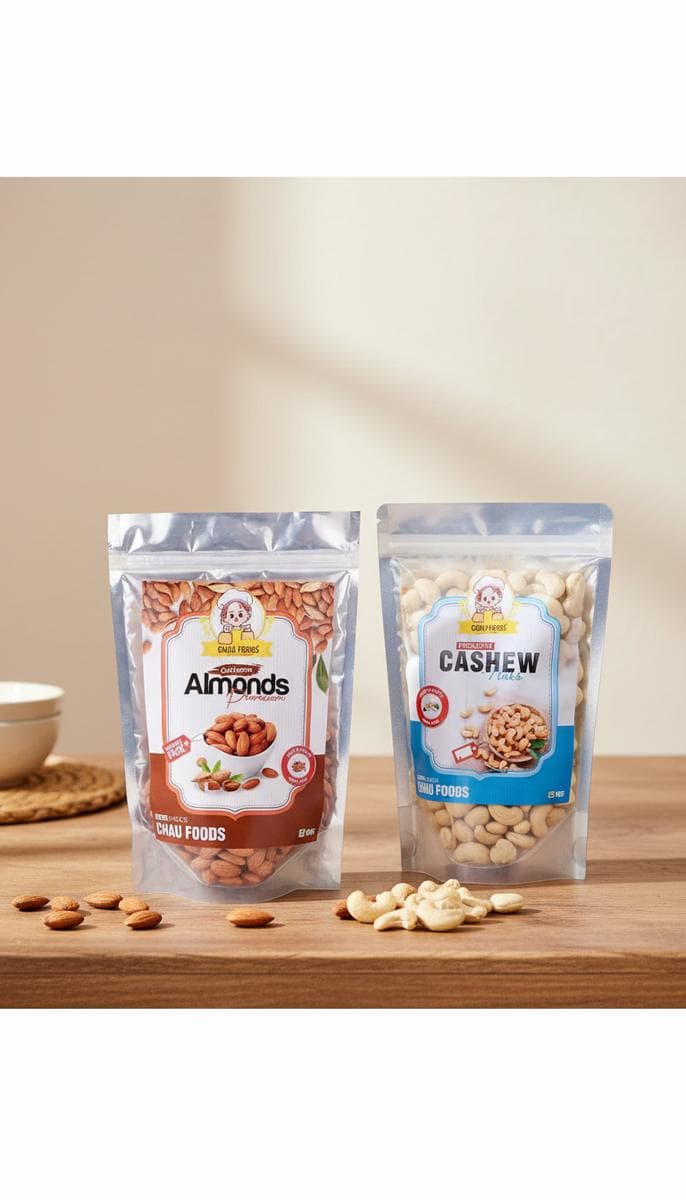
Top 7 Dry Fruits to Boost Immunity in Winter - Expert Guide 2026
Build natural immunity this winter with almonds, walnuts, cashews & more. Nutritionist-recommended dry fruits for cold & flu prevention.
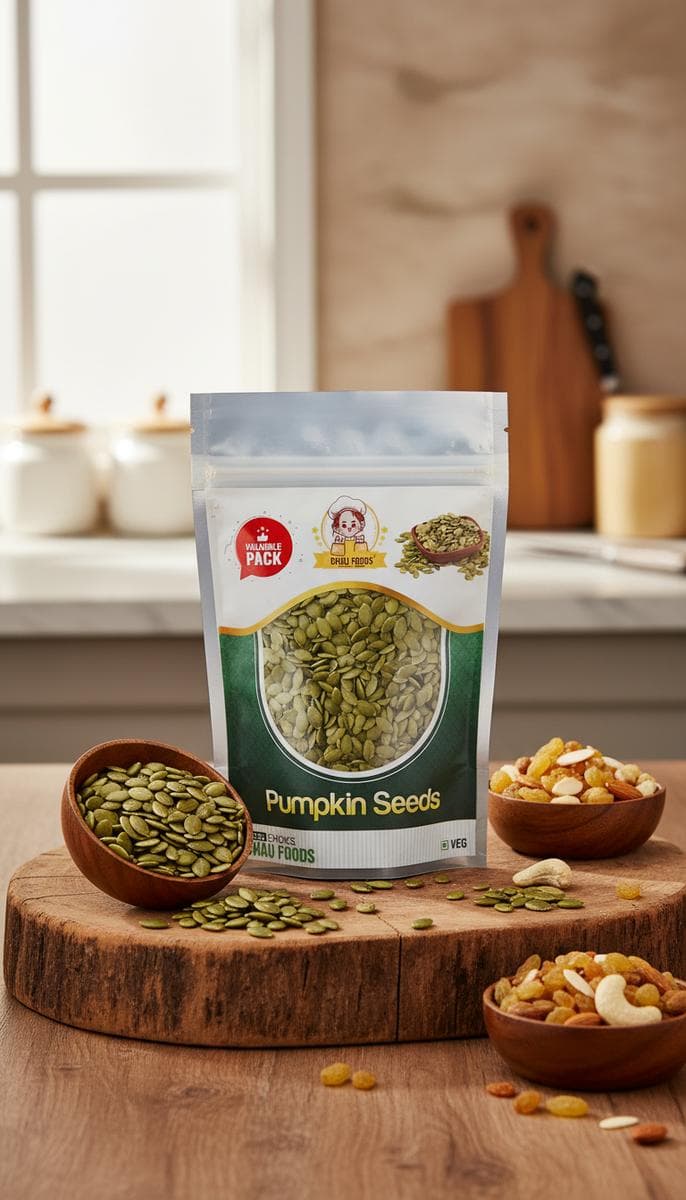
5 Super Seeds for Weight Loss - Chia, Flax, Pumpkin Seeds Benefits & How to Eat
Tiny but mighty! Learn how chia seeds, flax seeds, pumpkin seeds & more help you lose weight naturally. Includes daily dosage, recipes & buying guide.

Dry Fruit Gift Boxes for Diwali, Rakhi & Weddings - Complete Gifting Guide 2026
Premium dry fruit gift boxes make the perfect Indian festival gift in 2026. From Rakhi (28 Aug) to Diwali (8 Nov) hampers - complete guide with dates, prices & ideas.
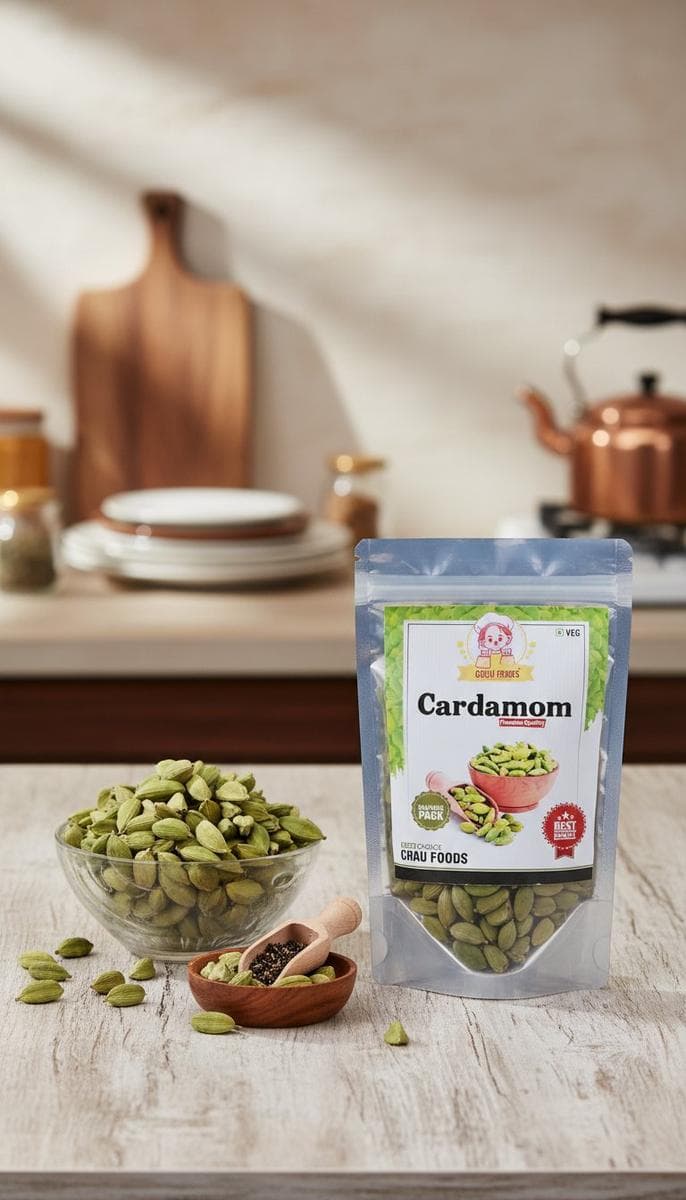
Kitchen Pharmacy: 6 Indian Spices That Are Actually Medicine (Backed by Science)
Turmeric, cardamom, cloves - your kitchen spice box is a treasure trove of natural healing. Science-backed benefits of 6 everyday Indian spices.
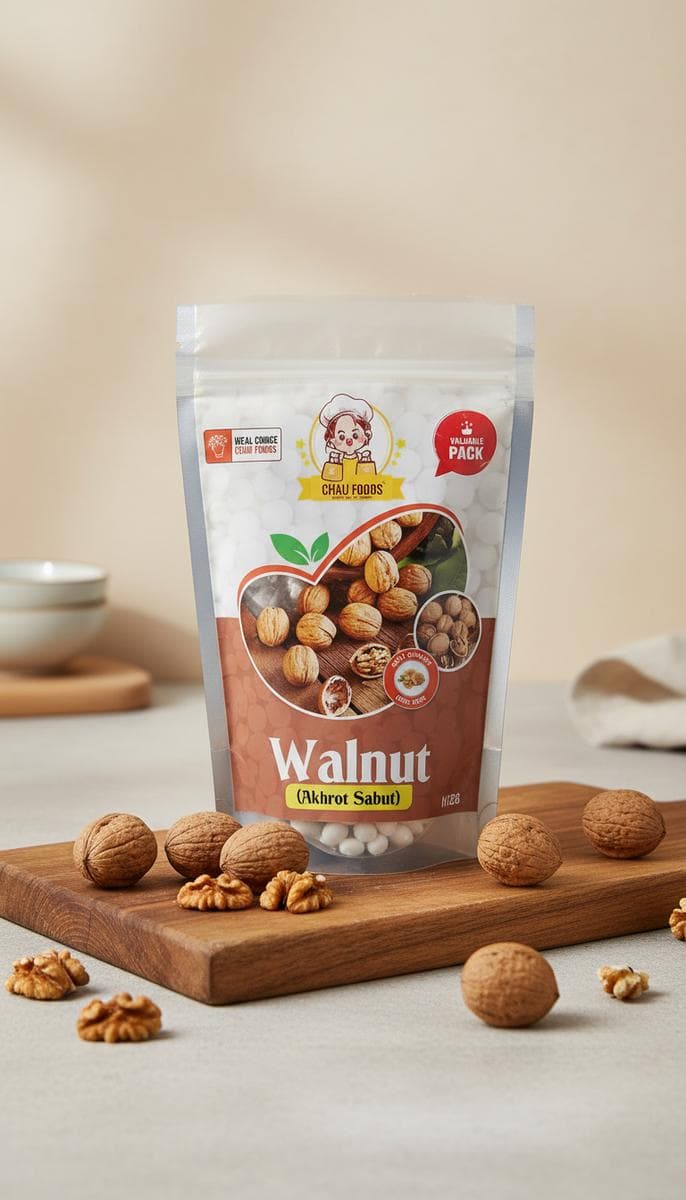
Soaked Almonds vs Raw Almonds - Which Is Better? (Science-Backed Answer)
Should you soak almonds before eating? Discover the real difference between soaked and raw almonds - nutrition, digestion, Ayurveda wisdom, and what science says.
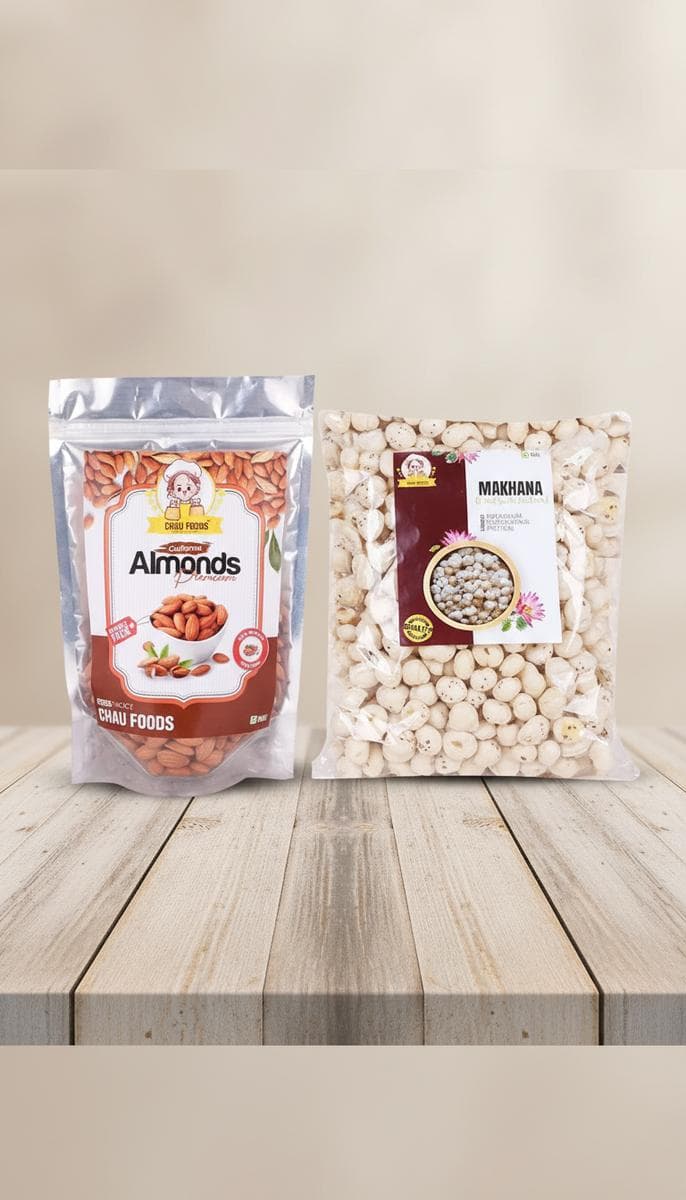
Best Dry Fruits During Pregnancy - Complete Guide for Indian Moms (2026)
Which dry fruits to eat during pregnancy? Expert guide covering almonds, walnuts, cashews, dates, makhana & more - with safe quantities and trimester-wise advice.
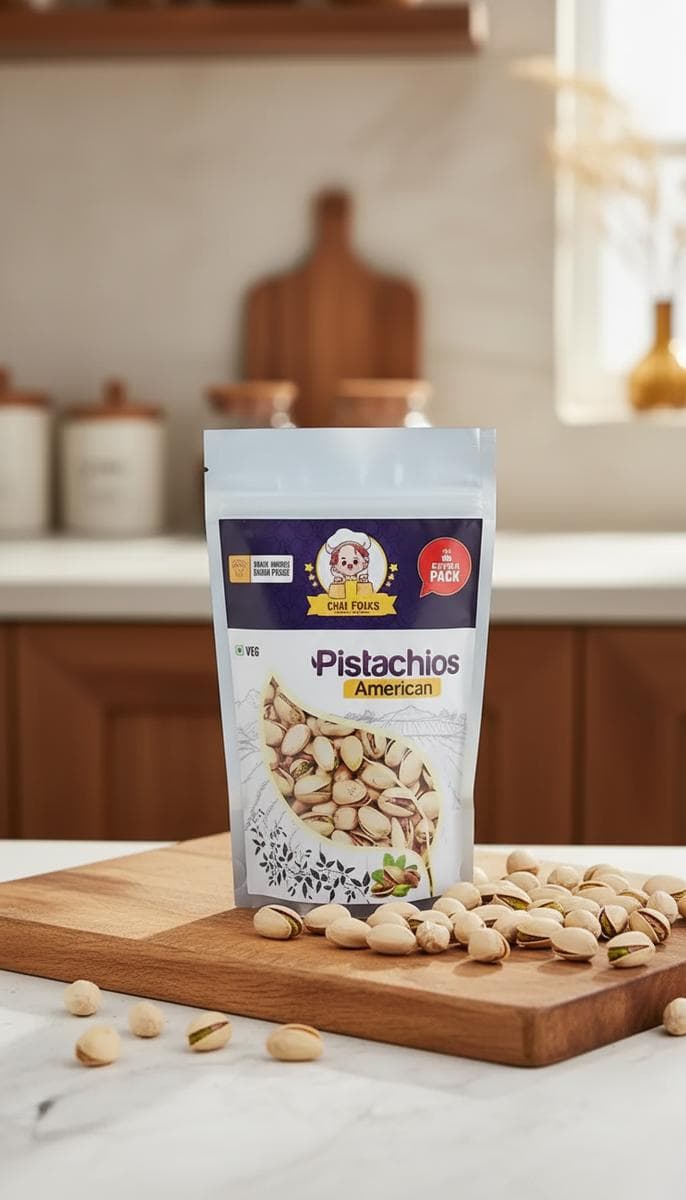
Best Dry Fruits for Weight Loss - 7 Nuts & Seeds That Actually Work (2026)
Want to lose weight without giving up snacks? Here are the 7 best dry fruits for weight loss, how much to eat daily, and the best time to eat them for maximum fat burn.
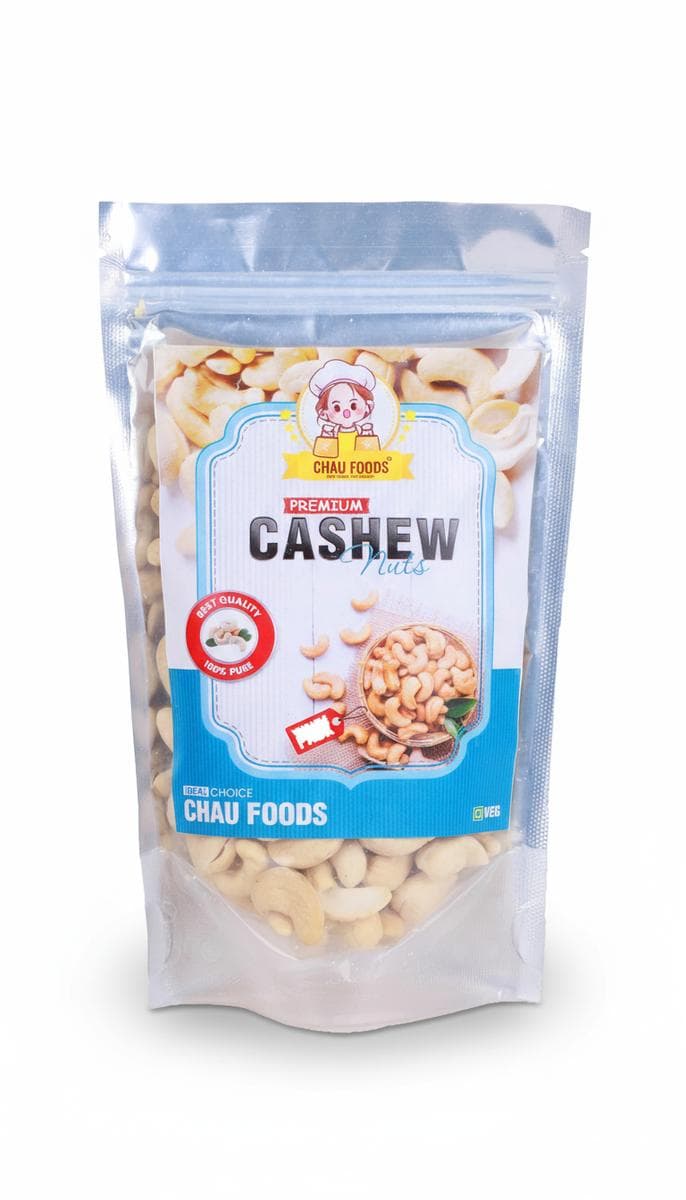
How to Store Dry Fruits at Home - Keep Fresh for 6+ Months (Expert Tips)
Your dry fruits going stale? Learn the right way to store almonds, cashews, makhana, seeds & spices at home. Simple tips to keep them fresh, crunchy, and nutritious for months.

How to Spot Fresh Makhana from Old Stock - 5 Simple Tests You Can Do at Home
Most makhana sold in India is months old. Learn 5 easy at-home tests - colour, crunch, smell, size, and water test - to spot fresh phool makhana from stale stock before you buy.

Makhana vs Almonds vs Cashews - Which Is Best for Daily Snacking? (Honest Comparison)
Confused between makhana, almonds, and cashews for your daily snack? We break down calories, protein, fibre, cost per serving, and best use-case for each - so you pick the right one for your goal.
Cashew Benefits for Heart Health, Weight & Immunity: Complete Guide
Discover how cashews (kaju) improve heart health, manage blood pressure, support weight loss, and boost immunity. Learn grades, sourcing, and daily intake recommendations.
Pistachio Benefits for Weight Loss, Diabetes & Heart Health: Complete Guide
Discover how American pistachios (pista) support weight loss through slower eating, manage blood sugar, protect eye health with lutein, and improve heart function. Evidence-based guide.
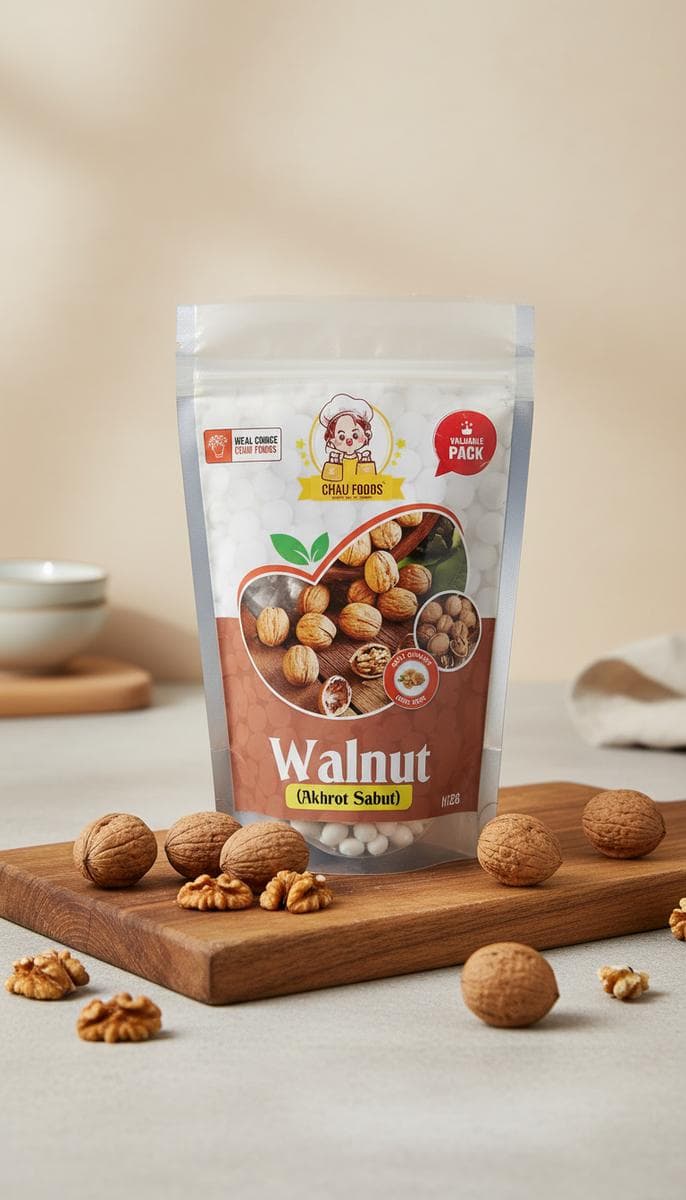
Walnut Benefits for Hair Growth & Hair Loss: Akhrot for Stronger Hair
Discover how walnuts (akhrot) stop hair fall, stimulate growth, strengthen hair shaft, and prevent graying. Learn omega-3 benefits, biotin content, how to use soaked walnuts, and walnut oil application.
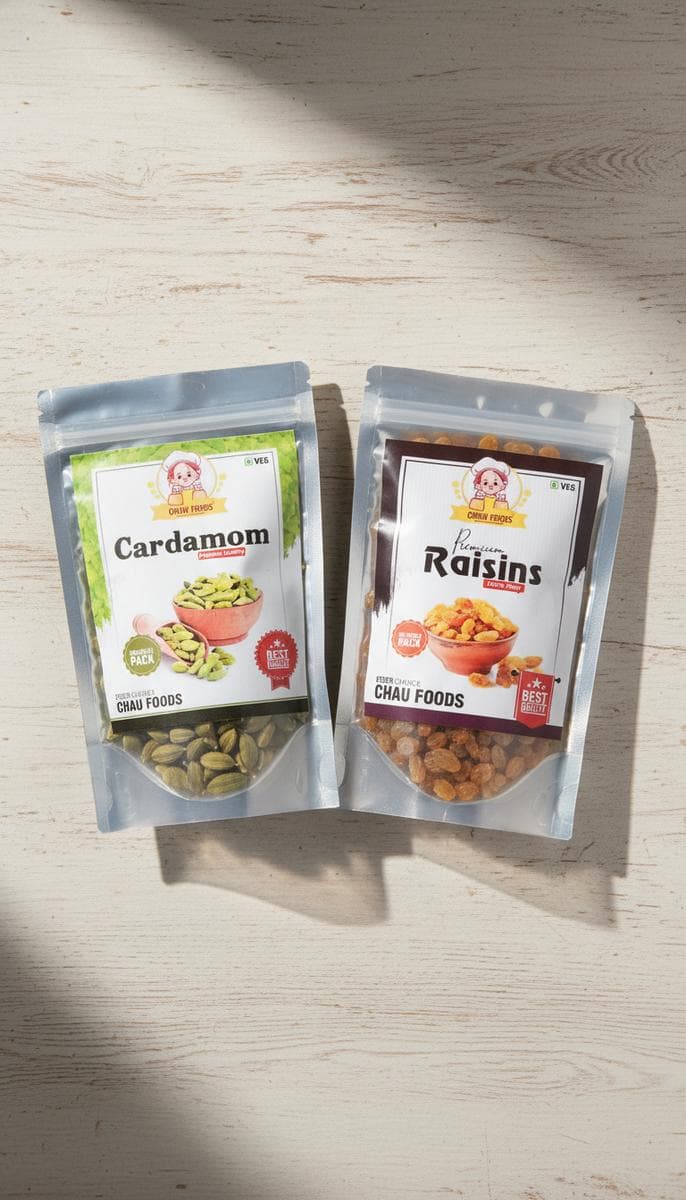
Soaked Raisins Benefits: Complete Guide to Kishmish Water & Raisin Water
Discover the amazing health benefits of soaked raisins and kishmish water. Learn how to soak raisins properly, their iron content for anemia, digestive benefits, and traditional Ayurvedic wisdom backed by modern nutrition science.

Dry Fruits for Diabetes: Which Nuts Are Safe for Blood Sugar Control
Comprehensive guide to which dry fruits are safe for diabetics and blood sugar management. Learn about low-GI nuts like almonds and walnuts, which fruits to avoid, portion sizes, and how nuts improve insulin sensitivity.
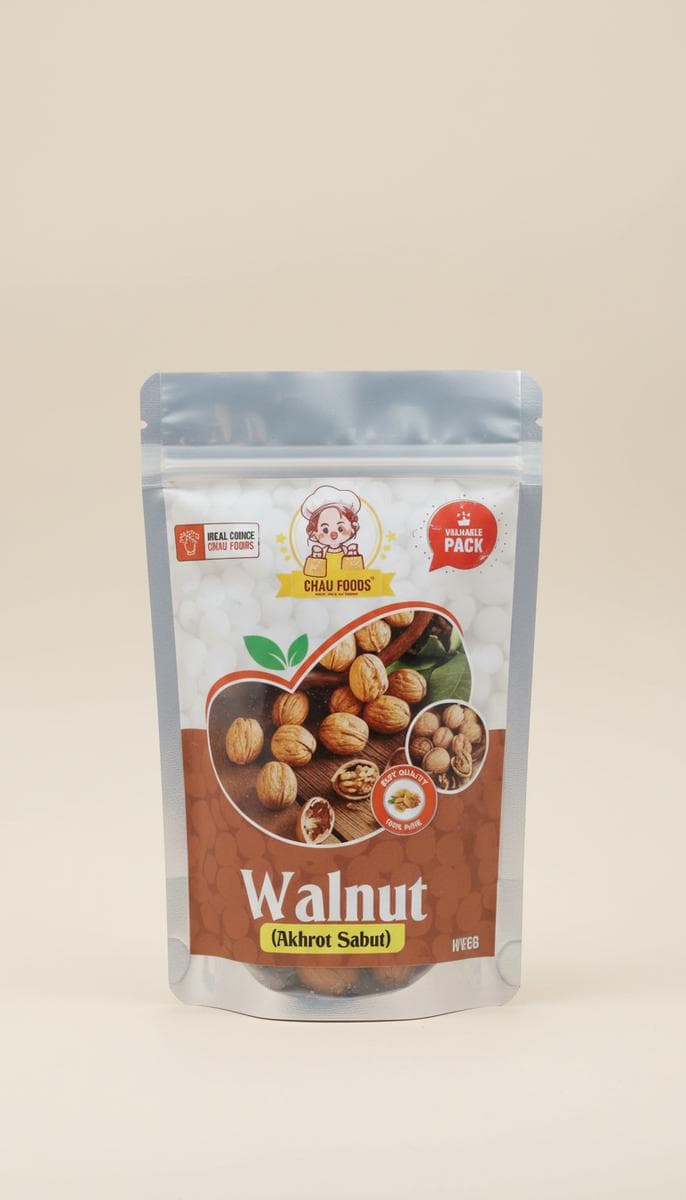
Dry Fruits for Hair Growth: Top Nuts & Seeds That Strengthen Hair Roots
Discover which dry fruits boost hair growth naturally. Learn how almonds, walnuts, cashews, and seeds address hair fall, strengthen roots, and restore shine with biotin, zinc, and omega-3 nutrients.

Makhana Benefits for Skin & Hair: Anti-Aging Fox Nuts for Glowing Skin
Discover makhana anti-aging secrets: antioxidants for collagen support, kaempferol for wrinkles, hydration for glowing skin, and anti-inflammatory properties for acne. Ayurvedic uses and DIY face pack recipes.
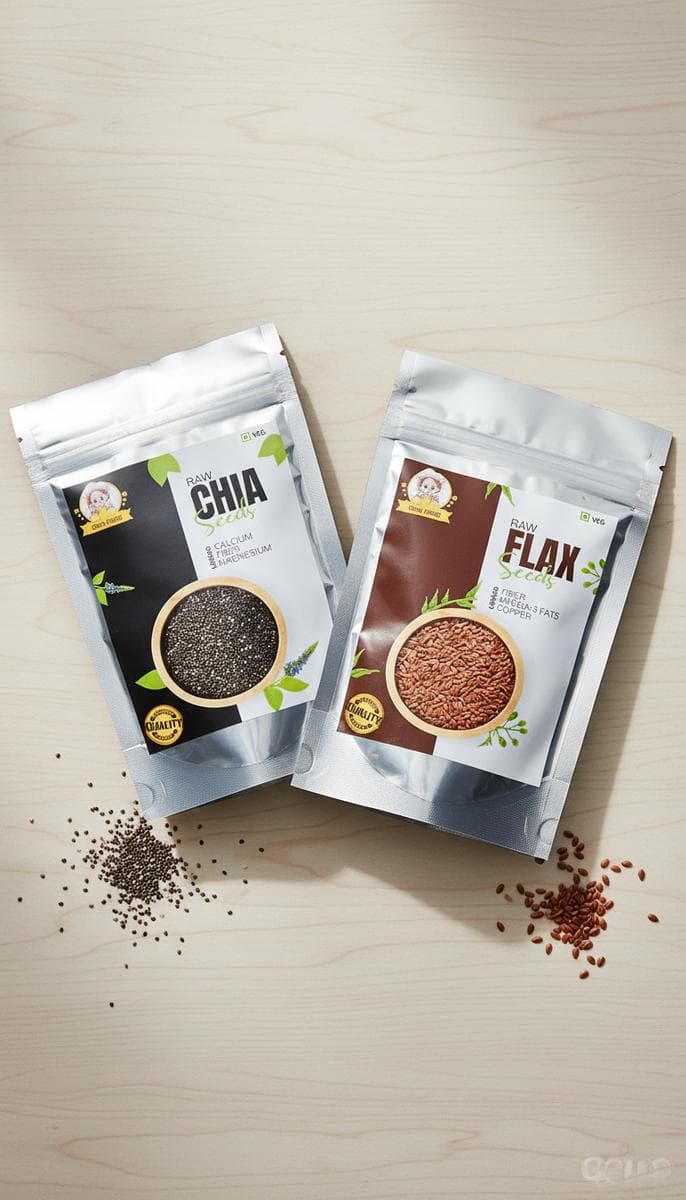
Chia Seeds vs Flax Seeds: Complete Comparison - Which Is Better? 2026
Confused between chia seeds and flax seeds? Compare nutrition, benefits, taste, price, and best uses. Expert guide to choosing the right superfood for your health goals.
Makhana vs Popcorn: Which Healthy Snack Wins? Calorie & GI Comparison
Is makhana or popcorn the healthier snack? Compare calories, glycemic index, protein content & weight loss benefits. Complete nutrition showdown.
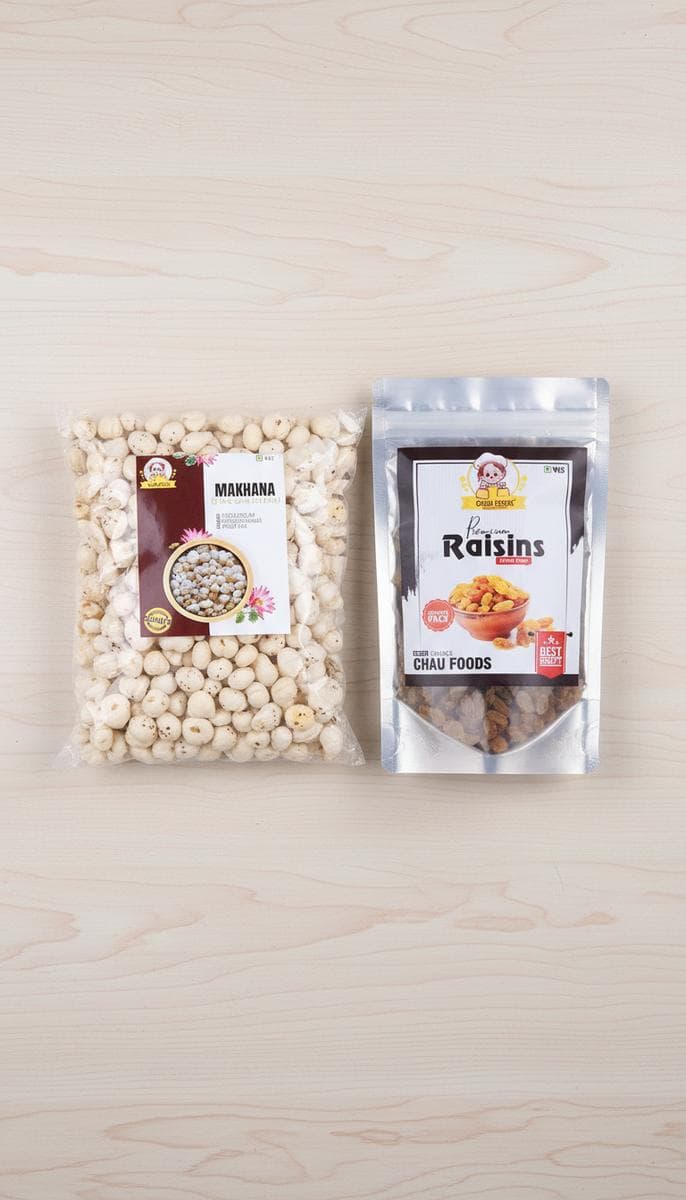
Best Dry Fruits for Pregnancy: Trimester Guide + Safe Quantities
What dry fruits are safe during pregnancy? Complete trimester-wise guide with quantities, nutrients, and which dry fruits to avoid. Expert nutritionist recommendations.
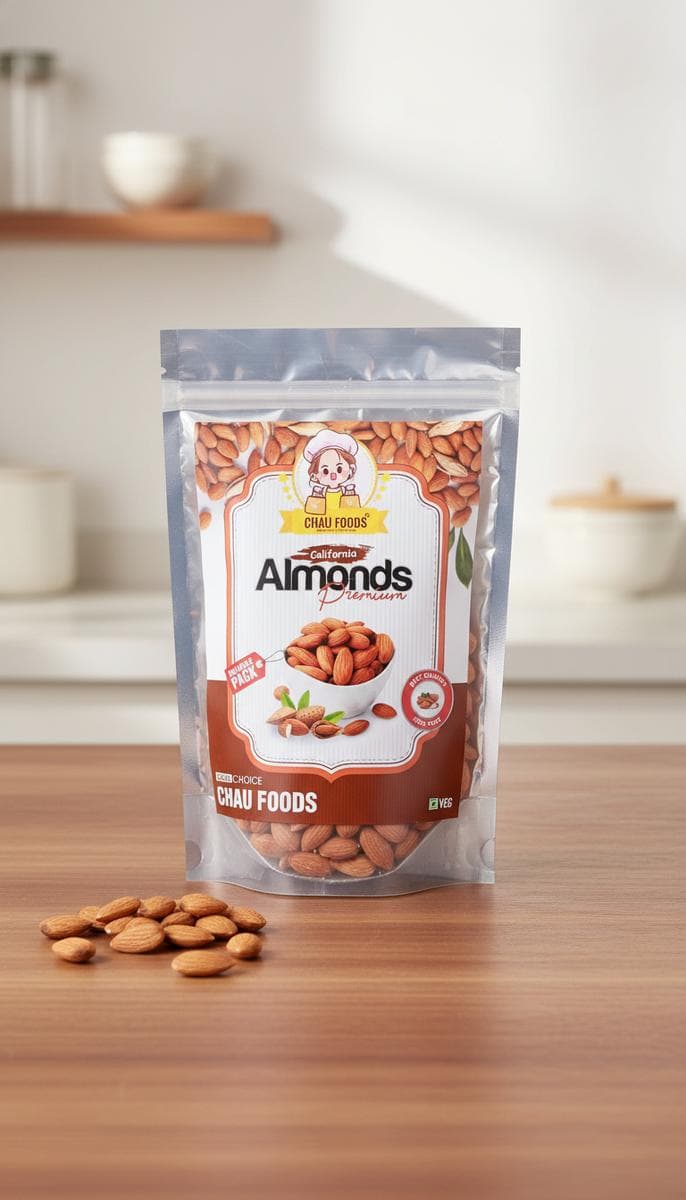
Raw vs Roasted Almonds: Nutrition, Benefits & Which Is Better?
Should you eat raw or roasted almonds? Compare nutrition, bioavailability, soaking benefits, and taste. Science-backed guide to choosing the best form.
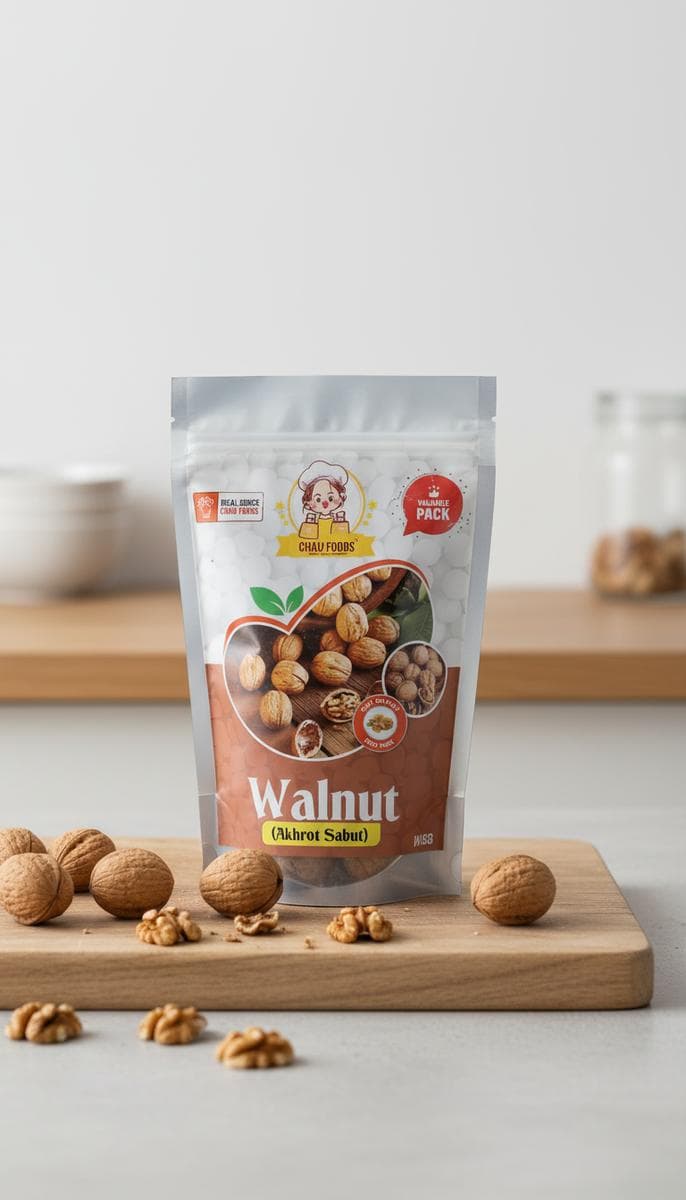
Best Dry Fruits for Hair Growth: Biotin, Iron & Nutrient-Rich Guide
Which dry fruits help hair growth? Complete guide to biotin, iron, and protein-rich nuts that combat hair fall. Best dry fruits for thick, shiny hair.

Makhana for Weight Loss: Calories, GI Index & Complete Meal Plans
Complete makhana weight loss guide - calories per serving, glycemic index, portion sizes, meal plans & how much to eat daily. Science-backed strategy.

How to Buy Dry Fruits Online in India - 7 Things to Check Before You Order
Not all online dry fruits are equal. Learn how to spot stale stock, check FSSAI compliance, compare per-kg pricing, and pick the freshest almonds, cashews, makhana & seeds online.
Best Dry Fruits in Monsoon - 8 Nuts & Seeds to Boost Immunity (2026 Guide)
Monsoon weakens immunity & digestion. Discover 8 best dry fruits for rainy season - almonds, walnuts, makhana & more - plus which ones to avoid and how to store them.
Sawan Vrat Dry Fruits Guide - Best Phalahar Foods for Monday Fasting 2026
Sawan starts 11 July 2026. Discover the best dry fruits for Shravan Somvar vrat - makhana, almonds, raisins & more - with phalahar recipes, fasting rules, and daily meal plans.
Raksha Bandhan Dry Fruit Gifts 2026 - Best Hampers for Brothers & Sisters
Rakhi 2026 is on 28 August. Discover the best dry fruit gift hampers for Raksha Bandhan - combos, premium boxes & budget options from ₹499 to ₹5,000. FSSAI certified.
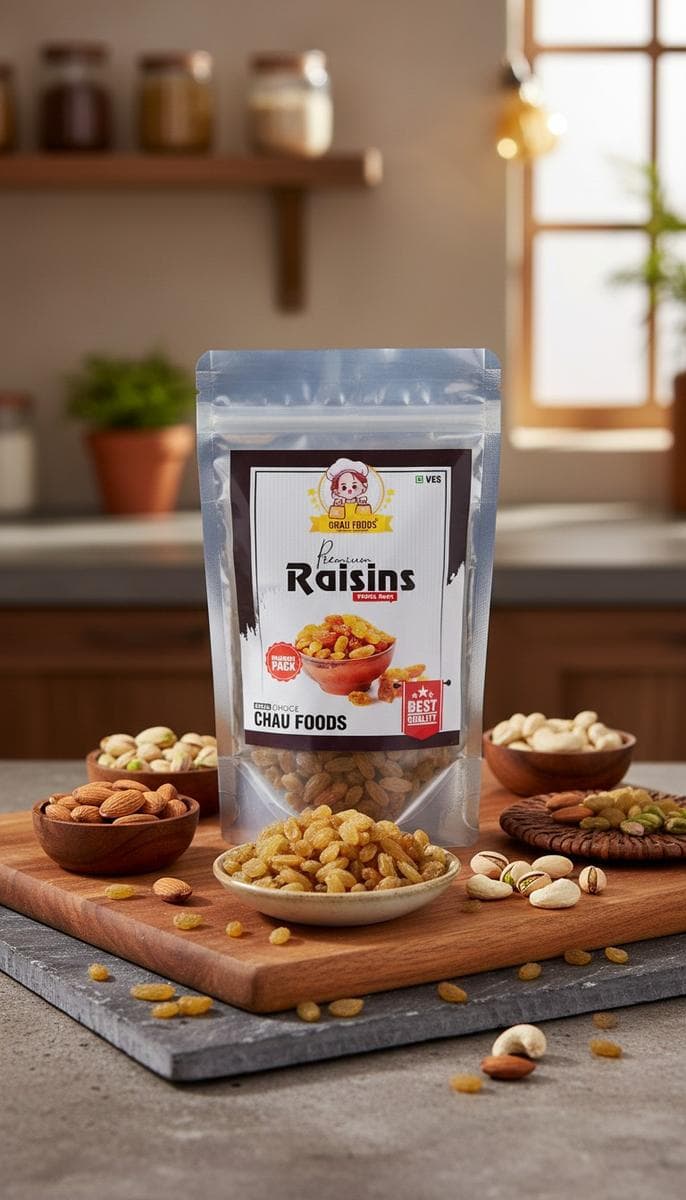
Dry Fruits Diabetics Should Avoid - 7 Sweet Nuts & Dried Fruits That Spike Blood Sugar
Not all dry fruits are diabetic-friendly. Learn which 7 dry fruits diabetics should avoid or limit, why "natural sugar" still spikes blood sugar, and the 5 safest alternatives.
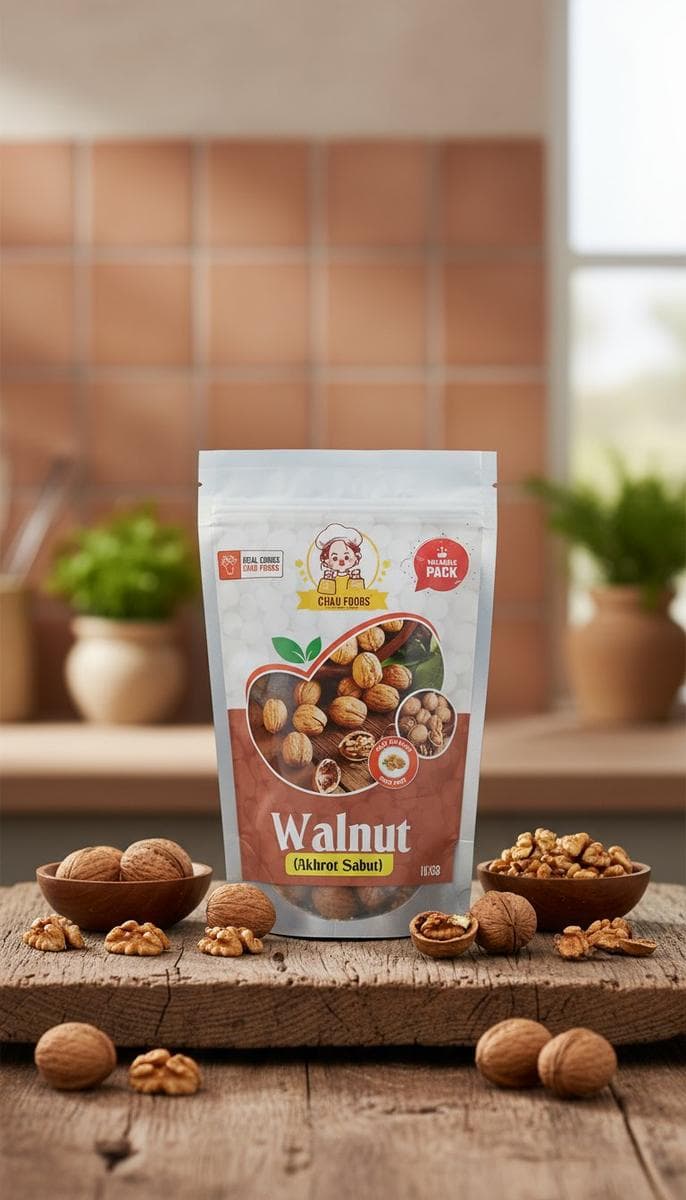
Best Dry Fruits for Cholesterol - 8 Nuts & Seeds That Lower LDL Naturally (2026)
High cholesterol? These 8 dry fruits - walnuts, almonds, pistachios, flax & more - are proven to lower LDL by 5-15% naturally. Complete guide with daily routine & recipes.
Best Dry Fruits for Thyroid Health - Hypothyroidism & Hashimoto Diet Guide (2026)
Thyroid issues? These 7 dry fruits provide selenium, zinc, and Omega-3 - the 3 nutrients your thyroid needs most. Hypothyroidism + Hashimoto-friendly meal plan inside.
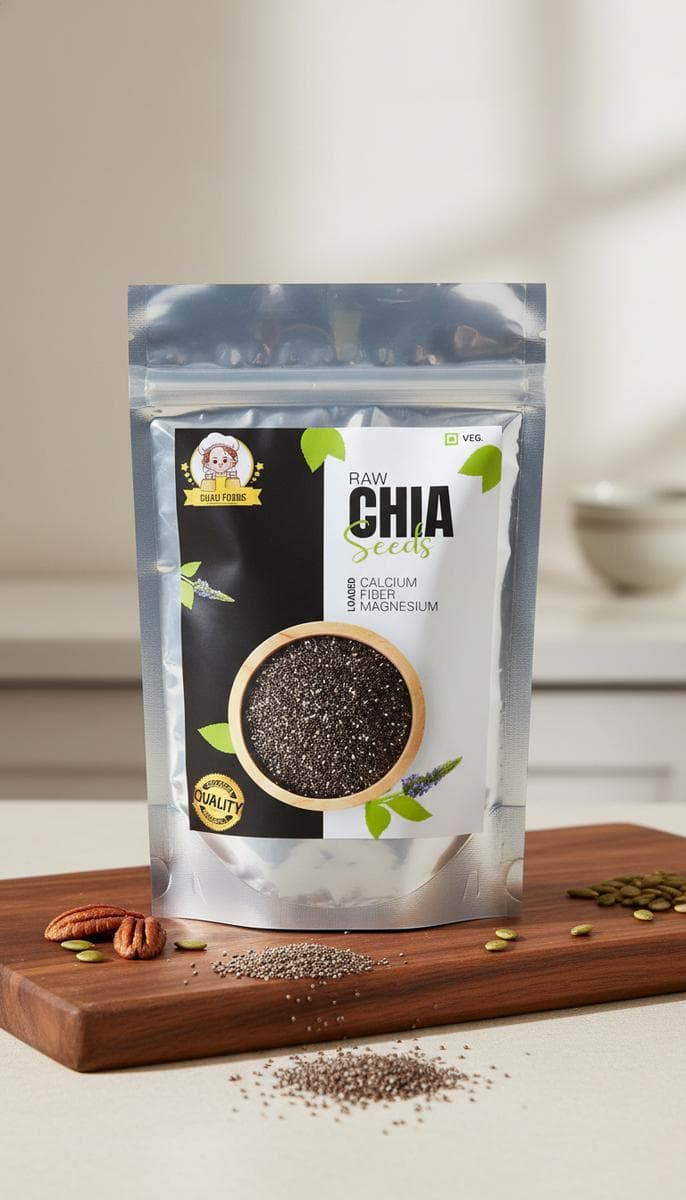
Best Dry Fruits for PCOS - 8 Nuts & Seeds That Balance Hormones (2026)
PCOS hormones out of balance? These 8 nuts & seeds - walnuts, flax, pumpkin, chia & more - improve insulin sensitivity & reduce androgen levels. Seed cycling guide inside.
Glycemic Index of Dry Fruits - Complete GI Chart for 20+ Nuts, Seeds & Dried Fruits
Confused about GI of dry fruits? Complete glycemic index chart for almonds, walnuts, dates, raisins, makhana & 20+ items. Plus glycemic load explained. Diabetic & PCOS friendly guide.
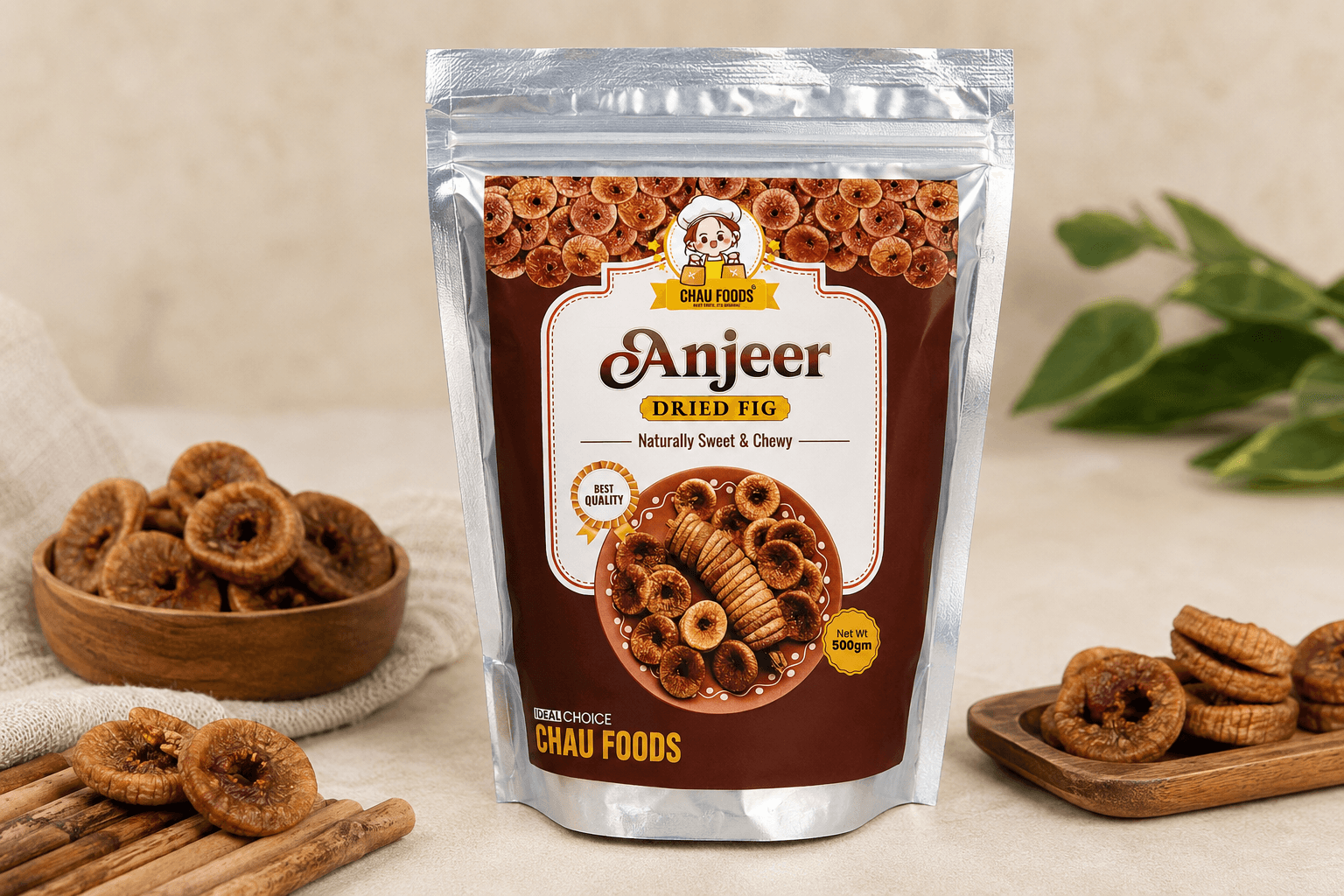
10 Amazing Anjeer (Dried Figs) Benefits - Why Ayurveda Calls It a Superfood
Discover 10 science-backed Anjeer benefits - from bone health to pregnancy support. Learn how to eat dried figs, daily quantity, and Ayurvedic secrets for maximum benefit.
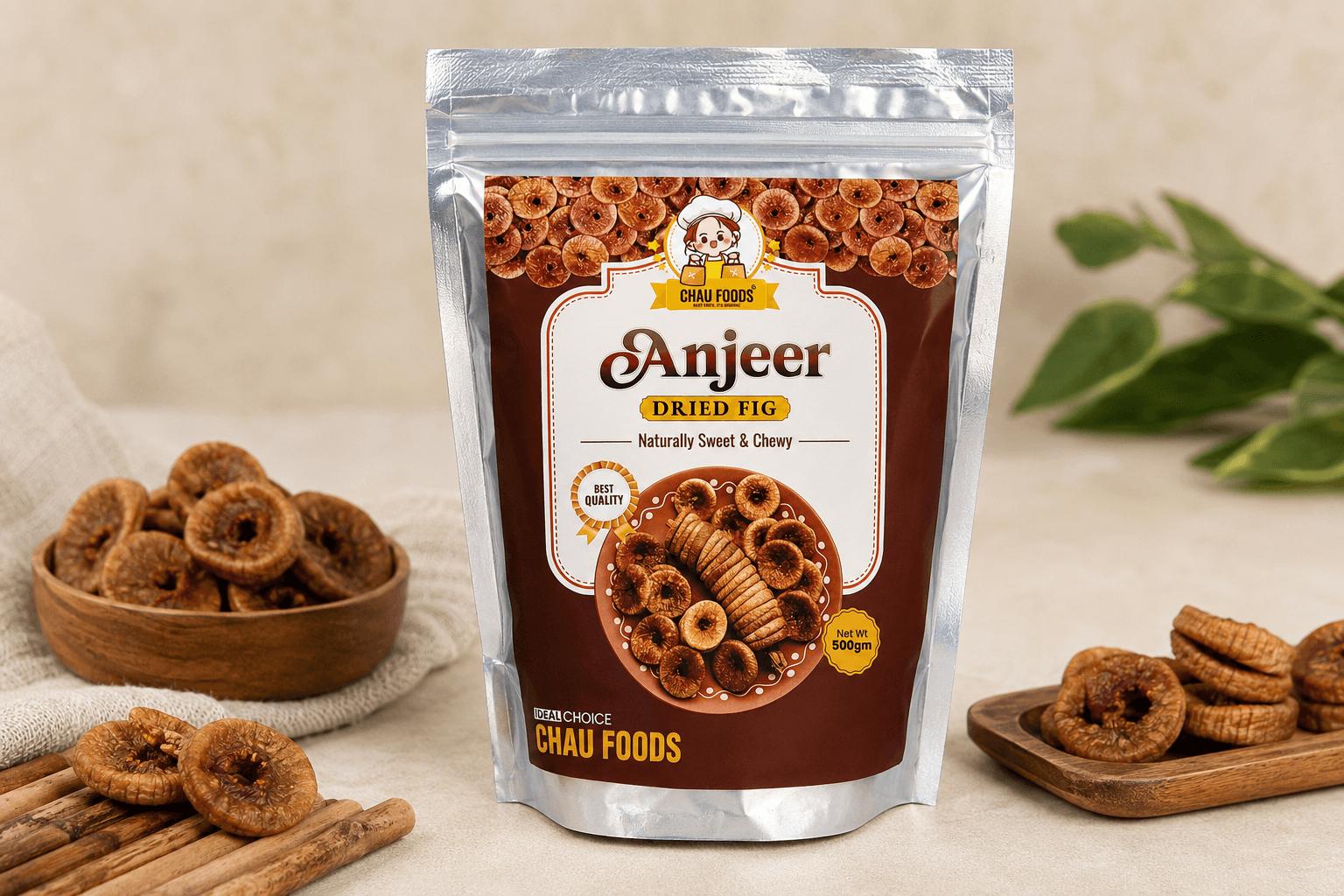
Anjeer During Pregnancy - Complete Trimester Guide with Safe Quantities
Is Anjeer safe during pregnancy? Yes - a trimester-by-trimester guide with safe quantities, benefits for baby and mother, and expert-approved consumption tips.
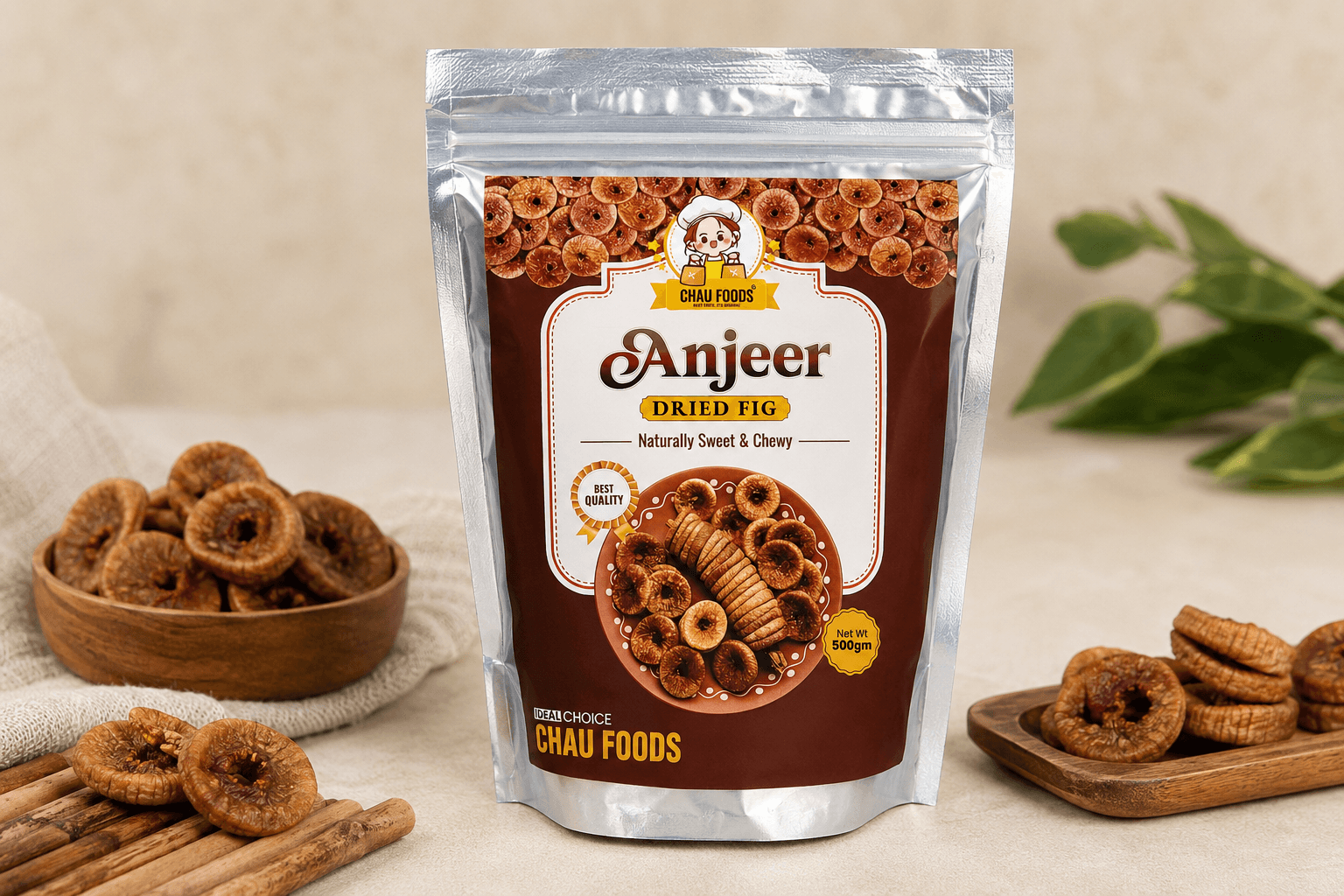
Milk with Anjeer (Anjeer Doodh) - 5 Health Benefits + Traditional Recipe
Anjeer with milk is Ayurveda's most powerful bedtime tonic. Learn 5 science-backed benefits, the traditional recipe, and why this pairing multiplies each ingredient's power.
Anjeer for Kids - Growth, Bones & Immunity Complete Guide
How much Anjeer can kids eat? Age-wise dosage, key benefits for growing children, tasty recipes kids love, and safety tips for parents.
Afghani vs Turkish vs Indian Anjeer - Which Dried Fig Is Best?
Complete comparison of Afghani, Turkish, and Indian Anjeer - origin, taste, nutrition, price, freshness. Find out which dried fig gives you the best value.
अंजीर खाने के फायदे - 10 अद्भुत स्वास्थ्य लाभ (2026 गाइड)
अंजीर खाने के 10 अद्भुत फायदे - हड्डियों की मजबूती, खून की कमी दूर, पाचन सुधार। रोज़ 2-3 अंजीर दूध में भिगोकर खाएं। Premium Afghani Anjeer खरीदें।
How to Increase Height Naturally: Best Foods & Dry Fruits (Even After 18)
Can you still grow taller after 18? An honest, science-backed guide to the foods, dry fruits, sleep and exercise that help you reach - and look - your full height.

Dry Fruits for Weight Gain: Best Picks & How to Eat (Healthy Guide 2026)
Struggling to gain weight? These calorie-dense, nutrient-rich dry fruits help you gain healthy weight - not belly fat. Portions, timing and a simple daily routine.
Best Dry Fruits for Gym, Muscle Gain & Workout Recovery (2026 Guide)
The best dry fruits to eat before and after a workout for energy, muscle repair and faster recovery - with simple portions and a gym-day eating plan.
Best Time to Eat Dry Fruits: Morning, Night & Before or After Meals
When you eat dry fruits changes how much benefit you get. A simple guide to the best time to eat almonds, raisins, makhana and more - by goal.
Cashew (Kaju) Benefits: 8 Reasons to Eat Cashews + How Many a Day
Cashews are more than a mithai ingredient. Here are 8 science-backed benefits of kaju - for heart, bones, immunity and skin - plus how many to eat a day.
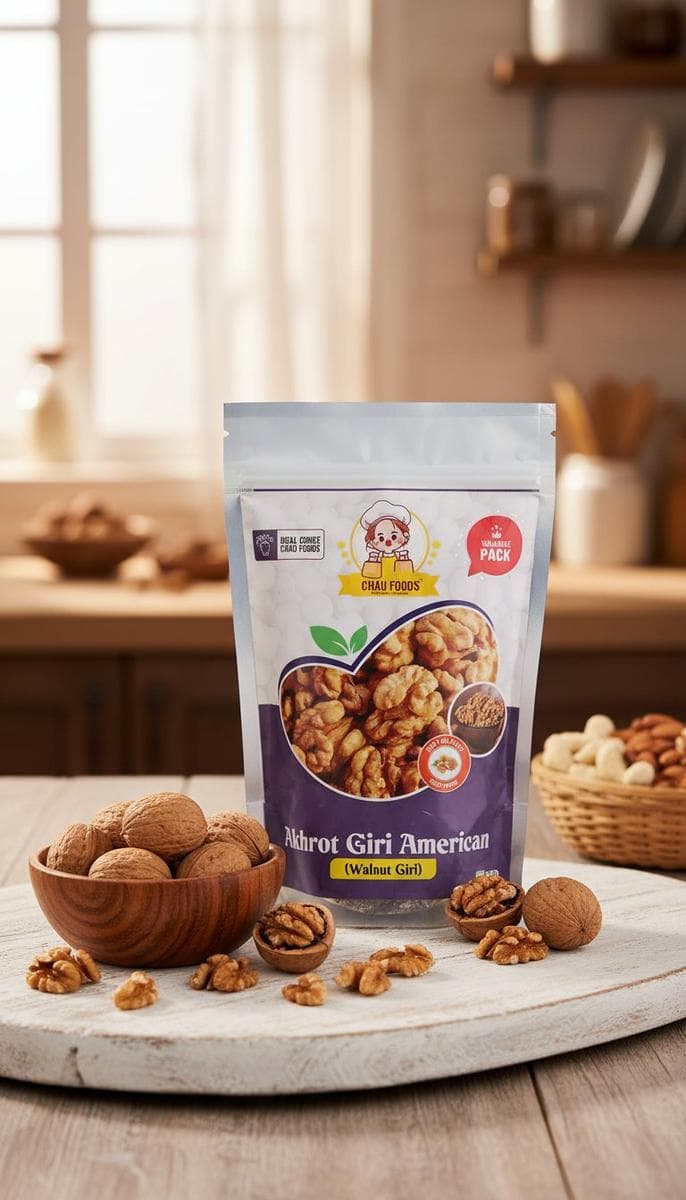
Walnut (Akhrot) Benefits for Brain, Heart & Skin + How Many a Day
Walnuts are the only nut rich in plant omega-3. Here is how akhrot helps your brain, heart and skin, how many to eat, and why soaking makes a difference.
Pumpkin Seeds Benefits: Zinc, Hair, Sleep & How to Eat Them
Tiny but mighty - pumpkin seeds are loaded with zinc and magnesium. Here is how they help hair, sleep, immunity and men’s health, plus easy ways to eat them.
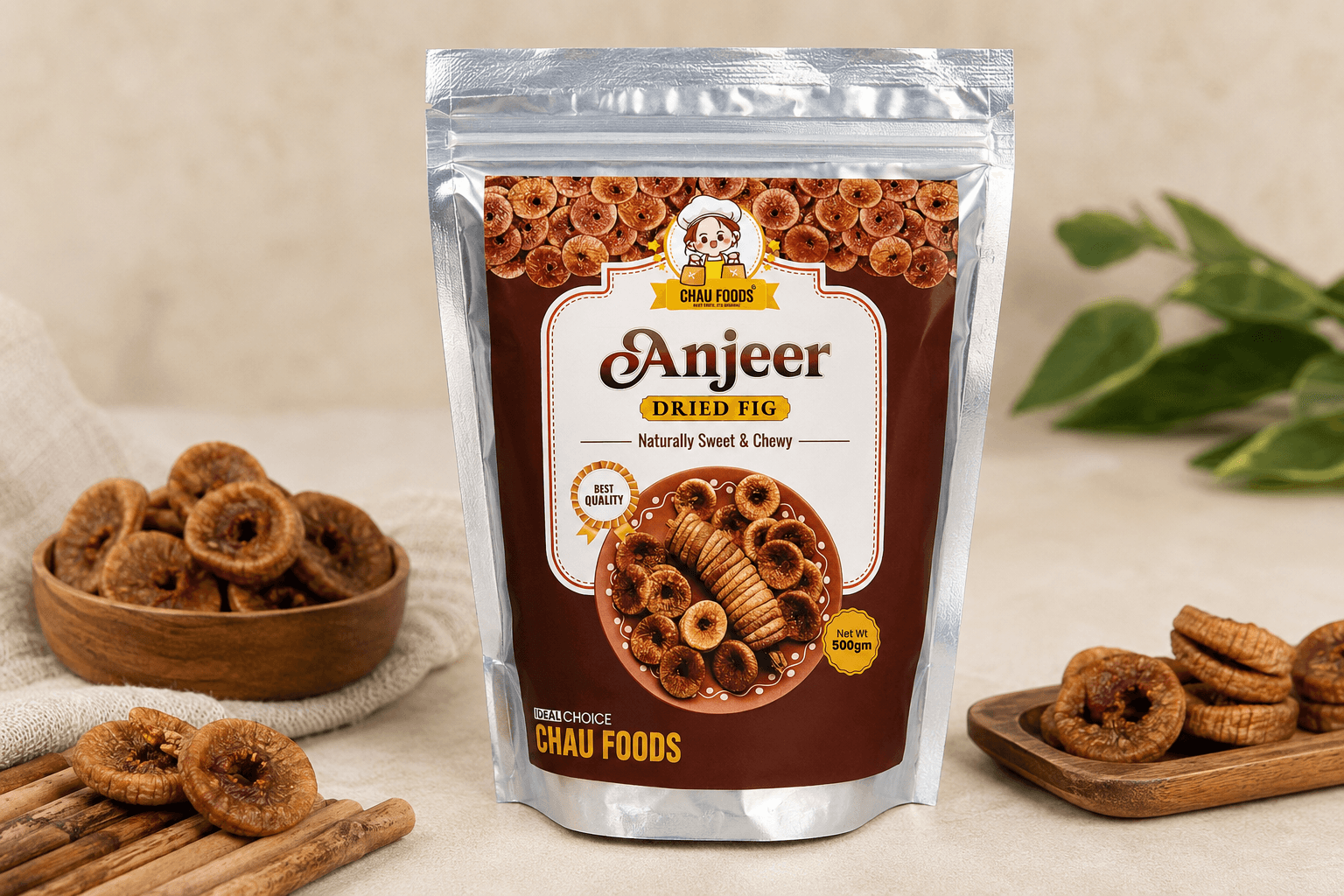
How Many Anjeer to Eat Per Day? + Soaked Anjeer Benefits
The simple answer to how many figs a day is safe, why soaking anjeer overnight works better, and the step-by-step morning routine - plus who should limit it.
Soaked Walnuts (Bhiga Akhrot): Benefits & How Many Per Day
Why soaking walnuts overnight makes them easier to digest and less bitter, how many to eat a day, and the simple morning routine for brain and heart health.
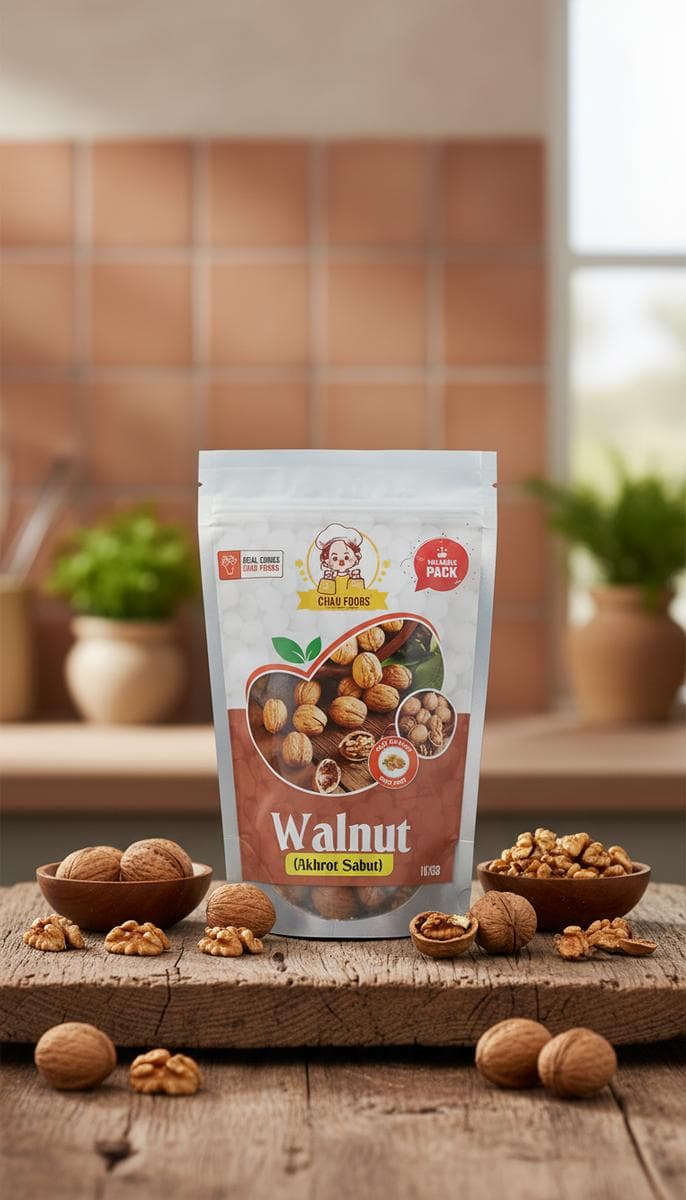
Chilean vs Kashmiri vs California Walnuts (+ Giri vs Sabut Guide)
Which walnut should you buy? A clear comparison of Chilean, Kashmiri and California walnuts on flavour, kernel, oil and price - plus giri (kernels) vs sabut (whole).
Anjeer Benefits for Men: Energy, Heart and Stamina
Why more men are eating anjeer daily, what nutrients actually help, how many figs a day makes sense, and an honest take on the stamina claims.
Pistachios (Pista) Benefits: Protein, Heart and Weight
Pista is one of the lowest calorie nuts and a great snack for weight control. Here is what it does for your heart, eyes and gut, and how many to eat a day.
How Many Cashews and Almonds Should You Eat a Day?
Simple, honest portions for almonds and cashews, why the number matters, the best time to eat them, and whether you can overdo it.
Best Dry Fruits for Kids: Brain, Growth and Immunity
The dry fruits that actually help growing children, how much to give by age, easy ways to feed fussy eaters, and important safety tips for little ones.
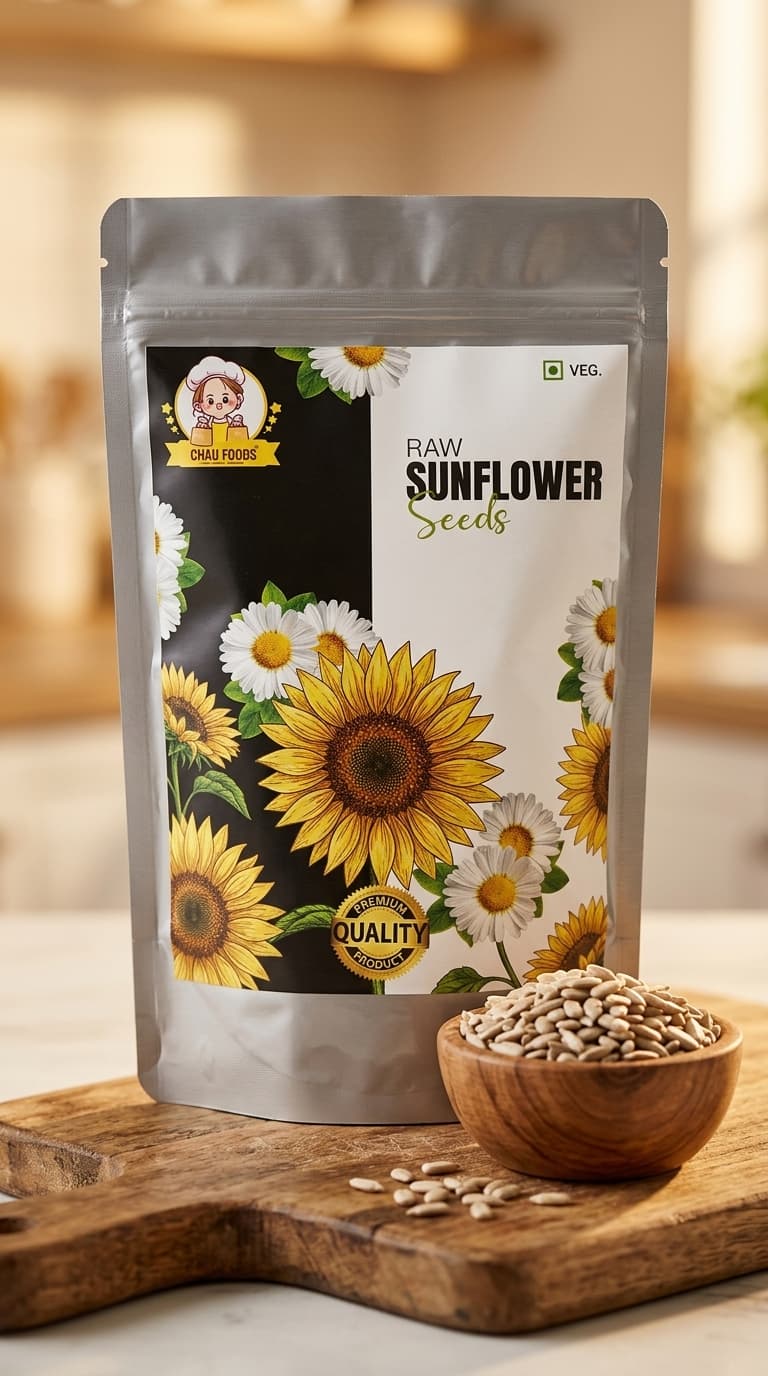
Sunflower Seeds Benefits: Vitamin E, Skin and Heart
Small seeds, big payoff. Sunflower seeds are loaded with Vitamin E for skin, magnesium for calm, and good fats for the heart. Here is how to use them daily.
Best Dry Fruits and Seeds for Glowing Skin
Real, food-first help for clearer, brighter skin. The dry fruits and seeds that supply Vitamin E, omega-3 and zinc, and a simple daily mix that works.
Community
JOIN THE
CHAU COLLECTIVE
Get artisanal recipes, farmer stories, and exclusive drops - directly in your inbox every week.
No spam. Unsubscribe anytime.