Dry Fruits Wholesale for Hotels & Restaurants (Complete Guide)
What to buy, how much to order, cost-per-serving breakdown, seasonal planning, and supplier checklist for hotel kitchens, restaurants, cafes, and catering companies.
Quick Summary
For 100-cover hotels: Stock 25-30kg cashews, 15-20kg almonds, 8-12kg pistachios, 10kg walnuts, 15kg raisins monthly. Wholesale costs: ₹500-800/kg depending on grade & volume. Bulk orders (50+ kg) save 10-15%. Lock seasonal prices Oct-Feb. Cost per guest across all dishes: ₹2-3 dry fruit content.
Why Hotels & Restaurants Need Dedicated Wholesale Suppliers
Large hospitality businesses cannot rely on retail channels for consistent, quality dry fruit supply.
₹ Cost Savings
Wholesale pricing is 15-25% lower than retail. Bulk order discounts (10-15%) + negotiated rates = significant margin improvement. A ₹50,000 annual spend saves ₹7,500-12,500 vs. retail channels.
Consistent Quality
Direct suppliers maintain single sourcing standards. No batch-to-batch variation. Provides consistent taste in daily dishes across 300+ meal services. Retail sourcing = mixing 5+ suppliers = unpredictable flavor profiles.
Supply Reliability
Scheduled weekly/bi-weekly deliveries. Backup stock for emergencies. Suppliers understand hotel demand peaks (weddings, festivals). Local shops often stock out during season.
Compliance & Safety
FSSAI-certified suppliers provide traceability, test certificates, and lot numbers. Hotels can audit supply chain. Critical for food safety inspections and liability protection.
Top 5 Dry Fruits to Stock for Hotels & Restaurants
Ranked by kitchen usage frequency, cost-per-serving, and menu versatility for 100+ cover operations.
 #1
#1Raw Cashews (W320)
Rich, creamy texture essential for biryani, korma, desserts. W320 grade = premium whole pieces, minimal breakage. Hotel kitchens consume 25-30kg monthly per 100 covers.
Usage
Cooking base for gravies
Monthly Qty
25-30 kg
Wholesale
₹680-750
Cost/Serving
₹3.20
 #2
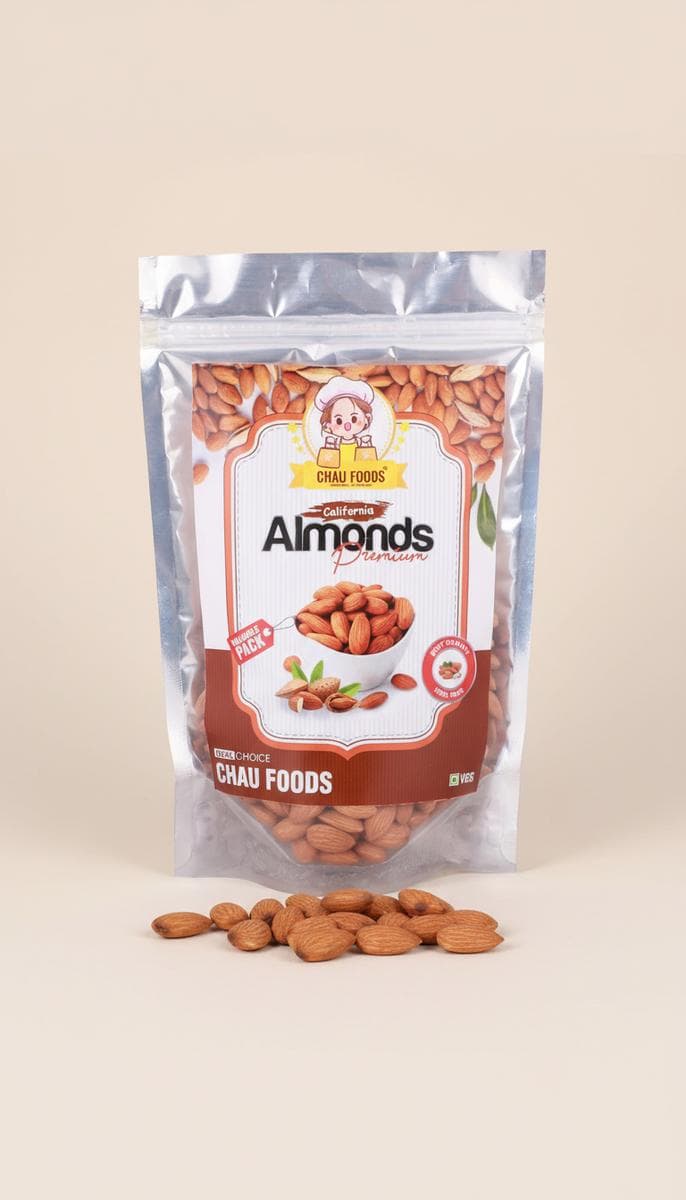
#2California Almonds
Versatile for sliced garnishing, paste bases, halwas. Consistent quality, superior to local varieties. Monthly need: 15-20kg per restaurant for multiple dishes.
Usage
Garnishing & pastes
Monthly Qty
15-20 kg
Wholesale
₹420-480
Cost/Serving
₹1.50
 #3
#3Raw Pistachios
Green color, splits naturally for visual plating. Essential for biryani tops, special occasion menus. Lower monthly volume but high perceived value.
Usage
Premium garnishing
Monthly Qty
8-12 kg
Wholesale
₹680-800
Cost/Serving
₹2.80
 #4
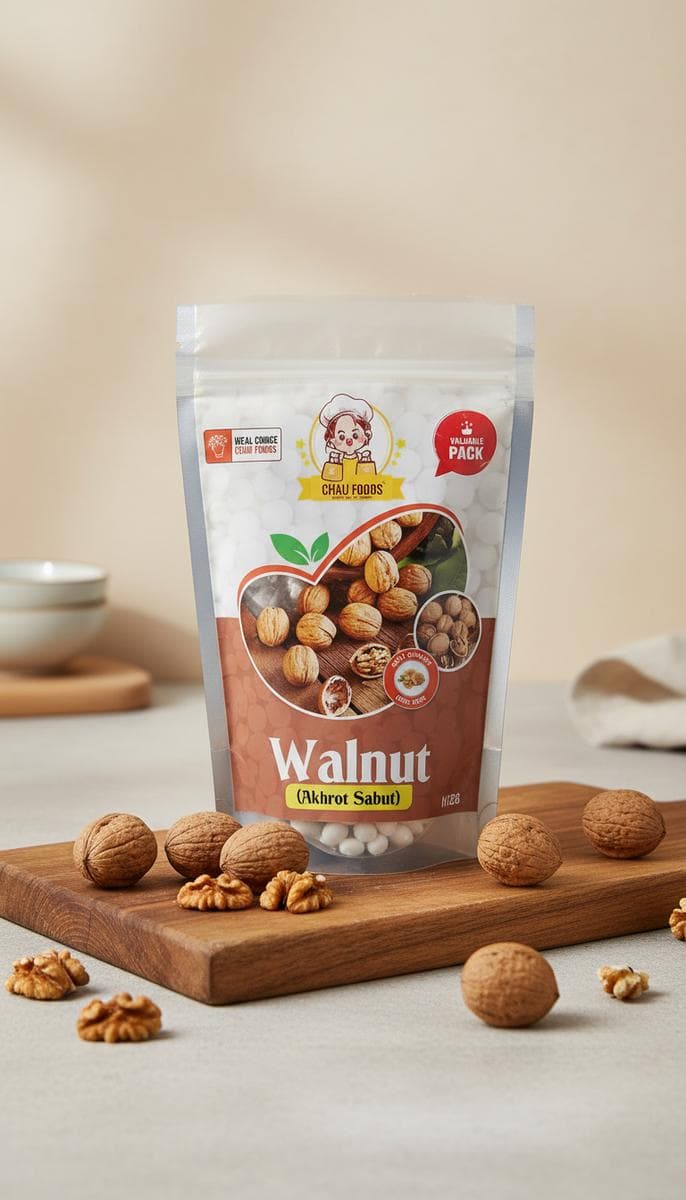
#4Walnuts (Akhrot Giri)
Growing demand from continental menus, salads, desserts. Premium bakeries use heavily. Lower cost than cashews/almonds = margin improvement.
Usage
Continental dishes & breads
Monthly Qty
10-15 kg
Wholesale
₹480-550
Cost/Serving
₹1.80
 #5
#5Black Kishmish (Raisins)
Most affordable dry fruit, longest shelf life (12+ weeks). Used across multiple dishes - dal, kheer, biryani, mithais. High volume, low waste.
Usage
Desserts, dals, biryanis
Monthly Qty
12-18 kg
Wholesale
₹220-280
Cost/Serving
₹0.60
Total Monthly Spend (100-cover hotel): 85-95kg dry fruits = ₹45,000-65,000 at wholesale rates. Same products retail = ₹65,000-85,000. Annual savings: ₹20,000-30,000. For 300-cover hotel chains, multiply by 2.5-3x = ₹50,000-90,000 annual savings.
How Hotels Use Wholesale Dry Fruits
Four core use cases in hospitality operations, with cost-per-serving breakdown.
Cooking Base (Cashews, Almonds)
Ground into pastes for north Indian gravies, biryanis. Whole pieces for creamy curries. Cost per dish: ₹8-12 for 100-guest buffet.
Garnishing (Pistachios, Almonds, Walnuts)
Premium plating, visual appeal, hotel signature finish. Pre-portion into 2-3 piece servings. Cost per plate: ₹0.50-1.50.
Buffet Breakfast & Desserts
Dry fruit platters, kheer, halwas, cereals. Volume: 200-300g per guest. Cost per serving: ₹2-3.
Catering & Bulk Orders
Custom mixes for events, weddings, corporate lunches. Scale from 50-500 guests. Pre-portion or bulk supply.
Detailed Cost Per Serving Analysis
Real-world pricing for common hotel dishes (100-guest buffet).
Cashew Curry
₹2.10
50 cashews per batch (₹35 raw cost)
Almond Paste (Halwa)
₹1.80
40g almonds per batch (₹18 raw cost)
Pistachio Garnish
₹0.50
3 pieces per plate (₹0.60 raw cost)
Raisin Dal
₹0.75
25g raisins per 2L batch (₹6 raw cost)
Dry Fruit Kheer
₹3.20
80g mixed nuts (cashew + almond + raisin)
Biryani (Cashew + Almond)
₹4.50
100g per biryani (cashew paste + garnish)
For a 100-guest buffet with 3-4 dry fruit dishes: Total dry fruit cost = ₹180-250 raw material. Per-guest cost = ₹1.80-2.50. Hotel margin: 12-15% on dry fruit component (sell dish at ₹400-500, cost ₹50-80).
4 Key Ordering Tips for Hotel Procurement
Proven strategies to reduce costs, ensure freshness, and streamline supply chain.
Plan weekly consumption, not daily
Order 25-50kg monthly instead of 2-3kg weekly. Bulk pricing saves 10-15%. Store in sealed containers at 15-22°C. Shelf life: 8-12 weeks for quality maintenance.
Lock in prices seasonally (Oct-Feb)
Winter = lowest prices. Sign 3-6 month Rate Lock contracts. Cashews drop to ₹650 in Nov vs. ₹750 in Jun. Save 15-20% annually with forward planning.
Consolidate suppliers, reduce overhead
Buy all 5-6 dry fruit types from one wholesaler. Consolidated billing, single delivery, consistent quality, better payment terms (15-30 days).
Verify FSSAI & quality certificates
Request aflatoxin reports, moisture testing, lot traceability before first order. Establish quality baseline. Re-verify quarterly for ongoing supply.
Storage & Freshness: 8-12 Week Shelf Life
Proper storage ensures your bulk purchases remain fresh through the billing period.
Storage Conditions
- →Temperature: 15-22°C (cool room, non-frost freezer)
- →Humidity: Below 50% (use silica gel packs)
- →Containers: Airtight boxes, vacuum-sealed bags
- →Light: Away from direct sunlight, opaque containers
Shelf Life by Product
- Raw Cashews: 10-12 weeks
- California Almonds: 12-14 weeks
- Pistachios: 10-12 weeks
- Walnuts: 10 weeks
- Raisins: 12-16 weeks
Pro Tip: For hotels using under 15kg/week, order monthly (8-10kg). For high-volume kitchens (20kg+ per week), order 50kg bulk + stagger bi-weekly deliveries. This balances storage space with cost savings.
Hotel Procurement: Supplier Checklist
Vet wholesale suppliers with this 18-point checklist before signing contracts.
Red Flags - Avoid These Suppliers:
• No FSSAI license or recent license renewal
• Refuses quality testing or sample provision
• Pushes large MOQs (50kg+) without volume commitment
• No written payment terms; demands full upfront payment
• Cannot provide supplier references or reluctant to share
• Pressure to close deals quickly; no time for due diligence
Why Hotels Choose Chau Foods as Their Wholesale Supplier
FSSAI certified, direct sourcing, competitive wholesale pricing, dedicated B2B support.
Certified, verifiable license. Negative aflatoxin reports. Monthly testing.
Bulk discounts, locked seasonal rates, consolidated billing for restaurants/hotels.
Orders above ₹50,000. Weekly delivery schedule. Emergency stock available.
+91 95990 21447·hello@chaufoods.com·FSSAI 13321008000704
Frequently Asked Questions
What is the minimum order quantity for dry fruits wholesale for hotels?+
At Chau Foods, the minimum order quantity (MOQ) for wholesale dry fruits is flexible based on your business type. For 4-5 star hotels and large restaurant chains (200+ covers daily), MOQ starts at 25 kg per product. For mid-range hotels (50-200 covers) and standalone restaurants, MOQ is 10-15 kg. For cafes and small catering units (10-50 covers), we offer 5 kg MOQ or even smaller custom quantities. There is no strict cutoff - we work with your kitchen capacity, storage space, and weekly consumption rates. Contact our B2B team at hello@chaufoods.com or +91 95990 21447 to discuss customized order volumes.
How much do wholesale dry fruits cost per kg for restaurants?+
Wholesale pricing for restaurant dry fruits depends on order volume, delivery location, and product grade. General pricing: California Almonds ₹420-480 per kg (retail ₹520-650), Raw Cashews ₹650-750 per kg (retail ₹850-950), Pistachios ₹680-800 per kg (retail ₹900-1200), Walnuts ₹480-550 per kg (retail ₹700-800). Bulk orders (50+ kg) attract 8-15% additional discounts. Pan-India delivery is free on orders above ₹50,000. For locked-in pricing valid for 3-6 months, we offer a Rate Lock guarantee where you pay a fixed price regardless of market fluctuations - ideal for menu planning. Request a formal quotation with your order details to get exact pricing.
Which dry fruits are best for garnishing restaurant dishes?+
For garnishing restaurant dishes, the top choices are: (1) Raw Pistachios - vibrant green color, splits open naturally for plating, adds premium visual appeal to desserts and north Indian gravies; ₹720 per kg wholesale. (2) Sliced Almonds - neutral color, works on any plate, ideal for continental and Indian sweets, bakery items; ₹450 per kg wholesale. (3) Whole Cashews - off-white, kidney shape, luxe presentation, best for high-end plating and special occasion menus; ₹700 per kg wholesale. (4) Silver-skinned Pumpkin Seeds - adds texture, works on soups and salads; ₹350 per kg wholesale. (5) Walnut Halves - distinctive shape, earthy appeal for modern plating; ₹520 per kg wholesale. For garnishing, order premium grades - whole pieces only, no broken bits or dust. Storage in cool, dry conditions (18-22°C, <50% humidity) keeps them fresh for 8-10 weeks.
What is the cost per serving of dry fruits when used in hotel buffets?+
Cost-per-serving breakdown for buffet use (typical 100 guest buffet, 5g dry fruits per guest per item, wholesale pricing): Cashew Curry Base (50 whole cashews per curry batch, 30-guest yield) = ₹2.10 per serving. Almond Paste (40g almonds per batch, 20-guest yield) = ₹1.80 per serving. Pistachio Garnish (2-3 pieces per plate, ₹0.50 raw material cost) = ₹0.50 per serving. Raisin Dal (25g raisins per 2-liter batch, 15-guest yield) = ₹0.75 per serving. Mixed Dry Fruit Kheer (80g mixed nuts per batch, 25-guest yield) = ₹3.20 per serving. Total dry fruit cost for a 100-guest buffet with 3-4 dry fruit items = ₹180-250 raw material cost, or ₹1.80-2.50 per guest. This is 4-6% of buffet cost, allowing hotels to maintain 12-15% margin on dry fruit dishes. Negotiate bulk orders (25+ kg monthly) to reduce costs by 10-15% further.
How long do wholesale dry fruits stay fresh in hotel kitchen storage?+
Wholesale dry fruits maintain quality for 8-12 weeks when stored in proper conditions. Storage requirements: Temperature 15-22°C (cool room or non-frost freezer), Humidity <50% (use silica gel packs), Sealed containers (airtight boxes or vacuum-sealed), Away from direct sunlight and odorous items. Shelf life by product: Raw Cashews 10-12 weeks, California Almonds 12-14 weeks, Pistachios 10-12 weeks (green color fades after 8 weeks), Walnuts 10 weeks, Raisins 12-16 weeks (longest shelf life). For hotels with low turnover (using <5kg per week), order 8-10 kg per month. For high-volume kitchens (>20 kg weekly), order in 50kg bulk batches and stagger deliveries bi-weekly. FSSAI-certified products from Chau Foods arrive in food-grade packaging with moisture-proof seals - no additional packing needed. Inspect upon delivery: Check for off odors, mold (especially in corners), insect damage, or excessive broken pieces. If quality issues arise within 7 days, full replacement is guaranteed.
Can I source different dry fruits from one wholesale supplier for my restaurant?+
Yes, sourcing all dry fruits from a single supplier (like Chau Foods) offers major advantages: (1) Consolidated billing - one invoice for almonds, cashews, pistachios, raisins, walnuts, seeds, reduces accounting overhead. (2) Consistent pricing - negotiated bulk rates apply across all products; combined order discounts (₹50,000+ orders get 10-15% off all items). (3) Quality consistency - all products from same source ensure uniform grading, freshness standards, and taste profile. (4) Flexible payment terms - suppliers offer 15-30 day net terms on consolidated accounts (vs. COD for small orders). (5) Dedicated account manager - hotels ordering ₹25,000+ monthly get a dedicated account manager for menu planning, seasonal sourcing, and emergency stock. (6) Streamlined delivery - single delivery slot per week instead of managing 5-6 different suppliers. (7) Traceability - combined sourcing makes FSSAI compliance and food safety audits easier. Chau Foods supplies almonds (California & Gujarati), cashews (W320 & W240), pistachios (Iranian & Afghan), walnuts, raisins, pumpkin seeds, and flax seeds - covering 90% of HORECA dry fruit needs. Request bulk consolidation from our B2B desk.
What payment terms does a dry fruits wholesaler offer to hotel chains and restaurants?+
Standard payment terms for wholesale dry fruits at Chau Foods: (1) Cash On Delivery (COD) - no discount, full payment upon delivery, for new accounts or orders <₹5,000. (2) 7-day Credit - pay within 7 days of delivery, 1% early settlement discount, for orders ₹5,001-₹25,000. (3) 15-day Credit - standard terms for established restaurants/hotels, order ₹25,001+, no discount unless prepaid. (4) 30-day Credit - available for registered businesses with GST, restaurants with minimum 6-month order history, monthly orders ₹50,000+. (5) 45-day Credit - exclusive to hotel chains, 4-5 star properties, multi-location restaurants with ₹100,000+ monthly spend. (6) Prepaid (COD + 5% discount) - pay 50% upfront, 50% on delivery; ideal for seasonal high-volume orders. (7) Subscription Plans - monthly fixed delivery at locked-in prices; minimal stock management overhead. For GST-registered hotels, we provide GST invoices immediately (no EUIN delay). Standing orders (auto-replenish weekly/bi-weekly) qualify for additional 3-5% discount on top of bulk discounts. Discuss working capital flexibility with our B2B sales team.
How should hotels plan seasonal menus around dry fruit availability and pricing?+
Seasonal dry fruit procurement strategy for hotels: (1) Winter (Oct-Feb): Peak availability, lowest prices. Almonds (new harvest), walnuts, pistachios at best pricing. Launch winter-special dishes - warm halwas, kheer, biryanis with cashews. Lock in prices for 3-4 months using Rate Lock contracts. Order 40-50% of annual needs now. (2) Spring (Mar-May): Transitional season, prices moderate. Stock walnuts and almonds for spring desserts, salads, garnishes. Raisins and dried fruits useful for Easter/wedding season catering. (3) Summer (Jun-Aug): Highest prices due to low supply, imports delayed. Minimize new dish launches with dry fruits. Use stored winter stock strategically. If introducing new dishes, raise menu prices 8-10% to absorb cost. Focus on salads, cold desserts (no-bake), fresh mixes. (4) Monsoon (Sep): Post-monsoon transition, humidity risks. Use vacuum-sealed storage, reduce open-top storage. Shorter shelf life = smaller orders, higher frequency. Plan for wedding season (Sep-Nov) dry fruit demand early (Jun). Procurement calendar: (Jan-Feb) Lock 3-month rates, order 75kg for 100-cover hotel. (Apr) Order summer stock (25kg only). (Aug) Pre-order Diwali/winter rush 2 months early. (Oct-Nov) Place large annual contracts for next 6 months. Track usage rates by dish - if Dry Fruit Biryani uses 8kg/week in winter but 1kg/week in summer, adjust orders accordingly. Partner with suppliers who offer seasonal discounts (Oct-Nov = 12-15% off, Jun-Aug = no discount).
What certifications and quality checks should I verify when buying wholesale dry fruits?+
When sourcing wholesale dry fruits for hotels and restaurants, verify these certifications and standards: (1) FSSAI License - Mandatory. Check license number format (13-digit, e.g., 13321008000704), valid expiry date, and coverage of "Packaged Dry Fruits" category. Visit FSSAI portal to cross-verify license authenticity. Reject suppliers without valid FSSAI. (2) Grade/Quality Standards: ISO 9001:2015 (Quality Management System) - shows consistent production standards. (3) Laboratory Testing Certificates - request Moisture content (should be <12% for nuts, <15% for raisins), Aflatoxin levels (must be <4 ppb = Parts Per Billion per FSSAI), Heavy metals (Pb <0.5 mg/kg, Cd <0.2 mg/kg), Pesticide residue reports (negative/below limits). (4) Food Safety Audit Reports - ask for results from third-party audits (SGS, BIS, Eurofins). Reputable wholesalers perform monthly testing. (5) Organic Certification (if applicable) - NPOP (National Program for Organic Production) or ECOCERT for organic sourcing claims. (6) Traceability Documents - Lot numbers, country of origin, harvest dates, processing facility details. Critical for food safety recalls. (7) GST Compliance - Registered supplier (GSTIN visible on invoices), no under-the-table cash dealings. (8) Insurance & Liability - ask if supplier has Product Liability Insurance (₹50L minimum for food business). Chau Foods holds FSSAI #13321008000704, ISO 9001:2015, negative aflatoxin certificates, and GST compliance. Request Certificate Bundle from suppliers before signing contracts.
What is a supplier checklist for hotel procurement of wholesale dry fruits?+
Hotel Procurement Checklist for Dry Fruits Wholesale Suppliers: ✓ FSSAI License (valid, <12 months to expiry, food-grade certified). ✓ ISO 9001:2015 or equivalent QMS certification. ✓ Negative Aflatoxin reports (dated <3 months, <4 ppb limit). ✓ GST Compliance (GSTIN verified, invoices available). ✓ Traceability (lot numbers, origin, processing details provided). ✓ Payment Terms (15-30 day credit for ₹25k+, net terms in writing). ✓ Delivery Timeline (committed weekly delivery schedule, backup routes). ✓ Minimum Order Quantity (flexible, <25kg for restaurants, documented in writing). ✓ Price Lock (3-6 month rates guaranteed, protected against market swings). ✓ Sampling (free samples before bulk order, >50g per product). ✓ Bulk Discounts (8-15% reduction documented; no hidden charges). ✓ Return Policy (replacement within 7 days if quality issues; documented). ✓ Dedicated Account Manager (assigned for orders >₹25k/month). ✓ Emergency Stock (supplier can fulfill rush orders within 24-48 hours). ✓ Product Range (supplies 8+ dry fruit types; reduces supplier fragmentation). ✓ Insurance & Liability (₹50L minimum product liability coverage). ✓ References (minimum 5 hotel/restaurant references, verifiable contact). ✓ Storehouse Visit Permission (audit-friendly, transparent operations). ✓ Complaint Resolution (SLA <48 hours for quality issues, escalation path defined). Score suppliers on this checklist; shortlist those scoring >90%. Red flags: No FSSAI license, refuses quality testing, pushes large MOQs, no written terms, no references, pressure to pay upfront.
Why should hotels buy wholesale dry fruits directly from suppliers instead of distributors?+
Buying directly from wholesale suppliers (vs. local distributors) offers hotels 15-25% cost savings and quality advantages: (1) Price Advantage: Direct suppliers cut out middleman markup (10-15%). A ₹500 kg almond from distributor = ₹420-450 direct from producer. On ₹50,000 annual spend, direct sourcing saves ₹5,000-8,000. (2) Freshness: Direct sourcing = product travels supplier → hotel (2-5 days) vs. supplier → distributor → local trader → hotel (10-21 days). Fresher stock = longer kitchen shelf life. (3) Bulk Discounts: Suppliers offer volume-based pricing (10kg = 5% off, 50kg = 12% off, 100kg = 18% off). Distributors do not pass these savings down. (4) Consistent Quality: Direct suppliers maintain production standards; distributors mix batches from 10-15 sources = inconsistent quality. (5) Traceability: Direct suppliers provide lot numbers, harvest dates, test certificates. Distributors often cannot trace origin. (6) Custom Orders: Need sliced almonds instead of whole? Want smaller broken pieces for fillings? Direct suppliers accommodate; distributors stock only standard grades. (7) Payment Flexibility: Direct suppliers offer 15-30 day credit to verified hotels. Distributors demand COD or 7-day max. (8) Relationship & Support: Direct suppliers assign account managers, provide menu consultation, emergency stock. Distributors are transactional. Trade-off: Minimum order quantities (15-25kg) vs. distributor flexibility of 1-5kg. Solution: Pool orders with other restaurants (5 hotels × 5kg = 25kg) or store in proper conditions (8-12 weeks shelf life). Chau Foods offers direct-supply wholesale accounts with dedicated B2B support.
Ready to Switch to Wholesale Dry Fruits?
Get started with a customized bulk order. Free samples. Locked-in pricing. Dedicated support for your kitchen.
+91 95990 21447·hello@chaufoods.com·FSSAI 13321008000704
Related Guides & Wholesaler Resources