Best Dry Fruits for Weight Loss in India (2026)
The 5 most effective nuts and seeds for fat loss, ranked by calories, protein, fibre, and daily portion size. Backed by nutrition research - not marketing hype.
Quick Answer
Makhana (fox nuts) is the best dry fruit for weight loss in India - just 347 kcal per 100g with 9g protein and nearly zero fat. Soaked almonds (8-10 daily), pumpkin seeds, walnuts, and chia seeds complete the top 5. Stick to measured portions and combine with a high-protein, high-fibre diet for real results.

Shop the Weight Loss Combo
Weight Loss Combo
Lose weight without losing nutrition.
₹750₹1105/ 3-item kit
The Top 5 Dry Fruits for Weight Loss
Ranked by calorie efficiency, protein content, and fullness factor. All products available from Chau Foods with FSSAI certification and free delivery above ₹2,499.
 #1
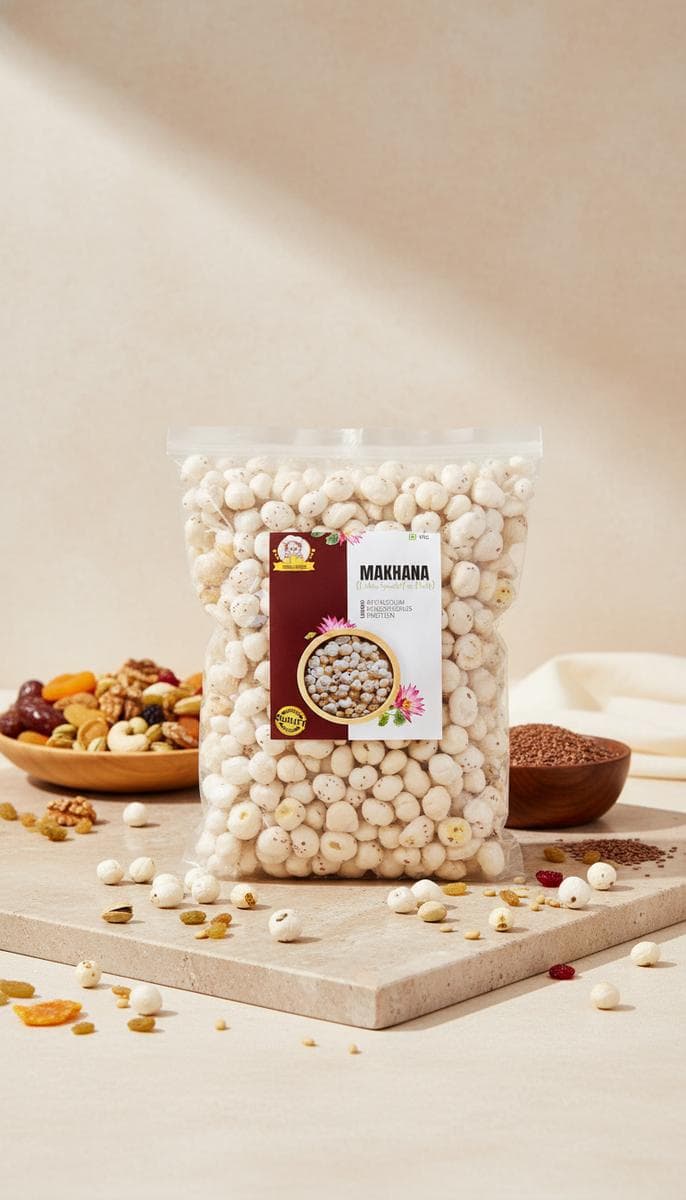
#1Makhana (Fox Nuts)
The single best weight-loss dry fruit in India. Virtually zero fat, high fibre, keeps you full for hours. Can be roasted with minimal ghee for evening snacking without guilt.
Calories
347 kcal / 100g
Protein
9g
Fibre
7g
Fat
0.1g
Daily
30g (roasted)
 #2
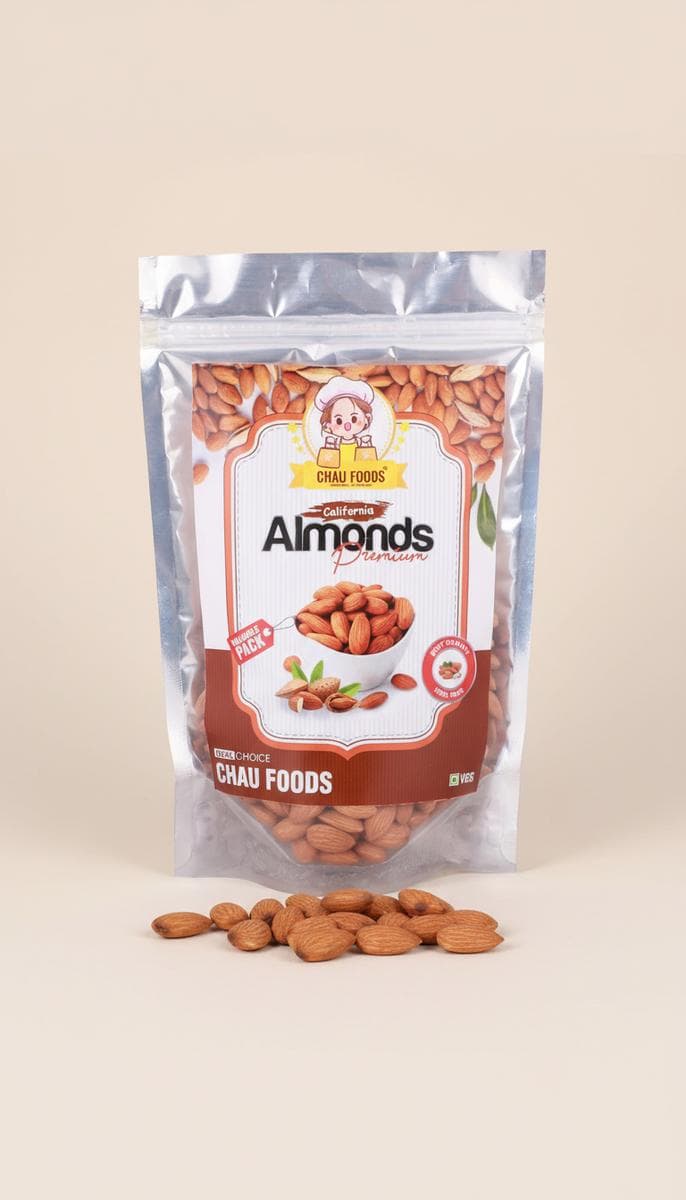
#2California Almonds (Soaked)
Vitamin E powerhouse with 21g protein per 100g. Soak overnight to remove tannins and improve absorption. Boosts metabolism, reduces hunger, and supports healthy weight loss.
Calories
579 kcal / 100g
Protein
21g
Fibre
12g
Fat
50g (healthy)
Daily
8-10 almonds
 #3
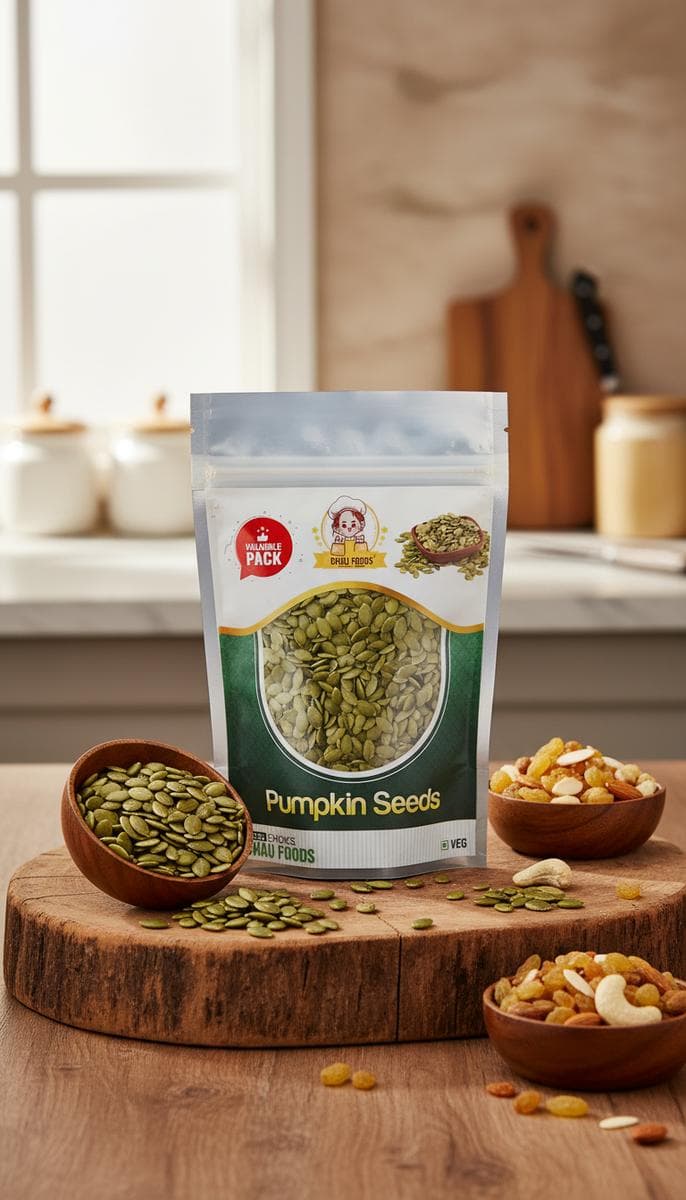
#3Pumpkin Seeds
Highest-protein seed at 30g per 100g. Rich in magnesium (550mg) and zinc. Excellent for post-workout recovery, blood sugar control, and reducing sugar cravings.
Calories
559 kcal / 100g
Protein
30g
Fibre
6g
Fat
49g
Daily
1 handful (30g)
 #4
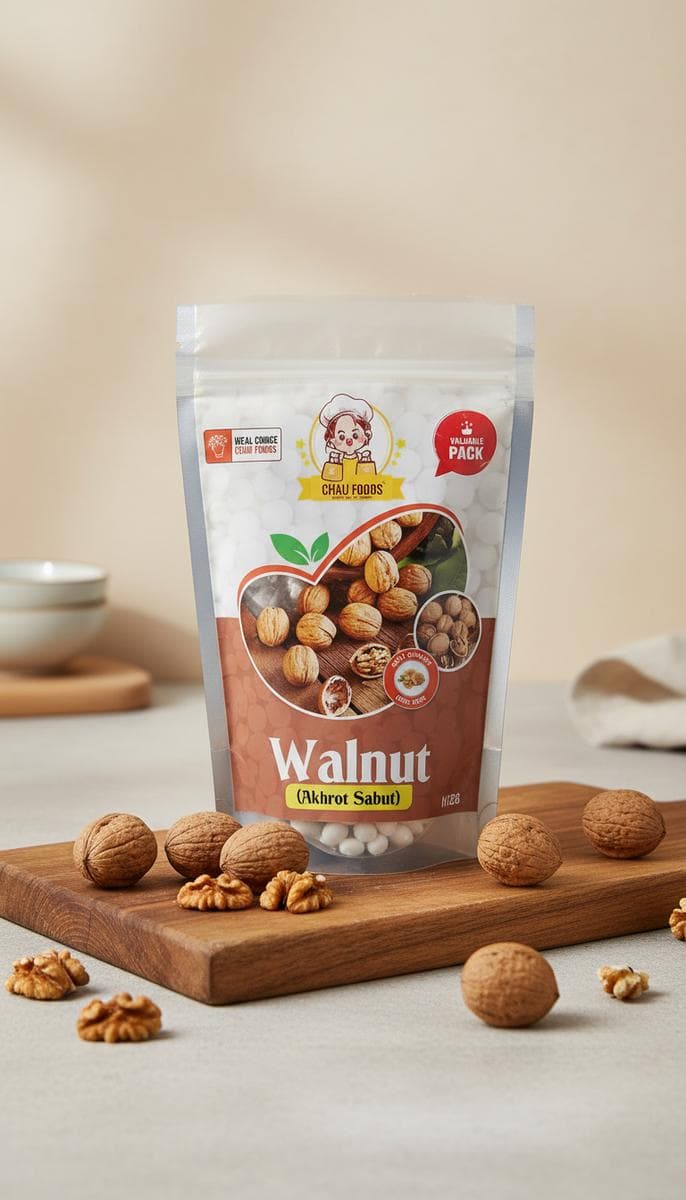
#4Walnuts (Akhrot)
Only nut with significant omega-3 content (9.1g per 100g). Reduces inflammation, supports brain health, and curbs late-night cravings. Eat raw or as a salad topping.
Calories
654 kcal / 100g
Protein
15g
Fibre
6.7g
Fat
65g (omega-3)
Daily
4-5 halves
 #5
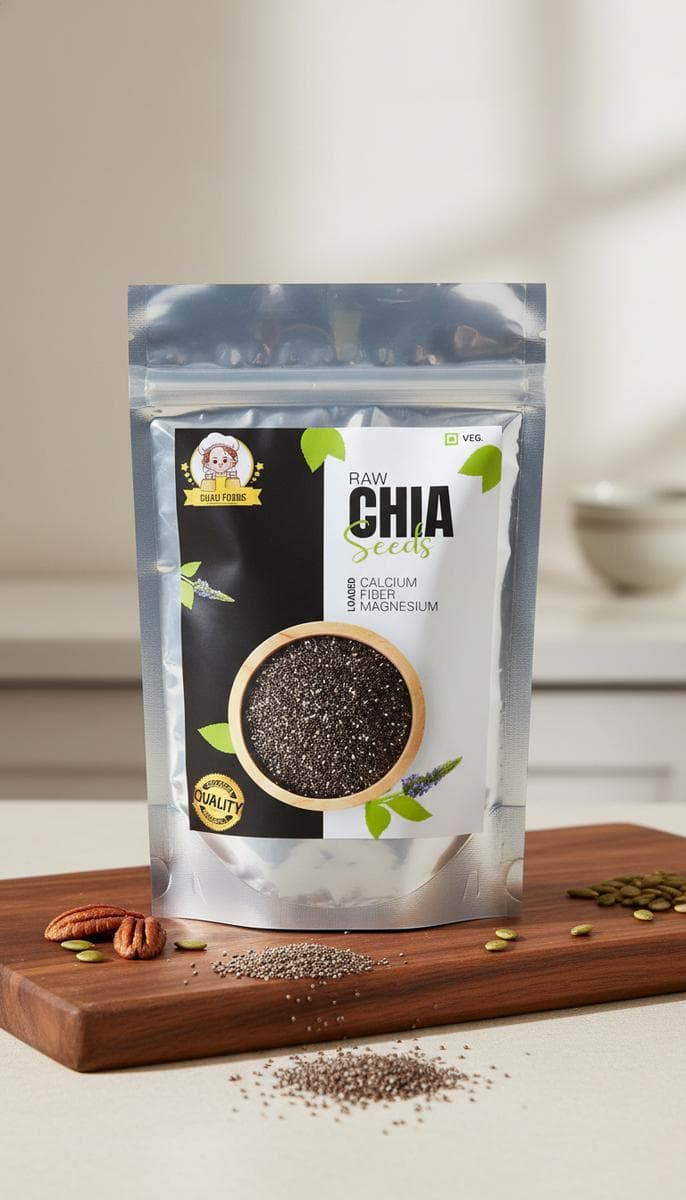
#5Chia Seeds
Highest-fibre seed available - 34g per 100g. Absorbs 10x its weight in water, expanding in your stomach to reduce appetite naturally. Perfect for morning smoothies or overnight puddings.
Calories
486 kcal / 100g
Protein
17g
Fibre
34g
Fat
31g
Daily
2 tablespoons
4 rules for weight loss with dry fruits
Dry fruits alone won't melt body fat. Follow these four science-backed rules to get real results.
Stick to daily portions
Dry fruits are calorie-dense. Even "healthy" nuts can stall weight loss if you eat too much. A kitchen scale or measuring cup is your best friend.
Eat them at the right time
Morning soaked almonds + walnuts (breakfast), makhana as evening snack, pumpkin seeds as salad topping, chia seeds in overnight pudding. Avoid eating nuts after 8 PM.
Choose raw over roasted-salted
Roasted-and-salted versions add unnecessary sodium and sometimes oil. Always buy plain, raw nuts and roast them at home with minimal ghee if needed.
Combine with protein + fibre meals
Dry fruits alone won't cause weight loss. Pair them with a high-protein, high-fibre diet, 7-8 hours of sleep, and 30 minutes of daily movement for real results.
Want the complete weight-loss kit?
Our combo packs bundle makhana, almonds, and seeds together at up to 23% off - perfect for a one-month weight loss snacking routine.
Browse Weight Loss Combos →Frequently Asked Questions
Which is the best dry fruit for weight loss in India?+
Makhana (fox nuts) is widely considered the best dry fruit for weight loss in India. Just 100g contains about 347 calories with 9g protein, 7g fibre, and nearly zero fat (0.1g). Other top choices include soaked almonds (8-10 per day), pumpkin seeds (a handful daily), chia seeds (2 tablespoons), and walnuts (4-5 halves).
Can I eat almonds during weight loss?+
Yes, eating 8-10 soaked almonds per day is highly recommended during weight loss. Almonds contain 21g protein and 12g fibre per 100g, which help you stay full longer and reduce overeating. Always stick to a controlled portion - 10 almonds = about 70 calories.
How many calories are in 100g of makhana?+
100g of plain, unroasted makhana contains approximately 347 calories, 9g of plant protein, 7g of dietary fibre, and only 0.1g of fat. This makes it one of the lowest-calorie, highest-protein snacks available for weight loss - ideal for evening cravings and fasting days.
What is the daily portion of dry fruits for weight loss?+
For weight loss, stick to these daily portions: 8-10 soaked almonds (70 kcal), 4-5 walnut halves (90 kcal), 1 handful (30g) pumpkin seeds (170 kcal), 30g makhana roasted with minimal ghee (~105 kcal), and 2 tablespoons chia seeds (140 kcal). Total: roughly 575 kcal spread across the day.
Which seeds are best for belly fat loss?+
Pumpkin seeds, chia seeds, and flax seeds are the top choices for belly fat loss. Pumpkin seeds contain 30g protein and 549 calories per 100g with high magnesium. Chia seeds (17g protein, 34g fibre per 100g) absorb water and keep you full. Flax seeds contain lignans that may reduce visceral fat over time.
Where can I buy authentic weight-loss dry fruits in India?+
Buy from trusted D2C brands like Chau Foods that offer direct sourcing, FSSAI certification, fresh-per-order packing, and zero added oil or salt. Avoid supermarket brands that add preservatives, and be careful with Amazon brands that store stock in warehouses for 60-180 days before shipping.
Start your weight-loss snack routine today
Free delivery on orders above ₹2,499. FSSAI certified. Handpicked, freshly packed, delivered to your door.
+91 95990 21447·hello@chaufoods.com·FSSAI 13321008000704