Buy online
Freshly packed, delivered in 3 to 5 days


Free delivery on orders ₹399+ · Cash on Delivery available
Quick Summary
Quick Answer
Almonds, walnuts, and pistachios are safe for diabetics as they have low glycemic index (GI) and improve insulin sensitivity, while raisins, dates, and figs should be strictly limited due to high sugar concentration. Diabetics should consume dry fruits in measured portions (25-30 grams daily), pair them with protein and fiber for slower glucose absorption, and time consumption away from meals for optimal blood sugar control.
Understanding Glycemic Index and Dry Fruits
Featured Product
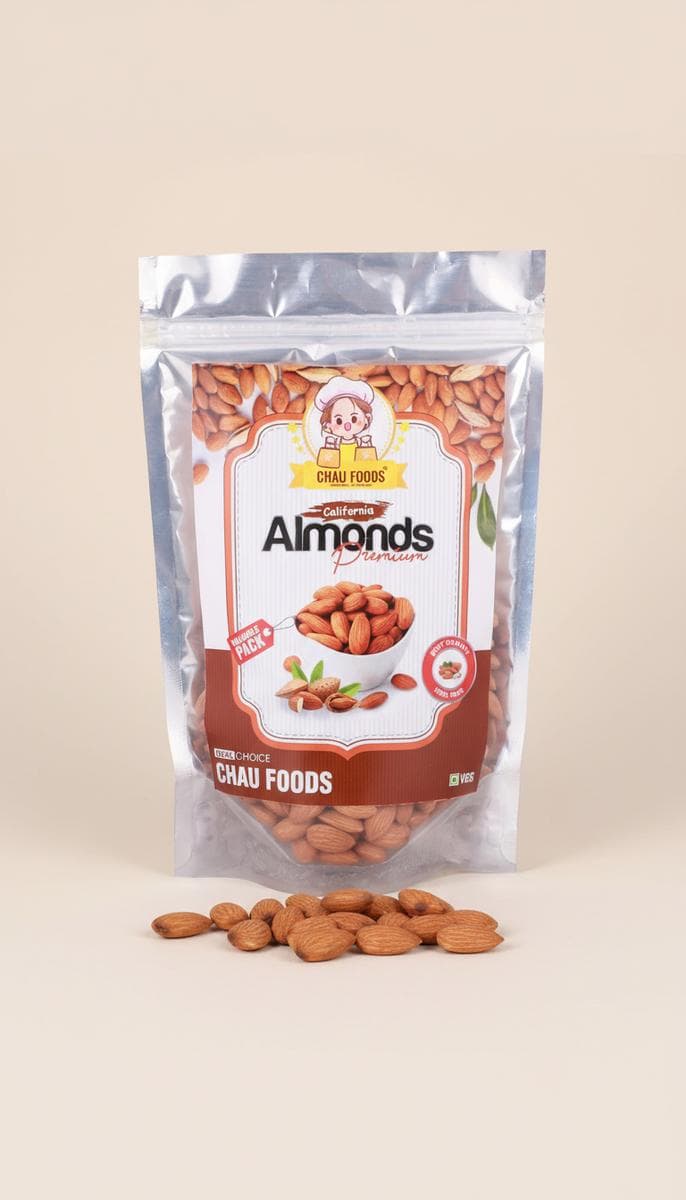
Premium California Almonds 🇺🇸
Premium California almonds — 21g protein, Vitamin E rich, ideal for daily soaking & snacking
✓ FSSAI certified · Free delivery ₹399+
Why does glycemic index matter for diabetics?
The Glycemic Index (GI) measures how quickly a food raises blood glucose levels. For individuals managing diabetes, choosing low-GI foods is crucial for maintaining stable blood sugar and reducing insulin demand. Most traditional dry fruits are naturally sweet and calorie-dense, making them potentially problematic. However, the ICMR recognizes that certain nuts with balanced protein, fat, and fiber profiles can actually improve insulin sensitivity when consumed appropriately.
Low-GI Dry Fruits Safe for Diabetics
Which nuts are safe for diabetic patients?
Almonds (GI: 0-15)
Almonds are the gold standard for diabetes management. With virtually zero net carbs after accounting for fiber, almonds provide protein (6g per ounce), healthy fats, and magnesium - a mineral crucial for glucose metabolism. Studies show that eating almonds with meals slows glucose absorption and improves insulin sensitivity.
Walnuts (GI: 0-15)
Walnuts are omega-3 powerhouses with negligible carbs and exceptional benefits for insulin sensitivity. Research from the Indian Journal of Endocrinology found that adding walnuts to a diabetic diet improved lipid profiles and reduced inflammatory markers.
Pistachios (GI: 0-15)
American pistachios offer similar benefits to almonds with the added advantage of lutein and zeaxanthin - compounds protecting against diabetic retinopathy. With 6 grams of protein per ounce and high magnesium content, pistachios support stable blood glucose throughout the day.
Pumpkin Seeds (GI: 15-25)
Pumpkin seeds contain magnesium, manganese, and zinc - all crucial for insulin production and glucose utilization.
What about cashews for diabetics?
Cashews are higher in carbohydrates (8-9 grams net carbs per ounce). While not forbidden, cashews should be consumed in strictly limited portions (10-12 nuts maximum) and paired with protein to slow glucose absorption.
High-GI Dry Fruits to Avoid or Strictly Limit
Which dry fruits should diabetics avoid?
Raisins and Dates (GI: 55-66) - Despite their health benefits for non-diabetics, raisins and dates are concentrated sources of natural sugars. A quarter-cup of raisins contains 29 grams of carbs - equivalent to two slices of bread.
Dried Figs (GI: 35-55) - While rich in fiber, dried figs are intensely sweet and calorie-dense. Three dried figs contain approximately 18 grams of carbs.
Dried Mango and Papaya (GI: 40-65) - These tropical dried fruits are essentially candy from a blood sugar perspective.
Glycemic Index Reference Table
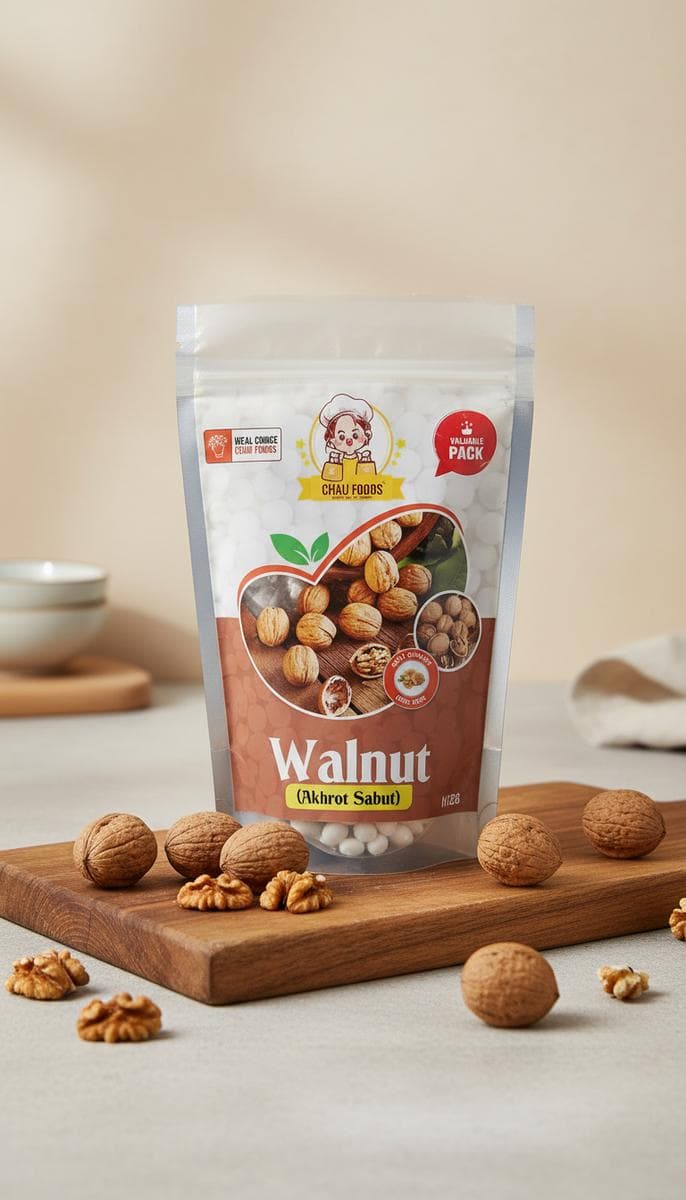
Featured Product
Premium American Walnut Giri 🇺🇸
Shell-free akhrot giri — #1 plant source of omega-3, best for brain health & memory
✓ FSSAI certified · Free delivery ₹399+
| Dry Fruit | GI (Approximate) | Carbs per 1 oz | Verdict for Diabetics |
|---|---|---|---|
| Almonds | 0-15 | 2-3g | Safe, recommended |
| Walnuts | 0-15 | 2g | Safe, recommended |
| Pistachios | 0-15 | 3g | Safe, recommended |
| Pumpkin Seeds | 15-25 | 2g | Safe |
| Cashews | 25-27 | 8-9g | Limit portions |
| Dried Apricots | 32-35 | 11-12g | Avoid |
| Figs | 35-55 | 18g per 3 figs | Avoid |
| Dates | 55-66 | 16g per 2 dates | Strictly avoid |
| Raisins | 55-66 | 29g per 1/4 cup | Strictly avoid |
How Nuts Improve Insulin Sensitivity
What is the mechanism behind nuts and blood sugar control?
Magnesium: Almonds and walnuts are rich in magnesium, an essential cofactor for over 300 enzymes involved in glucose metabolism.
Polyphenols: The antioxidants in nuts reduce inflammation that drives insulin resistance.
Fiber and Fat Combination: Slows gastric emptying, ensuring glucose enters the bloodstream gradually.
Alpha-linolenic acid (ALA): The omega-3 content in walnuts improves insulin secretion patterns and reduces post-meal glucose spikes by 20-30%.
ICMR Guidelines for Diabetic Dry Fruit Consumption
What do official Indian health guidelines say?
The ICMR recognizes that diabetics can safely consume 25-30 grams of nuts daily without adverse blood sugar effects. This translates to approximately:
- 23 almonds
- 14 walnut halves
- 49 pistachios
- 30 pumpkin seeds
The ICMR emphasizes that portions must be measured and consistent.
Recommended Daily Portions for Diabetics
How much can a diabetic safely consume daily?
- Almonds: 25-30 grams (approximately 23 nuts) daily
- Walnuts: 30 grams (approximately 7 walnut halves) daily
- Pistachios: 30 grams (approximately 49 nuts) daily
- Pumpkin seeds: 30 grams daily
- Sunflower seeds: 25 grams daily
- Mixed nuts/seeds: 30 grams total daily
Meal Timing and Strategic Consumption
When should diabetics eat dry fruits?
Morning with tea: Consuming almonds with morning tea stabilizes blood glucose throughout the day.
Pre-meal appetizer: Eating 10-15 nuts 15-20 minutes before a carbohydrate-rich meal improves glucose response by 15-25%.
With citrus fruits: Pairing fruit with nuts creates a balanced glycemic response. For example: apple + 10 almonds is acceptable; apple alone is not.
Avoid evening consumption: Large portions late in the day can create nighttime blood glucose fluctuations.
Signs Your Body Is Responding Well
How do you know if nuts are helping blood sugar control?
Within 2-4 weeks of properly incorporating nuts, diabetics should notice:
- More stable energy: No mid-afternoon crashes
- Reduced sweet cravings: Nuts' satiety effect naturally reduces desire for sugary foods
- Better sleep quality: Stable blood glucose improves sleep
- Improved mood: Nuts' magnesium and B vitamins support neurotransmitter function
- Lower HbA1c: After 8-12 weeks, monitoring should show improving long-term glucose control
Frequently Asked Questions
Q: Can diabetics eat nut butters and nut-based products?
Nut butters are acceptable if unsweetened and portion-controlled (1 tablespoon maximum daily). Whole nuts are preferable because their fiber and nutrient density is partially lost during processing.
Q: Are roasted and salted nuts okay for diabetics?
Yes, roasting does not significantly change glycemic impact. However, minimize salt intake - choose lightly salted or unsalted varieties from Chau Foods.
Q: Can diabetics consume makhana?
Yes, makhana (lotus seeds) is excellent for diabetics with extremely low carbs (7g per 30g serving) and good protein content. It is one of the safest traditional Indian snack options for blood sugar management.
Q: How do chia seeds and flax seeds compare for diabetics?
Both chia seeds and flax seeds are exceptional for blood sugar control due to very high fiber content (8-9g per ounce) and low net carbs. They can be consumed slightly more liberally (up to 2 tablespoons daily).
Q: What if a diabetic accidentally consumes high-GI dried fruits?
A single serving will not cause lasting damage. Monitor blood glucose if possible and return to low-GI nuts immediately. One lapse is manageable; consistent poor choices compound problems.
Q: Should diabetics take nuts as supplements or whole food?
Whole nuts are always preferable to supplements or extracts. The synergy between fiber, nutrients, and phytocompounds in whole nuts creates superior metabolic effects.
Diabetes-Friendly Picks (portion matters)
| Dry fruit | Blood-sugar impact | Portion |
|---|---|---|
| Almonds | Very low | 8-10 |
| Walnuts | Very low | 4-5 halves |
| Pistachios | Low | 15-20 |
| Makhana | Low | 30 g |
| Raisins | Higher - limit | 6-8 only |
Editorial Note
How we publish Chau Foods blog guides
This article is published by the Chau Foods editorial team for general food education, ingredient guidance, and shopping support. It is not a substitute for medical advice, diagnosis, or treatment.
Reader Checklist
- Published on 19 April 2026
- Last reviewed and updated on 19 April 2026 by the Chau Foods editorial team.
- Use this guide for food education and buying decisions, not medical treatment.
- If you have allergies or a clinical diet plan, check with a qualified professional first.
About the Author
Chau Foods Editorial Team
This guide is written and fact-checked by the Chau Foods editorial team - a small group of FSSAI-certified food specialists based in Rohini, Delhi. Led by founder Mohit, the team combines direct farm-sourcing experience (California almonds, Bihar makhana from Darbhanga & Madhubani, Kashmir walnuts, Kerala spices) with hands-on quality control at the Chau Foods packing facility. We publish only what we would feed our own families, cite Indian nutrition data where relevant, and refresh every article when sourcing, pricing, or health guidelines change.
- Credentials
- FSSAI Lic. 13321008000704
- Based in
- Rohini, Delhi · since 2020
- Rating
- 4.9/5 · 27+ Google reviews
Keep Exploring
Shop related collections and next steps
Use this guide to compare options, then move directly into the most relevant collection, brand story, or bulk-order path.
Dry Fruits Collection
Browse premium dry fruits and pantry-friendly staples selected for everyday snacking.
Shop the collectionWhy Chau Foods
Learn more about our sourcing, freshness standards, and the quality promises behind each product we ship.
Read our storyBulk & gifting help
Need larger quantities, office snacks, festive gifting, or repeat ordering support? Start with our bulk orders page.
Start a bulk enquiry