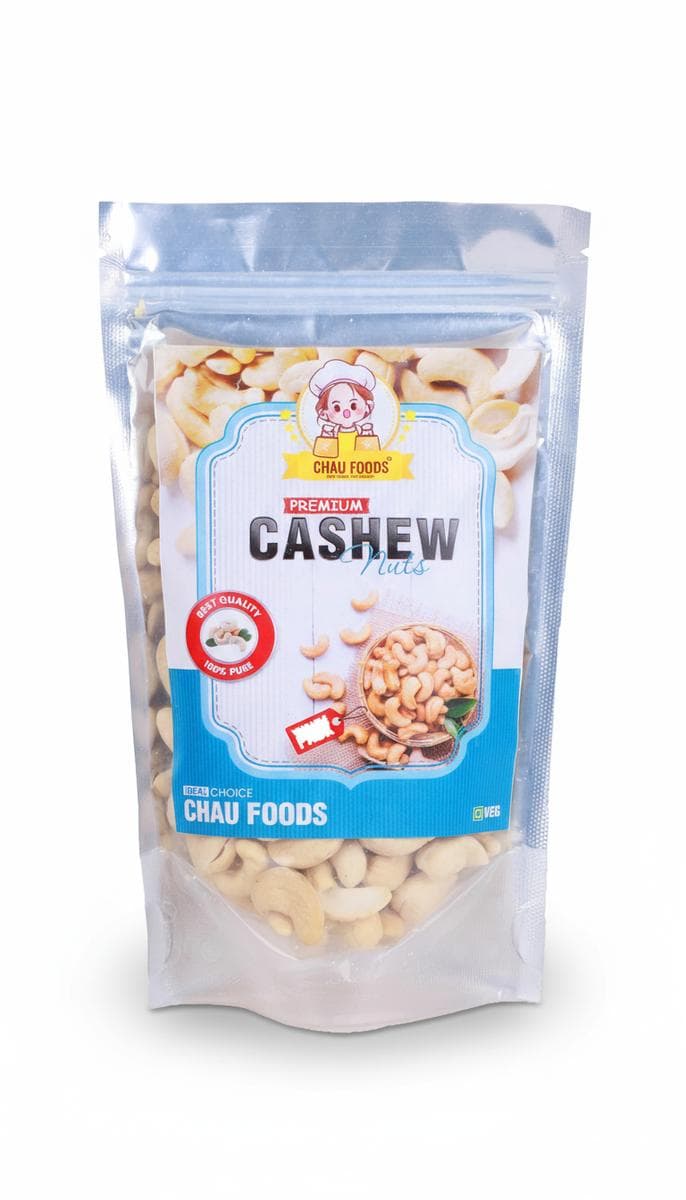
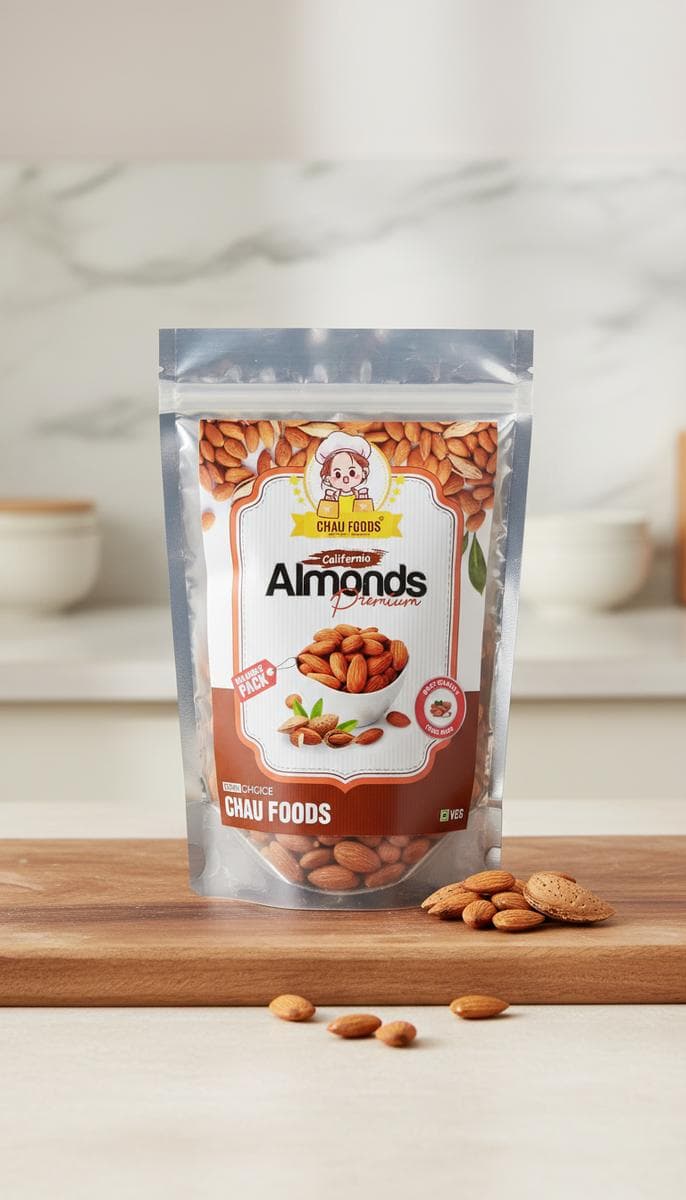
Buy online
Freshly packed, delivered in 3 to 5 days


Free delivery on orders ₹399+ · Cash on Delivery available
Quick Summary
Quick Answer
Pistachios are uniquely beneficial for weight loss and diabetes management because their shells naturally slow eating pace, reducing overall consumption and blood sugar spikes. Combined with high antioxidant content, lutein for eye protection, and proven benefits for heart health, American pistachios deliver multiple metabolic and nutritional advantages in a satisfying snack format.
Pistachios: The Weight Loss & Diabetes Management Dry Fruit
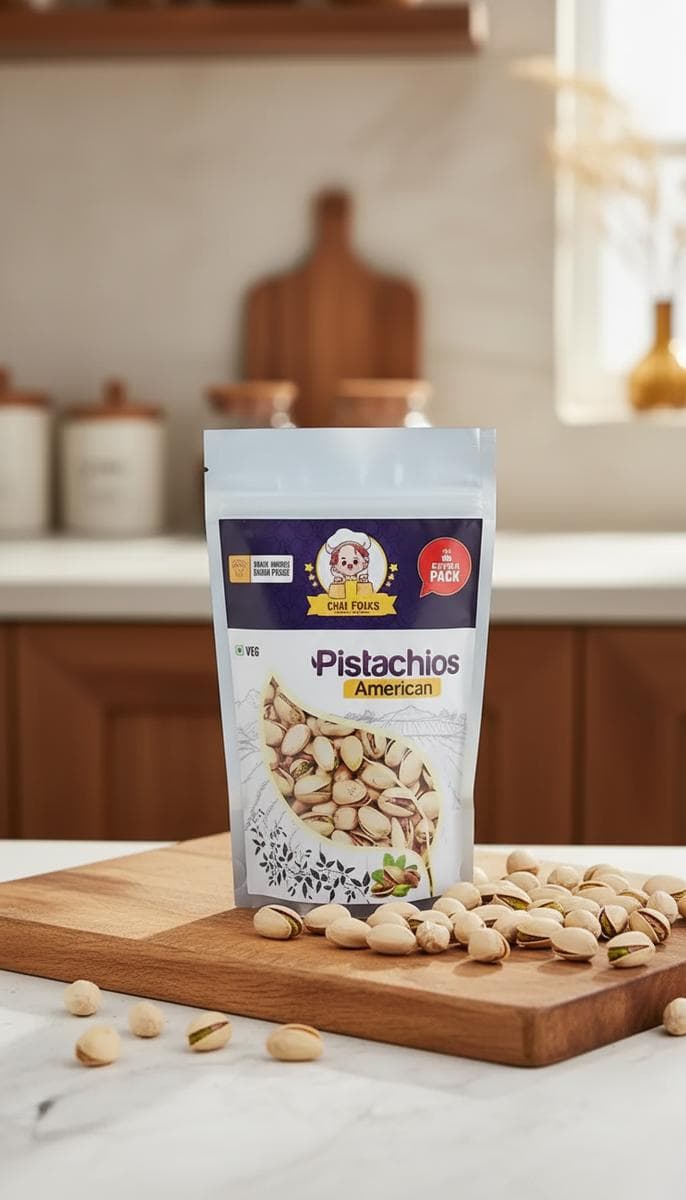
Featured Product
Premium American Pistachios 🇺🇸
American pista — 20g protein, lowest-calorie nut, naturally split shells, roasted & salted
✓ FSSAI certified · Free delivery ₹399+
Pistachios occupy a special niche in nutrition science-they're one of the few foods where the *format* of consumption fundamentally impacts health outcomes. The shell-cracking ritual isn't just enjoyable; it's metabolically transformative. Known as pista in Hindi, pistachios have transitioned from luxury items to accessible daily nutrition tools for Indians managing weight and blood sugar.
American pistachios, sourced from California's ideal growing conditions, offer consistent quality and superior nutrient density compared to other regional varieties. Understanding why and how to use them effectively is crucial for maximizing their benefits.
The Pistachio Principle: How Shells Aid Weight Management
Why do shells make pistachios better for weight loss?
The "Pistachio Principle" refers to research showing that the physical effort of cracking shells creates a natural eating pace restriction. Studies demonstrate that people consuming in-shell pistachios eat approximately 40% fewer calories than those eating pre-shelled versions-not because they eat less overall, but because the mechanical process triggers satiety signals faster.
When you're required to work for each kernel-cracking, removing, eating-your brain receives more time to register fullness. This delay, typically 15-20 minutes, prevents overconsumption driven by mindless eating. For weight loss, this single factor is transformative.
Additionally, the accumulating shells create visual feedback of consumption. Seeing a pile of shells before you triggers psychological satiation differently than consuming from a bag where quantity is invisible. This visual anchoring helps prevent the "just one more handful" overeating pattern.
How much weight can you lose by switching to in-shell pistachios?
In clinical studies, participants switching from regular snacks to in-shell pistachios as their afternoon snack lost an average of 0.5-1 kg monthly without other dietary changes. Over 12 months, this translates to 6-12 kg of weight loss-significant enough to shift metabolic health markers like blood pressure and insulin sensitivity.
The beauty is this isn't about restriction; it's about reframing the eating experience to align with your body's natural satiety mechanisms.
Blood Sugar Control & Diabetes Management
How do pistachios help manage diabetes?
Pistachios contain a unique compound profile that addresses diabetes through multiple pathways. First, they have a low glycemic index (GI around 23), meaning their carbohydrates are absorbed slowly, preventing rapid blood sugar spikes. Second, they're rich in magnesium, which directly improves insulin sensitivity-the ability of cells to respond to insulin and utilize glucose.
Research published in diabetes-focused journals demonstrates that Type 2 diabetics consuming 28-42 grams of pistachios daily showed measurably improved glucose control within 6 weeks. Their fasting blood sugar decreased, and their HbA1c (three-month average glucose) improved by 0.5-1%, which is clinically significant without medication changes.
The mechanism works through several factors: the fat and protein combination slows carbohydrate absorption, the polyphenols reduce inflammation that worsens insulin resistance, and the magnesium literally enables the cellular machinery of glucose metabolism.
Why are pistachios better than other snacks for diabetics?
Unlike refined carbohydrate snacks (biscuits, namkeen, white bread), pistachios don't cause the blood sugar roller coaster that damages pancreatic function and worsens diabetes over time. Compared to other nuts, pistachios offer superior magnesium content relative to calories, making them specifically targeted for glucose management.
A diabetic eating pistachios experiences stable energy for 3-4 hours post-snack, whereas the same person eating a similar-calorie cookie experiences energy crashes at 90 minutes, driving further hunger and overeating.
Heart Health & Cardiovascular Protection
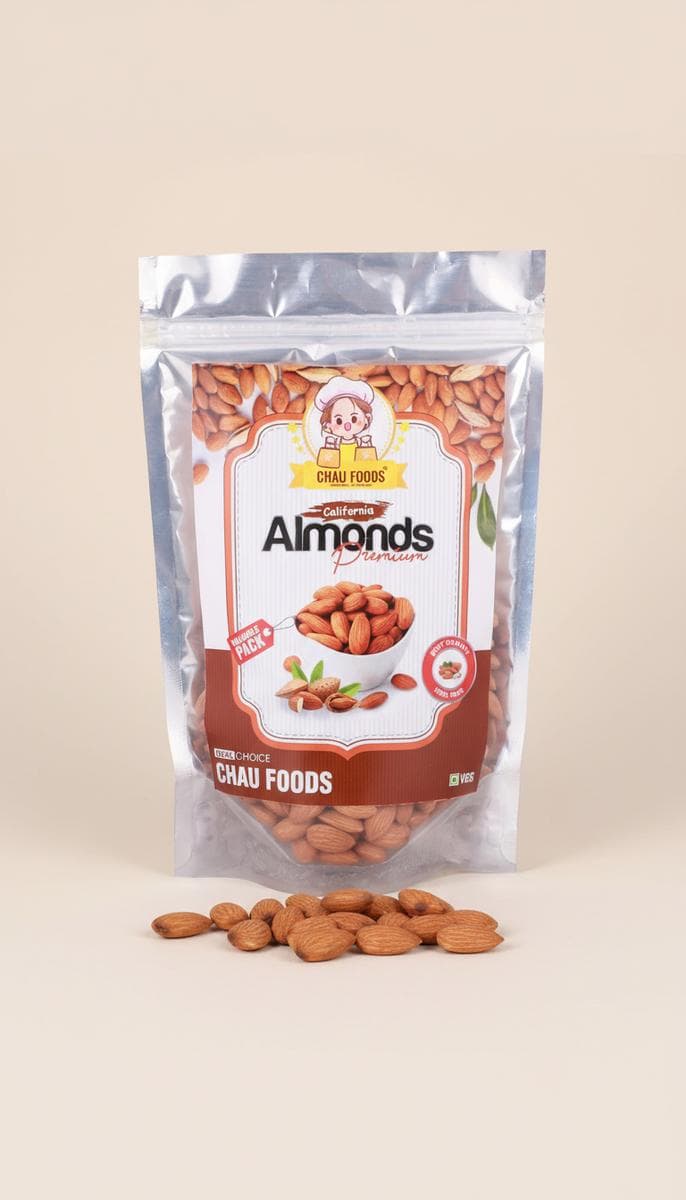
Featured Product
Premium California Almonds 🇺🇸
Premium California almonds — 21g protein, Vitamin E rich, ideal for daily soaking & snacking
✓ FSSAI certified · Free delivery ₹399+
What cardiovascular benefits do pistachios provide?
Pistachios are abundant in arginine, an amino acid that improves endothelial function-the health of the cells lining your blood vessels. Healthy endothelial cells produce nitric oxide, which relaxes blood vessels and improves blood flow, naturally reducing blood pressure.
The monounsaturated and polyunsaturated fat profile in pistachios actively reduces LDL cholesterol while maintaining protective HDL cholesterol. Studies show that consuming pistachios instead of saturated fats (ghee, butter) reduces cardiovascular disease risk by 15-20% over 2-3 years.
Additionally, pistachios contain polyphenols-powerful antioxidants that reduce inflammation in blood vessel walls. Inflammation is the underlying driver of atherosclerosis development; by consuming pistachios, you're actively suppressing this pathological process at the cellular level.
How much do pistachios lower cholesterol?
Regular pistachio consumption (approximately 42 grams, or one small handful, daily) lowers LDL cholesterol by 5-10% and slightly raises beneficial HDL cholesterol. For someone with borderline high cholesterol, this effect can prevent the need for medications while creating the metabolic shift that enables weight loss and improved energy.
Eye Health & Visual Protection
How do pistachios protect eye health?
Pistachios are exceptional sources of lutein and zeaxanthin-carotenoid pigments that accumulate in your eye's macula and provide antioxidant and blue-light filtering protection. These compounds are scientifically proven to reduce age-related macular degeneration (AMD) risk and slow progression in those with early disease.
For Indians in the tech industry spending 8-12 hours daily on screens, pistachio consumption is a practical dietary intervention for eye strain prevention and long-term visual preservation. The lutein essentially creates a sunscreen inside your eye, protecting retinal cells from oxidative damage.
What's the daily pistachio amount for eye health?
Approximately 28-42 grams daily provides sufficient lutein and zeaxanthin (approximately 10-12 mg total) to meaningfully impact eye health. Within 8-12 weeks of consistent consumption, many people report improved visual comfort, reduced screen fatigue, and clearer vision-particularly those previously deficient in carotenoids.
Gut Health & Prebiotic Benefits
Do pistachios improve digestive health?
Yes, through multiple mechanisms. Pistachios contain resistant starch and dietary fiber that feed beneficial gut bacteria, functioning as prebiotics. This changes your microbiome composition toward protective species (like Faecalibacterium and Roseburia), which produce short-chain fatty acids that heal the intestinal barrier.
People consuming pistachios regularly report improved digestion, fewer bloating episodes, and more consistent bowel movements. This occurs because your gut bacteria are now fed with the prebiotic compounds they require to thrive.
The improved gut barrier also reduces systemic inflammation, which has cascade effects on weight loss (inflammation suppresses metabolic rate), diabetes management (inflammation worsens insulin resistance), and mental health (the gut-brain axis).
How long until you notice digestive improvements?
Most people experience changes within 2-4 weeks of daily pistachio consumption. If you're not accustomed to fiber-rich foods, introduce pistachios gradually to allow your gut microbiota adaptation and avoid temporary bloating.
Antioxidant Power & Disease Prevention
What antioxidants do pistachios contain?
Pistachios are remarkably rich in anthocyanins, resveratrol, and procyanidins-polyphenol compounds that neutralize free radicals and reduce oxidative stress throughout your body. Oxidative stress is the underlying mechanism of aging and most chronic diseases (cardiovascular disease, diabetes, cancer, neurodegeneration).
A pistachio kernel contains more antioxidant activity per gram than many berries, despite being a nut. This exceptional antioxidant density is why pistachio consumption shows dose-dependent improvements in markers of aging and disease risk across population studies.
How do these antioxidants prevent disease?
By neutralizing free radicals before they damage cellular DNA, proteins, and fats, antioxidants prevent the accumulation of cellular damage that drives disease development. Someone consuming pistachios daily experiences measurably lower markers of oxidative stress (measured through MDA and protein carbonyl levels) within weeks.
Lower oxidative stress means better cellular repair mechanisms, improved immunity, slower aging, and reduced cancer risk-among the foundational mechanisms through which nuts protect longevity.
Understanding American Pistachio Quality
American pistachios from California offer superior consistency because of strictly regulated growing conditions, careful harvesting timing, and standardized processing protocols. Unlike some regional varieties that vary significantly in fat content and nutrient density, American pistachios are reliably high-quality.
When purchasing American pistachios, look for natural color (cream to light green), intact kernels, and absence of mold smell. Properly stored (cool, dry conditions), they maintain nutrient density for months.
How to Use Pistachios for Maximum Benefits
What's the optimal daily pistachio amount?
The evidence-based recommendation is 28-42 grams daily-approximately 45-50 whole in-shell pistachios. This amount delivers complete cardiovascular, metabolic, and antioxidant benefits while maintaining a calorie-appropriate snack format.
For weight loss specifically, consume in-shell versions as your afternoon snack. For blood sugar management, include pistachios in your morning or lunch meal alongside other whole foods rather than as an isolated snack.
Best times to eat pistachios during the day?
Consume pistachios 2-3 hours before meals to avoid interfering with meal digestion, or with meals if your goal is blood sugar stabilization. Many find afternoon consumption (3-4 PM) optimal because it prevents post-lunch energy crashes and subsequent overeating.
For diabetics, including pistachios with lunch (rather than as a separate snack) provides better blood glucose control because the fat slows overall meal carbohydrate absorption.
Can roasted pistachios deliver the same benefits?
Light roasting (below 160°C) preserves most nutrients. Heavily salted, heavily roasted varieties should be avoided because the sodium load counteracts blood pressure benefits. Look for naturally roasted, unsalted pistachios or American pistachios that maintain minimal processing.
Pistachios vs. Other Weight Loss Snacks
Compared to most weight loss snacks, pistachios uniquely combine satiety (from fat and protein), slow absorption (low GI), metabolic support (magnesium), and the mechanical satiation of shell-cracking. Unlike protein bars (often high sugar), fruit (high fructose, rapid absorption), or yogurt (milk may trigger inflammation), pistachios address multiple weight loss mechanisms simultaneously.
This is why pistachio snacking produces consistent, measurable weight loss in research studies-it's not a gimmick but a reengineered eating experience that aligns with human metabolic physiology.
Pistachio Safety & Allergies
Tree nut allergies require pistachio avoidance. For those without allergies, pistachios are exceptionally safe. Some people experience mild digestive adjustment (bloating) in the first 1-2 weeks; this resolves as your microbiota adapts to the prebiotic fibers.
Frequently Asked Questions
Q: Are roasted and salted pistachios healthy?
Lightly roasted, unsalted pistachios preserve maximum nutrients and avoid the sodium load that undermines blood pressure benefits. Heavily roasted or heavily salted varieties should be limited. Choose natural varieties without added oils or excessive seasoning.
Q: How do pistachios compare to almonds for weight loss?
Almonds are nutritious but lack the shell-eating mechanism that uniquely slows consumption. Pistachios' built-in portion control makes them superior for weight loss specifically, though almonds offer excellent vitamin E content. Include both for comprehensive nutrition.
Q: Can I eat pistachios if I have a nut allergy?
Tree nut allergies typically affect multiple nuts similarly. If you have tree nut allergy, pistachio avoidance is necessary. Consult your allergist before introduction if you have any uncertainty.
Q: Do pistachios interact with diabetes medications?
Pistachios improve insulin sensitivity and may reduce medication requirements over time. If taking diabetes medications, consult your physician about potential dosage adjustments as your blood sugar control improves with regular pistachio consumption.
Q: How should I store pistachios to maintain freshness?
Store in airtight containers in cool, dry conditions (refrigerator is ideal). Properly stored pistachios maintain nutrient density and prevent rancidity for 6-12 months. Avoid warm, humid storage that accelerates oxidation.
Q: Can children eat pistachios?
Yes, pistachios are safe for children and provide excellent nutrients for growing bodies. However, ensure in-shell pistachios are consumed under supervision to prevent choking risk in very young children. Shelled pistachios are appropriate for children under 5.
Key Takeaway
Conclusion
The Pistachio Principle-the realization that shells fundamentally improve weight loss outcomes-represents a paradigm shift in how we approach snacking. Rather than relying on willpower or restriction, pistachios work *with* human physiology to reduce consumption naturally.
When combined with their blood sugar stabilizing effects, heart-protective compounds, and eye-health lutein content, pistachios emerge as perhaps the most evidence-backed snack for someone prioritizing weight loss while managing diabetes. The research consistently demonstrates that 28-42 grams of American pistachios daily produces measurable metabolic improvements within 6-8 weeks.
In Delhi's health-conscious circles and across India's metros, pistachio consumption is becoming a nutritional cornerstone for those seeking sustainable weight loss without the metabolic damage of calorie restriction. Start with in-shell pistachios as your afternoon snack, maintain the habit for 8 weeks, and measure the transformation in your energy, body composition, and blood glucose stability.
Editorial Note
How we publish Chau Foods blog guides
This article is published by the Chau Foods editorial team for general food education, ingredient guidance, and shopping support. It is not a substitute for medical advice, diagnosis, or treatment.
Reader Checklist
- Published on 18 April 2026
- Last reviewed and updated on 18 April 2026 by the Chau Foods editorial team.
- Use this guide for food education and buying decisions, not medical treatment.
- If you have allergies or a clinical diet plan, check with a qualified professional first.
About the Author
Chau Foods Editorial Team
This guide is written and fact-checked by the Chau Foods editorial team - a small group of FSSAI-certified food specialists based in Rohini, Delhi. Led by founder Mohit, the team combines direct farm-sourcing experience (California almonds, Bihar makhana from Darbhanga & Madhubani, Kashmir walnuts, Kerala spices) with hands-on quality control at the Chau Foods packing facility. We publish only what we would feed our own families, cite Indian nutrition data where relevant, and refresh every article when sourcing, pricing, or health guidelines change.
- Credentials
- FSSAI Lic. 13321008000704
- Based in
- Rohini, Delhi · since 2020
- Rating
- 4.9/5 · 27+ Google reviews
Keep Exploring
Shop related collections and next steps
Use this guide to compare options, then move directly into the most relevant collection, brand story, or bulk-order path.
Dry Fruits Collection
Browse premium dry fruits and pantry-friendly staples selected for everyday snacking.
Shop the collectionWhy Chau Foods
Learn more about our sourcing, freshness standards, and the quality promises behind each product we ship.
Read our storyBulk & gifting help
Need larger quantities, office snacks, festive gifting, or repeat ordering support? Start with our bulk orders page.
Start a bulk enquiry