Diabetes and Dry Fruits: The Paradox
This is the central challenge with dry fruits and diabetes: they're simultaneously one of the most nutrient-dense foods available and potentially problematic from a blood sugar perspective.
Most dry fruits are concentrated sources of natural sugars. Remove water from grapes, and you get raisins with 65% sugar by weight. Remove water from dates, and you get 66% sugar. From a glucose management standpoint, this seems disastrous.
Yet the evidence shows something surprising: certain diabetic individuals who eat specific dry fruits in controlled portions have *better* blood sugar control than those avoiding them entirely. Understanding why requires diving into glycemic science.
Understanding Glycemic Index and Glycemic Load
This is crucial. Most people confuse these terms, and the confusion leads to poor dietary choices.
Glycemic Index (GI) measures how quickly a food raises blood sugar on a 0-100 scale. Pure glucose is 100. A food with GI of 55 raises blood sugar about 55% as fast as pure glucose.
Glycemic Load (GL) adjusts for portion size: GL = GI × (grams of carbs ÷ 100)
This distinction changes everything. Many dry fruits have moderate GI values, but because of portion sizes and fiber content, their GL is manageable.
Example: Raisins have a GI of 64 (relatively high), but one small handful (about 43g) contains only 32g of carbs. The GL is 20, which is manageable in the context of a complete meal with protein and fat.
This doesn't mean raisins are ideal for diabetics (we'll explain why), but it shows that GI alone is misleading.
Almonds: The Diabetes Superstar
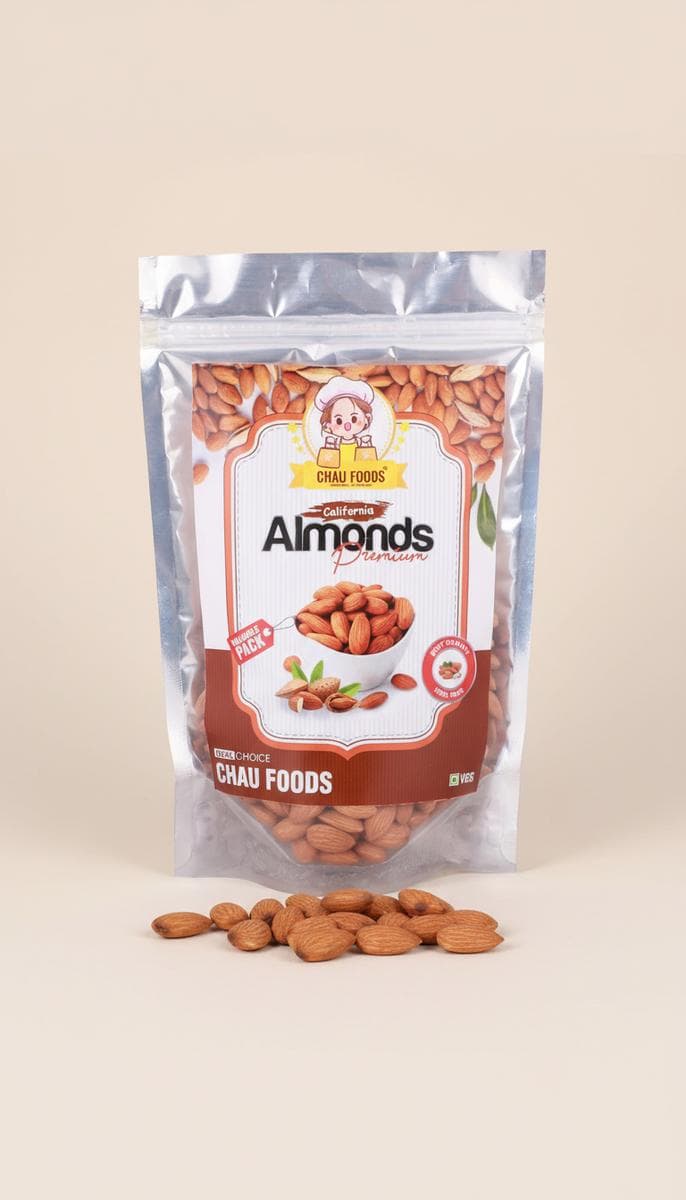
Almonds are possibly the best dry fruit for diabetics. Here's why:
Glycemic Index: 0
This sounds impossible, but almonds are almost entirely fat and protein with minimal digestible carbs. The carbs they contain are offset by fiber.
The actual effect on blood sugar: negligible. One ounce of almonds won't raise your blood glucose in any meaningful way.
Insulin Sensitivity Benefits
Almonds contain specific compounds that improve insulin sensitivity:
Research from the American Journal of Clinical Nutrition shows that people with prediabetes who eat almonds regularly have improved fasting glucose levels and HbA1c values compared to non-eaters.
Recommended amount for diabetics: 1 ounce (23 almonds) daily can be eaten without any blood glucose concern. Some diabetologists recommend up to 1.5 ounces for additional benefits.
Walnuts: The Metabolic Improver
Walnuts are uniquely beneficial for diabetics due to omega-3 content and specific research findings.
The Research
A landmark study published in Diabetes Care followed people with type 2 diabetes who consumed 43g of walnuts daily. After 12 weeks:
These results persisted even in the context of unchanged body weight, suggesting walnuts work through metabolic mechanisms, not just weight loss.
Why This Happens
Walnuts' ALA (alpha-linolenic acid) influences metabolic pathways that improve glucose handling. Additionally:
Glycemic Index: Essentially 0
Like almonds, walnuts contain minimal digestible carbs and shouldn't cause glucose spikes.
Recommended amount: 14 halves (1 ounce) daily. The research dose is 43g, but for practical purposes, 1 ounce daily provides significant benefits.
Pistachios: The Antioxidant Choice
Pistachios are often overlooked in diabetes management, but they're excellent.
Unique Benefits
Pistachios contain the highest concentration of lutein and zeaxanthin among nuts—antioxidants that protect blood vessels and reduce inflammation. Diabetic complications often involve blood vessel damage, making these compounds particularly relevant.
Research shows pistachio consumption improves:
Glycemic Index: Approximately 25
This is higher than almonds or walnuts, but still low enough to be safe when portioned properly.
One ounce (49 kernels) contains about 5g of net carbs—minimal impact on blood sugar, especially in the context of a complete meal.
Recommended amount: 1 ounce daily, or up to 1.5 ounces for additional benefits.
Note: Buy unsalted varieties. Excessive sodium isn't compatible with diabetic management, which often includes blood pressure concerns.
Cashews: Proceed with Caution
Cashews are less ideal for diabetics but not forbidden.
The Challenge
Cashews have slightly higher carb content (27g per 100g raw) compared to almonds (22g) or walnuts (14g). Most of these carbs are simple sugars, not complex carbs.
Glycemic Index: Approximately 25-27
One ounce of cashews contains about 9g of carbs and 6g of net carbs (after fiber). This is manageable but higher than almonds or walnuts.
When to Use Them
Cashews are useful in diabetic diets for:
Recommended amount: 0.5-0.75 ounces daily, integrated into meals rather than eaten alone. Never as a standalone snack for diabetics.
Macadamia Nuts: Premium Choice
Macadamias are an excellent but expensive option for diabetics.
Benefits
Challenge: Cost and availability limit their practical use.
Chau Foods doesn't currently source macadamias, but for diabetics seeking premium options, they're worth seeking out.
ABSOLUTELY AVOID: High-Sugar Dry Fruits
Dates - The Primary Problem
Dates are 66-70% sugar by weight. A single Medjool date contains 66 calories and 18g of carbs (16g sugar). This is roughly equivalent to a tablespoon of pure honey.
Even worse, dates contain mostly simple sugars (glucose and fructose), with minimal fiber to slow absorption.
Blood glucose impact: A single date can cause a 40-60 mg/dL blood glucose spike in many diabetics. This is dangerous for glucose management.
For type 1 diabetics: Not without significant insulin dosing.
For type 2 diabetics: Generally prohibited unless specifically discussed with their endocrinologist in rare, controlled contexts.
The cultural reality: Dates hold significant cultural importance, especially in Middle Eastern and South Asian communities. Understand the cultural value, but medically, they're incompatible with diabetes.
Raisins - Concentrated Sugar Bomb
Raisins are dried grapes with concentrated sugars. The water content reduction concentrates sugar about 4x compared to fresh grapes.
A small handful of raisins (about 1/4 cup) contains more glucose than two slices of bread.
Blood glucose impact: Significant spikes. Most diabetics see 50-80 mg/dL increases from a small handful of raisins.
Verdict: Avoid entirely. There are no redeeming factors for diabetics.
Candied Fruits and Sweetened Varieties
Any dried fruit with added sugar is automatically prohibited for diabetics. This includes:
Always check labels. "No added sugar" products use sugar alcohols—a mixed blessing discussed below.
Dried Mango and Papaya
These tropical dried fruits are high in natural sugars:
Verdict: Avoid. The sugar content is incompatible with diabetes management.
Sugar Alcohols: A Middle Ground
Some "diabetic-friendly" dry fruits use sugar alcohols (sorbitol, xylitol, erythritol) instead of sugar.
How they work: Sugar alcohols are absorbed slowly and have minimal glucose impact. Erythritol has essentially zero glycemic impact.
The catch: They still contribute calories, and for some people, large quantities cause digestive issues. Additionally, they may trigger sweet cravings.
Practical guidance: Sugar alcohol versions are acceptable occasionally, but they shouldn't replace eating actual nuts. They're typically more processed than whole nuts.
Portion Control: The Critical Factor
Even safe dry fruits become problematic in large quantities. Diabetes management requires precise portion control.
Daily Safe Amounts for Diabetics
Portioning Strategy
Pre-portion your daily allowance into containers. Buy premium unsalted varieties that encourage moderate consumption rather than mindless snacking.
This prevents "just one more handful" situations that lead to exceeding carb limits.
Integration into Diabetic Meals
Dry fruits work best in diabetic diets when integrated strategically:
Breakfast (7 AM)
Blood glucose impact: Minimal. Protein from yogurt and almonds prevents spikes. Berries are low-glycemic.
Lunch (1 PM)
Impact: Stable. Nuts enhance nutrient absorption and add satiety.
Afternoon Snack (4 PM)
Impact: Very stable. Protein and fat slow any glucose rise from the apple.
Dinner (7 PM)
Note: No nuts required here. Save daily nut allowance for other meals.
Blood Sugar Testing: Know Your Response
Individual glucose responses vary significantly. A portion of almonds that causes zero spike in one person might cause a small spike in another.
Action step: If you have a continuous glucose monitor (CGM) or access to a glucometer, test your response to different nuts in isolated contexts (eat the nut alone, check glucose 30 and 60 minutes later).
This personalization matters more than general guidelines. Your response pattern shapes your individual recommendations.
Diabetes Reversal and Dry Fruits
Some type 2 diabetes can be reversed with significant dietary and lifestyle changes. Dry fruits support reversal protocols because:
If you're pursuing diabetes reversal, almonds and walnuts should be dietary staples.
Medication Interactions
Dry fruits themselves don't interact with diabetes medications, but improving insulin sensitivity (which almonds and walnuts do) may require medication adjustments.
Critical: If you have type 1 diabetes or type 2 diabetes managed with medications, discuss dietary changes with your endocrinologist. Improving insulin sensitivity might necessitate reducing medication doses to prevent hypoglycemia.
This is actually good—it means your body's glucose control is improving. But it requires professional oversight.
Storage for Diabetics
Oxidized nuts (rancid nuts) have altered nutrient profiles. Store dry fruits properly:
Quality matters for diabetics because you're relying on specific compounds (polyphenols, magnesium) that degrade in rancid nuts.
The Bottom Line for Diabetics
Dry fruits aren't universally safe for diabetics, but specific varieties are not just safe—they're beneficial.
Safe and beneficial: Almonds, walnuts, macadamias, pistachios (in correct portions)
Avoid completely: Dates, raisins, dried apricots, candied varieties, mango, papaya
The difference comes down to carbohydrate content and fiber ratios. Nuts with minimal net carbs and high fiber support diabetes management. High-sugar dried fruits undermine it.
For most diabetics, establishing a routine of 1 ounce of almonds daily and 1 ounce of walnuts daily provides:
That's the foundation. Build from there based on your individual tolerance and your endocrinologist's guidance.
Your diabetes management is unique. These guidelines provide a framework, but personal testing and professional oversight are essential. Work with your healthcare team, test your responses, and find the dry fruit combination that optimizes *your* blood sugar control.
About the Author
Chau Foods Editorial Team
This guide is written and fact-checked by the Chau Foods editorial team — a small group of FSSAI-certified food specialists based in Rohini, Delhi. Led by founder Mohit, the team combines direct farm-sourcing experience (California almonds, Bihar makhana from Darbhanga & Madhubani, Kashmir walnuts, Kerala spices) with hands-on quality control at the Chau Foods packing facility. We publish only what we would feed our own families, cite Indian nutrition data where relevant, and refresh every article when sourcing, pricing, or health guidelines change.
- Credentials
- FSSAI Lic. 13321008000704
- Based in
- Rohini, Delhi · since 2020
- Rating
- 4.9/5 · 27+ Google reviews
Keep Exploring
Shop related collections and next steps
Use this guide to compare options, then move directly into the most relevant collection, brand story, or bulk-order path.
Dry Fruits Collection
Browse premium dry fruits and pantry-friendly staples selected for everyday snacking.
Shop the collectionWhy Chau Foods
Learn more about our sourcing, freshness standards, and the quality promises behind each product we ship.
Read our storyBulk & gifting help
Need larger quantities, office snacks, festive gifting, or repeat ordering support? Start with our bulk orders page.
Start a bulk enquiry