Buy online
Freshly packed, delivered in 3 to 5 days
Free delivery on orders ₹399+ · Cash on Delivery available
Quick Summary
Quick Answer
Almonds provide biotin and vitamin E for scalp health, walnuts supply omega-3 fatty acids for hair strength, cashews deliver zinc and copper for hair pigmentation, while pumpkin seeds and flax seeds offer additional zinc and minerals. Eating a handful of mixed nuts daily, combined with topical oils from these dry fruits, can significantly reduce hair fall and promote new growth within 3-4 months.
Understanding Hair Loss: What Your Hair Actually Needs
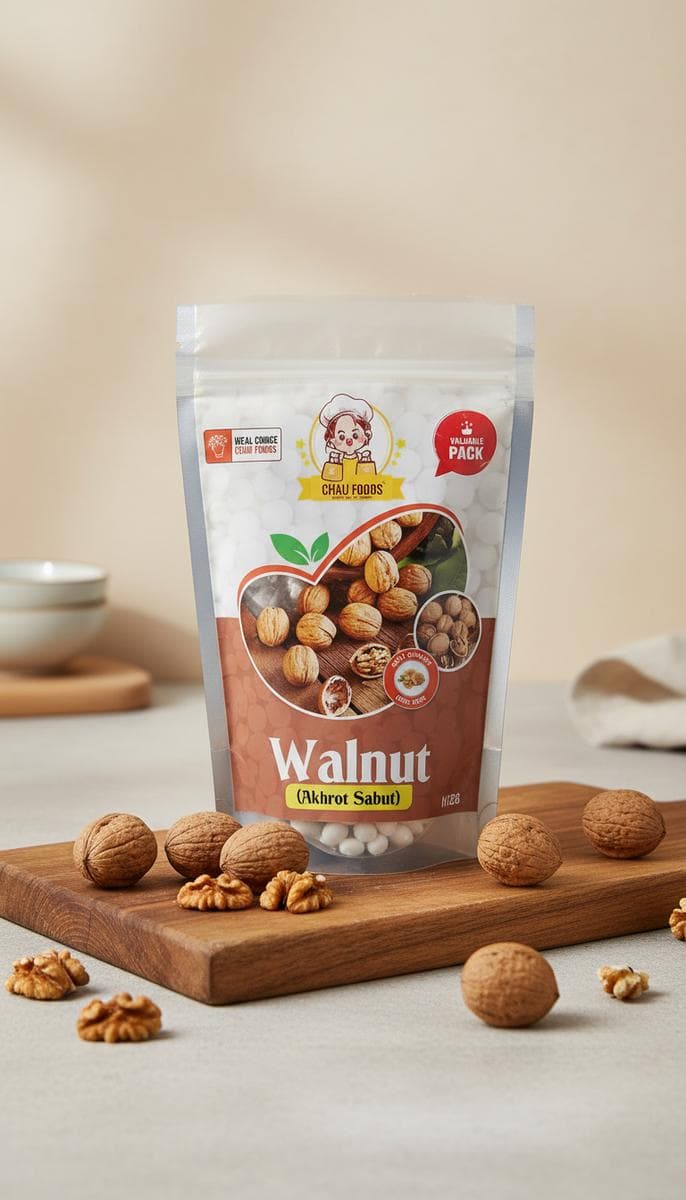
Featured Product
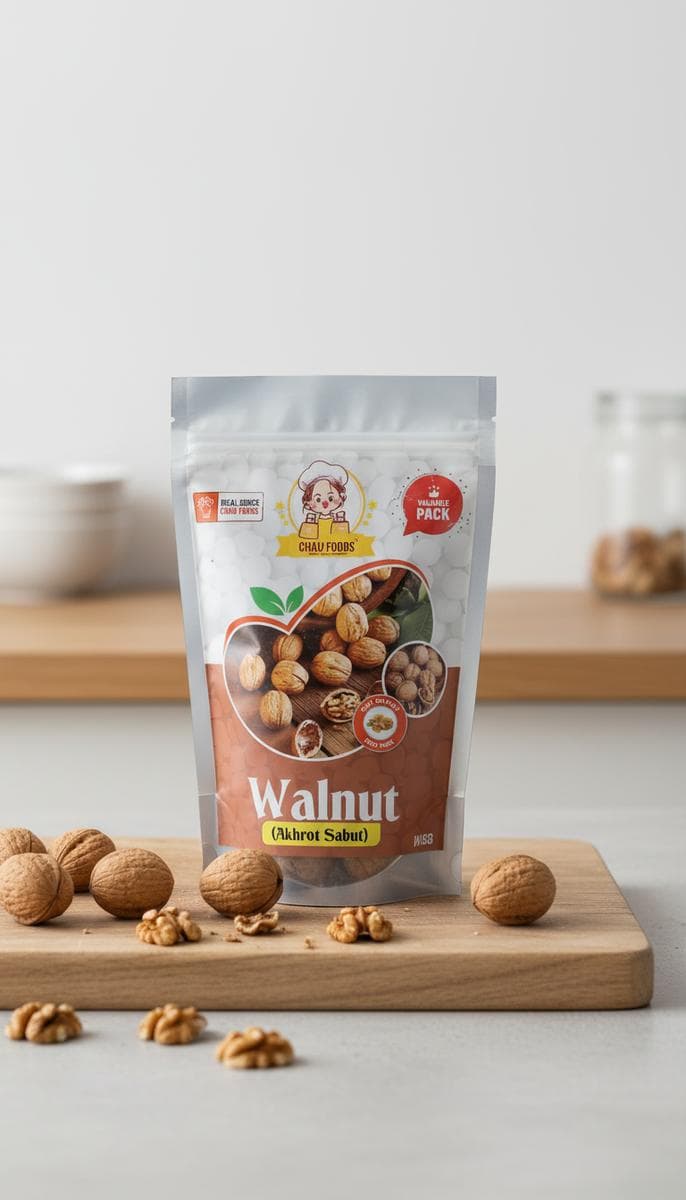
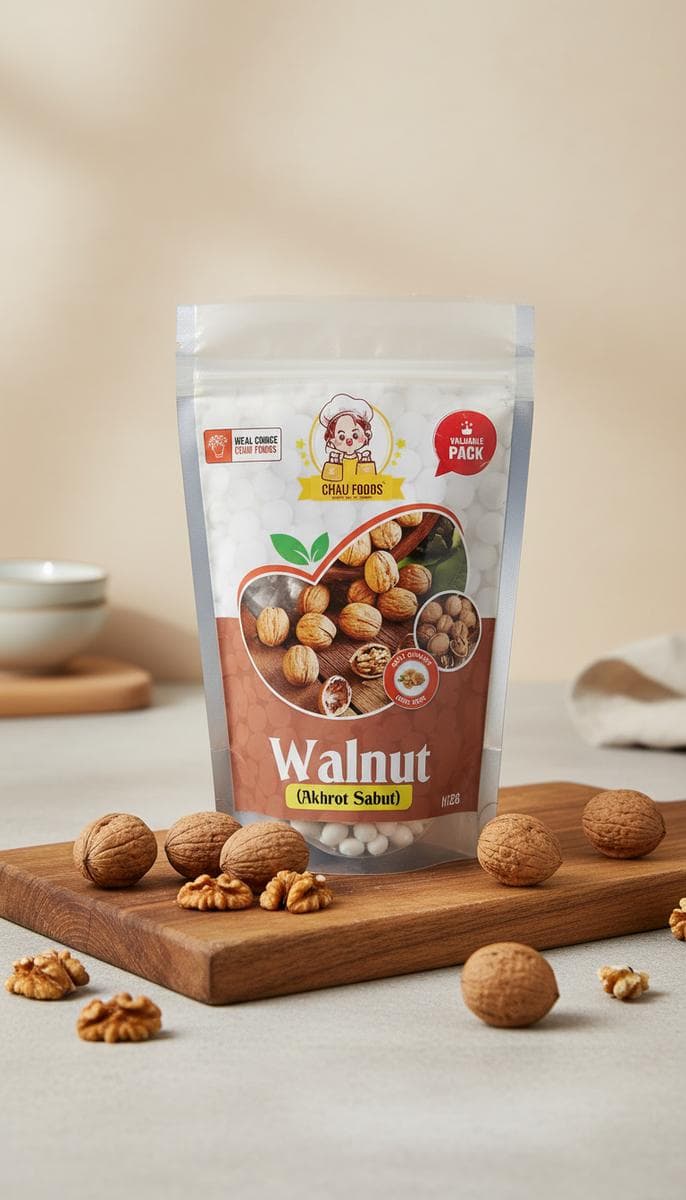
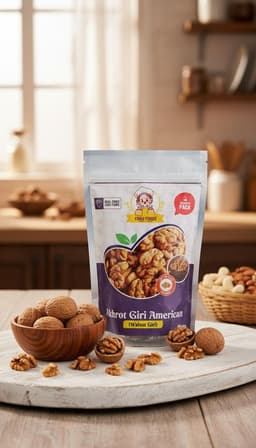
Premium American Walnut Giri 🇺🇸
Shell-free akhrot giri — #1 plant source of omega-3, best for brain health & memory
✓ FSSAI certified · Free delivery ₹399+
Before jumping to expensive hair treatments, understand this: hair is made of protein, and it thrives on specific micronutrients that most Indian diets lack - biotin, zinc, iron, vitamin E, and omega-3 fatty acids. When your body is deficient in these, your hair enters a shedding phase called telogen effluvium.
Hard water, pollution, nutritional deficiencies, and stress push more hairs into the telogen phase prematurely. Dry fruits fix this at the root - they are concentrated sources of minerals and healthy fats that reach your hair follicles through your bloodstream.
The Best Dry Fruits for Hair Growth
Almonds: The Biotin Powerhouse
California almonds are perhaps the most directly effective dry fruit for hair growth. A handful of almonds contains 1.5 mg of biotin - a B-vitamin that your hair follicles need to produce keratin, the protein that makes hair strong.
Beyond biotin, almonds provide:
- Vitamin E: Protects hair follicles from oxidative stress caused by pollution
- Magnesium: Improves blood circulation to the scalp
- Copper: Helps produce melanin, preventing premature graying
How to use: Eat 8-10 almonds daily, or soak them overnight for better absorption. Apply almond oil to your scalp twice weekly.
Walnuts: The Omega-3 Solution
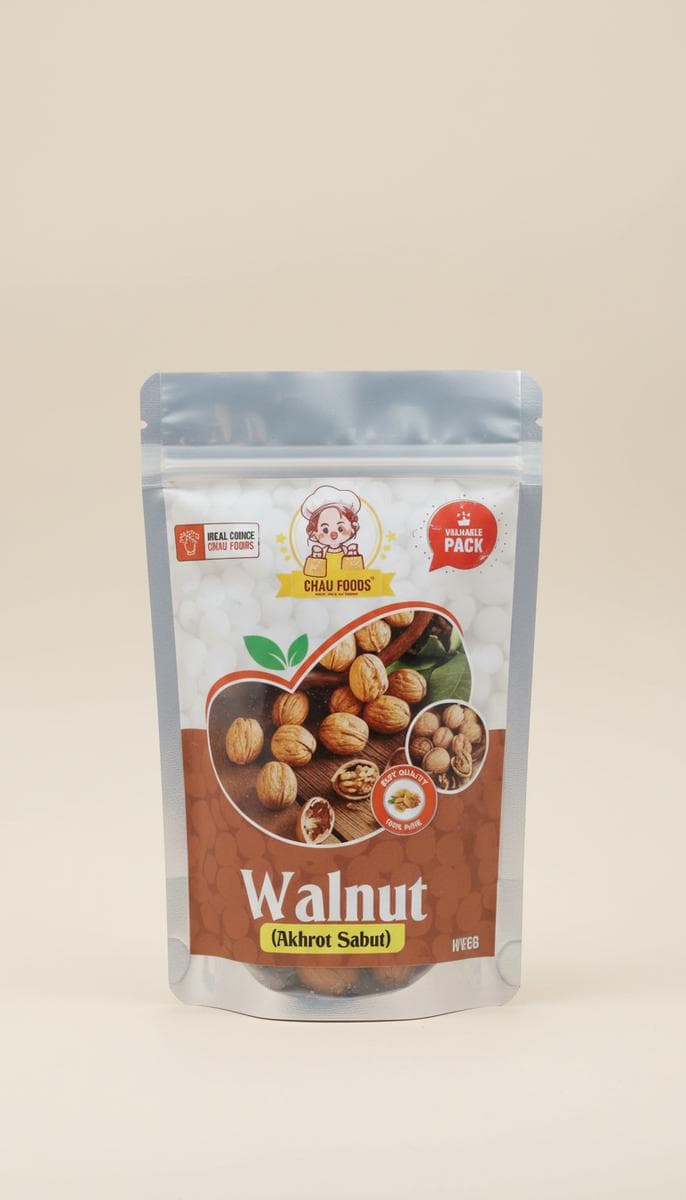
Walnuts are your secret weapon against hair thinning. Walnuts contain ALA (alpha-linolenic acid), a plant-based omega-3 that reduces inflammation in the scalp and strengthens hair strands from within.
Scalp inflammation is a hidden cause of hair loss. When your scalp is inflamed from pollution, fungal issues, or nutritional deficiency, your hair follicles produce thinner, weaker hairs. Omega-3s calm this inflammation.
How to use: Consume 7-8 walnut halves daily. Walnut oil can be massaged into the scalp for anti-inflammatory benefits.
Cashews: The Zinc and Copper Duo
Zinc deficiency is one of the most overlooked causes of hair loss in India, especially among vegetarians. Cashews contain both zinc and copper - two minerals that work together to strengthen hair roots and prevent premature graying.
Zinc maintains the structural integrity of hair follicles and regulates sebum production. Copper produces melanin and maintains hair color.
How to use: Eat 8-10 cashews daily, or make cashew butter for better absorption.
Pumpkin Seeds: The Overlooked Hair Warrior
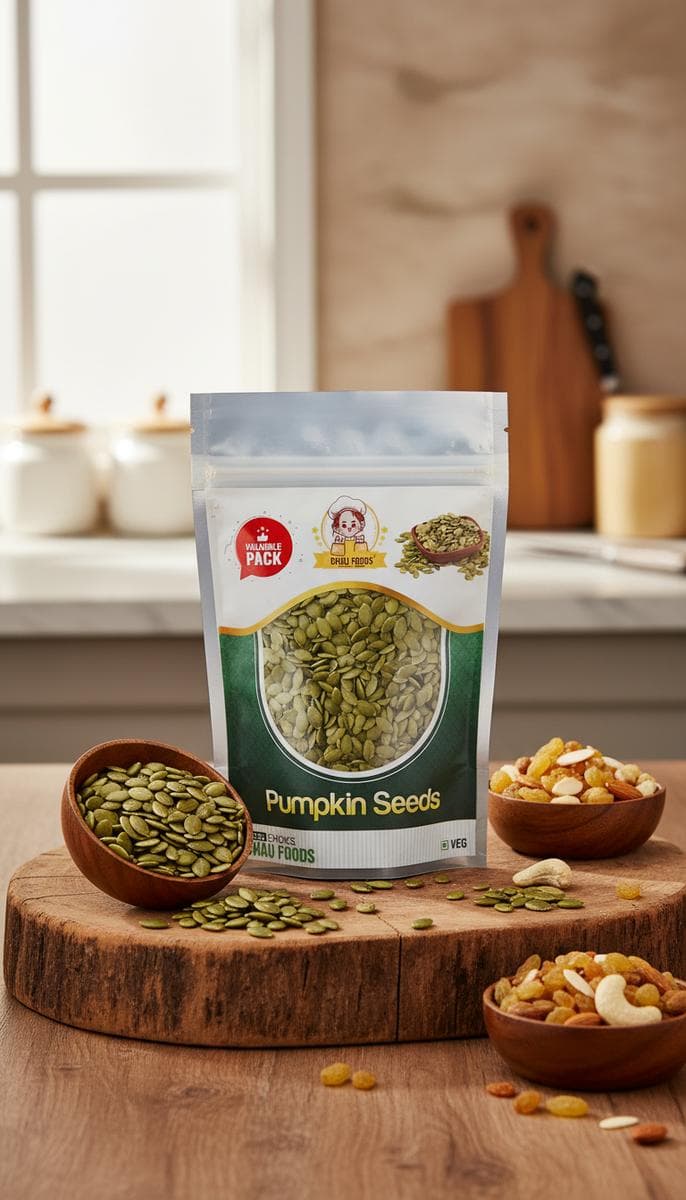
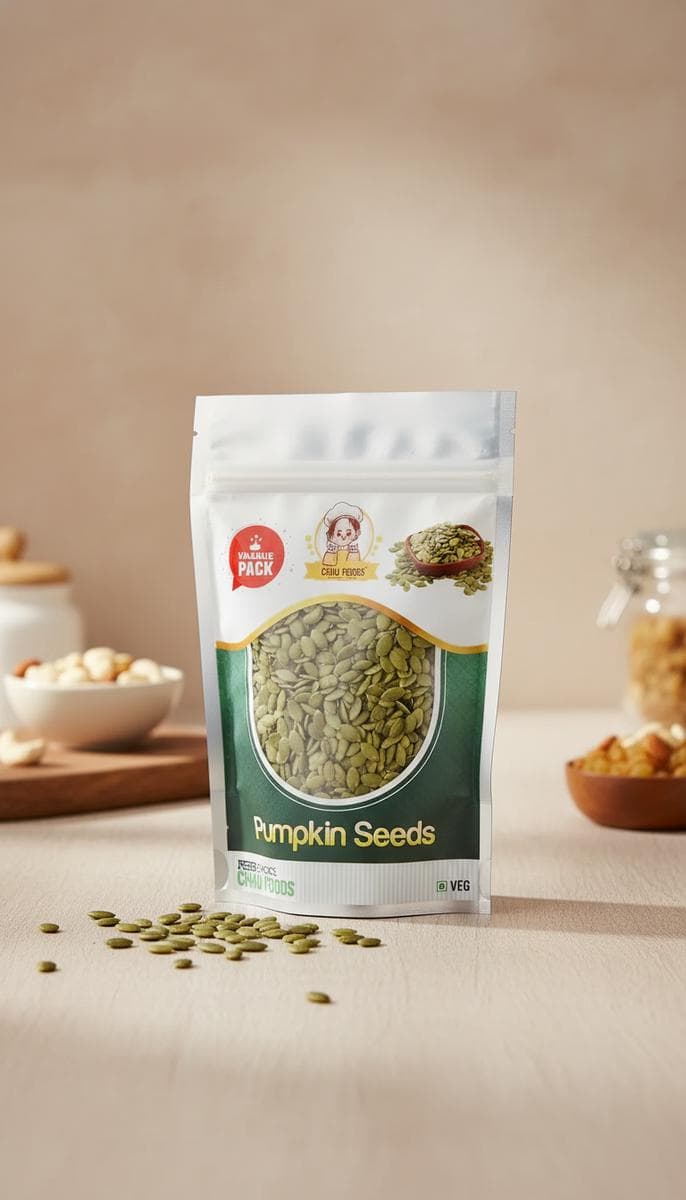
Pumpkin seeds are packed with zinc, magnesium, and iron - three minerals that directly prevent hair fall and promote hair thickness. They provide 156 mg of magnesium per ounce - more than most other dry fruits. They also contain phytosterols that may slow DHT, a hormone linked to male pattern baldness.
How to use: Consume 1 ounce (about 28g) daily. Add them to yogurt, salads, or eat as a snack.
Flax Seeds: The Omega-3 Seed
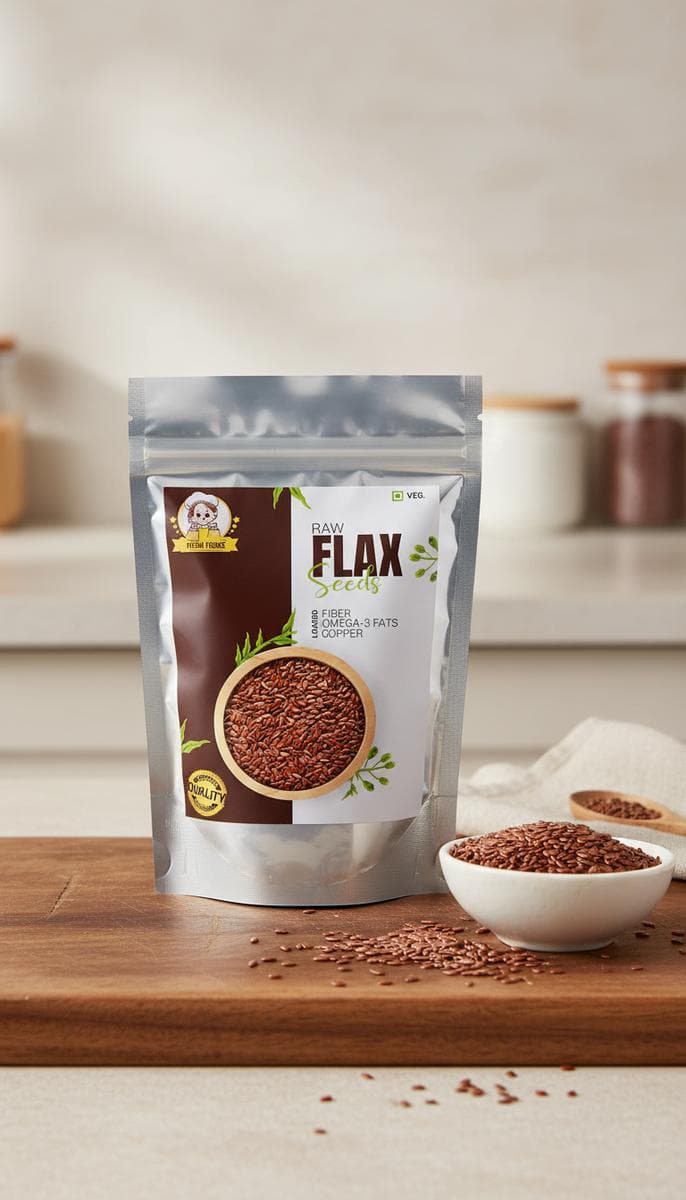
Flax seeds contain more ALA than any other seed, making them exceptional for reducing scalp inflammation and strengthening hair from the inside out. They also contain lignans (powerful antioxidants) and mucilage (a natural compound that improves scalp hydration).
How to use: Soak 1 tablespoon overnight and drink the gel-like water in the morning. Alternatively, grind them and add to smoothies.
Nutrients Your Hair Really Needs
| Nutrient | Role in Hair Health | Best Dry Fruit Source |
|---|---|---|
| Biotin (B7) | Produces keratin, strengthens structure | Almonds, sunflower seeds |
| Zinc | Regulates sebum, maintains follicles | Pumpkin seeds, cashews |
| Iron | Carries oxygen to follicles | Raisins, cashews |
| Omega-3 | Reduces inflammation, improves circulation | Walnuts, flax seeds |
| Vitamin E | Antioxidant, protects from pollution | Almonds, sunflower seeds |
| Copper | Produces melanin, prevents graying | Cashews, walnuts |
Topical Applications: Dry Fruit Oils for Hair
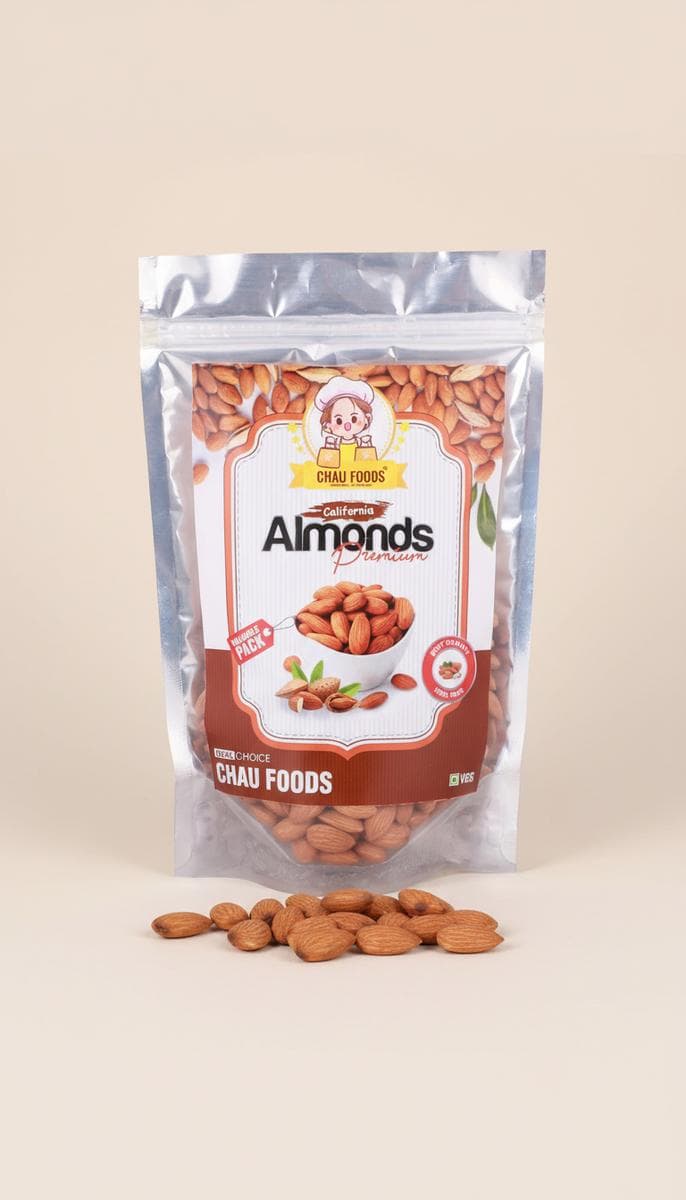
Featured Product
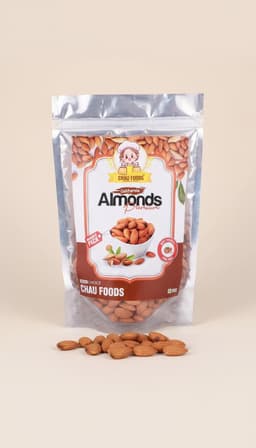
Premium California Almonds 🇺🇸
Premium California almonds — 21g protein, Vitamin E rich, ideal for daily soaking & snacking
✓ FSSAI certified · Free delivery ₹399+
Almond Oil Scalp Massage
Warm 2 tablespoons of pure almond oil and massage into your scalp for 10 minutes, 2-3 times weekly. Leave on for at least 30 minutes before shampooing.
Walnut Oil for Inflammation
Apply walnut oil to the scalp, cover with a warm towel, and leave for 1 hour. This reduces flaking and strengthens roots.
DIY Hair Mask with Mixed Dry Fruits
Mix 2 tablespoons of ground almonds, 1 tablespoon of ground flax seeds, 2 tablespoons of yogurt, and 1 teaspoon of honey. Apply to scalp and hair, leave for 20 minutes, and rinse. Use twice monthly.
How Much, How Often, and When to Expect Results
Daily intake recommendation: 8-10 almonds + 7-8 walnut halves + 8-10 cashews + 1 ounce of pumpkin seeds OR 1 tablespoon of flax seeds. Or pair them with our chia + flax combo.
Timeline for results:
- Week 1-2: Better digestion and energy
- Week 3-4: Reduce hair fall by 30-40%
- Week 8-12: Visible new hair growth and improved texture
- Week 16+: Thicker, shinier, healthier hair
The Indian Context: Why Delhi and Indian Cities Need These Foods
Indians face unique hair challenges that dry fruits directly address:
- Hard water: Builds up on hair, making it brittle. Zinc and copper from dry fruits counteract this.
- Pollution: High PM 2.5 levels in Delhi cause free radical damage. Vitamin E and antioxidants protect hair.
- Dietary gaps: Traditional Indian diets are often low in selenium, zinc, and omega-3s.
- Stress: Urban lifestyles increase cortisol, pushing hair into the telogen phase. Omega-3s regulate stress response.
Why Dry Fruits Beat Supplements
Whole dry fruits have several advantages over hair supplements:
- 1Better absorption: Whole foods provide co-factors that improve nutrient absorption
- 2Synergistic nutrients: Multiple nutrients work together (like zinc and copper in cashews)
- 3No fillers: Pure nutrition without additives
- 4More affordable: Premium dry fruits cost less than quality hair supplements
- 5Additional benefits: You get fiber, antioxidants, and other compounds beyond just hair nutrients
Frequently Asked Questions
Q: How quickly will I see results from eating dry fruits for hair growth?
Most people notice reduced hair fall within 3-4 weeks and visible new growth within 8-12 weeks. Results depend on your nutritional status and the severity of hair loss.
Q: Can dry fruits help with male pattern baldness?
Dry fruits address nutritional deficiencies that worsen hair loss but cannot reverse genetic pattern baldness. However, they can slow progression and maintain hair thickness.
Q: Should I eat dry fruits raw or soaked?
Soaked dry fruits are easier to digest and have better nutrient bioavailability. Soak almonds and walnuts overnight for best results.
Q: Can I apply dry fruit oils directly to my scalp if I have oily hair?
Yes, but use sparingly (1 teaspoon) and focus on roots. You can also dilute oils with coconut oil.
Q: How many dry fruits should I eat daily for hair benefits?
A handful (about 23g) of mixed nuts and seeds daily provides adequate amounts of all essential nutrients. Consistency matters more than quantity.
Q: Can children eat these dry fruits for hair health?
Yes, dry fruits are excellent for growing children. Reduce portions to 5-7 almonds, 4-5 walnut halves. Consult a pediatrician if your child has nut allergies.
Nutrients for Hair & Where to Get Them
| Nutrient | Role for hair | Best source |
|---|---|---|
| Protein / biotin | Strand strength | Almonds, walnuts |
| Zinc | Reduces hair fall | Cashews, pumpkin seeds |
| Omega-3 | Scalp health, shine | Walnuts, flax, chia |
| Iron | Prevents thinning | Anjeer, raisins |
Editorial Note
How we publish Chau Foods blog guides
This article is published by the Chau Foods editorial team for general food education, ingredient guidance, and shopping support. It is not a substitute for medical advice, diagnosis, or treatment.
Reader Checklist
- Published on 19 April 2026
- Last reviewed and updated on 19 April 2026 by the Chau Foods editorial team.
- Use this guide for food education and buying decisions, not medical treatment.
- If you have allergies or a clinical diet plan, check with a qualified professional first.
About the Author
Chau Foods Editorial Team
This guide is written and fact-checked by the Chau Foods editorial team - a small group of FSSAI-certified food specialists based in Rohini, Delhi. Led by founder Mohit, the team combines direct farm-sourcing experience (California almonds, Bihar makhana from Darbhanga & Madhubani, Kashmir walnuts, Kerala spices) with hands-on quality control at the Chau Foods packing facility. We publish only what we would feed our own families, cite Indian nutrition data where relevant, and refresh every article when sourcing, pricing, or health guidelines change.
- Credentials
- FSSAI Lic. 13321008000704
- Based in
- Rohini, Delhi · since 2020
- Rating
- 4.9/5 · 27+ Google reviews
Keep Exploring
Shop related collections and next steps
Use this guide to compare options, then move directly into the most relevant collection, brand story, or bulk-order path.
Almond Collection
Browse daily-use almonds, premium badam picks, and related dry fruit options.
Shop the collectionWhy Chau Foods
Learn more about our sourcing, freshness standards, and the quality promises behind each product we ship.
Read our storyBulk & gifting help
Need larger quantities, office snacks, festive gifting, or repeat ordering support? Start with our bulk orders page.
Start a bulk enquiry