Buy online
Freshly packed, delivered in 3 to 5 days

Free delivery on orders ₹399+ · Cash on Delivery available
Quick Summary
Quick Answer
Walnuts are nature's most complete solution for hair health because they provide omega-3 fatty acids that nourish hair follicles, biotin for keratin synthesis, zinc for scalp health, and copper for pigment production. Consuming 7-14 soaked walnuts daily plus applying walnut oil topically creates a two-pronged approach that visibly reduces hair fall within 6-8 weeks and stimulates new growth.
Walnuts: The Complete Hair Health Solution
Featured Product
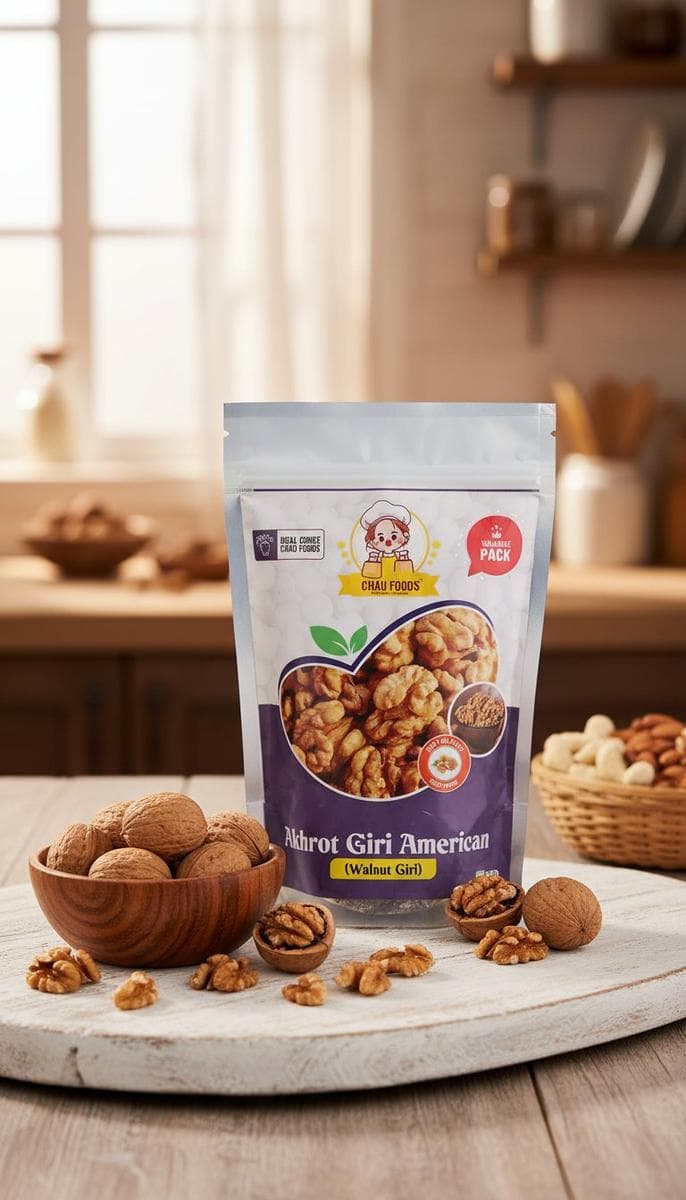
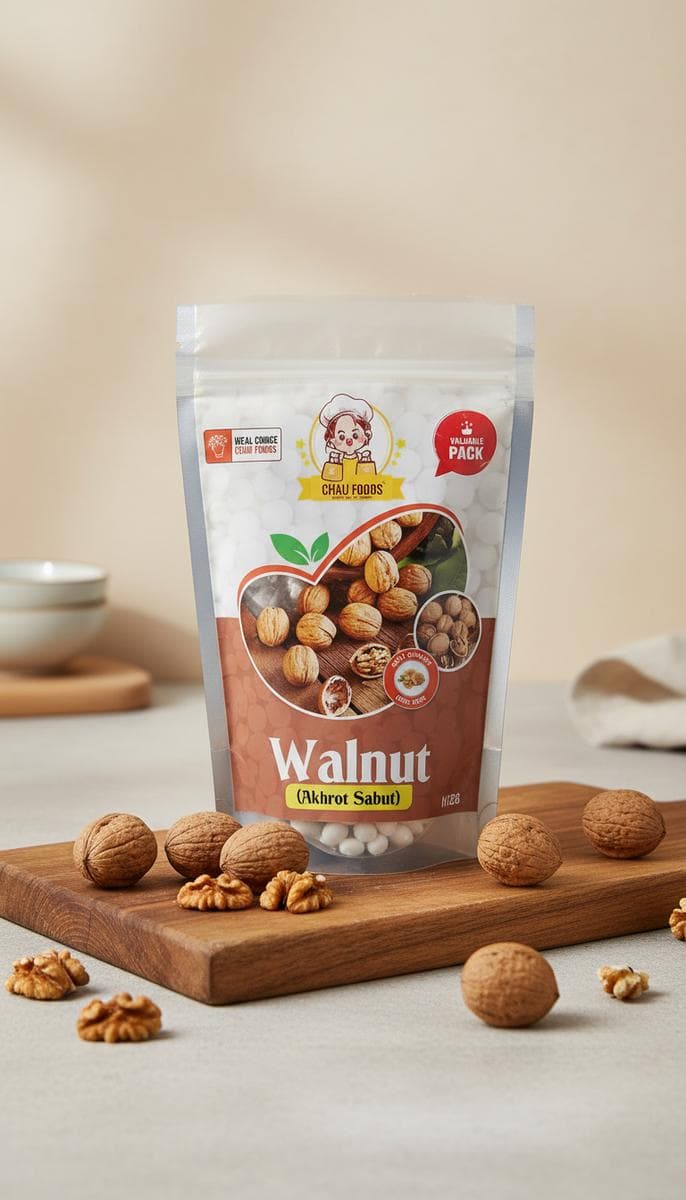
Premium American Walnut Giri 🇺🇸
Shell-free akhrot giri — #1 plant source of omega-3, best for brain health & memory
✓ FSSAI certified · Free delivery ₹399+
When Indians discuss hair health, we typically focus on external treatments-oils, masks, treatments. Yet scientific evidence increasingly demonstrates that hair quality is fundamentally determined by internal nutrition. Walnuts, known as akhrot in Hindi, contain a unique nutritional architecture specifically suited to hair follicle maintenance, growth stimulation, and pigment preservation.
Kashmir walnuts, sourced from India's premium growing regions, offer superior nutritional density compared to imported varieties. Understanding how to use walnuts-both through consumption and topical application-is transformative for anyone struggling with hair loss or poor hair quality.
Why Hair Falls: The Nutritional Root Causes
What nutritional deficiencies cause hair fall?
Hair follicles are among the body's most metabolically demanding tissues. Each follicle requires consistent supply of:
- Omega-3 fatty acids for scalp blood circulation
- Biotin for keratin synthesis
- Zinc for follicle cycling and sebum regulation
- Copper for melanin production and hair pigmentation
- Iron for oxygen delivery to growing hair
- Selenium for follicle antioxidant protection
Most Indians are deficient in omega-3 (from limited fish consumption), biotin (from refined grain diet), and copper (from soil depletion in vegetable sources). These deficiencies don't cause immediate symptoms, but over months, they manifest as increased shedding, thinner hair shaft, and accelerated graying.
How does poor nutrition affect hair quality specifically?
When nutritional intake is insufficient, your body prioritizes survival over cosmetic tissues. Hair receives reduced nutrient allocation, causing follicles to transition prematurely from growth phase (anagen) to shedding phase (telogen). This explains why nutritional deficiency causes generalized hair fall rather than localized baldness-it's a systemic, follicle-wide problem.
Additionally, nutrient deficiency impairs the scalp's barrier function, allowing inflammation and microbial overgrowth that further destabilizes follicles. This creates a vicious cycle where poor nutrition triggers inflammation that worsens nutritional absorption.
Omega-3 Fatty Acids: The Hair Growth Foundation
How do omega-3 fats support hair growth?
Omega-3 fatty acids are incorporated directly into hair follicle cell membranes, making them more flexible and resistant to damage. Beyond structural support, omega-3s are powerful anti-inflammatories that suppress the scalp inflammation driving hair loss.
Additionally, omega-3s improve blood circulation to hair follicles. Hair growth depends on consistent nutrient and oxygen delivery; omega-3s promote vasodilation (blood vessel relaxation) that increases follicle blood flow by 20-30% within weeks. This increased blood delivery means follicles receive more of the building blocks they need to grow thicker, longer hair.
Omega-3s also regulate sebum production, preventing both excessive oiliness (that suffocates follicles) and dryness (that weakens hair shaft). This balanced scalp environment is optimal for growth.
How much omega-3 do walnuts provide?
A 28-gram serving of walnuts (approximately 14 whole kernel halves) provides approximately 2.5 grams of ALA (alpha-linolenic acid), the plant-based omega-3. While this isn't equivalent to EPA/DHA from fish, your body converts ALA to these active forms, and the chronic consumption pattern ensures consistent follicle nutrition.
For someone consuming 14 walnuts daily (doubling the standard serving for hair health specifically), you're delivering nearly 5 grams of ALA-exceptional for a plant-based source and sufficient to meaningfully improve scalp omega-3 levels within 6 weeks.
Biotin: The Hair Shaft Strengthening Mineral
Featured Product
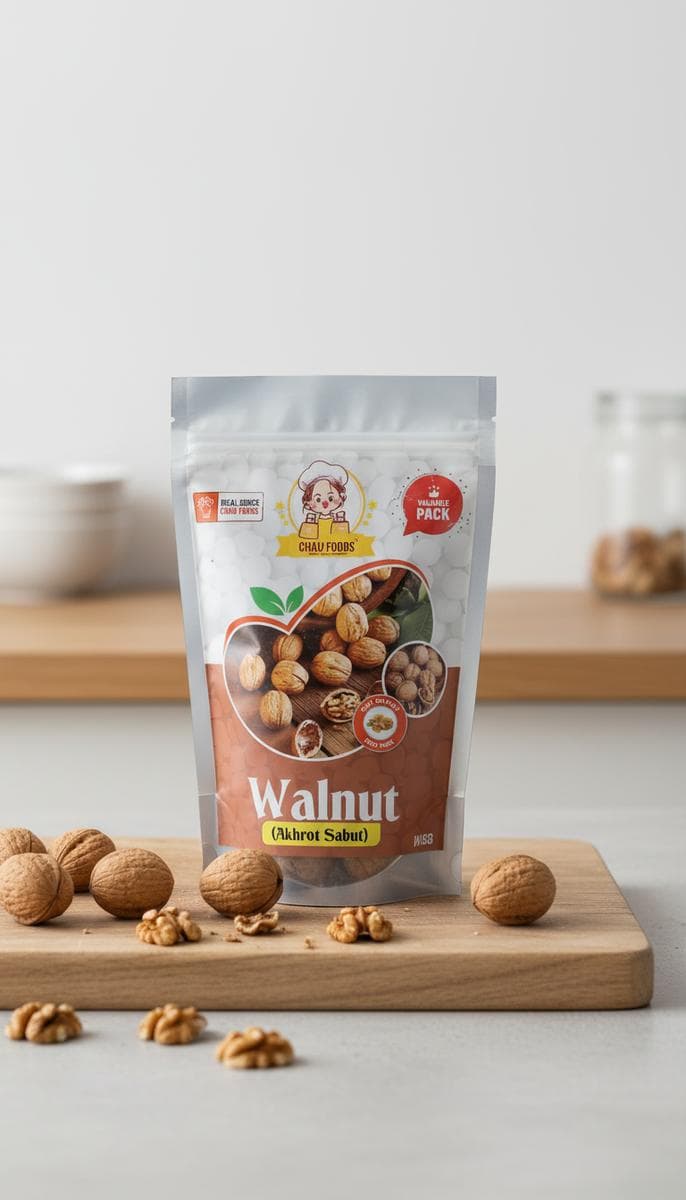
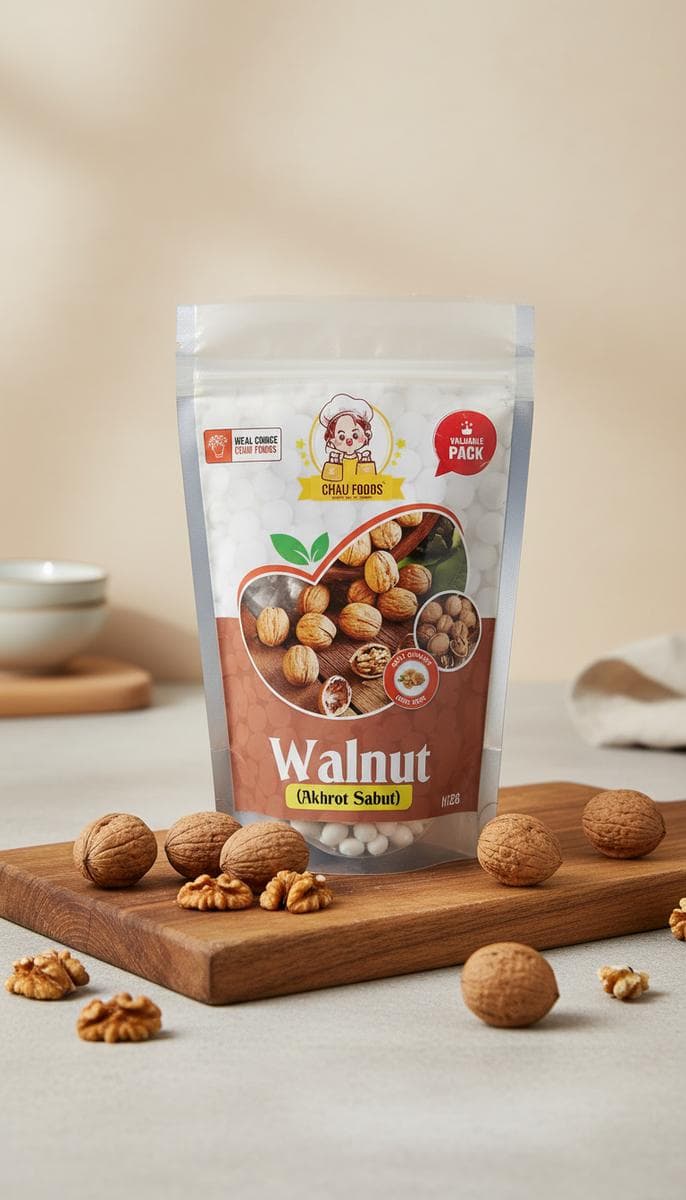
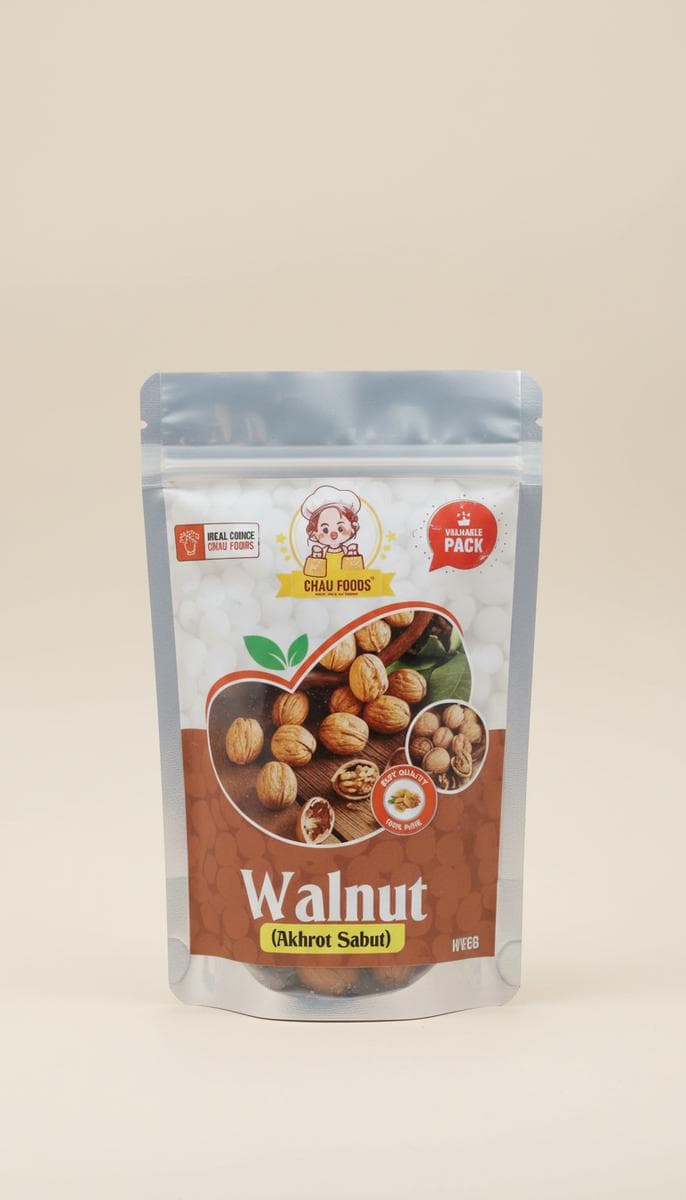
Premium Chilean Walnut Sabut 🇨🇱
Whole akhrot with shell — stays fresher longer, omega-3 rich, great for gifting & daily use
✓ FSSAI certified · Free delivery ₹399+
Why is biotin critical for hair strength?
Biotin (vitamin B7) is essential for keratin synthesis-the protein that comprises your hair shaft, skin, and nails. Adequate biotin ensures that growing hair is structurally sound: thick, elastic, and resistant to breakage.
When biotin is deficient, growing hair is weak and fragile, breaking easily under normal brushing or styling stress. This isn't true hair loss (follicles are still active) but rather damage to the hair shaft. However, biotin deficiency also reduces the growth phase duration, causing premature shedding regardless of strength.
How much biotin do walnuts provide?
While walnuts don't contain exceptional biotin amounts compared to eggs or almonds, they provide approximately 2 micrograms per ounce. More importantly, walnuts contain B vitamins and minerals that enhance biotin absorption and utilization.
For maximum biotin benefit for hair, combine walnut consumption with sunflower seeds (exceptional biotin source) or other B-complex rich foods, creating a synergistic nutrient profile that fully supports keratin production.
Zinc: Scalp Health & Follicle Cycling Regulation
How does zinc prevent hair loss?
Zinc is essential for the anagen (growth) to catagen (transitional) to telogen (shedding) phases of hair cycling. When zinc is deficient, hair prematurely transitions to the shedding phase, causing generalized hair loss 2-3 months after deficiency develops (explaining why hair loss appears suddenly).
Zinc also regulates sebaceous gland function and suppresses scalp inflammation. A healthy, balanced scalp with optimal zinc status creates an environment where follicles can complete full growth cycles before shedding.
Additionally, zinc is required for hair follicle stem cell maintenance. These stem cells differentiate into new hair-producing cells; without adequate zinc, stem cell function declines, reducing the number of hairs that can be generated from each follicle.
How much zinc do walnuts provide?
A 28-gram serving of walnuts provides approximately 1 mg of zinc (about 10% of daily needs). While not exceptional, walnut zinc combines with copper and other minerals in a synergistic profile. When consuming walnuts regularly alongside pumpkin seeds (exceptional zinc source), you create robust mineral nutrition supporting optimal follicle cycling.
Copper: Hair Pigmentation & Preventing Premature Graying
Why is copper essential for hair color?
Copper is the cofactor for tyrosinase, the enzyme that produces melanin pigment. Without adequate copper, melanin synthesis declines, and hair loses pigment, transitioning to gray or white. This is why copper deficiency causes premature graying-not metaphorically, but through literal reduction in melanin production.
Additionally, copper supports elastin formation in the hair shaft, providing the flexibility that prevents brittleness and breakage in both pigmented and graying hair.
Can consuming copper-rich walnuts prevent graying?
Regular walnut consumption (with sustained adequate copper) can slow premature graying and, in some cases, restore pigmentation to hair that's begun graying. This is documented in cases where individuals with copper deficiency (from poor diet or malabsorption) consumed copper-rich foods and experienced pigment restoration within months.
For someone experiencing accelerated graying in their 30s-40s (common in India due to stress and soil-depleted produce), walnut consumption is a foundational dietary intervention. Combined with stress management, it often halts premature graying progression.
Selenium: Scalp Antioxidant Protection
How does selenium protect hair follicles?
Selenium is incorporated into selenoproteins that function as powerful antioxidants within hair follicles. These antioxidants protect follicle cells from oxidative damage caused by UV radiation, pollution, and metabolic stress.
Additionally, selenium supports thyroid function; hypothyroidism (common in India, particularly among women) is a significant hair loss driver. By ensuring adequate selenium, you're preventing the thyroid dysfunction that causes metabolic disruption and follicle damage.
How much selenium do walnuts provide?
A 28-gram serving of walnuts provides approximately 5 micrograms of selenium-about 9% of daily needs. When combined with Brazil nuts (exceptional selenium source, though not in your current product line), you achieve optimal selenium nutrition for scalp health.
Soaked Walnuts: Enhanced Bioavailability
Why should walnuts be soaked before consumption?
Raw walnuts contain phytic acid, a compound that binds minerals (zinc, magnesium, copper) and prevents absorption. Soaking walnuts overnight in water reduces phytic acid by 40-50%, dramatically improving mineral bioavailability.
Additionally, soaking activates enzymes and sprouting mechanisms that increase vitamin availability. Soaked walnuts are literally more nutritious than raw walnuts because your body can absorb the nutrients they contain more effectively.
The difference is measurable: someone consuming soaked walnuts daily will show improved hair quality faster than someone consuming raw walnuts because the mineral absorption is substantially higher.
How to soak walnuts properly?
Place 14 walnut halves in a bowl, cover with filtered water, and refrigerate overnight (8-12 hours). The next morning, drain water, rinse gently, and consume. The soaked walnuts will be slightly softer and creamier in texture.
Store soaked walnuts in the refrigerator for up to 3 days. Many people prepare soaked walnuts 3 times weekly rather than daily, consuming them fresh for maximum bioavailability.
Walnut Oil: Topical Hair Nourishment
How does topical walnut oil benefit hair?
While internal walnut consumption provides systemic nutrition, topical walnut oil delivers nutrients directly to the scalp and hair shaft. The oil penetrates the scalp barrier, reducing inflammation and providing antimicrobial compounds that suppress follicle-damaging bacterial overgrowth.
Walnut oil's linoleic acid (omega-6) complements the ALA (omega-3) from consumption, creating a complete polyunsaturated fat profile that optimizes hair shaft health from inside and outside.
Additionally, the massage action of applying walnut oil improves blood circulation to the scalp, creating physical stimulus for follicle activation alongside nutritional support.
How to apply walnut oil for maximum benefit?
Warm 1-2 tablespoons of walnut oil (not hot, just warm to touch), and massage thoroughly into your scalp using circular motions for 5-10 minutes. Focus on areas experiencing significant hair loss. Leave the oil in for minimum 30 minutes (overnight is ideal), then shampoo thoroughly with a gentle, sulfate-free shampoo.
Apply 2-3 times weekly. Within 4-6 weeks, you'll notice reduced itching, a healthier scalp feel, and reduced hair fall during washing. The visible hair growth improvement typically appears after 8-12 weeks of consistent application.
Can walnut oil be combined with other oils?
Absolutely. Walnut oil combines synergistically with coconut oil (antifungal, scalp-penetrating) or sesame oil (warming, circulation-enhancing). Mix equal parts walnut and coconut oil for a nourishing scalp treatment that addresses multiple hair health mechanisms simultaneously.
Walnuts for Brain Health: An Integrated Benefit
Beyond hair benefits, walnuts' omega-3 content and polyphenols provide exceptional brain protection. Many people consuming walnuts for hair health find they also experience improved focus, mood stability, and cognitive clarity. This integrated benefit-beautiful hair *and* sharp thinking-makes walnuts a comprehensive investment in neurological and cosmetic health.
Walnuts truly deliver systemic benefits beyond any single tissue benefit.
Kashmir Walnuts: Superior Quality & Sourcing
Kashmir walnuts are prized for their superior fat-to-protein ratio, exceptional flavor, and higher polyphenol density compared to other regions. When purchasing walnut kernels (akhrot giri) or whole walnuts (akhrot sabut), Kashmir sourcing ensures you're getting premium nutritional density.
The difference is noticeable: Kashmir walnuts have a sweeter, less bitter taste and a softer texture that indicates proper ripeness and minimal processing damage.
Daily Walnut Intake for Hair Health
How many walnuts should I consume daily for hair benefits?
For hair health specifically, consume 14 walnut halves daily (approximately 56 grams, or roughly double the standard 28-gram nutrition guideline). This higher amount is appropriate because you're specifically targeting hair follicle nutrition, and the additional omega-3 and minerals will noticeably accelerate growth and reduce shedding.
Distribute consumption: 7 halves in the morning (soaked), 7 in the evening, to ensure consistent nutrient delivery throughout the day.
How long until you see hair improvement?
Expect initial improvement (reduced shedding, healthier scalp feel) within 4 weeks. Visible hair growth improvement typically appears after 8-12 weeks of consistent walnut consumption combined with topical oil application. This timeline reflects the hair growth cycle; new hair generated from well-nourished follicles takes time to grow long enough to be noticeable.
For maximum results, maintain walnut consumption and oil application for 6 months minimum-this represents 2-3 full hair growth cycles and allows follicles to establish completely renewed, optimized function.
Walnut Combinations for Hair Health
Combine walnuts with flax seeds (additional omega-3), sunflower seeds (biotin), and pumpkin seeds (zinc) to create a comprehensive hair health seed mix. Consuming 1-2 tablespoons daily alongside your soaked walnuts delivers an exceptionally nutrient-dense profile targeting every mechanism of hair health.
This combination approach reflects how nutrition actually works: no single food is perfect, but strategic combinations create complete nutritional profiles that optimize results.
Hair Loss from Other Causes: When Walnuts Help vs. Limit
Walnuts are exceptionally effective for nutritional hair loss (deficiency-driven shedding). However, some hair loss stems from other causes:
- Androgenetic alopecia (genetic male/female pattern baldness): Walnuts provide nutritional support but won't reverse genetic follicle miniaturization without medical intervention. Walnut consumption maintains remaining hair quality and supports any medical treatments.
- Thyroid dysfunction: If hair loss stems from hypothyroidism, walnuts' selenium support thyroid function, but medical thyroid treatment is necessary for complete resolution.
- Chronic stress/cortisol: Walnuts' antioxidants reduce stress-induced follicle damage, but stress management practices are essential.
In all cases, walnuts should be the nutritional foundation, not the sole intervention, if hair loss stems from non-nutritional causes.
Frequently Asked Questions
Q: Can men and women consume the same walnut amounts for hair health?
Yes, the physiological mechanisms of hair nutrition are identical across genders. Men and women should both consume 14 walnut halves daily for optimal hair health. Women experiencing postpartum hair loss (telogen effluvium) may see faster recovery with consistent walnut consumption.
Q: Do walnuts help hair loss from stress?
Yes, walnuts help indirectly by reducing oxidative stress and supporting nervous system function through their magnesium and antioxidant content. However, stress management practices (meditation, sleep, exercise) are essential alongside walnut consumption for complete resolution of stress-induced hair loss.
Q: Can I use walnut oil on colored or treated hair?
Absolutely. Walnut oil is gentle and actually protects colored hair by maintaining moisture and reducing damage from chemical treatments. Apply to the mid-lengths and ends of treated hair, avoiding the scalp if your scalp is sensitive to oil.
Q: Do raw and roasted walnuts have equal hair benefits?
Soaked raw walnuts are superior because soaking reduces phytic acid and improves mineral bioavailability. Lightly roasted walnuts are acceptable if raw isn't available, but avoid heavily roasted varieties that oxidize delicate omega-3 fats.
Q: How long can I store soaked walnuts?
Refrigerated soaked walnuts maintain optimal quality for 3-4 days. Beyond this, they begin to oxidize and may develop off-flavors. Prepare soaked walnuts in batches 2-3 times weekly rather than all at once.
Q: Can walnuts replace hair loss medications?
For nutritional hair loss (deficiency-driven shedding), walnuts can completely reverse the problem without medication. For genetic baldness or other medical causes, walnuts provide nutritional support but don't replace necessary medical treatments. Consult a dermatologist about combining walnut nutrition with medical interventions for non-nutritional hair loss.
Key Takeaway
Conclusion
Hair health is fundamentally a nutritional problem, and walnuts represent perhaps the most complete nutritional solution available. The combination of omega-3 fatty acids for blood circulation, biotin for keratin strength, zinc for follicle cycling, copper for pigmentation, and selenium for antioxidant protection creates a synergistic nutrient profile specifically optimized for hair follicle function.
The dual approach-consuming 14 soaked walnut halves daily alongside 2-3 weekly topical walnut oil applications-addresses hair health from systemic and local perspectives simultaneously. This comprehensive strategy consistently produces visible improvements in hair thickness, shine, growth rate, and pigmentation within 8-12 weeks.
Whether you're experiencing nutritional hair loss, premature graying, or simply seeking to optimize hair quality during your 30s and 40s (when nutritional deficiencies become manifest), Kashmir walnuts are an evidence-backed, cost-effective intervention with the additional benefit of comprehensive cognitive and cardiovascular protection.
Start with 14 daily walnut halves (soaked), add 2 weekly walnut oil scalp treatments, and commit to 12 weeks of consistent practice. The transformation in your hair quality-and the cascading benefits for brain, heart, and overall vitality-will make walnuts a permanent part of your daily health ritual.
Editorial Note
How we publish Chau Foods blog guides
This article is published by the Chau Foods editorial team for general food education, ingredient guidance, and shopping support. It is not a substitute for medical advice, diagnosis, or treatment.
Reader Checklist
- Published on 18 April 2026
- Last reviewed and updated on 18 April 2026 by the Chau Foods editorial team.
- Use this guide for food education and buying decisions, not medical treatment.
- If you have allergies or a clinical diet plan, check with a qualified professional first.
About the Author
Chau Foods Editorial Team
This guide is written and fact-checked by the Chau Foods editorial team - a small group of FSSAI-certified food specialists based in Rohini, Delhi. Led by founder Mohit, the team combines direct farm-sourcing experience (California almonds, Bihar makhana from Darbhanga & Madhubani, Kashmir walnuts, Kerala spices) with hands-on quality control at the Chau Foods packing facility. We publish only what we would feed our own families, cite Indian nutrition data where relevant, and refresh every article when sourcing, pricing, or health guidelines change.
- Credentials
- FSSAI Lic. 13321008000704
- Based in
- Rohini, Delhi · since 2020
- Rating
- 4.9/5 · 27+ Google reviews
Keep Exploring
Shop related collections and next steps
Use this guide to compare options, then move directly into the most relevant collection, brand story, or bulk-order path.
Dry Fruits Collection
Browse premium dry fruits and pantry-friendly staples selected for everyday snacking.
Shop the collectionWhy Chau Foods
Learn more about our sourcing, freshness standards, and the quality promises behind each product we ship.
Read our storyBulk & gifting help
Need larger quantities, office snacks, festive gifting, or repeat ordering support? Start with our bulk orders page.
Start a bulk enquiry