Eye Health & Vision Combo
Protect your eyesight. Reduce screen strain.
Eye protection works at three levels: light filtering (lutein and zeaxanthin from pistachios act as natural blue-light blockers in the retina), cell protection (vitamin E from almonds prevents oxidative damage to eye tissues), and structural maintenance (DHA from walnuts maintains retinal cell membranes). This kit provides comprehensive eye nutrition.
Buy Once

American Pistachios
200g
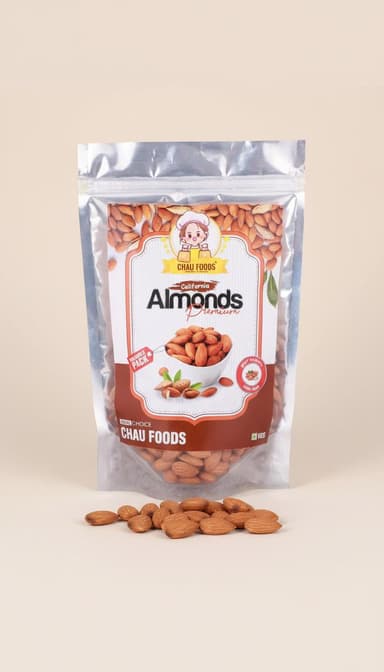
California Almonds
200g
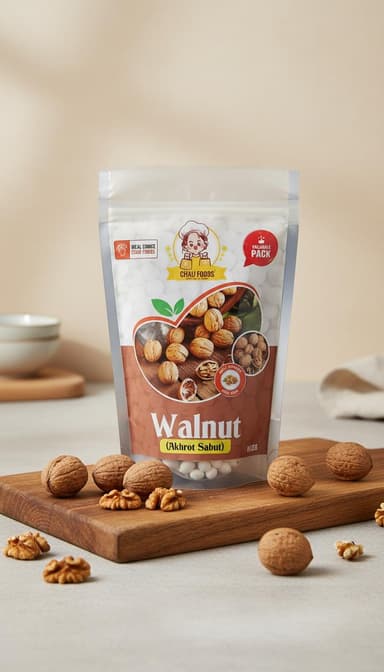
Akhrot Giri (Walnut Kernels)
200g
Quick Summary
The Eye Health Vision Kit combines almonds (vitamin E), pumpkin seeds (lutein + zinc), and carrots (beta-carotene) to protect eye cells, reduce strain fatigue, prevent macular degeneration, and improve night vision.
Why the Eye Health & Vision Combo?
Eye protection works at three levels: light filtering (lutein and zeaxanthin from pistachios act as natural blue-light blockers in the retina), cell protection (vitamin E from almonds prevents oxidative damage to eye tissues), and structural maintenance (DHA from walnuts maintains retinal cell membranes). This kit provides comprehensive eye nutrition.
This combo contains American Pistachios (Lutein + Zeaxanthin (1,205mcg)), California Almonds (Vitamin E (25.6mg/100g)), and Akhrot Giri (Walnut Kernels) (Omega-3 DHA (9.1g/100g)) - each chosen for a specific nutrient that targets weak eyesight & screen strain. All products are FSSAI certified, freshly packed per order, and sourced from trusted suppliers.
What's Inside This Kit
3 products. Each chosen for a specific reason.
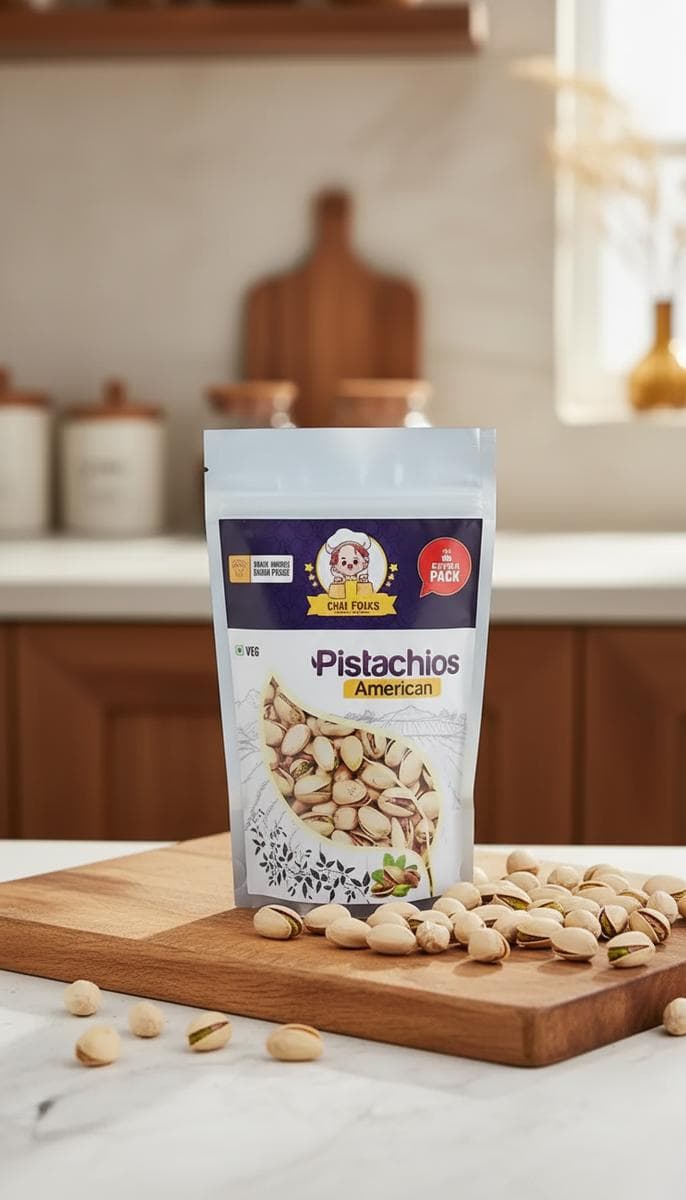 200g
200gAmerican Pistachios
Pistachios contain 1,205mcg lutein and zeaxanthin per 100g - these carotenoids concentrate in the macula (centre of the retina) and form a natural blue-light filter. They protect against age-related macular degeneration (AMD) and reduce damage from prolonged screen exposure.
View Product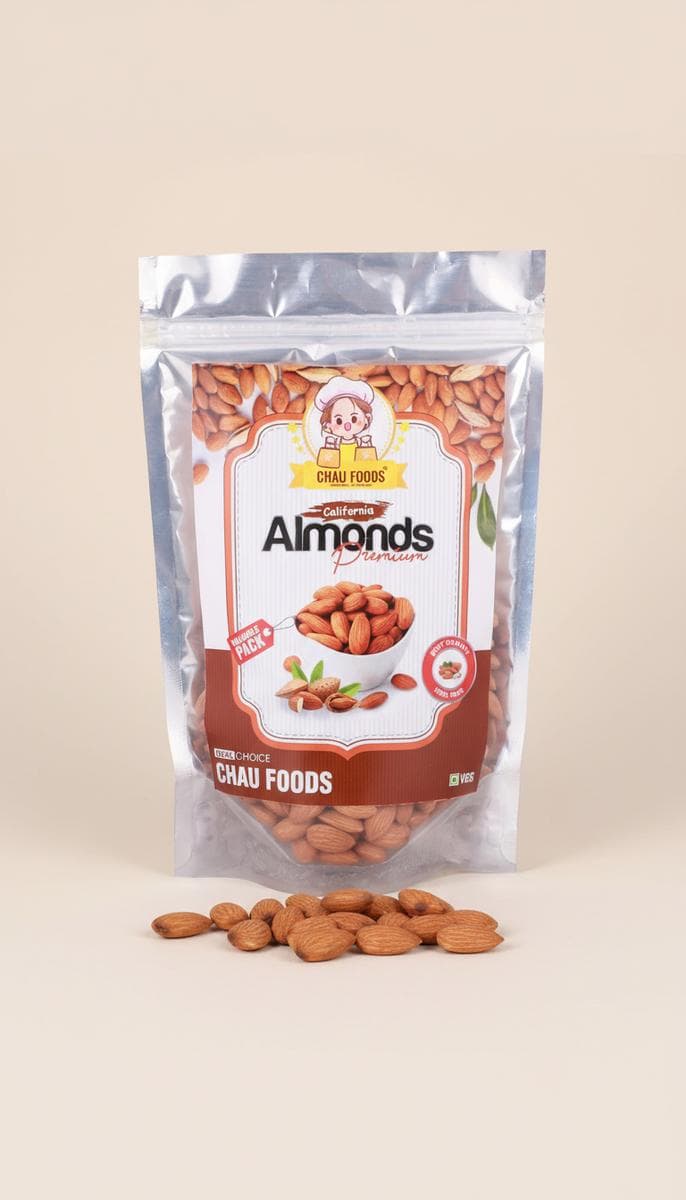 200g
200gCalifornia Almonds
Almonds provide 25.6mg vitamin E per 100g - vitamin E is a powerful antioxidant that slows age-related eye degeneration. Clinical studies show vitamin E reduces cataract risk by 27%. In Ayurveda, soaked almonds are the traditional remedy for weak eyesight in children.
View Product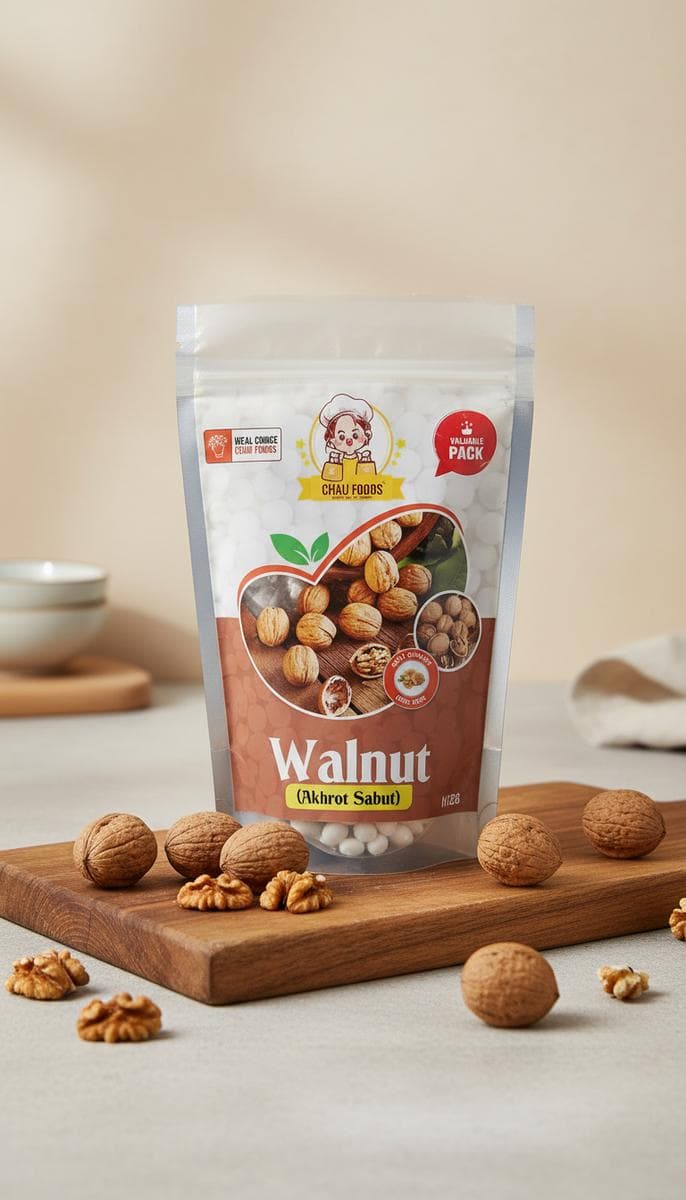 200g
200gAkhrot Giri (Walnut Kernels)
Walnuts contain omega-3 DHA (9.1g/100g) - DHA makes up 50% of retinal cell membranes. Adequate DHA intake maintains retinal cell flexibility and signal transmission. Studies show omega-3 consumption reduces dry eye syndrome symptoms by 68% in regular computer users.
View ProductBuy Once
The Science Behind This Kit
Lutein from pistachios forms a natural macular pigment that filters blue light - higher macular pigment density = better screen tolerance
Vitamin E from almonds reduces cataract risk by 27% and slows age-related macular degeneration progression
Omega-3 DHA from walnuts reduces dry eye syndrome by 68% in people who use screens for 6+ hours daily
Daily Consumption Guide
Morning: 8-10 soaked almonds to build vitamin E protection. Afternoon: 15-20 pistachios - eat daily for lutein accumulation in the retina. Evening: 4-5 walnut halves for omega-3. If you work on screens, the afternoon pistachio serving is especially important for blue-light protection.
Expected Timeline
Reduced eye strain and dryness within 2-3 weeks. Less screen fatigue in 4-6 weeks. Lutein takes 3-6 months to accumulate in the retina for full protective effect. Long-term daily intake provides the best eye protection.
FSSAI Certified Products
All products in the Eye Health & Vision Combo are FSSAI certified under Licence No. 13321008000704. We follow strict food safety standards from sourcing to packaging.
Kit Nutrition at a Glance
| Product | Quantity | Key Nutrient | Why It Matters |
|---|---|---|---|
| American Pistachios | 200g | Lutein + Zeaxanthin (1,205mcg) | Pistachios contain 1,205mcg lutein and zeaxanthin per 100g - these carotenoids concentrate in the macula (centre of the retina) and form a natural blue-light filter. |
| California Almonds | 200g | Vitamin E (25.6mg/100g) | Almonds provide 25. |
| Akhrot Giri (Walnut Kernels) | 200g | Omega-3 DHA (9.1g/100g) | Walnuts contain omega-3 DHA (9. |
Learn More
Who Should Use the Eye Health & Vision Combo?
The Eye Health & Vision Combo is designed for anyone experiencing weak eyesight & screen strain and looking for a natural, food-based approach. Whether you are dealing with the early signs or managing an ongoing concern, the nutrient combination in this kit addresses the root nutritional deficiencies behind the problem.
Reduced eye strain and dryness within 2-3 weeks. Less screen fatigue in 4-6 weeks. Lutein takes 3-6 months to accumulate in the retina for full protective effect. Long-term daily intake provides the best eye protection. All products are 100% natural whole foods - no capsules, no supplements, no chemicals. Just the right dry fruits and seeds in the right quantities, backed by nutritional science.
Why Choose This Over Supplements?
100% Whole Foods
No capsules, no chemicals, no fillers. Just real dry fruits and seeds your body absorbs naturally - unlike synthetic supplements with 10-15% bioavailability.
Food You Actually Eat
Most supplement buyers forget within 2 weeks. Dry fruits become part of your daily snacking - easy to sustain for life, not just a 30-day bottle.
Zero Side Effects
No overdose risk, no liver strain, no dependency. These are foods humans have eaten for thousands of years. Safe for all ages including children and elderly.
We Ship Health Combos Worldwide
Order from USA, UK, UAE, Canada, Australia, Singapore, or anywhere else. All combos are vacuum-sealed for international transit. Customs-compliant packaging with FSSAI documentation included.
Frequently Asked Questions
I work on a computer all day. Will this really help?
Can this improve my child's eyesight?
How long does it take for lutein to work?
What does the Eye Health Vision Kit cost per day?
How should I store the products?
Are the products in this kit suitable for vegetarians/vegans?
Can I take two health combos together?
Is this kit safe for children?
Ready to solve weak eyesight & screen strain?
Order the Eye Health & Vision Combo today and start your daily wellness routine.
Buy Once
Explore Other Health Combos
Hair Rescue Combo
Glowing Skin Combo
Brain Boost Combo
Weight Loss Combo
Immunity Shield Combo
Pregnancy Essentials Combo
Men's Vitality Combo
Energy Recharge Combo
Diabetes Care Combo
Heart & BP Care Combo
Women's Hormone Balance Combo
Gym & Muscle Recovery Combo
Cholesterol Control Combo
Bone & Joint Health Combo
Sleep & Stress Relief Combo
Digestive Health Combo
Anemia & Iron Boost Combo
Kids Growth Combo
Anti-Aging & Longevity Combo
Thyroid Care Combo
Uric Acid & Gout Control Combo
PCOS Complete Combo
Fertility Boost Combo
Complete Diabetes Control Combo
Ultimate Weight Loss Combo
Complete Pregnancy Nutrition Combo
Stress & Anxiety Relief Combo