Why Does Your Immune System Weaken?
You catch every cold that goes around. Seasonal changes always bring a sore throat. Wounds take longer to heal than they used to. You feel fatigued more often than not. These are signs that your immune system isn't operating at full capacity.
The immune system isn't a single organ — it's a complex network of cells, tissues, proteins, and organs working together. White blood cells (lymphocytes, neutrophils, macrophages), antibodies, the complement system, the lymphatic system, the spleen, the thymus, and bone marrow all play roles.
When any part of this network is compromised, you become vulnerable.
The Modern Immunity Crisis
Data from the WHO shows that Indians experience 5-8 respiratory infections per year on average — double the rate of populations with better nutritional status. The Indian Journal of Community Medicine reports that urban Indians have measurably lower immune markers than rural populations, despite better healthcare access.
Why is this happening?
Top Reasons for Weakened Immunity
1. Nutritional Deficiency
The NIN reports that 70% of Indian diets are deficient in at least one immune-critical nutrient. The most common deficiencies:
2. Chronic Stress
Cortisol — the stress hormone — directly suppresses immune function. A study from NIMHANS Bangalore found that chronically stressed individuals produced 30% fewer antibodies after vaccination compared to low-stress controls.
3. Sleep Deprivation
Research published in SLEEP journal shows that sleeping less than 6 hours makes you 4.2x more likely to catch a cold when exposed to a virus, compared to those sleeping 7+ hours. During sleep, your immune system produces cytokines — proteins that fight infection and inflammation.
4. Gut Dysfunction
70-80% of your immune system resides in your gut (the gut-associated lymphoid tissue, or GALT). Processed foods, antibiotics, and low fiber intake destroy beneficial gut bacteria, weakening this critical immune barrier.
5. Sedentary Lifestyle
The lymphatic system — your immune system's highway — has no pump. It relies on muscle movement to circulate lymph fluid. A sedentary lifestyle means lymph stagnates, immune cells don't patrol efficiently, and toxins accumulate.
6. Age
Immunosenescence — the gradual decline of immune function — begins around age 30. By 60, your thymus (which produces T-cells) has shrunk to 10% of its adolescent size. Nutrition becomes even more critical as you age.
The Key Immune Nutrients
Vitamin C: The First Responder
Vitamin C supports both innate and adaptive immunity. It stimulates white blood cell production, enhances phagocyte function (cells that "eat" pathogens), and acts as an antioxidant protecting immune cells from oxidative damage during their fight against pathogens.
Recommended: 80-100mg/day (ICMR), though research suggests 200mg+ may be optimal for immune support.
Zinc: The Immune Commander
Zinc is required for the development and function of neutrophils, NK cells, and T-lymphocytes. Even mild zinc deficiency can reduce immune response by 30-40%. A meta-analysis in the Open Respiratory Medicine Journal found that zinc supplementation reduces cold duration by 33%.
Recommended: 12mg/day for men, 10mg/day for women.
Vitamin E: The Cell Protector
Vitamin E is a fat-soluble antioxidant that protects immune cell membranes from oxidative damage. A landmark study from Tufts University found that elderly people supplementing with vitamin E had 65% fewer respiratory infections.
Recommended: 10-15mg/day.
Vitamin D: The Immune Modulator
Vitamin D receptors exist on virtually every immune cell. It activates antimicrobial peptides (natural antibiotics your body makes), modulates T-cell response, and helps prevent autoimmune overreaction. The pandemic highlighted that vitamin D deficiency was associated with more severe outcomes.
Recommended: 600-2000 IU/day (most Indians need supplementation).
Selenium: The Viral Fighter
Selenium is crucial for antioxidant defense and proper immune response to viruses. Brazil nuts are the richest source, but other seeds also contribute.
Lifestyle Foundations for Immunity
The 7-Hour Sleep Rule
Non-negotiable. Your body cannot build immunity without adequate sleep. During deep sleep:
Daily Movement
30 minutes of moderate exercise daily increases natural killer cell activity by 150-300% (Journal of Sport and Health Science). But excessive exercise (>90 minutes intense) temporarily suppresses immunity — balance is key.
Stress Reduction
Chronic stress is immunosuppressive. Daily practices:
Gut Health
Feed your gut bacteria:
The Natural Food Solution
Certain nuts and seeds are immunological powerhouses — providing concentrated doses of the exact nutrients your immune cells need, in forms the body absorbs efficiently.
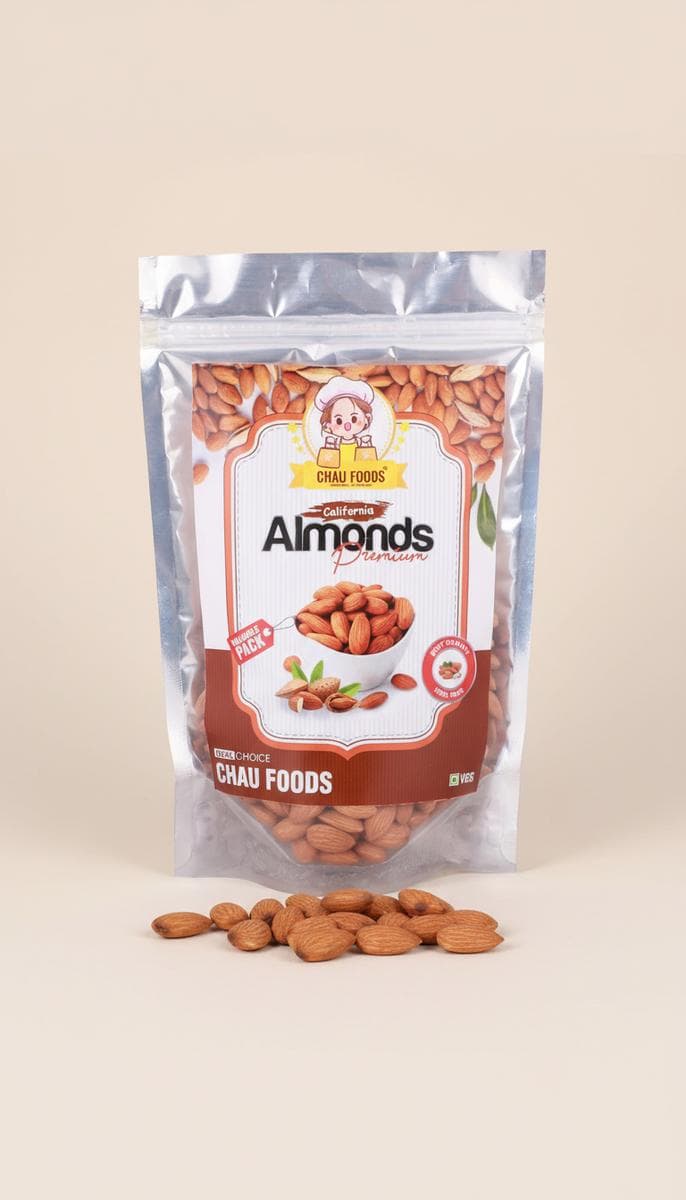
Almonds: Vitamin E + Immunity
Almonds contain 25.6mg of vitamin E per 100g — the single richest common food source. A handful (28g) provides 7.3mg, meeting nearly half your daily needs.
But vitamin E in almonds is uniquely bioavailable because it comes packaged with healthy fats — and vitamin E is fat-soluble, meaning it needs fat for absorption. Nature has solved this problem perfectly.
Research from Tufts University specifically studied almond consumption and immunity, finding that almond skins contain polyphenols that enhance the ability of white blood cells to detect viruses.
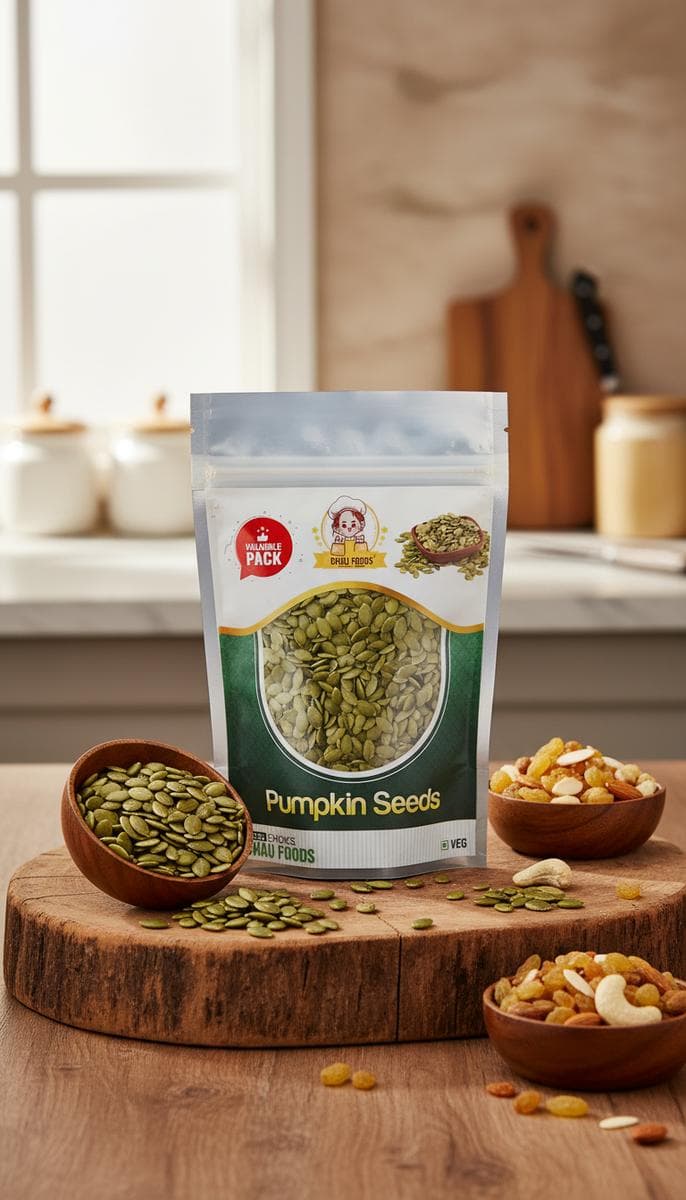
Pumpkin Seeds: Zinc Dense
With 7.8mg zinc per 100g, pumpkin seeds are one of the best plant-based zinc sources. They also provide:
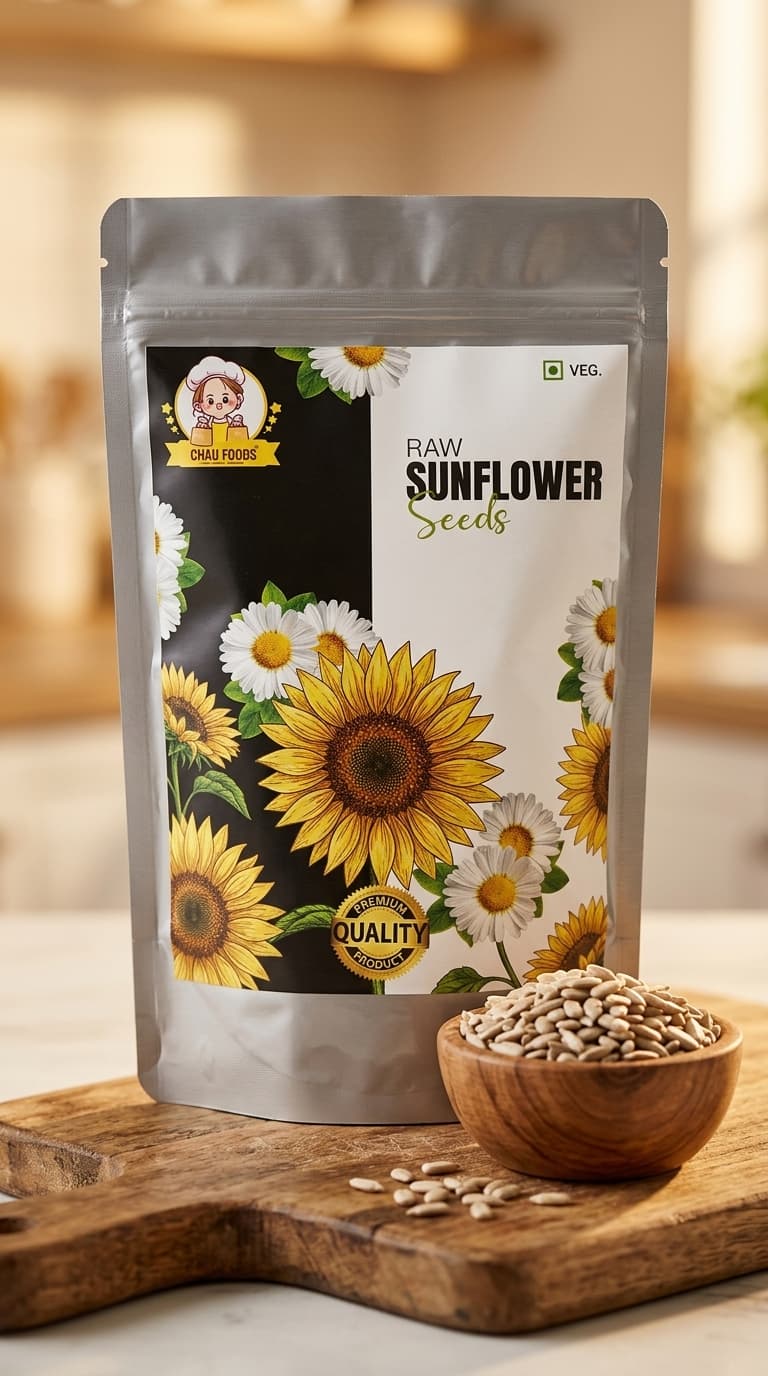
Sunflower Seeds: The Vitamin E + Selenium Combo
Sunflower seeds contain 35.2mg vitamin E per 100g (even more than almonds) plus 53mcg selenium. This combination is particularly powerful — vitamin E and selenium work synergistically in immune cell protection.
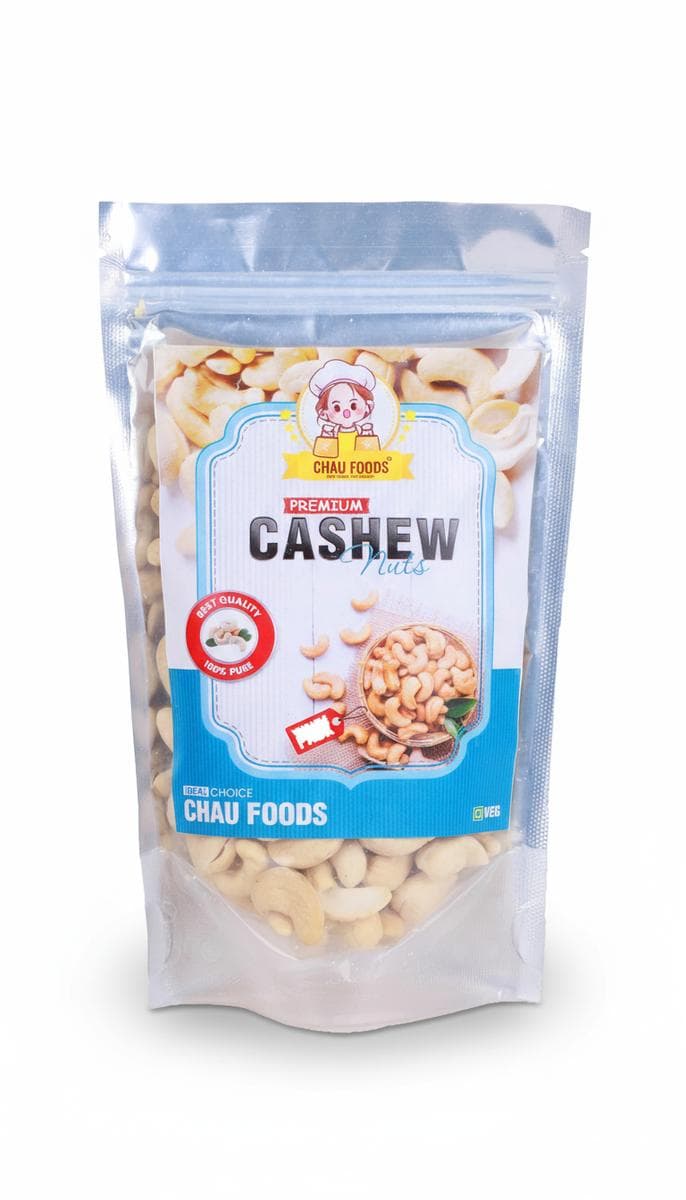
Cashews: Zinc + Copper
Cashews provide 5.78mg zinc per 100g, plus 2.2mg copper. Copper is often overlooked but essential — it supports neutrophil function and is required for superoxide dismutase, a critical antioxidant enzyme.
Raisins: Iron + Antioxidants
Raisins concentrate grape polyphenols (resveratrol, catechins) and provide 1.9mg iron per 100g. Their natural sugars also provide quick energy to immune cells during active infection.
Your Daily Protocol
Morning Immune Ritual (6:30-7:00 AM)
Breakfast (8:00 AM)
Mid-Morning (10:30 AM)
Lunch (1:00 PM)
Afternoon (4:00 PM)
Dinner (7:00 PM)
Before Bed (9:30 PM)
Daily totals: 15-20 almonds, 2-3 tablespoons pumpkin seeds, 2 tablespoons sunflower seeds, 8-10 cashews, 15-20 raisins.
Seasonal Immunity Boosting
Monsoon (July-September)
Increase: zinc-rich foods (pumpkin seeds), vitamin C foods, warm spices
Reason: Humidity increases pathogen load, waterborne infections rise
Winter (November-February)
Increase: vitamin D supplementation (less sunlight), vitamin E (almonds), warm foods
Reason: Respiratory viruses thrive in cold, dry air
Summer (March-June)
Increase: hydration, antioxidant-rich foods, cooling seeds (chia soaked in water)
Reason: Heat stress can suppress immune function
Ready-Made Solution
Building daily immunity requires consistent intake of specific nutrients in the right amounts. Our Immunity Shield Kit combines almonds (vitamin E), pumpkin seeds (zinc), sunflower seeds (selenium + vitamin E), cashews (copper + zinc), and raisins (iron + antioxidants) in a daily-portioned format.
Get the Immunity Shield Combo →
---
*Disclaimer: This article is for educational purposes only and is not medical advice. A strong immune system reduces infection risk but does not prevent or treat specific diseases. Consult your doctor for vaccination schedules, persistent infections, or if you have an immune disorder.*
About the Author
Chau Foods Editorial Team
This guide is written and fact-checked by the Chau Foods editorial team — a small group of FSSAI-certified food specialists based in Rohini, Delhi. Led by founder Mohit, the team combines direct farm-sourcing experience (California almonds, Bihar makhana from Darbhanga & Madhubani, Kashmir walnuts, Kerala spices) with hands-on quality control at the Chau Foods packing facility. We publish only what we would feed our own families, cite Indian nutrition data where relevant, and refresh every article when sourcing, pricing, or health guidelines change.
- Credentials
- FSSAI Lic. 13321008000704
- Based in
- Rohini, Delhi · since 2020
- Rating
- 4.9/5 · 27+ Google reviews
Keep Exploring
Shop related collections and next steps
Use this guide to compare options, then move directly into the most relevant collection, brand story, or bulk-order path.
Dry Fruits Collection
Browse premium dry fruits and pantry-friendly staples selected for everyday snacking.
Shop the collectionWhy Chau Foods
Learn more about our sourcing, freshness standards, and the quality promises behind each product we ship.
Read our storyBulk & gifting help
Need larger quantities, office snacks, festive gifting, or repeat ordering support? Start with our bulk orders page.
Start a bulk enquiry