Dry Fruits and Kidneys: It Is Complicated
Kidney health and dry fruits have a nuanced relationship. For people with healthy kidneys, most dry fruits are beneficial — they provide antioxidants, healthy fats, and minerals that protect kidney function. But for people with chronic kidney disease (CKD), some dry fruits can be dangerous because they are high in potassium and phosphorus — two minerals that damaged kidneys cannot filter efficiently.
This guide covers both scenarios: what to eat if your kidneys are healthy (prevention), and what is safe if you already have kidney problems (management).
For Healthy Kidneys: Prevention Diet
If your kidneys are functioning normally, these dry fruits actively protect kidney health:
1. Cranberries (Dried)
Dried cranberries are the standout kidney-protective fruit. They contain proanthocyanidins (PACs) that prevent bacteria from adhering to the urinary tract walls — reducing UTI risk by up to 50% in clinical studies. UTIs, if recurring, can damage kidneys over time.
How to eat: 30g dried cranberries daily. Choose varieties without added sugar if possible.
2. Almonds (in moderation)
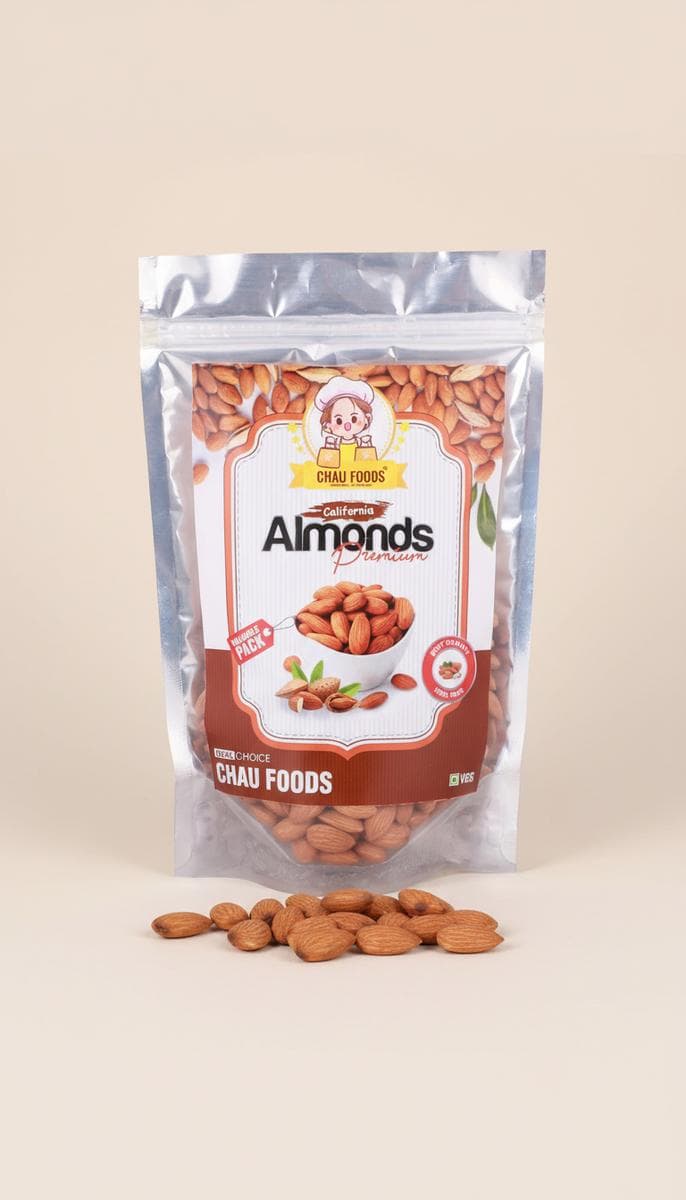
Almonds provide vitamin E and antioxidants that reduce oxidative stress on kidney cells. A study in the Journal of Renal Nutrition found that moderate nut consumption was associated with better kidney function markers in healthy adults.
How to eat: 10-15 almonds daily (not excessive — high protein intake strains kidneys).
3. Walnuts
Walnuts provide omega-3 fats that reduce inflammation — and kidney disease is fundamentally an inflammatory condition. Their anti-inflammatory effect helps protect kidney blood vessels.
How to eat: 3-4 walnut halves daily.
4. Flax Seeds
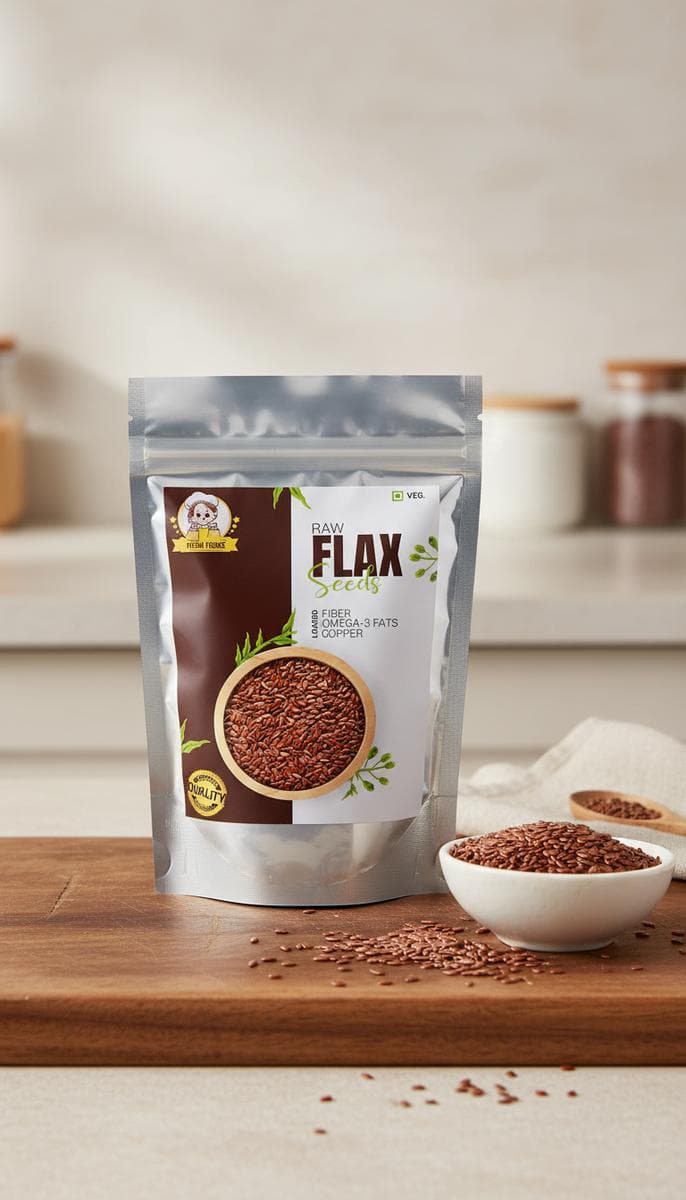
Ground flax seeds provide ALA omega-3 and lignans — both of which have been studied for kidney protection. A study in Clinical Journal of the American Society of Nephrology found that higher omega-3 intake was associated with slower kidney function decline.
How to eat: 1 tablespoon ground flax seeds daily.
For CKD Patients: What Is Safe
Important: If you have CKD Stage 3 or above, always consult your nephrologist before changing your diet. Potassium and phosphorus limits vary by CKD stage.
Generally Safer Options (Lower Potassium)
Use With Caution (Moderate Potassium)
Limit or Avoid (High Potassium)
Phosphorus Concerns
CKD patients also need to watch phosphorus. Nuts generally contain phosphorus, but plant-based phosphorus (phytate-bound) is only 40-60% absorbed compared to animal or additive phosphorus. This means the actual phosphorus load from nuts is lower than the label suggests.
The Kidney-Safe Snack Plan
For CKD patients (Stage 1-3, cleared by doctor):
| Time | Snack | Potassium (approx) |
|------|-------|-------------------|
| Morning | 8 almonds (soaked) | ~55mg |
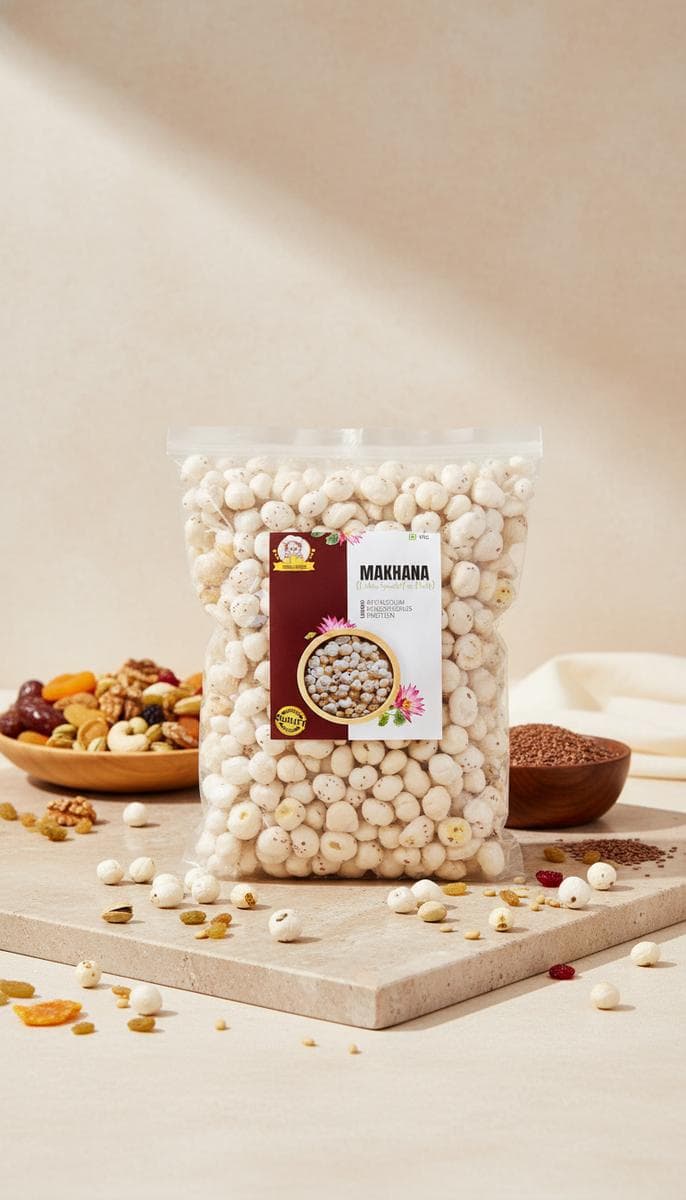
| Mid-morning | 1 cup makhana (roasted) | ~40mg |
| Afternoon | 15g dried cranberries | ~20mg |
| Evening | 6-8 macadamia nuts | ~35mg |
| Daily total from snacks | | ~150mg |
This keeps the snack potassium contribution very low, leaving room for potassium from meals.
Kidney Stone Prevention
If you are prone to kidney stones, specific considerations apply:
Frequently Asked Questions
Which dry fruits are good for kidney patients?
For kidney patients, the safest options are macadamia nuts (lowest potassium), dried cranberries (UTI prevention, low potassium), and makhana (low potassium and phosphorus). Always consult your nephrologist — safe amounts depend on your CKD stage and blood potassium levels.
Are almonds bad for kidneys?
Almonds are fine for healthy kidneys and beneficial in moderation. For CKD patients, they contain moderate potassium (200mg per 30g) — small amounts may be acceptable in early-stage CKD, but check with your doctor. They are not recommended in advanced CKD without medical guidance.
Can kidney patients eat raisins?
Raisins are high in potassium (749mg per 100g) and should generally be limited or avoided by CKD patients, especially those in Stage 3 or above. For healthy individuals, raisins are fine and the potassium actually benefits kidney function.
Is makhana safe for kidney patients?
Yes. Makhana is one of the safest dry fruit options for kidney patients because it is low in both potassium and phosphorus while providing clean protein. It is widely recommended by nephrologists as a kidney-friendly snack.
Which dry fruits cause kidney stones?
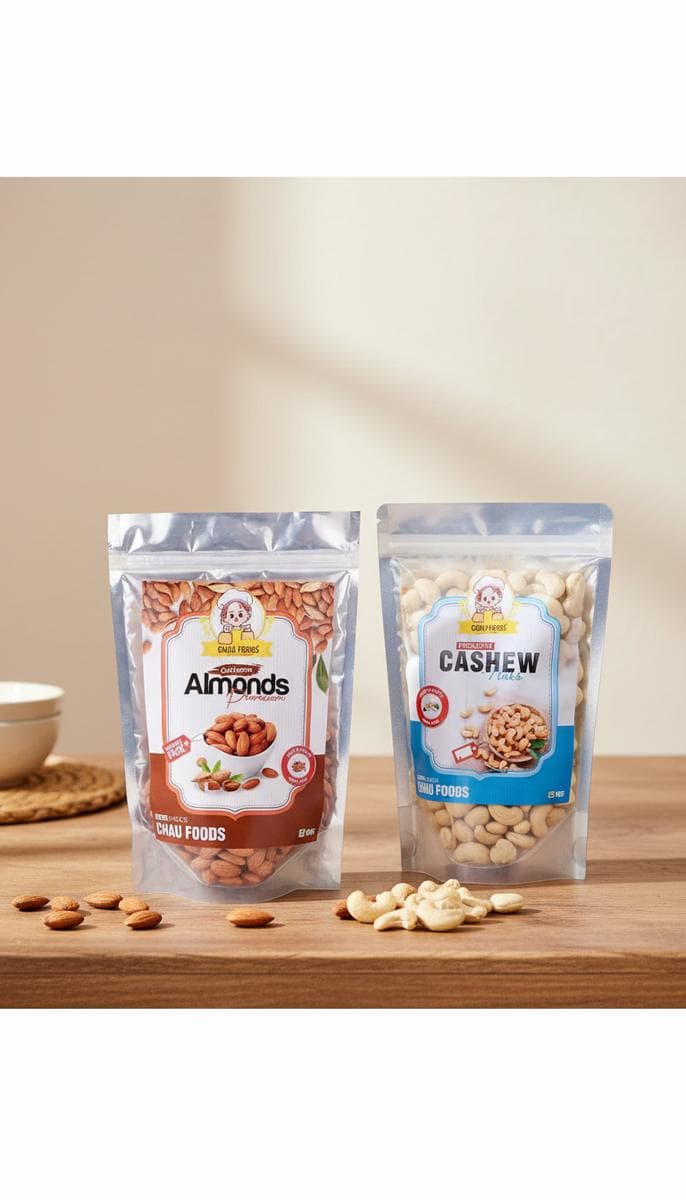
High-oxalate dry fruits like almonds and cashews may contribute to calcium oxalate stones in susceptible individuals. If you have a history of kidney stones, prefer lower-oxalate options like walnuts and makhana, and always drink adequate water (2.5-3 liters daily).
About the Author
Chau Foods Editorial Team
This guide is written and fact-checked by the Chau Foods editorial team — a small group of FSSAI-certified food specialists based in Rohini, Delhi. Led by founder Mohit, the team combines direct farm-sourcing experience (California almonds, Bihar makhana from Darbhanga & Madhubani, Kashmir walnuts, Kerala spices) with hands-on quality control at the Chau Foods packing facility. We publish only what we would feed our own families, cite Indian nutrition data where relevant, and refresh every article when sourcing, pricing, or health guidelines change.
- Credentials
- FSSAI Lic. 13321008000704
- Based in
- Rohini, Delhi · since 2020
- Rating
- 4.9/5 · 27+ Google reviews
Keep Exploring
Shop related collections and next steps
Use this guide to compare options, then move directly into the most relevant collection, brand story, or bulk-order path.
Makhana Collection
See Chau Foods makhana picks for daily snacking, travel, and festive gifting.
Shop the collectionWhy Chau Foods
Learn more about our sourcing, freshness standards, and the quality promises behind each product we ship.
Read our storyBulk & gifting help
Need larger quantities, office snacks, festive gifting, or repeat ordering support? Start with our bulk orders page.
Start a bulk enquiryWant to Buy in Bulk?
Get wholesale prices for premium dry fruits delivered to your doorstep.
FSSAI Certified| 500+ Business Partners| Pan-India Delivery