Buy online
Freshly packed, delivered in 3 to 5 days

Free delivery on orders ₹399+ · Cash on Delivery available
Why Proper Storage Matters More Than You Think
You just spent ₹1,000 on premium California almonds and fresh makhana. Two weeks later, they taste stale, chewy, and lifeless. Sound familiar?
The problem isn't the quality - it's how you store them. Dry fruits are hygroscopic, meaning they absorb moisture from the air. Once moisture gets in, they lose their crunch, develop off-flavours, and can even grow mould.
The good news? With the right storage techniques, you can keep your dry fruits fresh, crunchy, and nutritious for 6-12 months at home. Here's everything you need to know.
The Golden Rules of Dry Fruit Storage
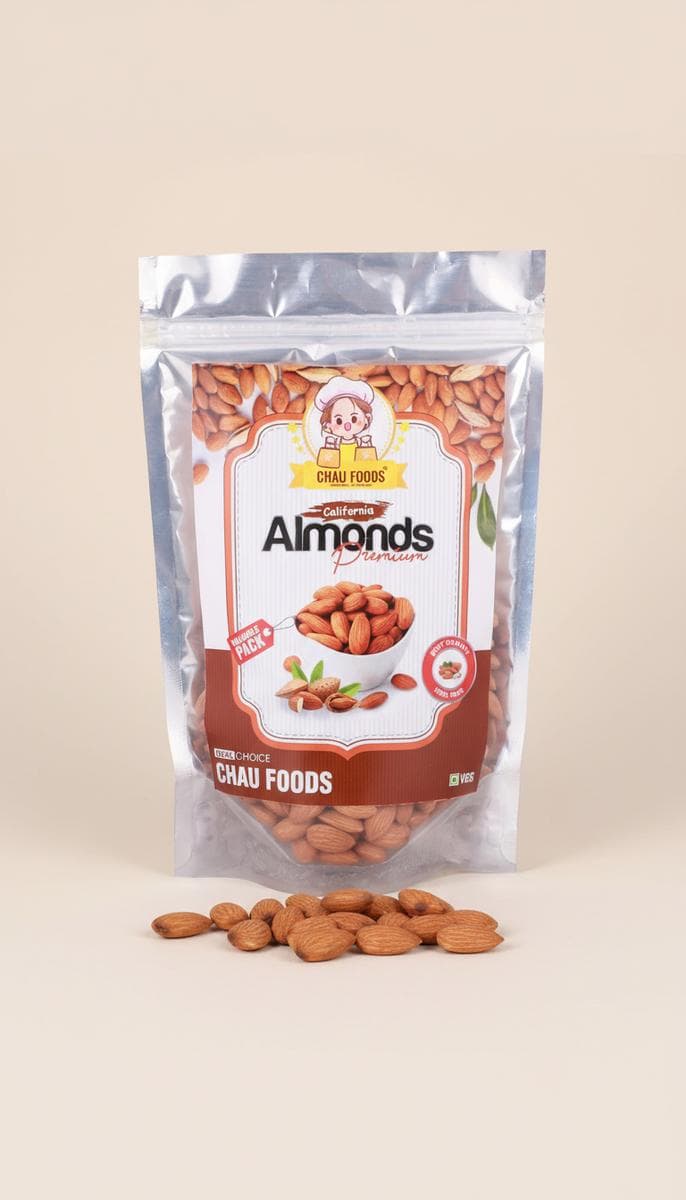
Featured Product
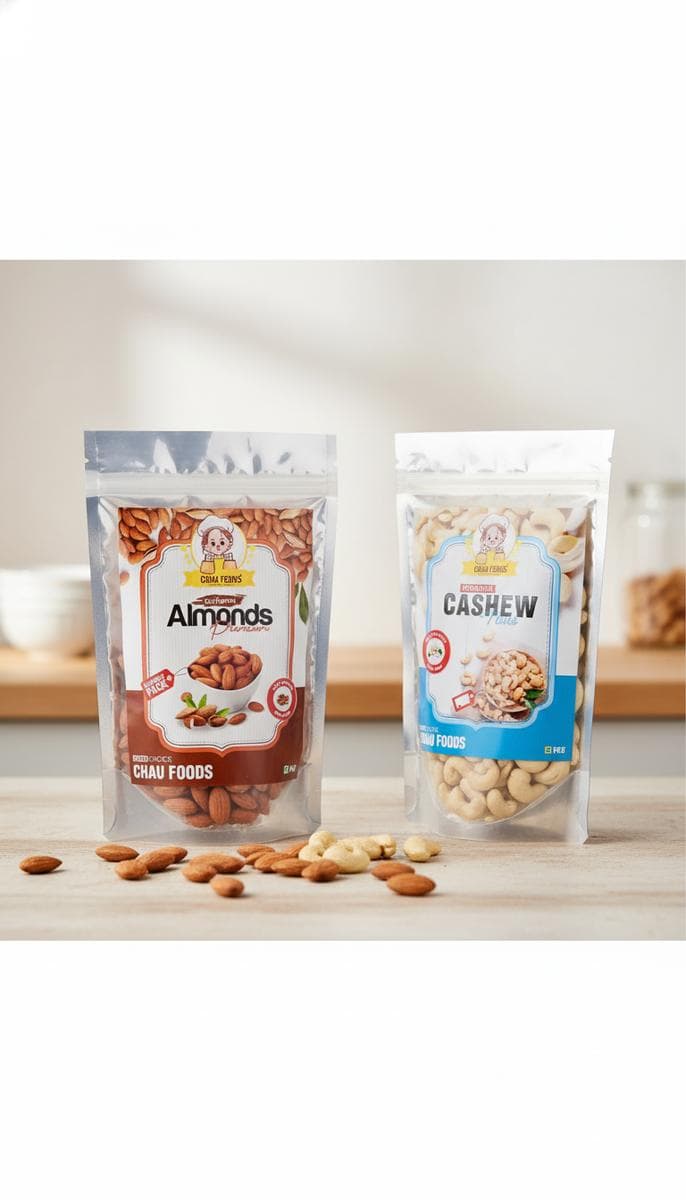
Premium California Almonds 🇺🇸
Premium California almonds — 21g protein, Vitamin E rich, ideal for daily soaking & snacking
✓ FSSAI certified · Free delivery ₹399+
Rule 1: Airtight Containers Are Non-Negotiable
The single biggest mistake people make is storing dry fruits in open bowls, plastic bags, or the original packet after opening. All of these allow air and moisture in.
What to use:
- Glass jars with rubber-sealed lids (best option)
- Steel containers with airtight lids
- Food-grade plastic containers with snap-lock lids
- Vacuum-sealed bags (for long-term storage)
What to avoid:
- Paper bags (absorb moisture)
- Regular plastic bags (not airtight)
- Open bowls or plates
- Original packaging after opening (unless resealable)
Rule 2: Keep Away from Sunlight and Heat
UV light and heat accelerate the oxidation of natural oils in nuts, making them taste rancid. This is especially true for walnuts, almonds, and cashews which are high in healthy fats.
Best storage spots:
- Kitchen cabinet away from the stove
- Pantry shelf (not near windows)
- A cool, dark drawer
- Refrigerator (for 3+ months storage)
Worst storage spots:
- Kitchen counter near the stove or window
- Top of the refrigerator (generates heat)
- Near the dishwasher or washing machine (steam and humidity)
Rule 3: Refrigerate for Long-Term Freshness
For storage beyond 2-3 months, the refrigerator is your best friend. The cold temperature slows down oil oxidation and prevents insect infestation.
Refrigerator storage tips:
- Use airtight containers (fridge air is dry and can dehydrate nuts)
- Keep in the main compartment, not the door (door temperature fluctuates)
- Label containers with the purchase date
- Bring to room temperature before eating for best flavour
Freezer storage (6-12 months):
- Freezing works for all nuts and seeds
- Use freezer-safe containers or zip-lock bags with air removed
- Thaw at room temperature for 30 minutes before eating
- Don't refreeze after thawing
Storage Guide for Every Type of Dry Fruit
Almonds (Badam)
- Shelf life (room temp): 3-4 months
- Shelf life (fridge): 8-12 months
- Key enemy: Moisture and heat
- Tip: Store with skin on. Peeled/soaked almonds should be refrigerated and consumed within 2-3 days.
Cashews (Kaju)
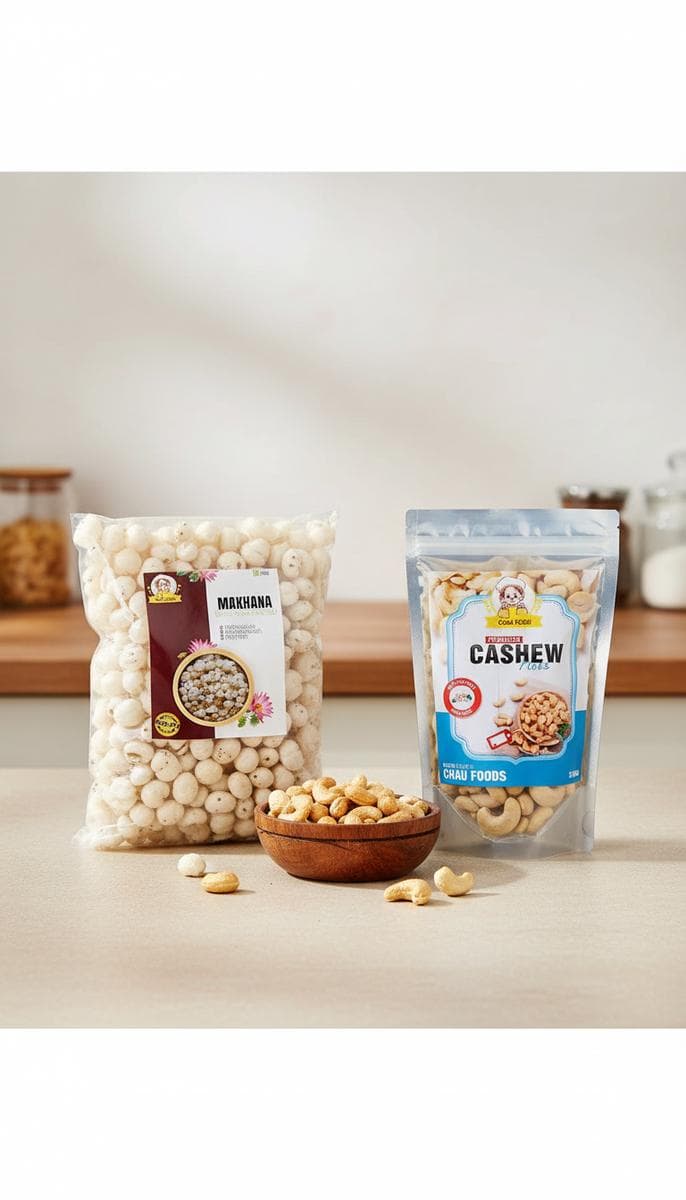
- Shelf life (room temp): 2-3 months
- Shelf life (fridge): 6-8 months
- Key enemy: Humidity (cashews go soft quickly)
- Tip: If your cashews feel soft, spread them on a tray and put in the oven at 150°C for 5 minutes. They'll crisp right back up.
Makhana (Fox Nuts)
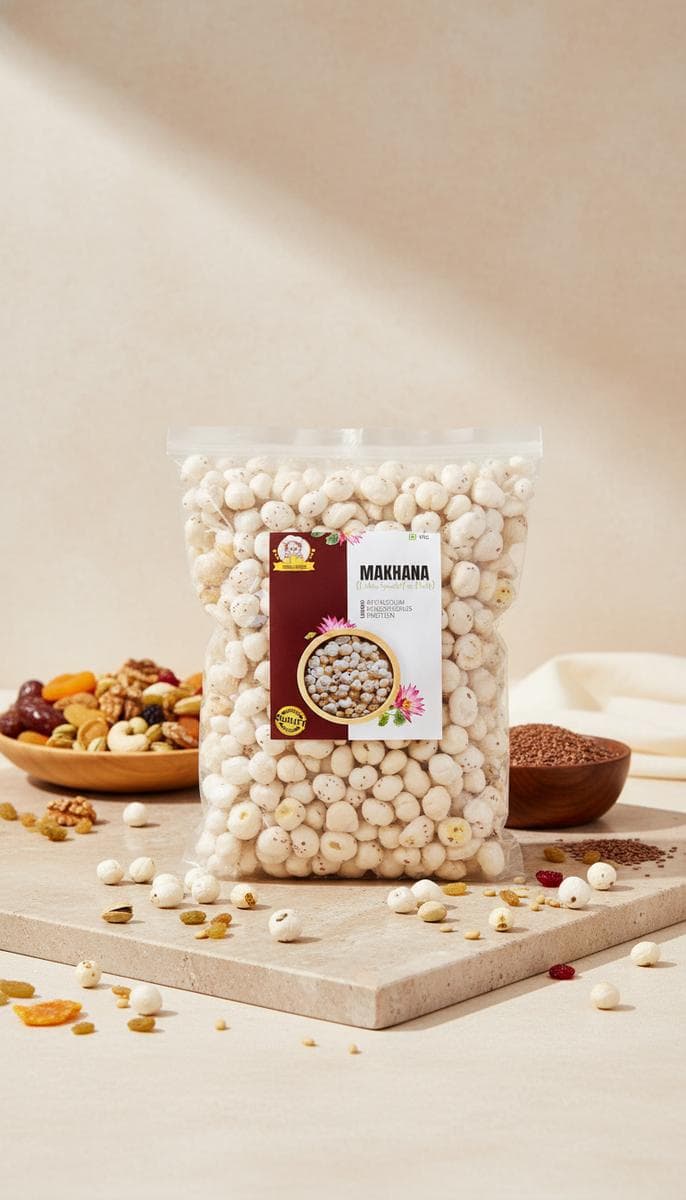
- Shelf life (room temp): 1-2 months (loses crunch fast!)
- Shelf life (airtight jar): 3-4 months
- Key enemy: Moisture is makhana's worst enemy
- Tip: After roasting makhana, let it cool COMPLETELY before storing. Storing warm makhana creates condensation in the container, making it soggy. Add a small sachet of food-grade silica gel to the jar to absorb excess moisture.
Walnuts (Akhrot)
- Shelf life (room temp): 2-3 months
- Shelf life (fridge): 6-9 months
- Key enemy: Rancidity (walnuts have the highest oil content)
- Tip: Walnuts go rancid faster than any other nut. If they taste bitter or smell like paint, they're rancid - throw them away. In-shell walnuts last longer than shelled ones.
Pistachios (Pista)
- Shelf life (room temp): 3-4 months
- Shelf life (fridge): 8-12 months
- Key enemy: Moisture makes shells hard to open
- Tip: In-shell pistachios last longer. Keep the shells on until you're ready to eat.
Seeds (Chia, Flax, Pumpkin, Sunflower)
- Shelf life (room temp): 2-3 months
- Shelf life (fridge): 6-12 months
- Key enemy: Oil oxidation (especially flax and chia)
- Tip: Buy whole seeds rather than pre-ground. Ground flax seeds oxidise within days. Grind fresh before each use.
Raisins (Kishmish)
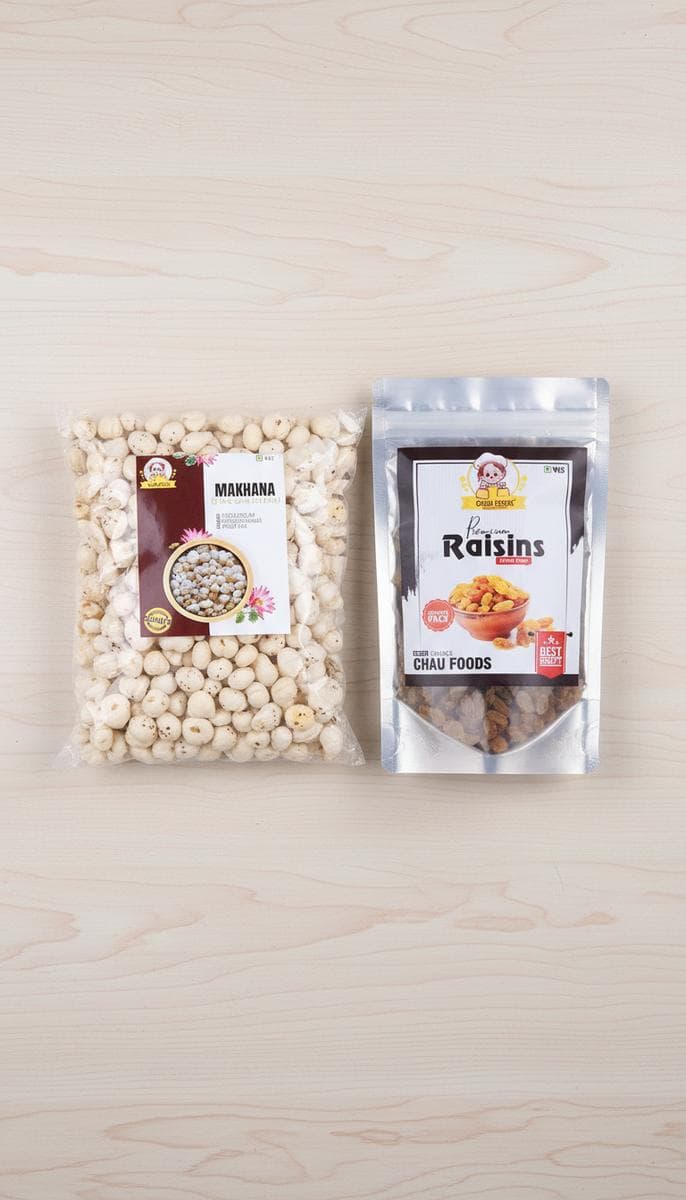
- Shelf life (room temp): 4-6 months
- Shelf life (fridge): 12+ months
- Key enemy: Clumping and crystallisation
- Tip: If raisins clump together, soak in warm water for 5 minutes. They'll separate and plump up beautifully.
Spices (Cardamom, Cloves)
- Shelf life (room temp): 6-12 months (whole spices)
- Key enemy: Light, heat, and air (lose aroma fast)
- Tip: Always buy whole spices and grind fresh. Whole green cardamom keeps its aroma for a year; ground cardamom loses it in weeks.
How to Tell If Your Dry Fruits Have Gone Bad
- Taste: Bitter, sour, or "off" flavour = rancid oils. Discard immediately.
- Smell: Paint-like or sharp chemical smell = rancid. Fresh nuts should smell mild and nutty.
- Texture: Chewy, soft, or rubbery = moisture damage. Can sometimes be rescued by oven-crisping.
- Appearance: Visible mould, discolouration, or white spots = fungal growth. Discard the entire batch.
- Insects: Tiny holes in shells, webbing, or small moths = insect infestation. Discard and deep-clean the container.
5 Pro Tips for Maximum Freshness
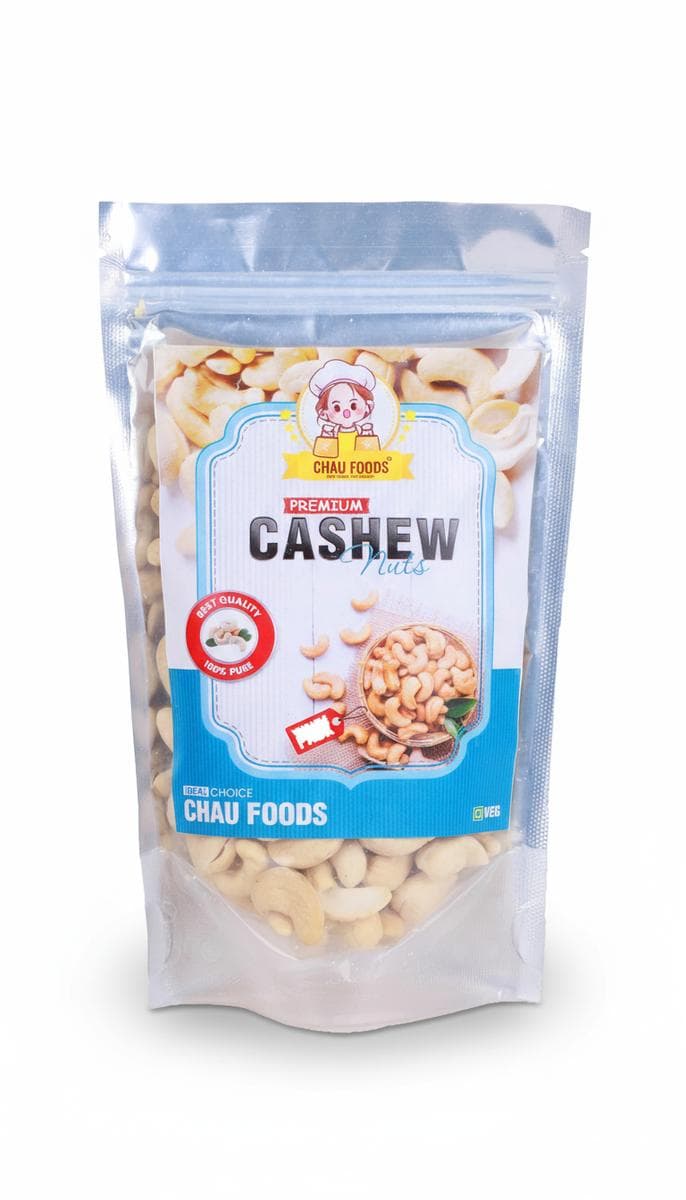
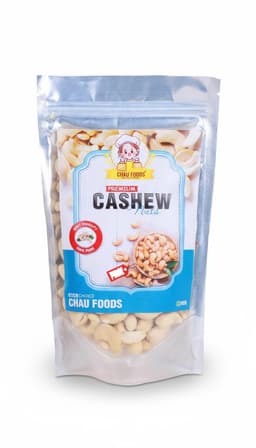
Featured Product
Premium W240 Cashews 🇮🇳
W240 jumbo-grade whole cashews — 18g protein, creamy, crunchy & unbroken, perfect for snacking & cooking
✓ FSSAI certified · Free delivery ₹399+
- 1Buy smaller quantities more frequently rather than bulk-buying for 6 months. Fresh stock = better nutrition and taste. At Chau Foods, we pack fresh every week.
- 1Don't mix old and new stock in the same container. Always finish the old batch first, then wash and dry the container before adding fresh stock.
- 1Use a clean, dry spoon every time you take dry fruits out. Wet or oily hands introduce moisture and bacteria.
- 1Add a bay leaf to your dry fruit container. Bay leaves are natural insect repellents - they keep weevils and moths away without chemicals.
- 1Label everything with the purchase date. Use masking tape and a marker. This helps you track freshness and consume in the right order.
Key Takeaway
The Bottom Line
Storing dry fruits properly isn't complicated - it just requires a few good habits. Invest in quality airtight containers, keep everything cool and dark, and follow the specific tips for each type of dry fruit.
Your ₹1,000 investment in premium dry fruits should give you months of healthy snacking, not weeks of disappointment.
Storage Cheat-Sheet
| Item | Best storage | Stays fresh |
|---|---|---|
| Almonds / Cashews | Airtight, cool, dark | 6-9 months |
| Walnuts | Fridge, airtight | ~6 months |
| Makhana | Airtight jar | 4-6 months |
| Anjeer / Raisins | Airtight, cool | 6-8 months |
Keep it airtight
Move dry fruits to a sealed jar as soon as you open the pack.
Cool & dark
Store away from the stove and direct sunlight.
Fridge the oily ones
Walnuts (and pine nuts) last longer chilled.
Use a dry spoon
Moisture is the enemy - never dip a wet spoon.
Editorial Note
How we publish Chau Foods blog guides
This article is published by the Chau Foods editorial team for general food education, ingredient guidance, and shopping support. It is not a substitute for medical advice, diagnosis, or treatment.
Reader Checklist
- Published on 9 April 2026
- Last reviewed and updated on 9 April 2026 by the Chau Foods editorial team.
- Use this guide for food education and buying decisions, not medical treatment.
- If you have allergies or a clinical diet plan, check with a qualified professional first.
About the Author
Chau Foods Editorial Team
This guide is written and fact-checked by the Chau Foods editorial team - a small group of FSSAI-certified food specialists based in Rohini, Delhi. Led by founder Mohit, the team combines direct farm-sourcing experience (California almonds, Bihar makhana from Darbhanga & Madhubani, Kashmir walnuts, Kerala spices) with hands-on quality control at the Chau Foods packing facility. We publish only what we would feed our own families, cite Indian nutrition data where relevant, and refresh every article when sourcing, pricing, or health guidelines change.
- Credentials
- FSSAI Lic. 13321008000704
- Based in
- Rohini, Delhi · since 2020
- Rating
- 4.9/5 · 27+ Google reviews
Keep Exploring
Shop related collections and next steps
Use this guide to compare options, then move directly into the most relevant collection, brand story, or bulk-order path.
Almond Collection
Browse daily-use almonds, premium badam picks, and related dry fruit options.
Shop the collectionWhy Chau Foods
Learn more about our sourcing, freshness standards, and the quality promises behind each product we ship.
Read our storyBulk & gifting help
Need larger quantities, office snacks, festive gifting, or repeat ordering support? Start with our bulk orders page.
Start a bulk enquiry