Buy online
Freshly packed, delivered in 3 to 5 days
Free delivery on orders ₹399+ · Cash on Delivery available
Why Most Makhana You Buy Is Already Months Old
Here's something most brands won't tell you: a huge portion of the makhana sold online and in supermarkets is 6 to 12 months old by the time it reaches you. It sits in warehouses, passes through multiple distributors, and is often repacked into fancy jars without any check on freshness.
Old makhana isn't unsafe - but it loses its crunch, develops a slightly stale smell, and the protein + fibre content degrades. You end up paying premium prices for snack-quality you don't deserve.
At Chau Foods, we pack our phool makhana fresh every week from Bihar farms - no warehouse middle stops, no 6-month-old stock. But even if you're buying from another brand, here are 5 simple tests to check freshness before you eat.
The 5 Simple Freshness Tests (Do These at Home)
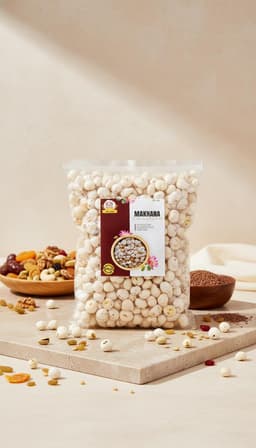
Featured Product
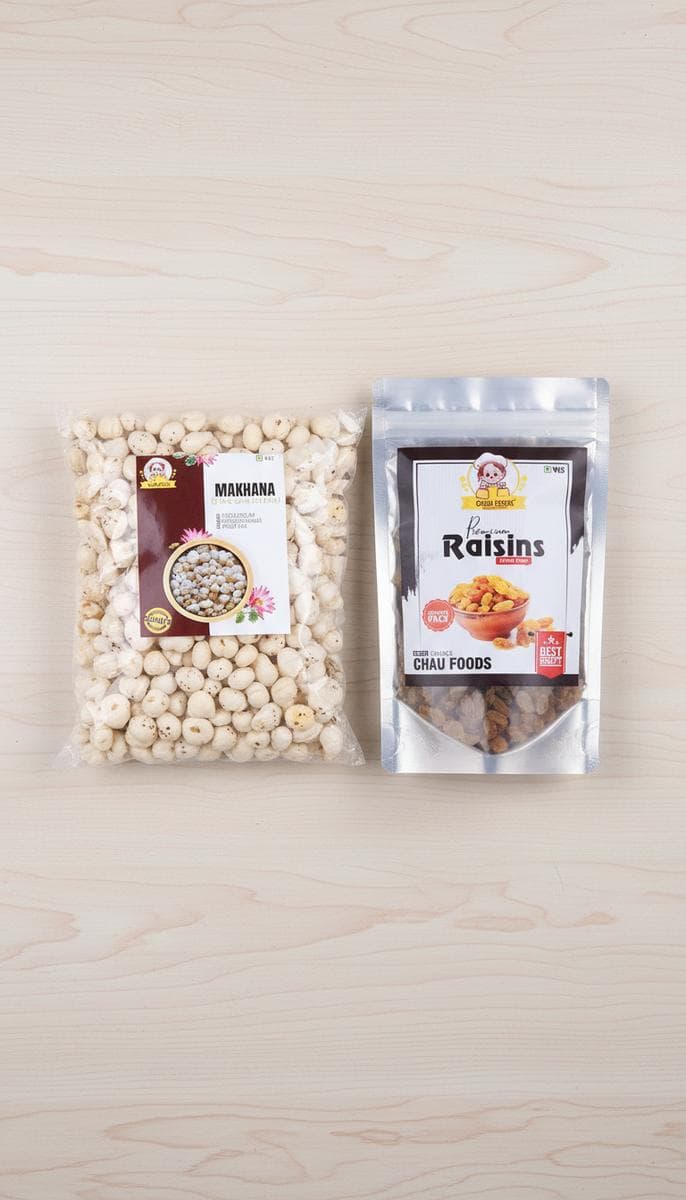
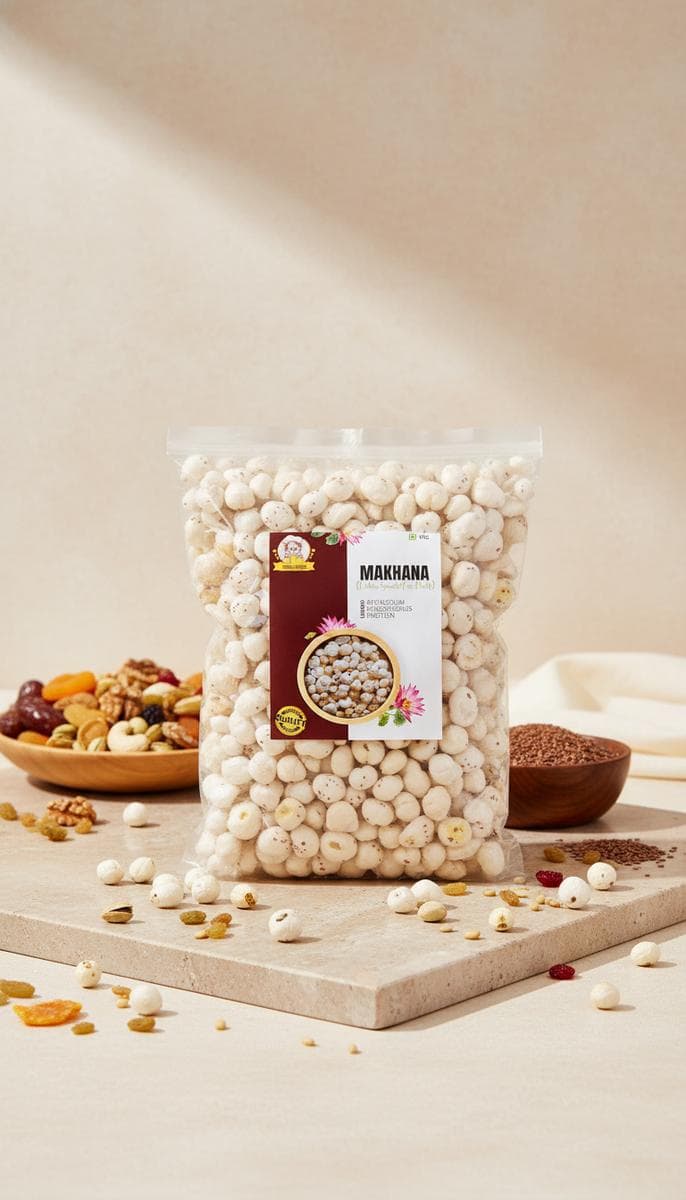
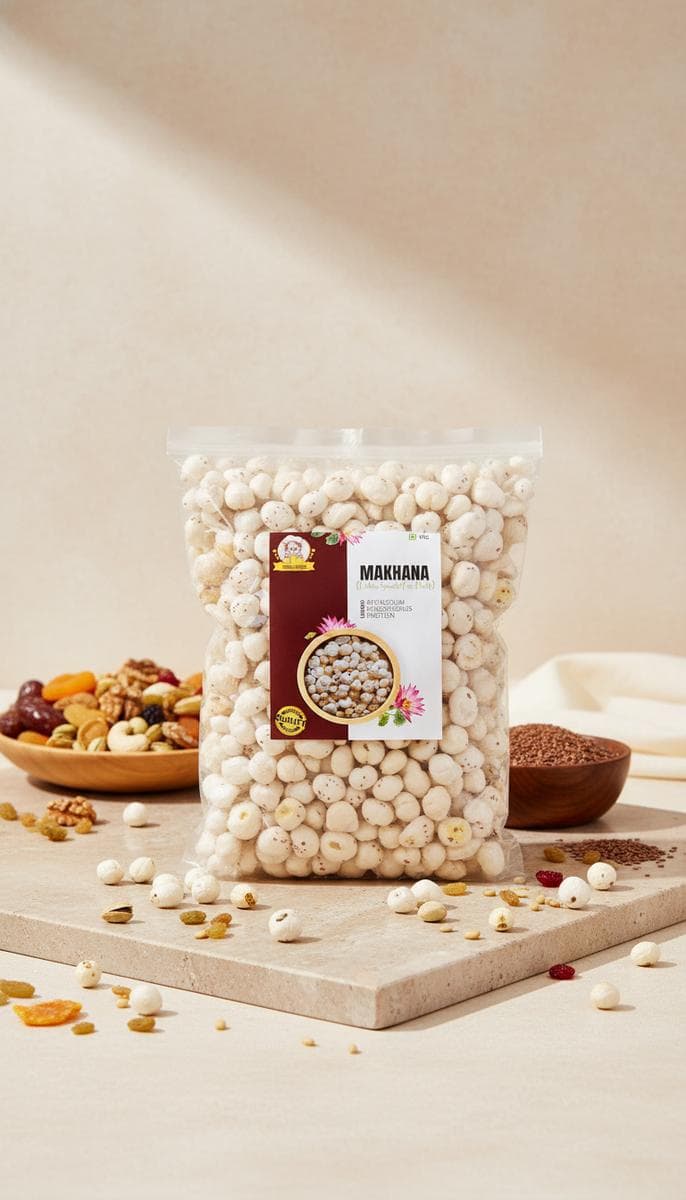
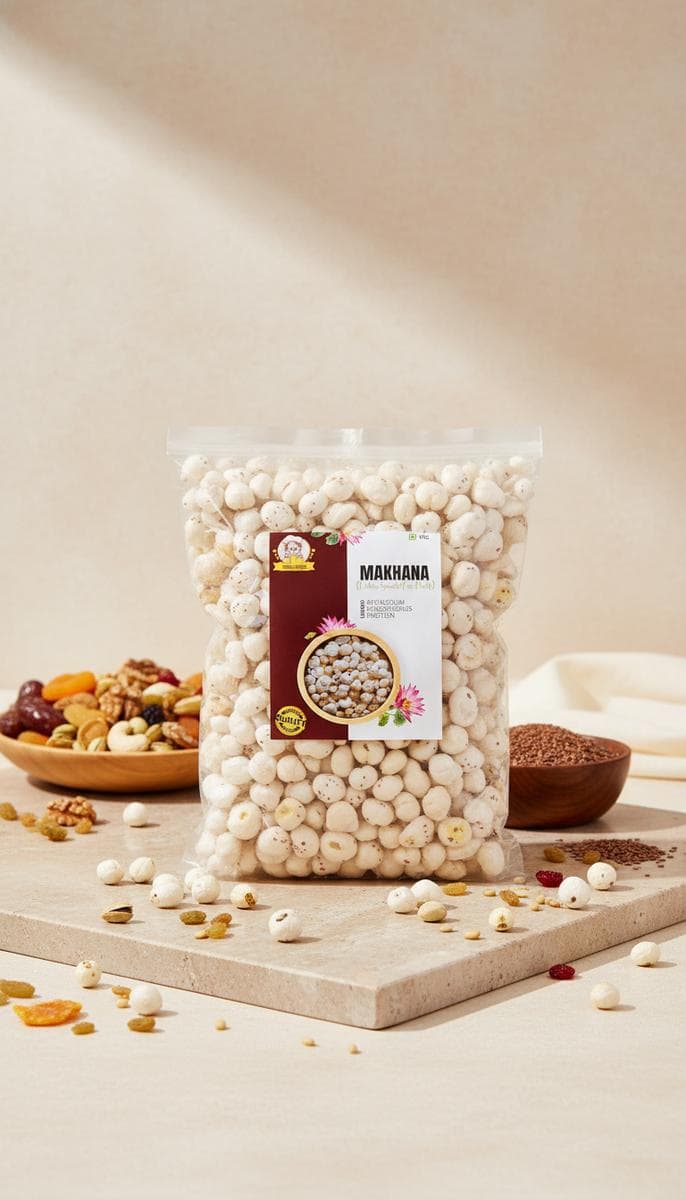
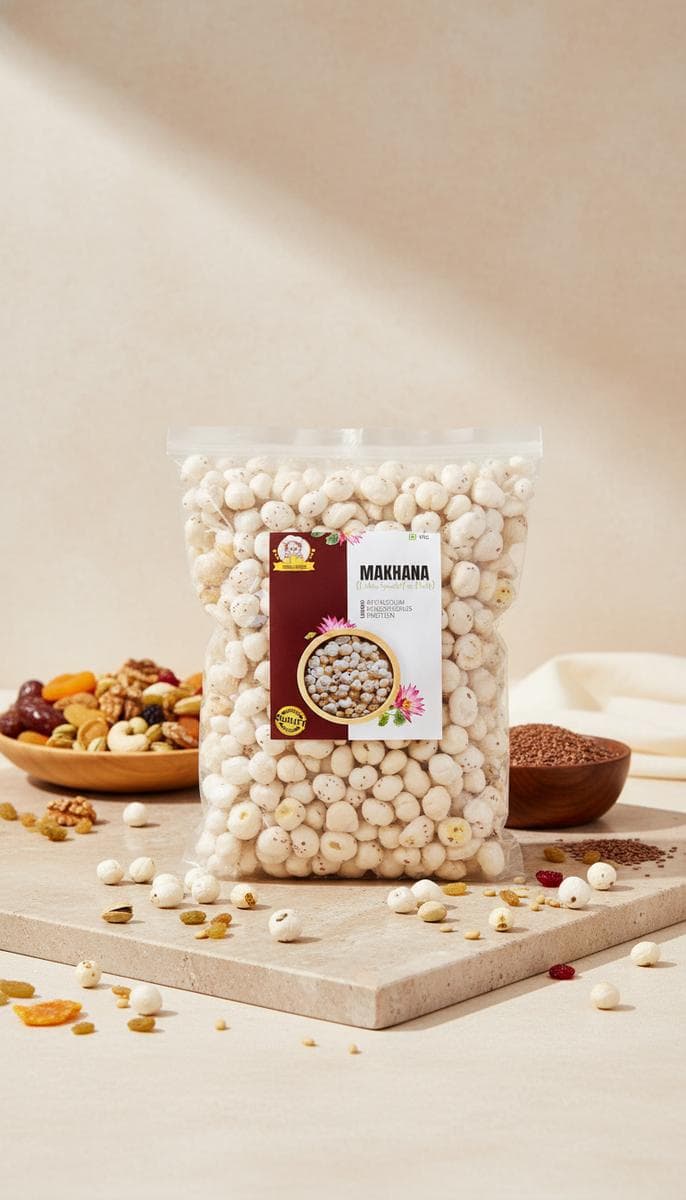
Premium Bihar Makhana 🇮🇳
Handpicked fox nuts — 9g protein, low calorie, perfect for weight loss & fasting snacks
✓ FSSAI certified · Free delivery ₹399+
The Colour Test - Pearly White, Not Yellow
Fresh makhana: Bright, pearly white. Looks almost like small puffed rice but rounder and larger.
Old makhana: Yellowish tint, sometimes grey spots. The longer makhana sits, the more it oxidises and yellows.
Hold a few pieces up to natural light. If you see any yellow or brown discolouration - that batch is old.
The Crunch Test - Sharp Snap, No Chewiness
Fresh makhana: Snaps cleanly in your mouth with a sharp crunch. Breaks apart into light, crispy pieces.
Old makhana: Slightly chewy, feels dense, takes more effort to bite through. Sometimes has a soft interior even when the outside looks normal.
Bite one raw (unroasted) makhana. If it gives resistance or feels rubbery - it has absorbed moisture from the pack or air, which means it was packed months ago.
The Smell Test - Neutral, Not Musty
Fresh makhana: Almost no smell. A very faint, clean, earthy scent - like fresh popcorn before butter.
Old makhana: Musty, slightly oily, or even a faint "old cupboard" smell. This is because the natural oils in the lotus seed have started oxidising.
Open the pack and sniff immediately. If you smell anything unpleasant or reminiscent of old grain - return or discard. Fresh makhana smells like almost nothing.
The Size Test - Big and Uniform
Fresh makhana: The premium grades (called 4-suta and 5-suta in Bihar's grading system) are large, round, and uniform in size. A single piece should be about the size of a small grape or marble.
Old or low-grade makhana: Smaller pieces, irregular shapes, lots of broken halves. Low-grade makhana is cheaper to source, and sellers mix it with older stock to reduce cost.
Pour a handful onto a plate and check. If the pieces are noticeably different sizes or if more than 10% are broken - it's either low-grade or old.
The Water Test - Floats, Doesn't Sink
Drop 3-4 makhana into a bowl of water.
Fresh makhana: Floats on top immediately and stays floating for at least 30 seconds. This is because fresh puffed makhana is full of air and very light.
Old makhana: Sinks partially within 10-15 seconds because it has absorbed humidity from the air, making it denser.
This is the most underrated test - most people don't know it, but it's nearly impossible to fake. Moisture absorption over time changes the density.
Bonus Test - The Roast Test
If you want to be 100% sure, dry-roast 1 cup of makhana in a kadhai on low flame without any ghee or oil.
Fresh makhana: Puffs up slightly more, stays bright white, crunch becomes even sharper. Done in 4-5 minutes.
Old makhana: Turns slightly brown on the outside instead of staying white. Doesn't puff further. Has a slightly burnt smell even when the flame is low.
This is how Bihar farmers themselves check quality before selling.
What to Do If You Already Bought Stale Makhana
Don't throw it away - you can still use it:
- 1Dry-roast it for 8-10 minutes on low flame to remove moisture and revive some crunch
- 2Use it in makhana kheer where texture matters less than flavour
- 3Powder it and use as a coating for cutlets or tikkis
- 4Feed to plants - makhana is biodegradable and makes good compost
But for daily snacking, always prefer fresh stock.
Why Chau Foods Makhana Is Different
Featured Product
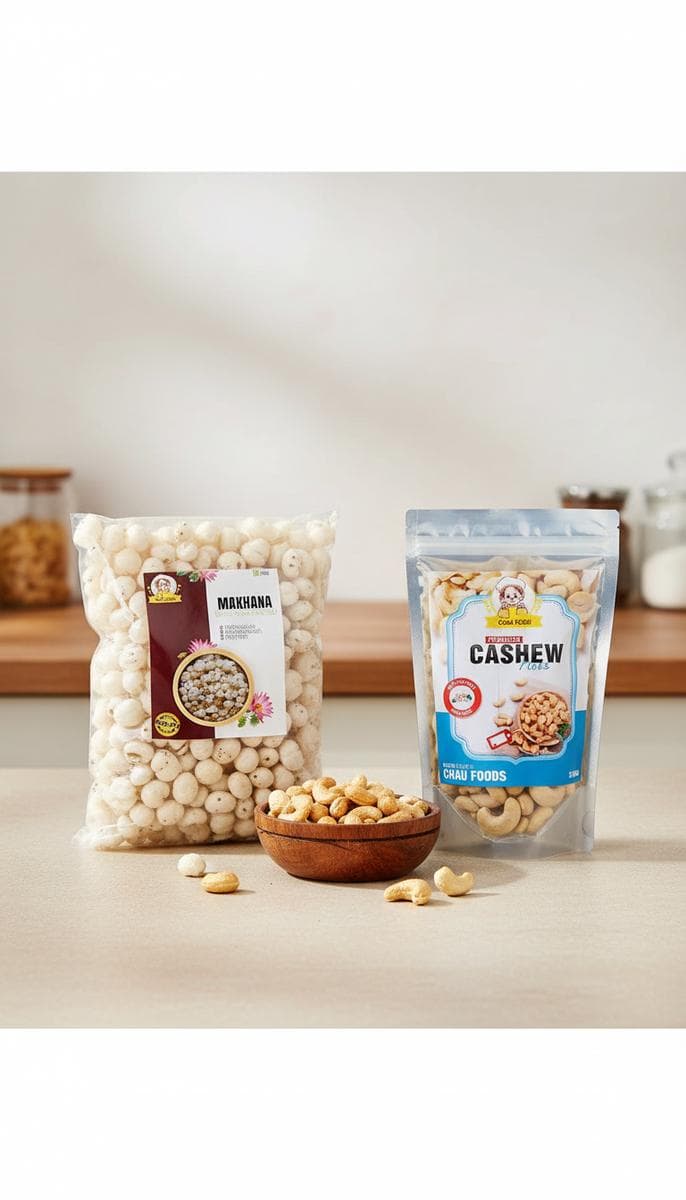
Combo Makhana + Cashew
Makhana + cashew combo — crispy meets creamy, low-cal snacking with premium protein
✓ FSSAI certified · Free delivery ₹399+
- Packed fresh weekly - never warehouse stock sitting for months
- Sourced direct from Bihar farmers - no middlemen, no distributor chains
- Hand-picked premium grade (4-suta and 5-suta) - big, uniform, pearly white
- Sealed in food-grade pouches - locks out moisture and keeps crunch intact
- FSSAI Certified and lab-tested - no artificial colouring or preservatives
We're a small Delhi-based brand, not a mass distributor. Every pack is traceable to the batch it was roasted in - so when you order, you know exactly how fresh your makhana is.
Frequently Asked Questions
How long does fresh makhana last at home?
Unopened, fresh makhana stays good for 8-10 months in a cool, dry place. Once opened, transfer to an airtight jar and consume within 45-60 days for best crunch.
Why does makhana become soft over time?
Makhana is highly porous and absorbs humidity from the air. Once it absorbs moisture, it loses its crunch and becomes chewy. Store in airtight containers with a silica gel pouch to prevent this.
Is yellow makhana safe to eat?
Yellow or cream-coloured makhana is usually old stock, not unsafe. It has lower nutritional value and poor texture but won't harm you. Dry-roast before eating to improve taste.
Can I refresh stale makhana?
Yes - dry-roast it on low flame for 8-10 minutes without oil or ghee. This removes absorbed moisture and revives some crunch. Best used in recipes like kheer or curry after refreshing.
What is the difference between 4-suta and 5-suta makhana?
Suta is Bihar's grading system for makhana size. 5-suta is the largest and most premium (biggest puff, uniform shape), 4-suta is slightly smaller but still premium grade. Anything below 4-suta is considered low grade.
How do I know if a brand is selling old makhana?
Check these signs: yellowish colour, musty smell, chewy texture, broken pieces, or no visible pack date. Premium brands like Chau Foods mention the pack date on every pouch and pack fresh weekly.
Shop fresh phool makhana at chaufoods.com - India's most trusted small-batch makhana brand.
Fresh vs Stale Makhana
| Sign | Fresh | Stale |
|---|---|---|
| Crunch | Crisp snap | Soft / chewy |
| Colour | Creamy white | Grey / yellowish |
| Smell | Neutral | Musty |
| Shape | Fully popped, unbroken | Shrunken, broken |
Check the crunch
Fresh makhana snaps crisply; soft means it has caught moisture.
Look at the colour
Creamy white with light spots is good.
Smell it
A musty smell means it is old or damp.
Store it right
Keep in an airtight jar away from humidity.
Editorial Note
How we publish Chau Foods blog guides
This article is published by the Chau Foods editorial team for general food education, ingredient guidance, and shopping support. It is not a substitute for medical advice, diagnosis, or treatment.
Reader Checklist
- Published on 14 April 2026
- Last reviewed and updated on 14 April 2026 by the Chau Foods editorial team.
- Use this guide for food education and buying decisions, not medical treatment.
- If you have allergies or a clinical diet plan, check with a qualified professional first.
About the Author
Chau Foods Editorial Team
This guide is written and fact-checked by the Chau Foods editorial team - a small group of FSSAI-certified food specialists based in Rohini, Delhi. Led by founder Mohit, the team combines direct farm-sourcing experience (California almonds, Bihar makhana from Darbhanga & Madhubani, Kashmir walnuts, Kerala spices) with hands-on quality control at the Chau Foods packing facility. We publish only what we would feed our own families, cite Indian nutrition data where relevant, and refresh every article when sourcing, pricing, or health guidelines change.
- Credentials
- FSSAI Lic. 13321008000704
- Based in
- Rohini, Delhi · since 2020
- Rating
- 4.9/5 · 27+ Google reviews
Keep Exploring
Shop related collections and next steps
Use this guide to compare options, then move directly into the most relevant collection, brand story, or bulk-order path.
Makhana Collection
See Chau Foods makhana picks for daily snacking, travel, and festive gifting.
Shop the collectionWhy Chau Foods
Learn more about our sourcing, freshness standards, and the quality promises behind each product we ship.
Read our storyBulk & gifting help
Need larger quantities, office snacks, festive gifting, or repeat ordering support? Start with our bulk orders page.
Start a bulk enquiry