Buy online
Freshly packed, delivered in 3 to 5 days

Free delivery on orders ₹399+ · Cash on Delivery available
India's Dry Fruits Export Industry: A Quick Overview
India is the world's largest exporter of dry fruits. The numbers speak for themselves:
- Annual dry fruits exports: $2.8-3.2 billion USD (2024-2026)
- Global market share: 25-30% of world dry fruits trade
- Number of countries importing: 100+ countries across all continents
- Export growth rate: 6-8% annually since 2020
- Key export markets: USA, UAE, UK, Japan, Singapore, Germany, Netherlands
The dry fruits industry is India's second-largest agro-export after spices and tea. It is a ₹20,000+ crore ($2.4 billion+) industry that supports millions of farmers, processors, exporters, and logistics workers.
---
The Top 10 Indian Dry Fruits in Global Demand
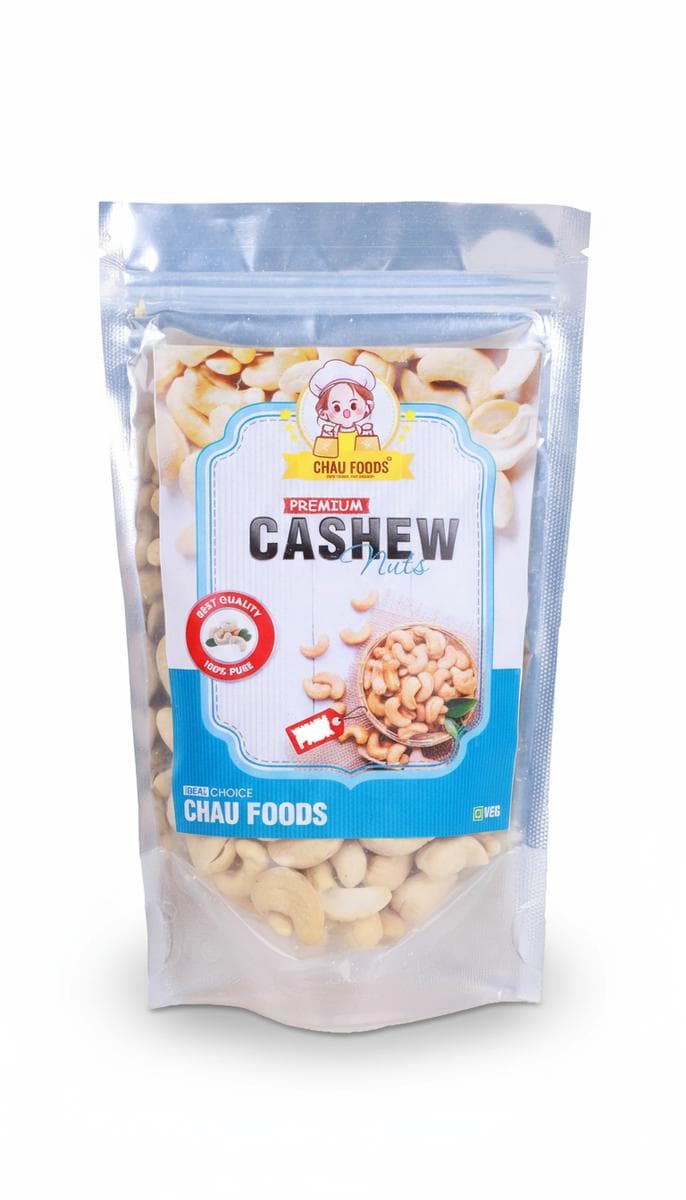
Featured Product
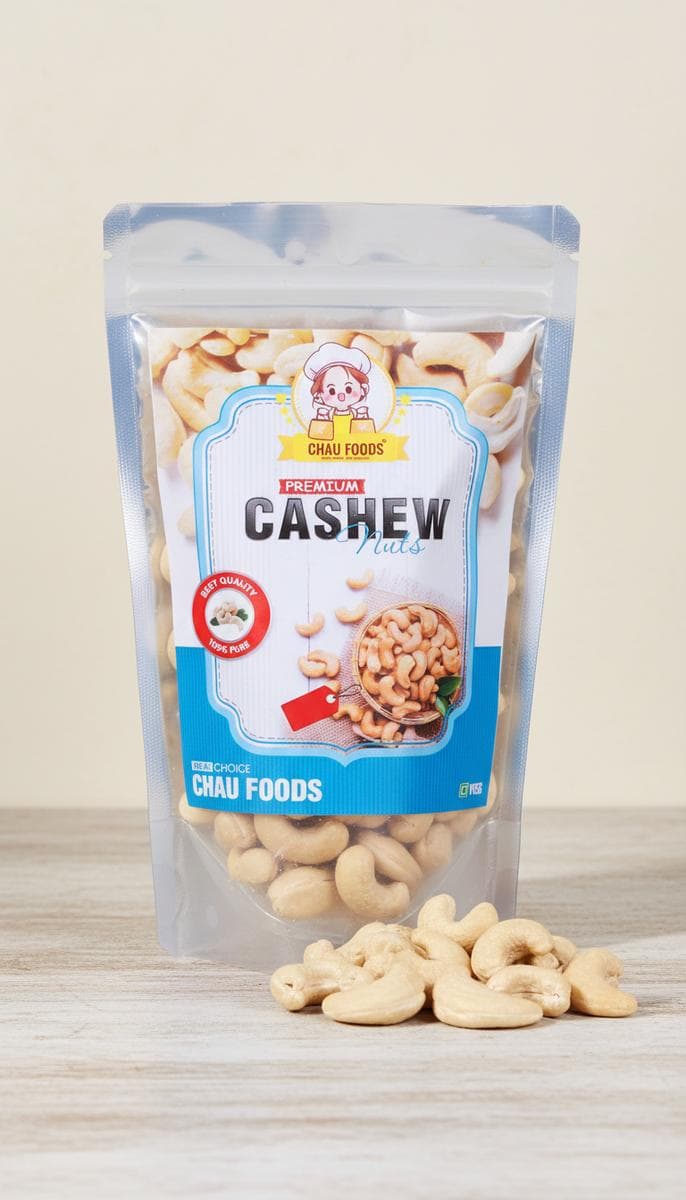
Premium W240 Cashews
W240 jumbo-grade whole cashews - 18g protein, creamy, crunchy & unbroken, perfect for snacking & cooking
✓ FSSAI certified · Free delivery ₹399+
Cashew Nuts (W320, W240 Grades)
Why cashews are #1:
- India is the world's 2nd largest producer and largest processor of cashew nuts
- W320 (medium white kernel) is the most popular export grade globally
- Versatile: eaten raw, roasted, salted, or used in confectionery
Production details:
- Growing regions: Goa, Kerala, Karnataka, Maharashtra, Odisha
- Annual production: 750,000-800,000 MT (raw cashews); processed output 200,000-220,000 MT
- Harvest season: March-May
- Grades for export: W180 (large), W240 (medium), W320 (standard), W450 (small)
Export statistics:
- Annual export: $2.0-2.2 billion USD (60%+ of India's dry fruits exports)
- Main markets: USA (35%), UAE (20%), Vietnam (10%), others (35%)
- Price range (FOB April 2026): W320 = $9-12/kg; W240 = $11-14/kg
Why international buyers prefer Indian cashews:
- Processing quality - India has the world's most advanced cashew processing industry
- Food safety - FSSAI and APEDA standards are strict
- Price competitiveness - 10-20% cheaper than African or other Asian origins
- Consistent supply - Year-round availability through strategic imports from Vietnam, Tanzania
Related product links: Cashew Export
---
Makhana / Fox Nuts / Lotus Seeds
Why makhana is booming:
- India produces 90% of world makhana
- Growing health food trend in USA, UK, Japan, Europe
- Low-calorie, gluten-free, high protein - attracts wellness market
- Increasing retail presence in organic stores globally
Production details:
- Growing region: Bihar (Darbhanga, Madhubani, Purnia, Katihar) - 95% of national production
- Annual production: 26,000-27,000 MT (varies by monsoon)
- Harvest season: August-November
- Grades: 4-sieve (premium), 3-sieve (standard), 2-sieve (bulk)
Export statistics:
- Annual export: $180-220 million USD (growing 15-20% annually)
- Main markets: USA (30%), Japan (25%), UAE (20%), UK (10%), Singapore (10%), others (5%)
- Price range (FOB April 2026): 4-sieve = $10-13/kg; 3-sieve = $8-10/kg
Market growth trajectory:
- 2018: $80-90 million market
- 2023: $120-130 million market
- 2026: $140-160 million market (current)
- 2030 projection: $200-250 million market
Why demand is accelerating:
- Influencer-driven wellness trend
- Growing vegan protein demand
- Premium positioning in health food retail
- New entrants (supplements, energy bars, weight loss products) incorporating makhana
Related product links: Makhana Export
---
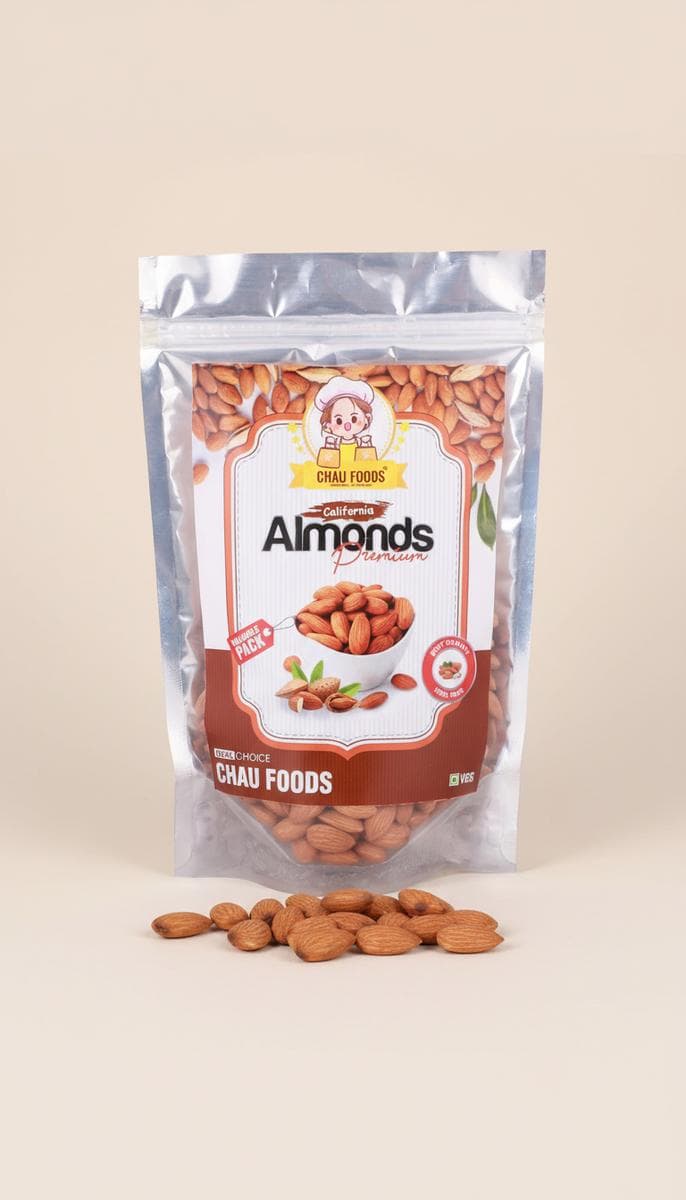
Almonds (California + Mamra/Gurbandi)
Why almonds remain a top-3 product:
- Global demand for almonds is enormous (USA produces 80%, rest import)
- India re-exports California almonds extensively
- Mamra/Gurbandi (traditional Indian varieties) command premium prices in Middle East, South Asia
Production & sourcing:
- Domestic production: Himachal Pradesh, Jammu & Kashmir produce small quantities
- Re-export volumes: India imports California almonds, processes them, and re-exports 60,000-80,000 MT annually
- Mamra almonds: Sourced from Afghanistan/Iran; India is major re-export hub
Export statistics:
- Annual export: $650-750 million USD (combine raw + processed)
- Main markets: USA (25%), UAE (20%), Qatar (8%), Turkey (7%), others (40%)
- Price range (FOB April 2026): California raw = $8-11/kg; Mamra = $12-16/kg
Processing adds value:
- Blanching (removing skin)
- Slicing
- Roasting
- Candying (sugar-coated)
- Value-addition increases price by 30-50%
Related product links: Almonds Export
---
Raisins / Kishmish
Why raisins matter:
- India is one of the world's largest dried grape producers
- Two distinct varieties: green raisins (Nashik) and black raisins (Sangli)
- Used in cereals, confectionery, bakery, and as table snacks
Production details:
- Growing regions: Maharashtra (Nashik, Sangli) - produces 350,000+ MT of grapes annually
- Green raisins: Less common globally, premium positioning
- Black raisins: Standard commodity; larger market
- Harvest season: August-October
Export statistics:
- Annual export: $400-500 million USD
- Main markets: USA (35%), Canada (10%), UK (8%), Germany (7%), Australia (6%), others (34%)
- Price range (FOB April 2026): Green raisins = $2.5-3.5/kg; Black raisins = $1.8-2.5/kg
Market characteristics:
- Commodity product with tight margins
- Volume-driven business model
- Competition from Turkey, China, USA
- Consolidation of producers and exporters ongoing
Related product links: Raisins Export
---
Walnuts
Why walnuts are gaining share:
- Growing health food demand (omega-3 content, brain health)
- Kashmir walnuts are considered among world's finest
- Premium pricing enables good margins
Production details:
- Growing region: Jammu & Kashmir, Himachal Pradesh
- Annual production: 35,000-40,000 MT (kernel equivalent)
- Harvest season: September-October
- Grades: Whole in-shell, kernel, pieces
Export statistics:
- Annual export: $120-150 million USD
- Main markets: USA (40%), Europe (30%), Middle East (20%), others (10%)
- Price range (FOB April 2026): In-shell = $5-7/kg; Kernel = $12-15/kg
Market position:
- Premium segment (higher prices than most other nuts)
- Smaller volume than cashews/almonds, but growing
- Health food positioning driving growth
---
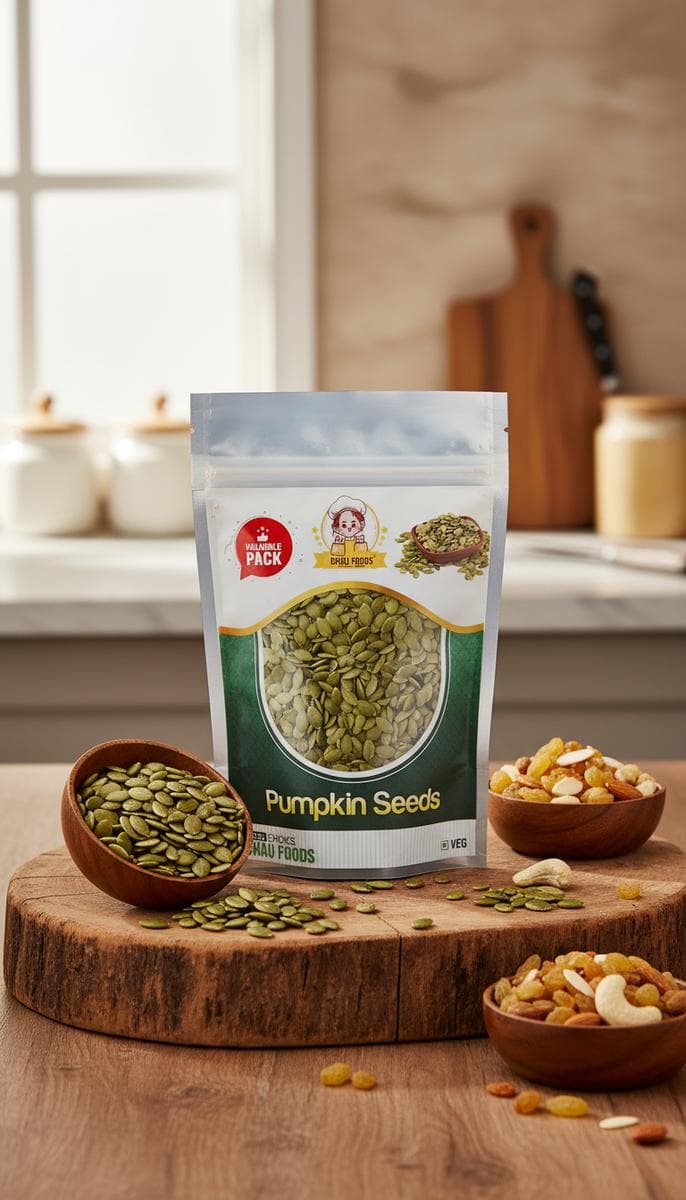
Pumpkin Seeds (GWS - Grown Without Shell)
Why pumpkin seeds are growing:
- Fitness and health food trend driving demand
- Vegan protein source (7-10g protein per ounce)
- Functional food ingredient (supplements, energy bars, granola)
Production details:
- Growing regions: Uttar Pradesh (major), Rajasthan, Madhya Pradesh
- Annual production: 180,000-200,000 MT raw; 30,000-35,000 MT processed GWS
- Harvest season: October-November
- Grades: In-shell, GWS (Grown Without Shell), blanched, roasted
Export statistics:
- Annual export: $80-120 million USD (pumpkin seeds specifically; larger if including all seeds)
- Main markets: USA (35%), UK (15%), Germany (10%), Canada (8%), others (32%)
- Price range (FOB April 2026): GWS raw = $4-6/kg; Roasted = $6-9/kg
Growing use cases:
- Fitness supplement blends
- Vegan weight loss products
- Functional food brands
- Traditional snack repositioning as "superfood"
---
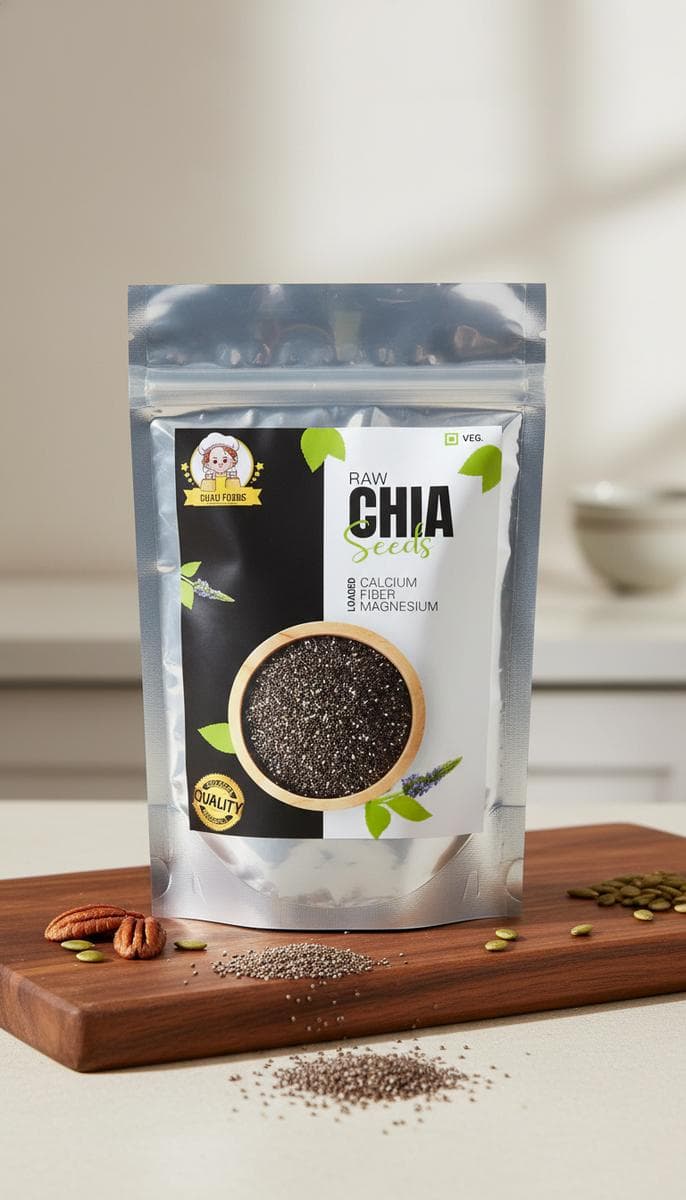
Chia Seeds
Why chia seeds exploded:
- Trendy superfood with strong growth in wellness segment
- Gluten-free, vegan-friendly, high protein
- Used in smoothies, breakfast bowls, weight loss programs
Production & sourcing:
- Domestic cultivation: Growing in Rajasthan, Madhya Pradesh (small volumes)
- Import source: Mexico, Bolivia (larger producers); India re-exports processed chia
- India's role: Processing, repackaging, quality control, re-export to Asian markets
Export statistics:
- Annual export (chia segment): $40-60 million USD
- Main markets: USA (40%), Europe (25%), UAE (15%), Singapore (10%), others (10%)
- Price range (FOB April 2026): Raw chia = $4-6/kg; Organic certified = $6-9/kg
Market characteristics:
- Fast-growing (20%+ annually)
- Margins compressed by global competitors
- Organic certification commands premium
- Retail presence expanding rapidly in health stores
---
Indian Spices (Cardamom, Black Pepper, Turmeric, etc.)
Why spices matter to this list:
- Technically "dry fruits" in botanical sense (seeds/pods of spice plants)
- India is world's largest producer, consumer, and exporter of spices
- Overlap with dry fruits export channels and exporters
Key spices in global demand:
- Black Pepper: $600-700 million annual exports; Kerala produces 60% of world supply
- Cardamom: $200-250 million annual exports; Kerala and Karnataka
- Turmeric: $150-200 million annual exports; Telangana, Maharashtra
- Cinnamon, Clove, Nutmeg: Another $200-300 million combined
Export statistics (spices combined):
- Total spice exports: $3.5-4.0 billion USD annually
- Main markets: USA, UAE, Vietnam, Indonesia, Germany, UK
Market characteristics:
- Commodity products with volatile prices
- Often bundled with dry fruits shipments
- Premium grades (organic, specialty) command better margins
---
Pistachios (Re-export Hub)
Why pistachios appear:
- India is a major re-export hub for pistachios from Iran/Afghanistan
- Strong demand in Middle East, Europe, USA
- Processing (roasting, salting) adds value
Import & re-export:
- Import source: Iran (60%), Afghanistan (30%), Turkey (10%)
- Processing: Roasting, salting, candying, blanching
- Re-export destinations: USA, Europe, Gulf states, Asia
Export statistics:
- Annual re-export: $200-250 million USD
- Processed vs. raw split: 60% raw, 40% processed
- Price range (FOB April 2026): Raw kernel = $8-10/kg; Roasted salted = $10-13/kg
Market position:
- Significant export value despite zero domestic production
- Logistics and processing expertise add value
- Competitive with direct imports; margins tight
---
Dates (Imported + Value-Added)
Why dates are included:
- India imports premium dates from Iraq, Saudi Arabia, UAE
- Value-added processing (stuffing with nuts, chocolate coating)
- Growing demand for premium dates in India and exports
Import & processing:
- Import source: Middle East (Iraq, Saudi Arabia, UAE, Iran)
- Processing: Packing, quality sorting, stuffing with almonds/walnuts, chocolate coating
- Re-export: Primarily to Indian diaspora globally, some premium retail
Export statistics:
- Annual re-export: $50-80 million USD
- Main markets: USA (Indian diaspora), UK, Canada, UAE, Singapore
- Price range (FOB April 2026): Premium stuffed dates = $8-12/kg
Market characteristics:
- Growing premium snack positioning
- High margins due to value-addition
- Seasonal demand (Ramadan peaks)
---
Key Export Markets by Region and Their Preferences
USA: The Largest Market ($1.2-1.4 billion annual dry fruits imports)
What Americans buy:
- Cashews (40% of their dry fruit imports)
- Almonds (30%)
- Makhana (emerging, 5-7%)
- Walnuts (10%)
- Seeds (5-10%)
Market characteristics:
- Quality-conscious
- Willing to pay premium for organic, non-GMO, fair-trade certifications
- Online retail (Amazon, specialty snack sites) growing fast
- Private label brands buying in bulk from India
- Health food retail (Whole Foods, Sprouts) premium segment
Preferred sourcing: Direct from exporters or through food importers
---
UAE & Middle East: The Premium Market ($800 million - $1 billion annually)
What they buy:
- Cashews (highest quality, W180 grade preferred)
- Almonds (premium Mamra)
- Raisins
- Dates
- Walnuts
- Spices
Market characteristics:
- Affluent consumer base
- Premium pricing accepted
- Large retail supermarket chains (Carrefour, Lulu, Spinneys)
- Re-export hub to North Africa and Europe
- Ramadan demand peaks (dates, nuts for breaking fast)
Preferred sourcing: Established importers with long relationships
---
UK & Europe: The Growing Health Segment ($300-400 million annually)
What they buy:
- Almonds (40%)
- Makhana (emerging, 10-15%, fastest growing)
- Chia seeds
- Pumpkin seeds
- Walnuts
- Organic certifications highly valued
Market characteristics:
- Strict food safety regulations (FSMA, EUFSIS)
- Organic and fair-trade certifications command premiums
- Online retail growing rapidly
- Health food retail (Waitrose, Whole Foods UK, independent health stores)
- Sustainability and traceability important
Preferred sourcing: APEDA registered, certified exporters with traceability records
---
Japan: The Premium Wellness Market ($100-150 million annually)
What they buy:
- Makhana (premium positioning, $15-25/kg retail)
- Almonds (blanched, high-end)
- Walnuts (premium, whole kernel)
- Pumpkin seeds
Market characteristics:
- Extremely quality-conscious; zero tolerance for defects
- Highest prices globally due to affluence and health trends
- Department store food sections and specialty wellness retail
- 3rd party quality testing mandatory before purchase
- Small volumes, high margins
Preferred sourcing: Direct importers and premium food companies; willing to visit India facilities
---
Singapore & Southeast Asia: The Growing Hub ($150-200 million annually)
What they buy:
- Cashews (local staple)
- Almonds (growing health trend)
- Seeds (health food retail)
- Spices (bundled with dry fruits)
Market characteristics:
- Growing health consciousness
- Expat communities driving demand for premium products
- Re-export hub to Malaysia, Thailand, Indonesia
- Online retail emerging
- Competitive with Vietnamese and Chinese exporters
Preferred sourcing: Bulk imports from Indian exporters; some direct B2B buyers
---
Why International Buyers Prefer Indian Suppliers
Competitive Pricing
- Direct farmer sourcing reduces middlemen
- Volume benefits enable lower prices
- 20-30% cheaper than Turkish, Iranian, or European alternatives
Diverse Product Range
- Buy 10+ different dry fruit categories from one country
- Reduces supplier fragmentation and logistics complexity
APEDA & FSSAI Certifications
- Government-backed quality assurance
- Food safety compliance
- Phytosanitary certifications for all countries
- Traceability and record-keeping mandated
Established Export Infrastructure
- Dedicated ports, customs processes, logistics providers
- Export-focused packaging and documentation
- English-speaking exporters with professional processes
Flexibility on MOQ and Terms
- Many exporters willing to work with new importers
- Flexible payment terms (30/70 splits, L/C options)
- Sample provision at reasonable cost
Direct Farm Sourcing Stories
- Transparency about origin
- Farm-to-table narratives attractive to premium retailers
- Sustainability and farmer welfare becoming competitive advantages
---
How to Start Importing from India
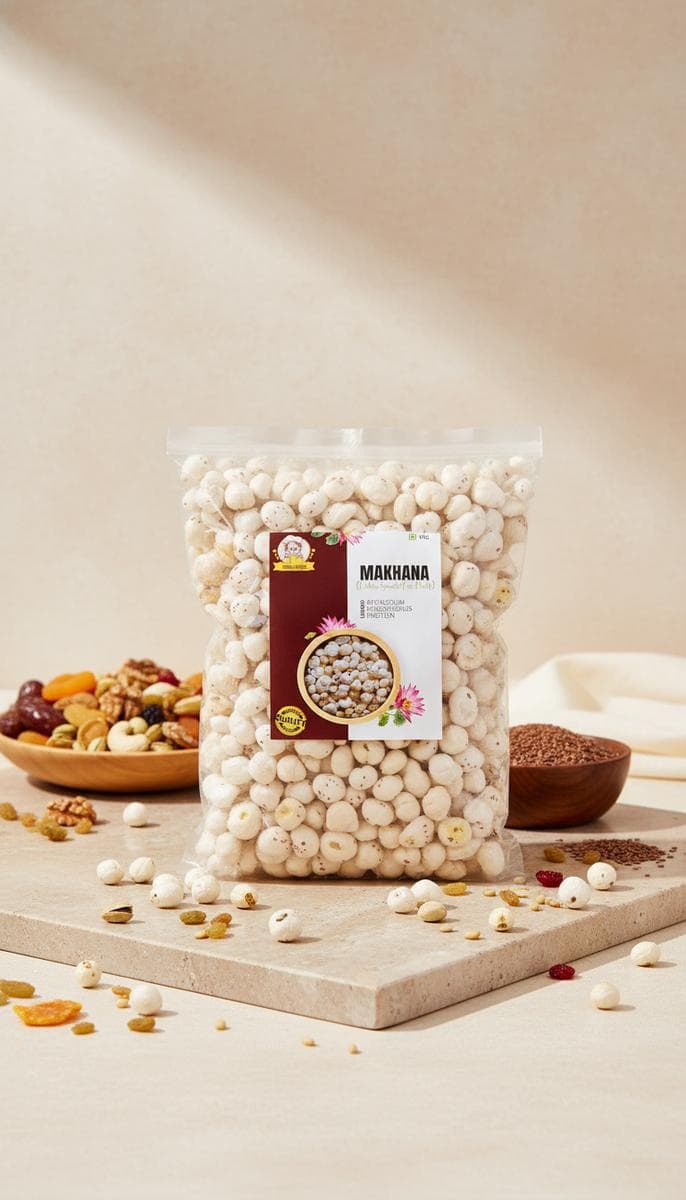
Featured Product
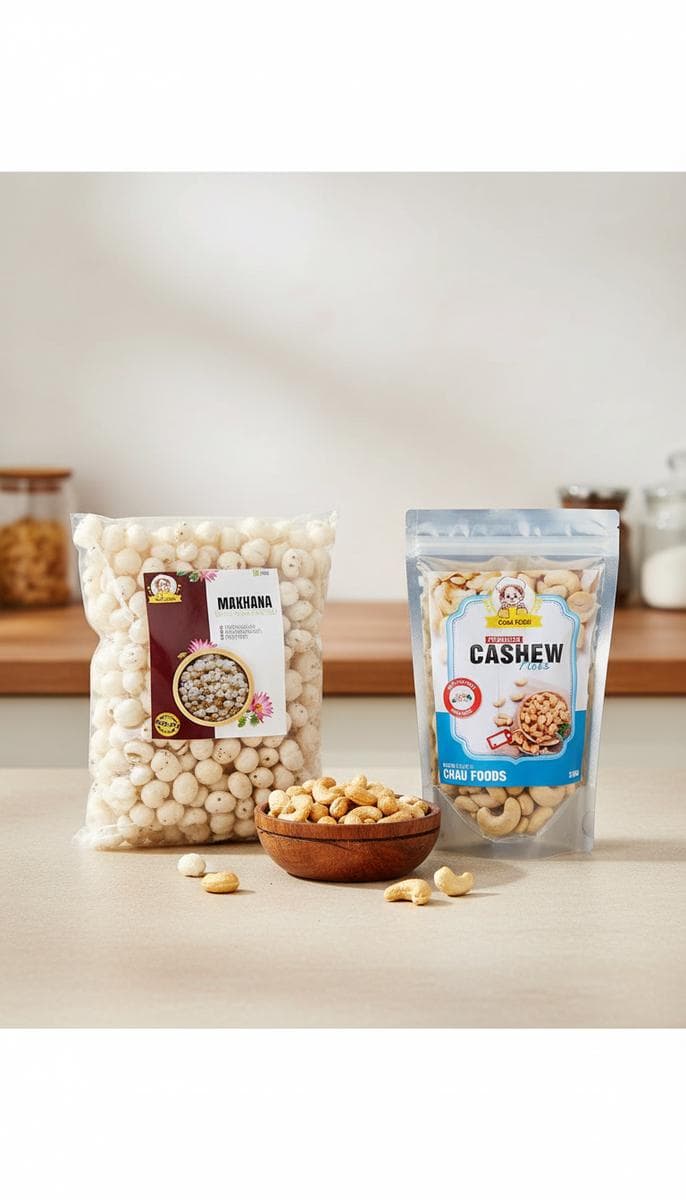
Premium Bihar Makhana
Handpicked fox nuts - 9g protein, low calorie, perfect for weight loss & fasting snacks
✓ FSSAI certified · Free delivery ₹399+
Quick 5-Step Process:
- 1Identify Product - Choose from the top 10 products based on your market demand
- 1Find Exporter - Search APEDA directory; cross-check FSSAI and IEC certifications
- 1Request Samples - Order 500g-1kg samples; evaluate for 5-7 days; request lab test reports
- 1Negotiate - Confirm MOQ, pricing (FOB or CIF), payment terms (30% advance, 70% against B/L), delivery timeline
- 1Place Order - Send 30% advance payment; exporter produces and ships; you clear customs at destination
Typical timeline: Sample request → Evaluation (7 days) → Negotiation (3-5 days) → Payment (1 day) → Production (2-4 weeks) → Shipping (15-25 days sea freight) → Total = 6-8 weeks from initial inquiry to receiving shipment
---
Growing Trends in Indian Dry Fruits Exports
Organic Certification Boom
- Consumers willing to pay 20-50% premium for organic-certified products
- India's organic dry fruits exports growing 25-30% annually
- Opportunities for smaller exporters willing to obtain certifications
Direct-to-Consumer Online Retail
- Reduction in middlemen
- Exporters starting D2C brands (Amazon, Shopify storefronts)
- Margins improving, but requires marketing expertise and customer service capabilities
Value-Addition (Processing)
- Moving from raw export to processed products
- Roasting, blanching, salting, coating adds 30-50% to prices
- Higher value per kg; lower volumes needed
- Examples: roasted makhana, chocolate-covered almonds, salted pistachios
Sustainability & Fair Trade
- Fair-trade certifications increasingly expected
- Farmer welfare narratives becoming marketing tools
- Supply chain transparency (farm-level traceability)
- Premium positioning justifies higher prices
Functional Food & Blends
- Exporters creating custom blends (makhana + chia + almonds)
- Position as "superfood mixes" for wellness retail
- Higher margins than single-product exports
Private Label & Contract Manufacturing
- Western brands outsourcing to Indian manufacturers
- Private label production for retail chains
- Steady volume, modest margins, but consistent business
---
Key Takeaway
The Bottom Line
India's dry fruits export industry thrives because of quality, price competitiveness, and established infrastructure. The top 10 products - cashews, makhana, almonds, raisins, walnuts, seeds, spices - collectively represent a $2.8+ billion annual export market.
If you are an international buyer: India is your best sourcing destination. If you are an Indian exporter: the world wants your products; build relationships, maintain quality, obtain certifications, and scale.
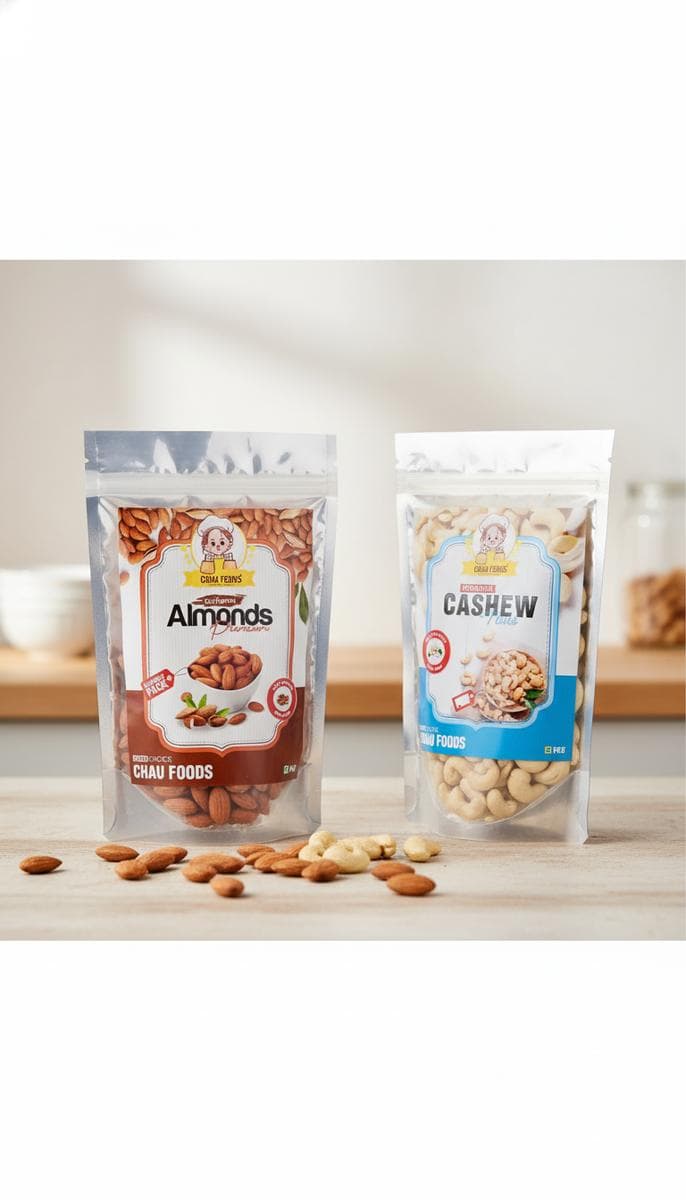
Ready to import? Explore products: Cashews, Makhana, Almonds, or contact Chau Foods directly.
Editorial Note
How we publish Chau Foods blog guides
This article is published by the Chau Foods editorial team for general food education, ingredient guidance, and shopping support. It is not a substitute for medical advice, diagnosis, or treatment.
Reader Checklist
- Published on 27 April 2026
- Last reviewed and updated on 3 October 2026 by the Chau Foods editorial team.
- Use this guide for food education and buying decisions, not medical treatment.
- If you have allergies or a clinical diet plan, check with a qualified professional first.
About the Author
Chau Foods Editorial Team
This guide is written and fact-checked by the Chau Foods editorial team - a small group of FSSAI-certified food specialists based in Rohini, Delhi. Led by founder Mohit, the team combines direct farm-sourcing experience (California almonds, Bihar makhana from Darbhanga & Madhubani, Kashmir walnuts, Kerala spices) with hands-on quality control at the Chau Foods packing facility. We publish only what we would feed our own families, cite Indian nutrition data where relevant, and refresh every article when sourcing, pricing, or health guidelines change.
- Credentials
- FSSAI Lic. 13321008000704
- Based in
- Rohini, Delhi · since 2020
- Rating
- 4.9/5 · 27+ Google reviews
Keep Exploring
Shop related collections and next steps
Use this guide to compare options, then move directly into the most relevant collection, brand story, or bulk-order path.
Almond Collection
Browse daily-use almonds, premium badam picks, and related dry fruit options.
Shop the collectionWhy Chau Foods
Learn more about our sourcing, freshness standards, and the quality promises behind each product we ship.
Read our storyBulk & gifting help
Need larger quantities, office snacks, festive gifting, or repeat ordering support? Start with our bulk orders page.
Start a bulk enquiry