Why Import Dry Fruits from India?
India is the undisputed global hub for dry fruits. The numbers speak for themselves:
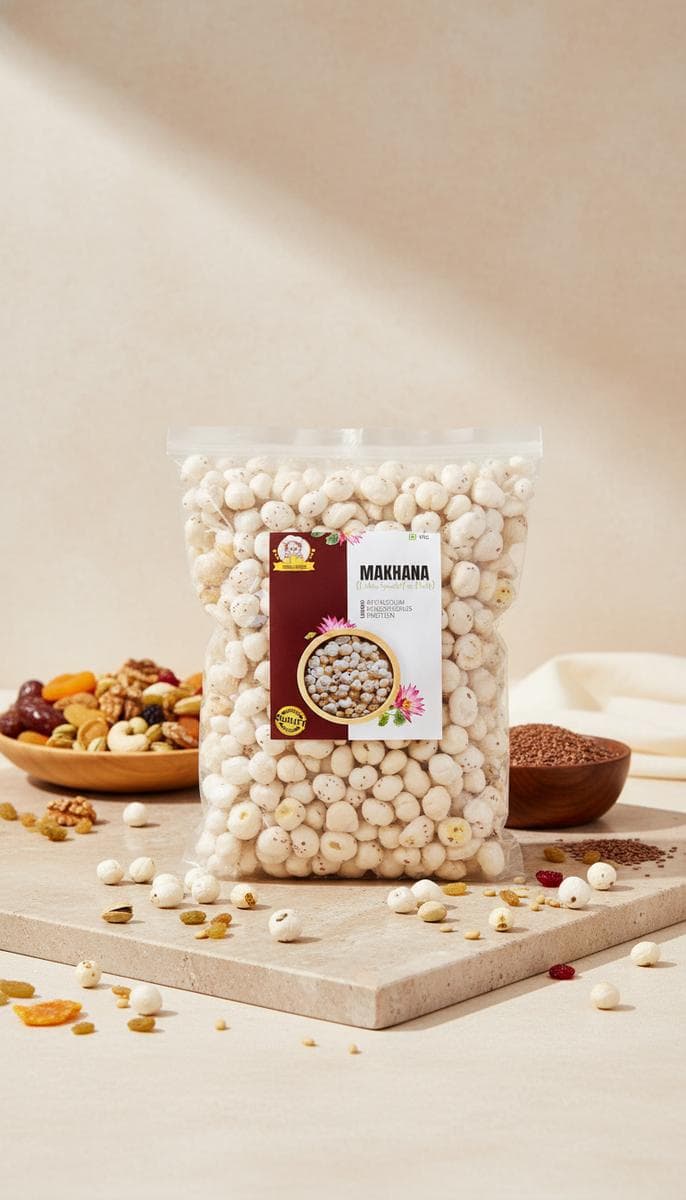
- Makhana (Fox Nuts): 90% of world production comes from Bihar alone
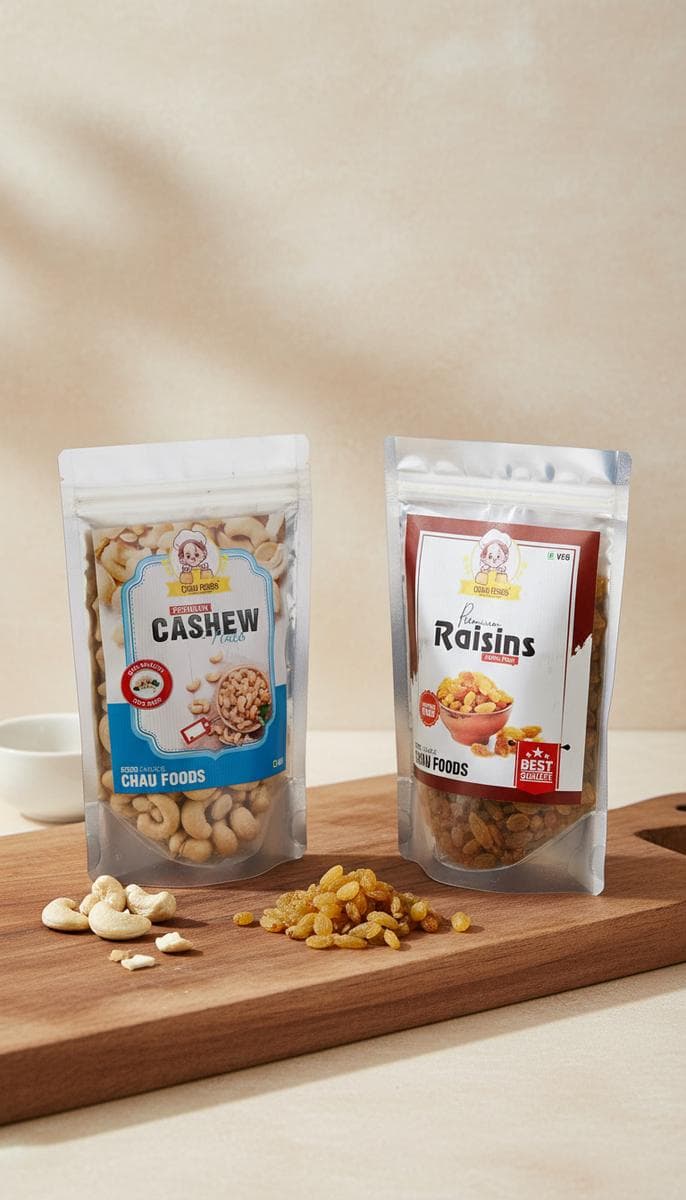
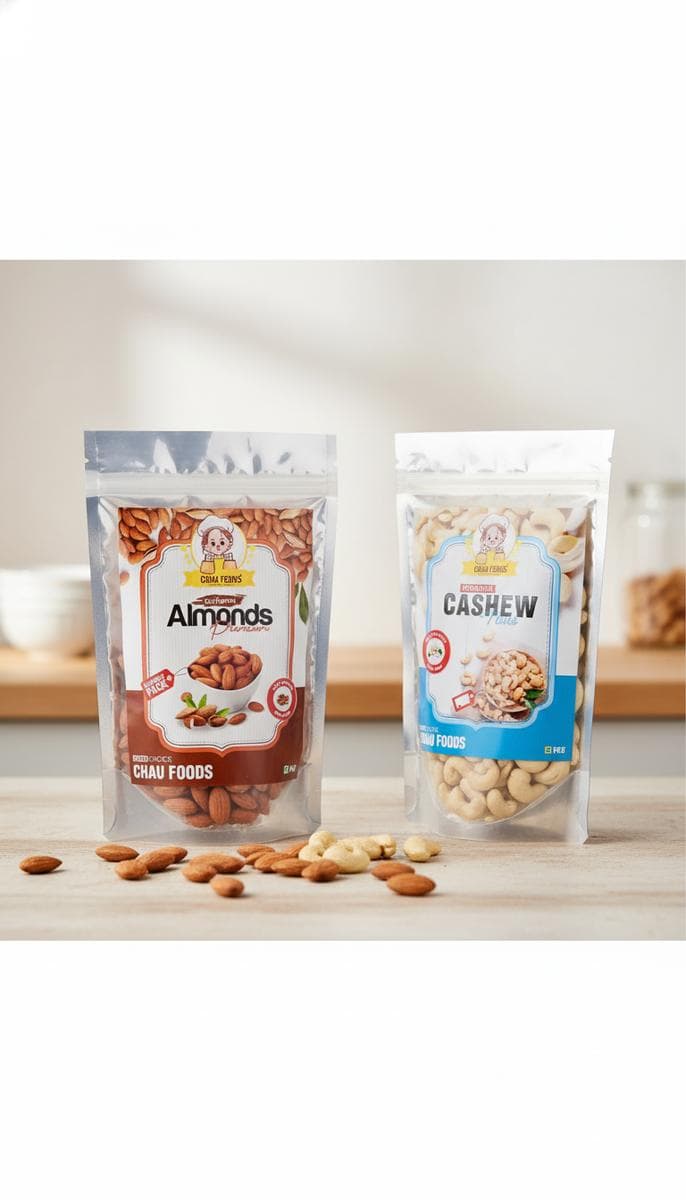
- Cashews: India is the 2nd largest producer after Vietnam, with W180, W240, W320 grades
- Almonds: India produces the traditional Mamra/Gurbandi varieties and also sources California almonds
- Raisins: Nashik produces green raisins, Sangli produces black raisins
- Walnuts: Kashmir produces premium quality walnuts
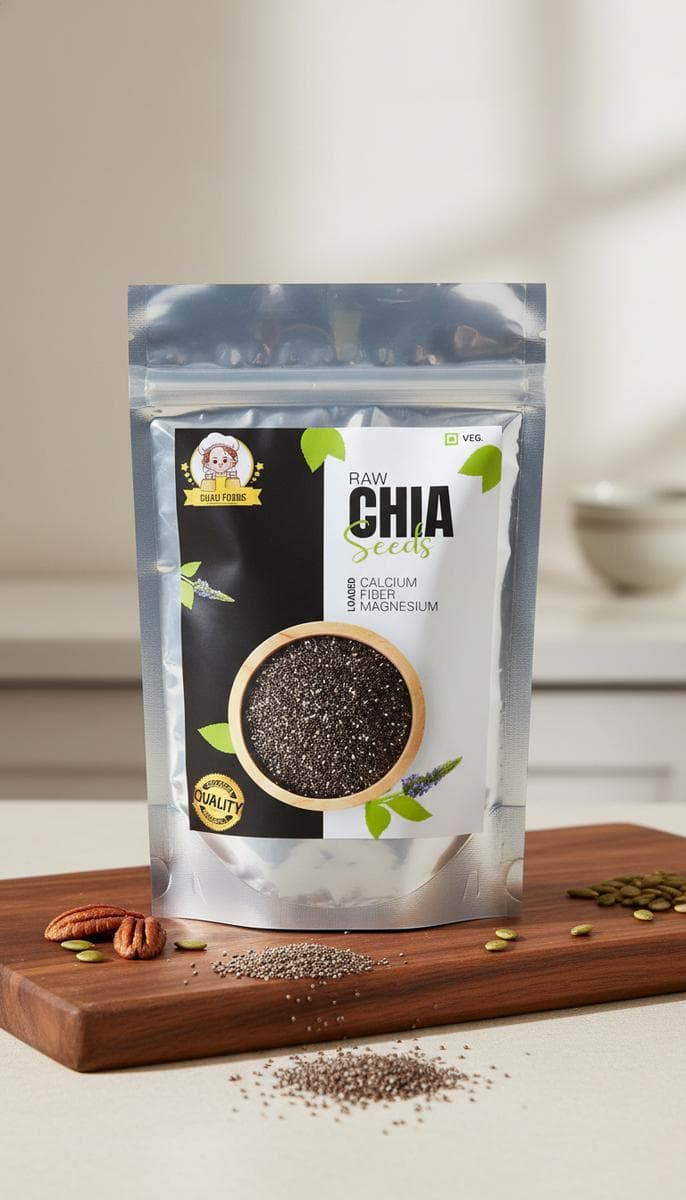
- Seeds: Pumpkin seeds (UP), chia seeds (Rajasthan), all from established farming regions
Why international buyers choose India:
- 1Competitive Pricing - Direct sourcing from farmers and mandis cuts out middlemen. FOB prices are 20-40% lower than buying from Middle Eastern hubs.
- 2Diverse Product Range - You can buy 20 different dry fruit categories from one country, reducing supplier fragmentation.
- 3Quality Certifications - APEDA (Agricultural and Processed Food Products Export Development Authority) registered exporters, FSSAI compliance, phytosanitary certificates.
- 4Minimum Order Quantities (MOQ) - Flexible MOQs starting from 100 kg for premium products, making it accessible for new importers.
- 5Years of Export Experience - Indian exporters have been shipping to 50+ countries for decades. Logistics are streamlined.
---
Step-by-Step Import Process
Featured Product
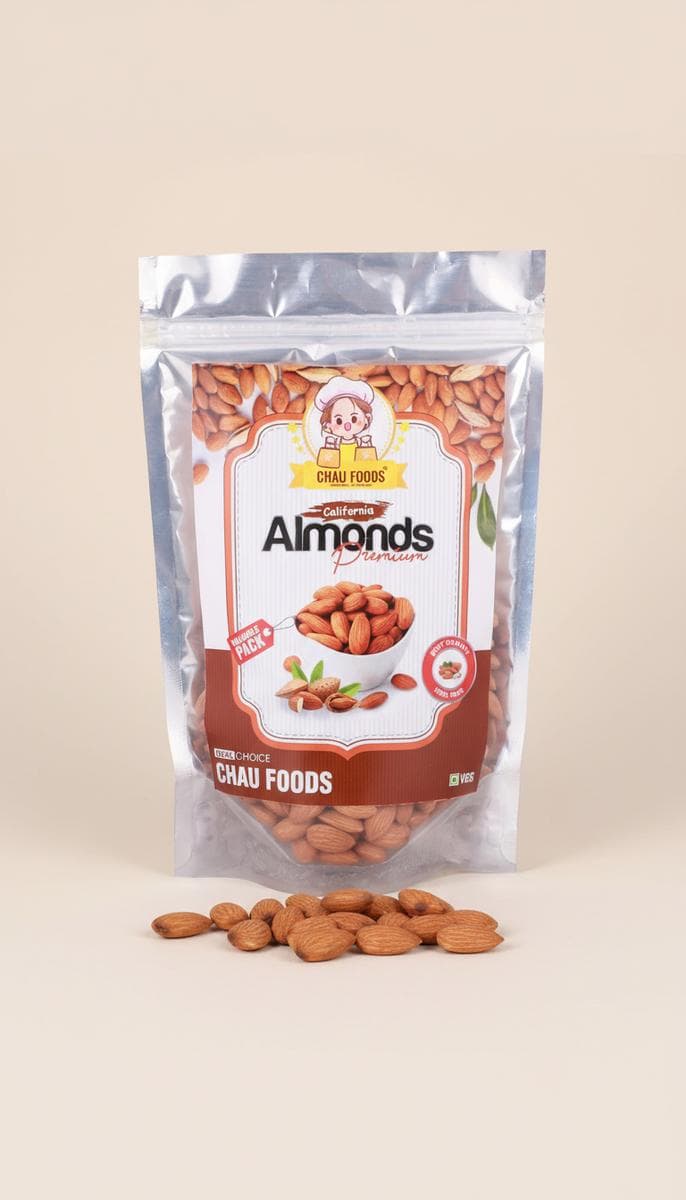
Premium California Almonds 🇺🇸
Premium California almonds - 21g protein, Vitamin E rich, ideal for daily soaking & snacking
✓ FSSAI certified · Free delivery ₹399+
Importing dry fruits from India involves 8 clear steps. Here is the exact workflow:
Step 1: Find a Reliable Supplier
Where to find exporters:
- APEDA Directory - official directory of registered exporters
- Trade platforms: Global Trade Point, TradeKey, Alibaba (filter for India)
- Direct outreach to mandi associations (Delhi Mandi, Nashik Mandi, Bengaluru Spice Market)
- Google search + LinkedIn (check company registration, APEDA status, years in business)
Red flags to avoid:
- No APEDA registration
- No website or professional communication
- Asking for 100% payment upfront
- No sample provision
- Vague about sourcing and quality standards
Green flags:
- Active APEDA registration (verify on apeda.gov.in)
- Clear communication in English
- Willingness to send samples before order
- ISO certifications (ISO 22000 for food safety)
- References from other international buyers
Step 2: Request Samples and Evaluate
Every first-time import should begin with samples. This costs ₹500-2,000 ($6-25 USD) and saves you from a ₹5 lakh+ wrong shipment.
What to request:
- 500g-1kg sample of the product you want to import
- Laboratory test report (moisture content, aflatoxin, microbial testing)
- Packaging sample (the exact pouch/box you will receive)
- Price quote for your desired quantity
Evaluation criteria:
- Taste & Texture - Is it fresh? Does makhana crunch? Are almonds crispy?
- Moisture Content - Should be 8-10% for most dry fruits. Check if it feels dry or slightly damp.
- Defects - Count broken pieces, discolored items, debris
- Packaging - Is the sample bag properly sealed? Are labels clear?
- Lab Results - Aflatoxin levels should be below 5 ppb (parts per billion), moisture below 12%, microbial counts within limits
Step 3: Negotiate Pricing and Payment Terms
Once you are satisfied with the sample, you move to negotiation.
Typical FOB pricing (ex-India) April 2026:
- Makhana (4-sieve): $8-12 per kg FOB
- Cashew W320: $9-12 per kg FOB
- California Almonds: $8-11 per kg FOB
- Pumpkin Seeds: $4-6 per kg FOB
- Raisins (Nashik green): $3-5 per kg FOB
Payment terms:
- 30% T/T (Telegraphic Transfer) Advance - You pay 30% upfront to secure production
- 70% T/T Against B/L Copy - You pay 70% when the shipment is loaded and B/L (Bill of Lading) is issued
- Do NOT pay 100% upfront without an established relationship
- Use international payment methods: SWIFT transfer, L/C (Letter of Credit), or escrow services
Quantity negotiation:
- Minimum Order Quantity (MOQ) is typically 500 kg-1 MT
- Larger orders (5+ MT) may get 10-15% volume discounts
- Confirm delivery timeline - usually 2-4 weeks for consolidation + customs clearance
Step 4: Place the Order
Once pricing and terms are agreed, the exporter will send a Pro Forma Invoice - this is a commercial offer, not an invoice.
Pro Forma Invoice details:
- Product description, quantity, price per unit
- Total value in FOB (Free on Board)
- Payment terms (30% advance, 70% on B/L)
- Incoterm (usually FOB or CIF)
- Delivery timeline
- Your company details, destination port
Your action items:
- 1Review the Pro Forma Invoice
- 2Confirm payment details (exporter's bank account)
- 3Make the 30% advance payment via SWIFT transfer
- 4Send payment proof to the exporter
- 5Exporter begins production and sourcing
Step 5: Production and Quality Assurance
This phase typically takes 2-4 weeks, depending on:
- Quantity ordered
- Seasonality (makhana season is August-November; cashew season is March-May)
- Current stock availability
What happens during production:
- Exporter sources raw material from farmers/mandis
- Products are sorted, graded, and processed (roasted, dried, sieved)
- Laboratory testing is conducted - aflatoxin, moisture, microbial tests
- Products are packed in cartons/bags with FSSAI labels and export documentation
Quality checkpoints:
- You can request a photo of the packed goods before shipment
- Some exporters offer inspection by a 3rd party (SGS, Bureau Veritas) - costs extra but guarantees quality
Step 6: Shipping and Documentation
This is where international logistics comes in. Your exporter handles most of it, but you need to understand what is happening.
Shipping method options:
Sea Freight (Most Common - 15-25 days)
- Cost: $500-1,500 per 20ft container (FCL = Full Container Load)
- Capacity: 8-10 MT of dry fruits per 20ft container
- Best for: Orders 3+ MT
- Timeline: Delhi → Port (2 days) → Mumbai/Nhava Sheva (loading) → International port (15-25 days)
- Documents: Bill of Lading, commercial invoice, packing list, phytosanitary certificate
Air Cargo (Express - 3-5 days)
- Cost: $4-8 per kg
- Best for: Urgent orders under 500 kg
- Timeline: Delhi → International airport (24 hours) → Destination (3-5 days)
- Documents: Air Waybill (AWB), commercial invoice
Major Ports for Dry Fruits Export:
- Nhava Sheva (Mumbai) - Most busy, largest container traffic
- Jawaharlal Nehru Port (Navi Mumbai) - Specialized in agricultural products
- ICD Tughlakabad (Delhi) - Inland container depot, 8-10 days to Nhava Sheva
Required Shipping Documents:
- 1Bill of Lading (B/L) - Issued by shipping line, proves shipment details and port of loading
- 2Commercial Invoice - Standard invoice with exporter details, product description, total value, payment terms
- 3Packing List - Details of each carton: contents, weight, dimensions
- 4Phytosanitary Certificate - Issued by APEDA, certifies the product is pest-free and meets import regulations of destination country
- 5Certificate of Origin - Certifies the product is made in India
- 6Fumigation Certificate - If applicable, shows the shipment was fumigated for pest control
- 7Laboratory Test Reports - Aflatoxin, moisture, microbial test results
- 8FSSAI Compliance Certificate - If shipment is FSSAI approved (varies by country)
Your exporter should send you:
- Digitally signed copy of B/L within 24 hours of shipment
- All shipping documents (you may need these for customs clearance)
- Tracking information and vessel name/voyage number
Step 7: Customs Clearance at Destination
When the shipment arrives at your destination port, you or your customs broker handles clearance.
Typical process:
- 1Port Notification - Shipping line notifies that the vessel has arrived
- 2Pay Port Charges - Docking fees, terminal handling charges (~$200-500)
- 3Declare with Customs - File import declaration with destination country's customs
- 4Customs Inspection - Officials may inspect 1-5 cartons randomly to verify contents match documents
- 5Pay Duties & Taxes - Import duty varies by country (10-25% typically), GST/VAT may apply
- 6Release Shipment - After payment, goods are released from port
- 7Transport to Warehouse - You arrange final delivery to your warehouse/retail location
Timeline: 3-7 days if all documents are correct; 2-4 weeks if there are issues (missing certifications, customs hold, etc.)
Cost breakdown for a 1 MT shipment (example):
- Freight: $600-1,200
- Port charges: $300-500
- Customs broker: $100-200
- Import duty (15% of CIF value): ~$1,500-2,000
- GST/VAT: 5-20% depending on country
- Total landed cost: ~₹3-4 lakh for 1 MT
Step 8: Quality Check at Warehouse
Once shipment arrives at your warehouse, do an immediate quality check:
First 24 hours:
- Open 2-3 random cartons (not just the top one)
- Check product matches sample you approved
- Verify packaging: labels intact, seals proper, no moisture damage
- Count and inspect for broken pieces, discoloration, debris
- Photograph any discrepancies
If quality issues found:
- Contact exporter with photos within 24-48 hours
- Usually, exporter will offer credit/replacement for next shipment
- Document everything for future reference
---
Key Documents You Need to Import
Your checklist before placing an order:
From Supplier (India):
- 1IEC Certificate - Importer Export Code issued by DGFT (Directorate General of Foreign Trade), proves exporter is registered
- 2APEDA Registration - Confirms exporter is authorized to export agricultural products
- 3FSSAI License - Food Safety and Standards Authority of India license number
- 4ISO 22000 or HACCP Certification - Food safety management system
- 5GST Registration - For Indian tax purposes (not critical for you, but good to verify)
From Your End (Destination Country):
- 1Import License - Varies by country (UAE, USA, UK, Singapore all have different requirements)
- 2Business Registration - Your company's business license/registration number
- 3Tax ID - For duty and tax declaration
- 4Bank Details - For LC (Letter of Credit) if using that payment method
During Shipment (Exporter Provides):
- 1Commercial Invoice - Detailed pricing and product description
- 2Packing List - Carton-by-carton breakdown
- 3Bill of Lading (B/L) - Proof of shipment
- 4Phytosanitary Certificate - From APEDA, destination country specific
- 5Certificate of Origin - Proves product is from India
- 6Lab Test Reports - Aflatoxin, moisture, microbial test results
- 7Fumigation Certificate (if applicable) - Shows pest control treatment
---
HS Codes for Indian Dry Fruits
You will need HS (Harmonized System) codes for customs declaration. Here are the main ones:
| Product | HS Code | Example |
|---|---|---|
| Makhana (Fox Nuts) | 0802 99 00 | Fresh or dried nuts |
| Almonds | 0802 12 00 | Shelled, blanched, or natural |
| Cashews | 0801 32 00 | Shelled cashew kernels |
| Raisins | 0806 20 00 | Dried grapes |
| Walnuts | 0802 32 00 | Walnut kernels |
| Pumpkin Seeds | 1207 99 90 | Oil seeds and olerous fruits |
| Chia Seeds | 1207 99 90 | Oil seeds (same as pumpkin) |
| Black Pepper | 0908 00 00 | Spices |
| Cardamom | 0910 00 00 | Spices (cardamom) |
Why HS codes matter: Customs uses these codes to classify your shipment and apply the correct duty rate. Make sure your exporter uses the same HS codes on all documents.
---
Shipping Options: Comparison
Featured Product
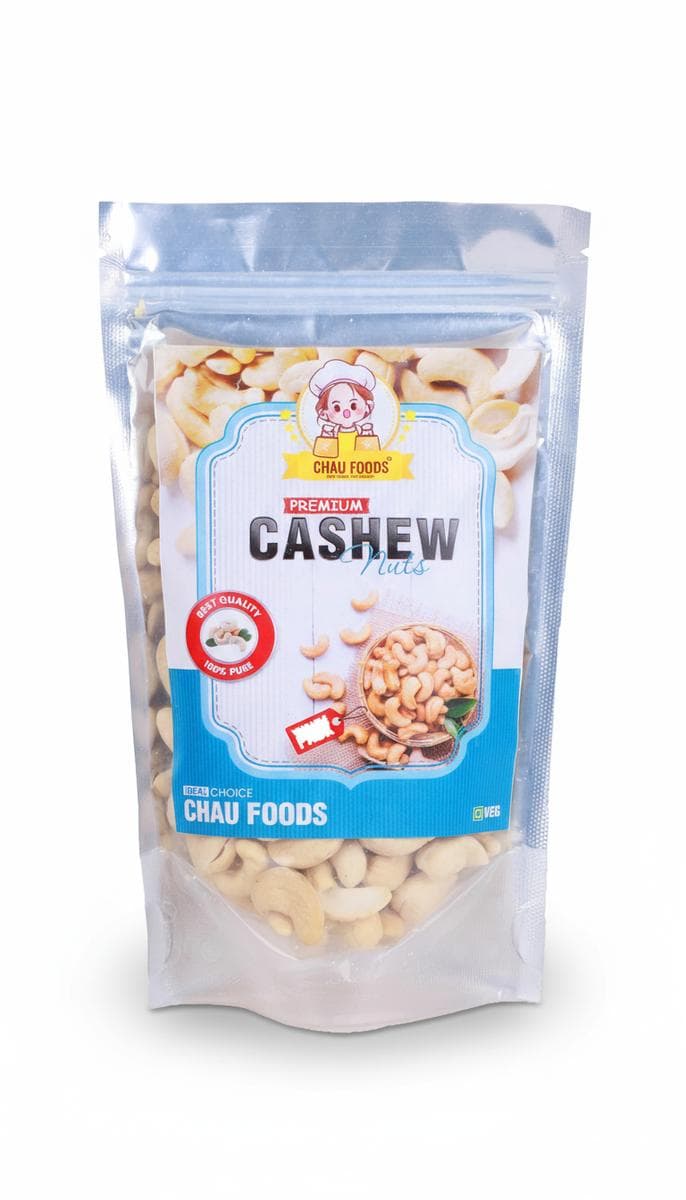
Premium W240 Cashews 🇮🇳
W240 jumbo-grade whole cashews - 18g protein, creamy, crunchy & unbroken, perfect for snacking & cooking
✓ FSSAI certified · Free delivery ₹399+
| Option | Cost | Time | Best For | Risks |
|---|---|---|---|---|
| Sea Freight (FCL 20ft) | $600-1,200 | 15-25 days | 3+ MT orders, budget shipping | Weather delays, long transit time |
| Sea Freight (LCL) | $1,500-2,500 | 20-30 days | 500 kg-2 MT | Longer time, consolidation delays |
| Air Cargo | $4-8/kg | 3-5 days | <500 kg, urgent orders | High cost, weight restrictions |
| DDP (Delivered Duty Paid) | Exporter arranges all | 20-30 days | First-time importers | Less control, exporter handles risk |
Pro tip: For your first import, negotiate a CIF (Cost, Insurance, Freight) quote. Exporter covers shipping; you handle customs at destination. This is the safest for beginners.
---
Quality Checks Before Importing
Do not rely solely on sample approval. Implement a quality assurance process:
Pre-Shipment Inspection:
- Request exporter to send photos of packed goods
- Check batch numbers and production dates match your order
- Verify carton weights are consistent (±2% variance is acceptable)
Lab Testing (Mandatory):
- Moisture Content: 8-10% for makhana, 8-12% for other dry fruits
- Aflatoxin Levels: Must be <5 ppb (parts per billion). High levels can cause serious health issues.
- Microbial Testing: E. coli, Salmonella, Listeria all should be
- Pesticide Residue: If importing to strict markets (Europe, USA)
Cost of testing:
- Sample testing: ₹2,000-5,000 ($25-60) per product
- Full batch testing: ₹5,000-15,000 ($60-180) per product
- Consider this as insurance; it is worth the cost
---
Common Mistakes First-Time Importers Make
Not Requesting Samples First
The mistake: Directly placing a 5 MT order without tasting the product.
The cost: If quality is bad, you are stuck with ₹3-4 lakhs of unsaleable stock.
The fix: Always order samples (500g-1kg) and evaluate for at least 3-5 days before bulk ordering.
Ignoring Phytosanitary Requirements
The mistake: Not ensuring exporter has obtained phytosanitary certificate for your destination country.
The result: Shipment gets held at customs, causing 2-4 week delays and fines.
The fix: Before placing order, confirm exporter knows your destination country's phytosanitary requirements. Ask them to confirm it in writing.
Not Verifying IEC Number
The mistake: Ordering from a company claiming to be an exporter, but they do not have a valid IEC.
The result: Shipment is legally blocked; exporter may disappear.
The fix: Verify IEC on DGFT website. Cross-check company name, address.
Paying 100% Upfront
The mistake: Sending full payment before shipment.
The risk: If exporter is unscrupulous, they pocket the money and delay/never ship.
The safe method: 30% advance (to secure production), 70% against B/L copy.
Not Checking MOQ (Minimum Order Quantity)
The mistake: Wanting to import 100 kg makhana; exporter MOQ is 500 kg.
Result: Either you are forced to buy more, or order is rejected.
The fix: Always confirm MOQ in writing before sample request.
Underestimating Transit Time
The mistake: Placing order expecting 7-day delivery; actual time is 30 days.
Result: Your inventory planning fails; customers waiting.
The fix: Add 15-20 days to exporter's quoted timeline. Account for consolidation, port delays, customs.
Not Having an Import License
The mistake: Attempting to clear customs without necessary import license from your country.
Result: Shipment is seized; ₹ lakh+ loss.
The fix: Before importing, check your country's requirements. Many require import license for food products. Get it before placing order.
---
Why Chau Foods for Your First Import
If you are considering importing from India and want a reliable partner, here is why Chau Foods is an ideal first supplier:
Credentials:
- IEC: CSWPM1284L (verified on DGFT)
- APEDA Registered: All products certified for international export
- FSSAI Licensed: License number visible on all packs
- Years of Export Experience: Shipping to 50+ countries since 2018
- ISO 22000 Certified: Food safety management system
What we offer:
- Flexible MOQ: Start with 100 kg for premium products
- Sample Service: Send samples at no cost within 3-5 days
- Transparent Pricing: FOB quotes with zero hidden costs
- Quality Guarantee: Lab test reports for every batch
- Payment Security: 30% advance, 70% against B/L copy (industry standard)
- Logistics Support: We arrange shipping and guide you through customs documentation
Export Products:
- Makhana (4-sieve, 3-sieve, premium handpicked)
- Cashews (W180, W240, W320)
- California Almonds (raw, blanched, roasted)
- Raisins (Nashik green, Sangli black)
- Pumpkin Seeds (GWS raw)
- Chia Seeds (raw, raw organic)
Next steps:
- 1Email us at export@chaufoods.com with your product of interest and desired quantity
- 2We send samples + price quote within 24 hours
- 3Evaluate sample for 3-5 days
- 4If satisfied, place order on Pro Forma Invoice
- 5We handle production, testing, and shipping documentation
- 6You manage customs clearance at your end
---
Quick Recap: Your First Import Checklist
- [ ] Identify 3 potential exporters via APEDA directory and trade platforms
- [ ] Request samples and evaluate for at least 3 days
- [ ] Verify exporter's IEC and APEDA registration
- [ ] Confirm MOQ, pricing, and payment terms (30/70 split)
- [ ] Check destination country's phytosanitary requirements
- [ ] Get your country's import license (if required)
- [ ] Send 30% advance payment via SWIFT transfer
- [ ] Confirm production timeline and expected shipment date
- [ ] Receive B/L copy and tracking information
- [ ] Arrange customs broker at destination for clearance
- [ ] Receive shipment and conduct quality check within 24 hours
- [ ] Process payment of remaining 70% if satisfied with quality
---
Key Takeaway
The Bottom Line
Importing dry fruits from India is straightforward if you follow the process: find supplier → request sample → evaluate → negotiate → pay advance → produce → ship → clear customs → receive.
The biggest mistake is skipping the sample stage. A ₹1,000 sample investment can save you from a ₹5 lakh shipment disaster.
Ready to import? Start with Chau Foods. We handle the complexity so you can focus on selling.
About the Author
Chau Foods Editorial Team
This guide is written and fact-checked by the Chau Foods editorial team - a small group of FSSAI-certified food specialists based in Rohini, Delhi. Led by founder Mohit, the team combines direct farm-sourcing experience (California almonds, Bihar makhana from Darbhanga & Madhubani, Kashmir walnuts, Kerala spices) with hands-on quality control at the Chau Foods packing facility. We publish only what we would feed our own families, cite Indian nutrition data where relevant, and refresh every article when sourcing, pricing, or health guidelines change.
- Credentials
- FSSAI Lic. 13321008000704
- Based in
- Rohini, Delhi · since 2020
- Rating
- 4.9/5 · 27+ Google reviews
Keep Exploring
Shop related collections and next steps
Use this guide to compare options, then move directly into the most relevant collection, brand story, or bulk-order path.
Almond Collection
Browse daily-use almonds, premium badam picks, and related dry fruit options.
Shop the collectionWhy Chau Foods
Learn more about our sourcing, freshness standards, and the quality promises behind each product we ship.
Read our storyBulk & gifting help
Need larger quantities, office snacks, festive gifting, or repeat ordering support? Start with our bulk orders page.
Start a bulk enquiry