Quick Summary
TL;DR - The Quick GI Chart
| Dry Fruit | GI | Category |
|---|---|---|
| Almonds | 0 | ✅ Very Low (Safe) |
| Walnuts | 0 | ✅ Very Low (Safe) |
| Cashews | 22 | ✅ Low (Safe) |
| Pistachios | 15 | ✅ Very Low (Safe) |
| Brazil Nuts | 0 | ✅ Very Low (Safe) |
| Pumpkin Seeds | 0 | ✅ Very Low (Safe) |
| Sunflower Seeds | 35 | ✅ Low (Safe) |
| Chia Seeds | 0 | ✅ Very Low (Safe) |
| Flax Seeds | 35 | ✅ Low (Safe) |
| Watermelon Seeds | 35 | ✅ Low (Safe) |
| Makhana | 35 | ✅ Low (Safe) |
| Dried Apricots | 30 | ✅ Low (Watch portions) |
| Dried Plums (Prunes) | 29 | ✅ Low (Watch portions) |
| Dried Apple | 29 | ✅ Low |
| Dried Figs (Anjeer) | 61 | ⚠️ High (Limit) |
| Raisins (Kishmish) | 64 | ⚠️ High (Limit) |
| Dates (Khajoor) | 42-50 | ⚠️ Moderate (Limit to 1-2/day) |
| Dried Pineapple | 50 | ⚠️ High (Limit) |
| Dried Mango | 56 | ⚠️ High (Avoid) |
| Sweetened Cranberries | 64 | ⚠️ High (Avoid) |
| Candied Cherries | 80+ | 🚫 Very High (Avoid) |
Rule of thumb: GI 0-55 = Safe daily snack | GI 56-69 = Limit portions | GI 70+ = Avoid or rare treat.
What Is Glycemic Index (GI)? - Explained Simply
Featured Product
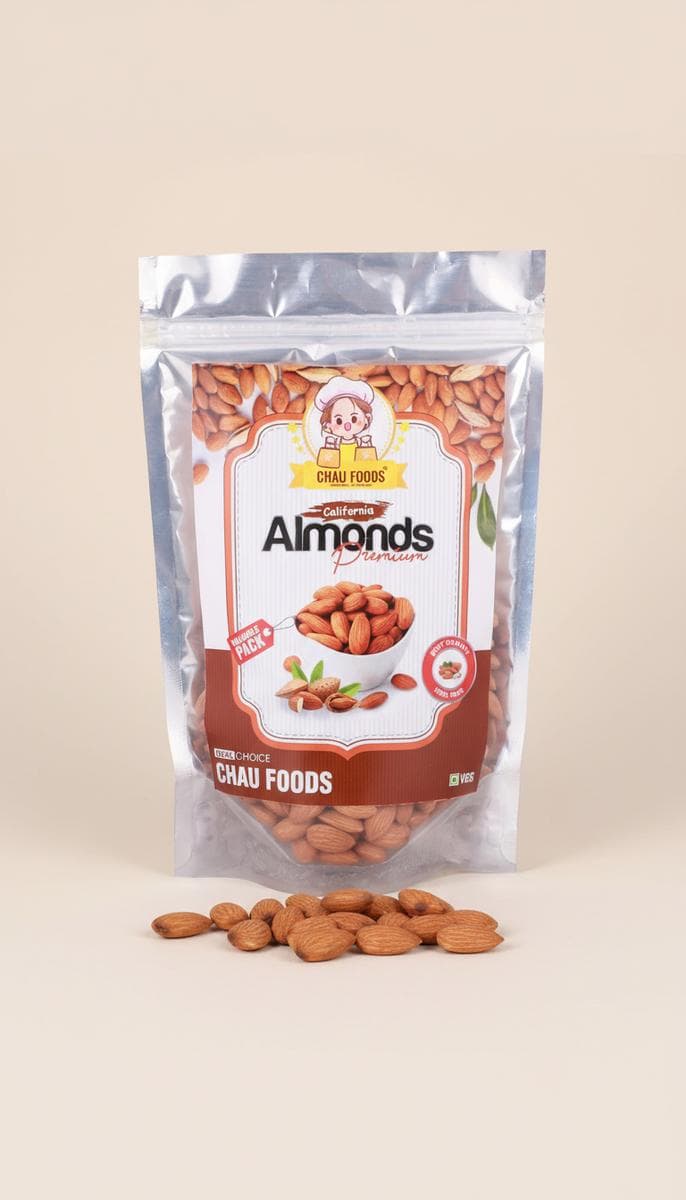
Premium California Almonds 🇺🇸
Premium California almonds - 21g protein, Vitamin E rich, ideal for daily soaking & snacking
✓ FSSAI certified · Free delivery ₹499+
Glycemic Index measures how quickly a food raises your blood sugar on a scale of 0-100.
- Low GI (0-55): Slow, steady glucose release. Best for diabetics, PCOS, weight loss.
- Medium GI (56-69): Moderate spike. Watch portions.
- High GI (70-100): Fast spike. Avoid if you have insulin issues.
Example: Pure glucose = 100 (reference). White rice = 73. Almonds = 0.
But here's the catch most articles miss: GI alone is misleading. What matters more is Glycemic Load (GL) - which factors in portion size.
The Difference Between GI and GL (Critical for Diabetics)
Glycemic Load (GL) = GI × carbs per serving ÷ 100
- Low GL (0-10): Safe
- Medium GL (11-19): Moderate
- High GL (20+): Avoid
Example: Watermelon has a GI of 72 (high), but a GL of 4 per serving (low). So it's actually safe in normal portions.
Counter-example: Dates have a GI of 42 (low), but a GL of 18 per serving (high). They're sugar-dense.
Use GL, not GI, for portion planning.
Glycemic Load of Common Dry Fruits (Per Standard Serving)
| Dry Fruit | Serving Size | GL |
|---|---|---|
| Almonds (30g) | ✅ 1 | |
| Walnuts (30g) | ✅ 1 | |
| Pistachios (30g) | ✅ 2 | |
| Cashews (30g) | ✅ 3 | |
| Makhana (20g) | ✅ 4 | |
| Pumpkin seeds (30g) | ✅ 1 | |
| Chia seeds (15g) | ✅ 1 | |
| Flax seeds (15g) | ✅ 1 | |
| Dried Apricots (30g) | ⚠️ 9 | |
| Dried Figs (30g) | ⚠️ 14 | |
| Raisins (30g) | ⚠️ 13 | |
| Dates (2 medium = 25g) | ⚠️ 10 | |
| Dried Mango (30g) | 🚫 17 | |
| Banana chips (30g) | 🚫 20 |
Best Dry Fruits for Diabetics (Based on GI/GL)
Featured Product
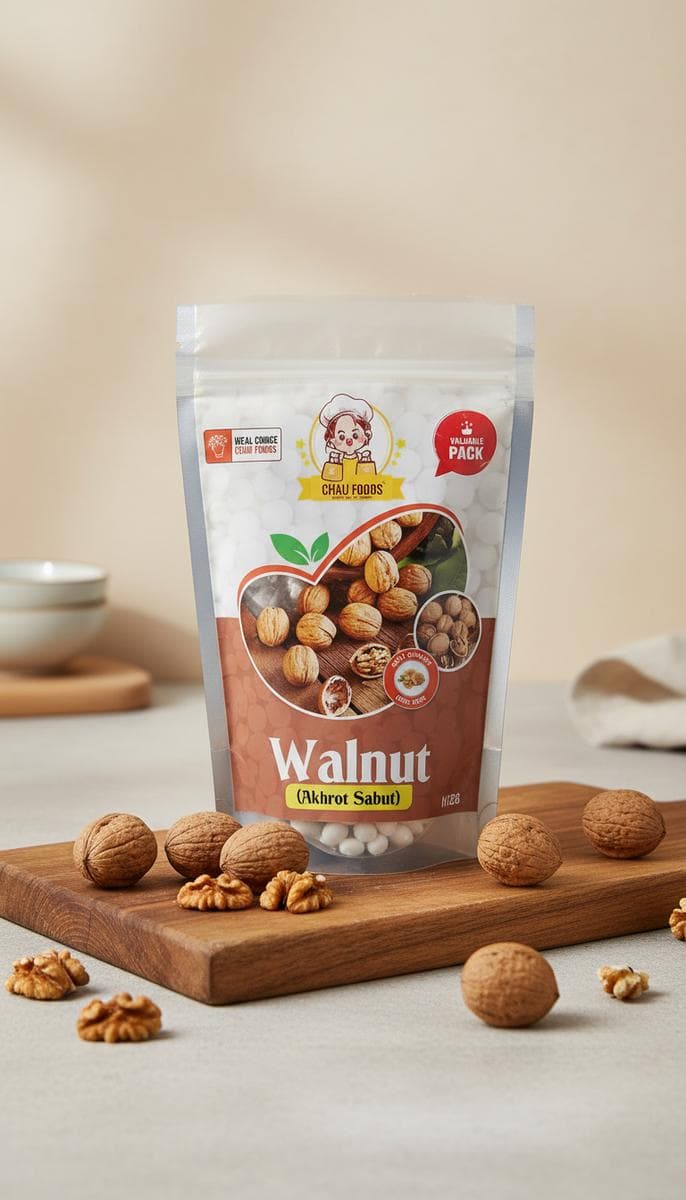
Premium American Walnut Giri 🇺🇸
Shell-free akhrot giri - #1 plant source of omega-3, best for brain health & memory
✓ FSSAI certified · Free delivery ₹499+
These are your daily-driver, blood-sugar-friendly options:
Almonds (Badam) - The Safest Bet
GI: 0 | GL per 30g: 1
Almonds barely move blood sugar. Eat 20-25 daily worry-free.
Shop Premium California Almonds.
Walnuts (Akhrot) - Zero Glucose Impact
GI: 0 | GL per 30g: 1
Same as almonds - completely diabetic-safe.
Shop Akhrot Giri Walnut Kernels.
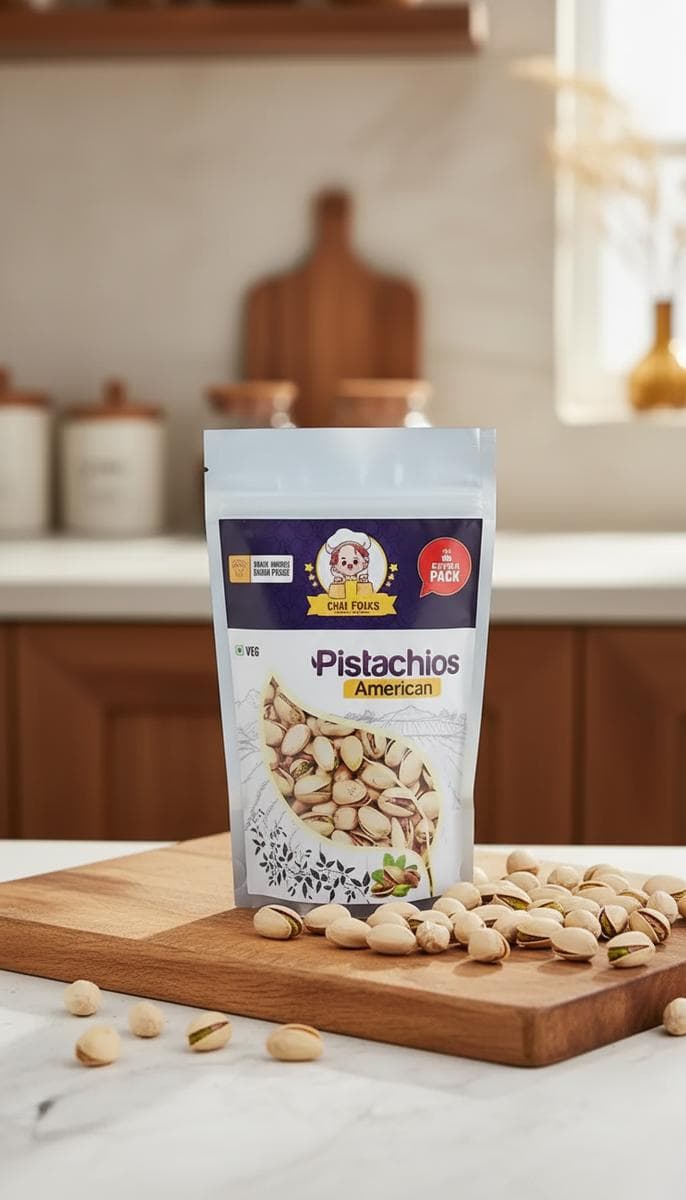
Pistachios - Lowers Spikes From Other Foods
GI: 15 | GL per 30g: 2
Bonus: pistachios eaten WITH a meal lower the GL of the meal by 20-30%.
Shop American Pistachios.
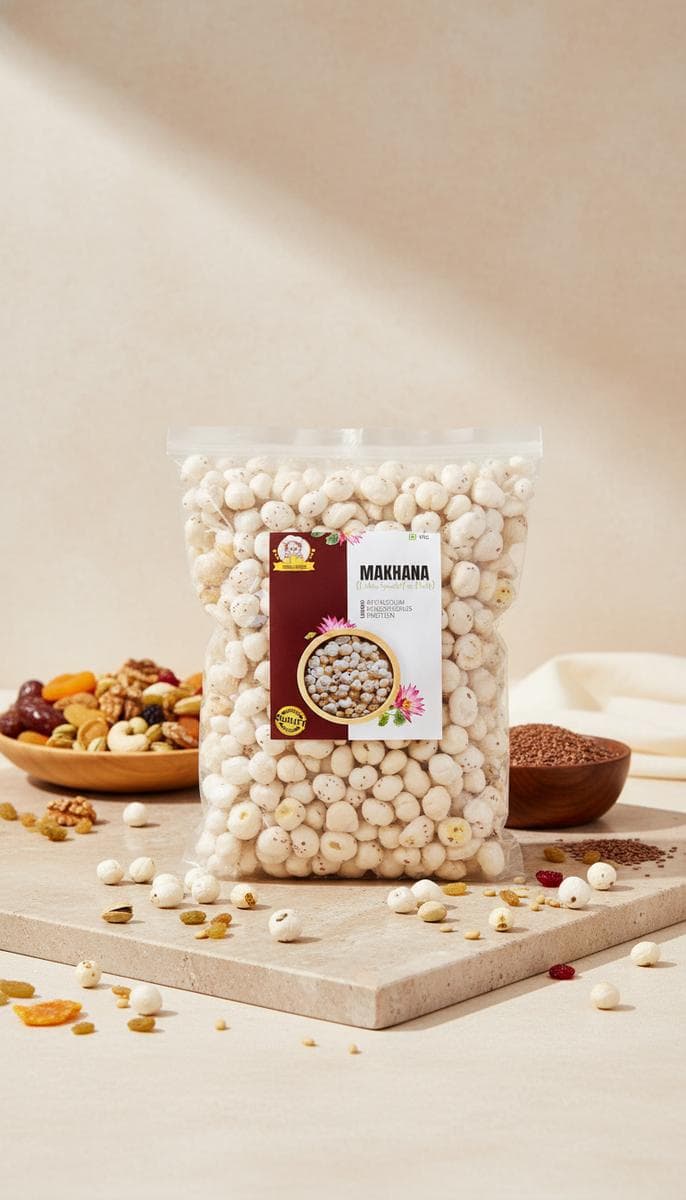
Makhana - Light Carb but Low GL
GI: 35 | GL per 20g: 4
Despite being a starch, makhana has a moderate-low GL because portions are naturally small.
Shop Premium Bihar Makhana.
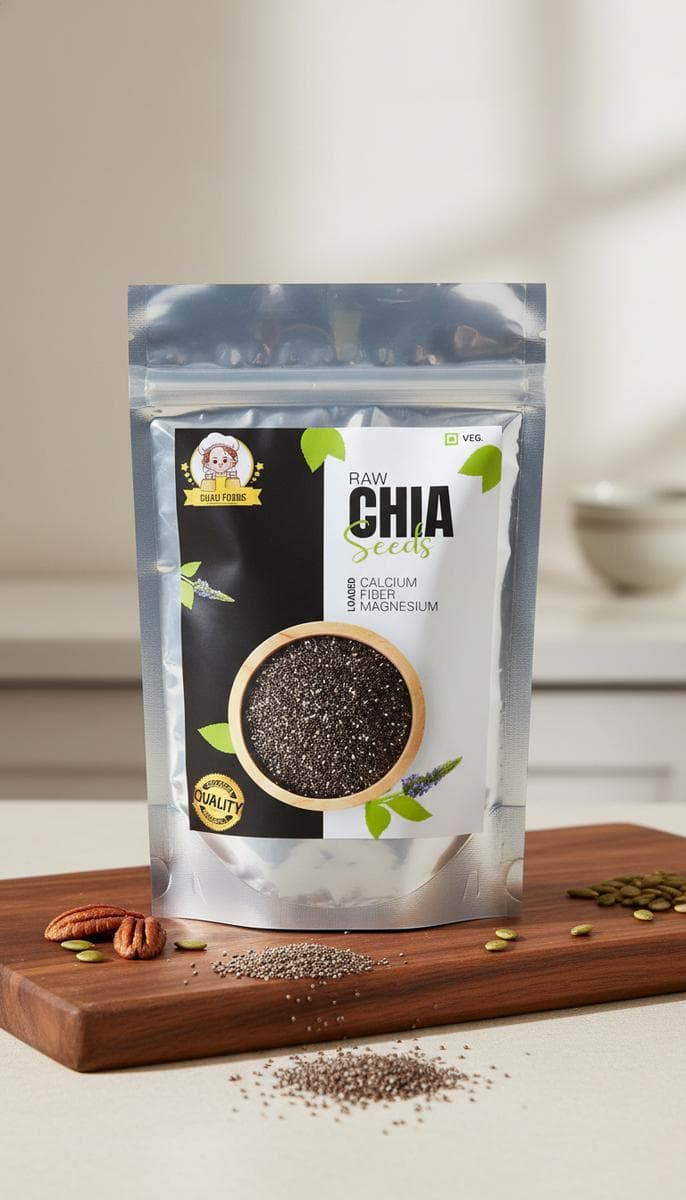
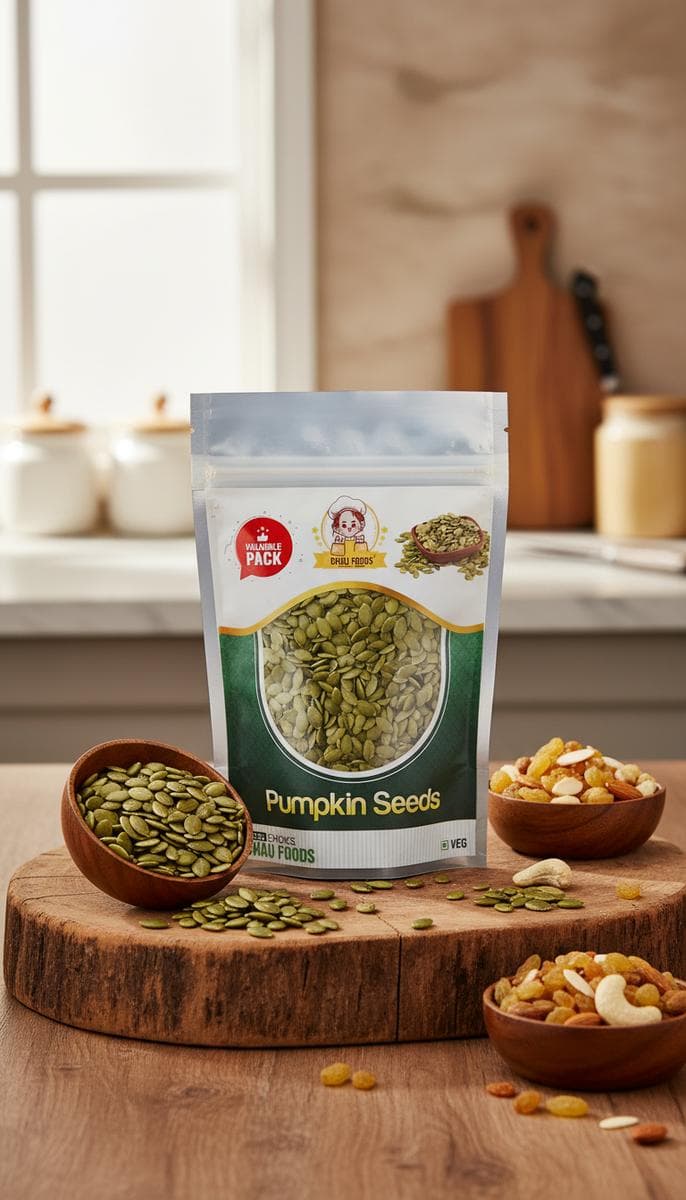
Pumpkin/Chia/Flax Seeds - Diabetic Superstars
GI: 0-35 | GL: 1-2
All seeds are diabetic-friendly. Sprinkle on yogurt, salads, or eat as snacks.
Shop Pumpkin Seeds, Chia Seeds, Flax Seeds.
Dry Fruits to LIMIT or AVOID
Raisins (Kishmish) - Tricky
GI: 64 (high) | GL per 30g: 13
Most diabetics should limit raisins to 8-10/day, soaked, paired with nuts.
Dates (Khajoor) - Sweet Trap
GI: 42-50 (low GI) | GL: 10 per 2 dates
The "low GI" label fools many diabetics. Stick to 1-2 dates/day max, always with nuts.
Dried Mango - Avoid
GI: 56 | GL: 17
Concentrated sugar bomb. Avoid if diabetic, limit even if not.
Sweetened Cranberries - Avoid
GI: 64 | GL: 16
Always sugar-coated. Skip entirely.
Banana Chips - Strictly Avoid
GI: 70+ | GL: 20
Fried + sweetened. Worst possible "dry fruit." Never eat.
For a complete list, see our companion blog: Dry Fruits Diabetics Should Avoid.
Smart Diabetic Snack Combinations Using GI Awareness
Combo 1: Almond + Pistachio Mix (GL: 3)
12 almonds + 12 pistachios. Perfect mid-morning snack.
Combo 2: Makhana + Walnuts (GL: 5)
1 cup roasted makhana + 4 walnut halves. Safe evening snack.
Combo 3: Soaked Chia in Yogurt (GL: 4)
1 tbsp chia + 100g unsweetened curd + 10 almonds chopped. Excellent breakfast.
Combo 4: Trail Mix (GL: 4)
20g almonds + 20g walnuts + 20g pistachios + 10g pumpkin seeds. Customize without raisins/dates.
Try our Weight Loss Seed Mix - pre-portioned, low GL, ideal for diabetics.
How to Use GI for Different Health Goals
For Diabetes / Insulin Resistance
- Stick to GL ≤ 10 per snack
- Pair high-GI items with low-GI nuts
- Read our Dry Fruits for Diabetes guide
For PCOS
- Same as diabetes (insulin resistance shares biology)
- Focus on low-GI seeds + nuts
- Read our PCOS Dry Fruits Guide
For Weight Loss
- Low GI keeps you fuller longer
- Read our Best Dry Fruits for Weight Loss
For Cholesterol
- GI matters less here - focus on Omega-3, MUFA, sterols
- Read our Best Dry Fruits for Cholesterol
Frequently Asked Questions
Why do raisins have higher GI than fresh grapes?+
Is dates really "low GI"?+
Can I trust "diabetic friendly" labels on dry fruits packs?+
Does cooking change GI?+
How accurate are GI numbers?+
Key Takeaway
The Bottom Line
For diabetics, PCOS patients, and anyone managing insulin: Stick to GL ≤ 10 per snack. This is your simple rule.
Safe dry fruits (GL 1-3 per 30g): Almonds, walnuts, pistachios, cashews, pumpkin seeds, sunflower seeds, chia, flax, makhana.
Watch portions (GL 8-15): Dates, figs, raisins, apricots, dried apple.
Avoid (GL 15+): Dried mango, banana chips, sweetened cranberries, candied fruits.
Always pair high-GI items with low-GI nuts to blunt the spike. A handful of almonds + 5 raisins is much safer than raisins alone.
⚠️ Medical disclaimer: GI values vary by source. For personalized diabetes management, consult your endocrinologist.
About the Author
Chau Foods Editorial Team
This guide is written and fact-checked by the Chau Foods editorial team - a small group of FSSAI-certified food specialists based in Rohini, Delhi. Led by founder Mohit, the team combines direct farm-sourcing experience (California almonds, Bihar makhana from Darbhanga & Madhubani, Kashmir walnuts, Kerala spices) with hands-on quality control at the Chau Foods packing facility. We publish only what we would feed our own families, cite Indian nutrition data where relevant, and refresh every article when sourcing, pricing, or health guidelines change.
- Credentials
- FSSAI Lic. 13321008000704
- Based in
- Rohini, Delhi · since 2020
- Rating
- 4.9/5 · 27+ Google reviews
Keep Exploring
Shop related collections and next steps
Use this guide to compare options, then move directly into the most relevant collection, brand story, or bulk-order path.
Seeds Collection
Discover chia, flax, pumpkin, and mix-seed staples for everyday use.
Shop the collectionWhy Chau Foods
Learn more about our sourcing, freshness standards, and the quality promises behind each product we ship.
Read our storyBulk & gifting help
Need larger quantities, office snacks, festive gifting, or repeat ordering support? Start with our bulk orders page.
Start a bulk enquiry