Quick Summary
TL;DR - Monsoon Dry Fruits Cheat Sheet
Monsoon weakens immunity and slows digestion. The right dry fruits - almonds, walnuts, cashews, makhana, raisins, pistachios, chia seeds, and pumpkin seeds - give you Vitamin E, zinc, magnesium, and Omega-3 to fight infections, reduce inflammation, and stay energetic during rainy days.
Daily intake: Soak 6-8 almonds + 4-5 walnut kernels + 5-6 cashews + a handful of makhana. Add 1 tsp chia seeds to your morning glass of water.
Avoid: Stale, unsealed, or budget-grade dry fruits - they trap moisture in humid weather and grow mold.
Why Monsoon Is the Trickiest Season for Your Body
Monsoon brings cooler weather, but it also brings high humidity (75-95%), water-borne infections, and slower digestion. Your immune system works harder because:
- Damp air helps bacteria, viruses, and fungi multiply
- Sluggish digestion means heavy foods sit longer in the gut
- Vitamin D drops (less sun exposure) - affecting immunity
- Stagnant water breeds mosquitoes (dengue, malaria, chikungunya)
- Joint pain flares up in arthritic and elderly people
This is exactly the season when nutrient-dense, easy-to-digest foods like dry fruits become essential.
At Chau Foods, we hand-pick monsoon-friendly nuts and seeds - vacuum-sealed, freshly packed, FSSAI certified - so humidity doesn't ruin your immunity routine.
8 Best Dry Fruits to Eat During Monsoon
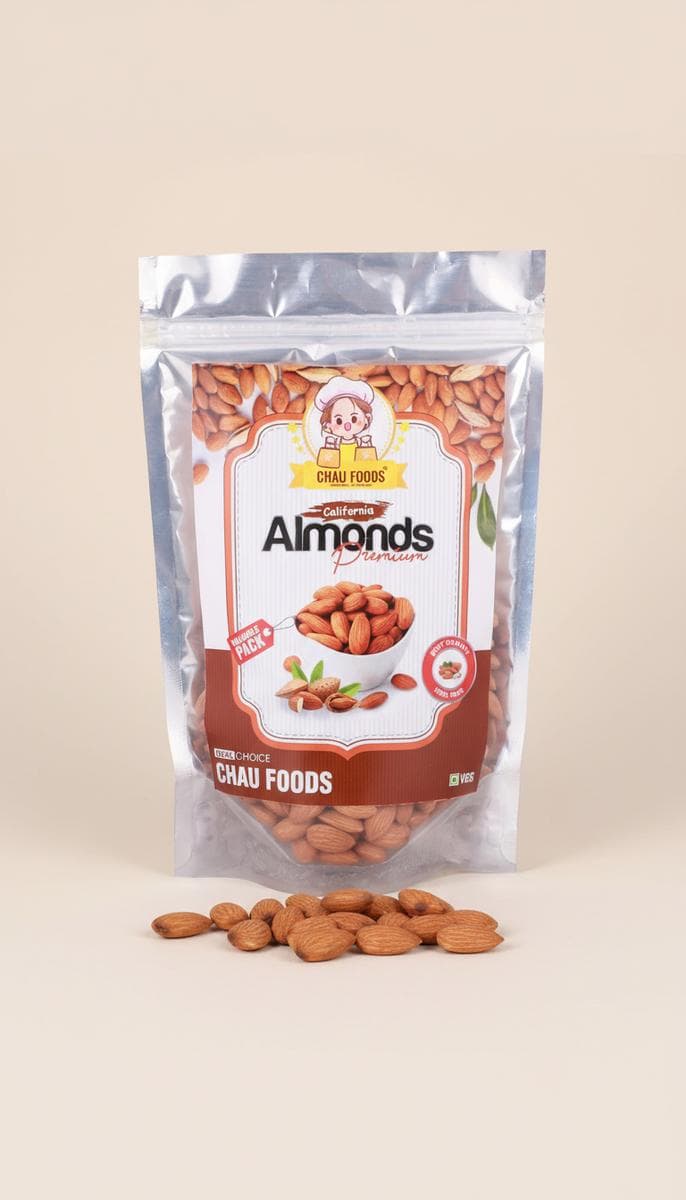
Almonds (Badam) - The Vitamin E Powerhouse 🌰
Almonds top the monsoon list. A 30g serving (about 23 almonds) gives you 37% of your daily Vitamin E - a fat-soluble antioxidant that keeps your skin barrier strong and immune cells alert.
How to eat in monsoon: Soak 6-8 almonds overnight, peel them in the morning, and eat on an empty stomach. Soaking removes phytic acid and makes nutrients more bioavailable.
Shop our premium California Almonds - sourced direct from California growers, no mixing, no preservatives.
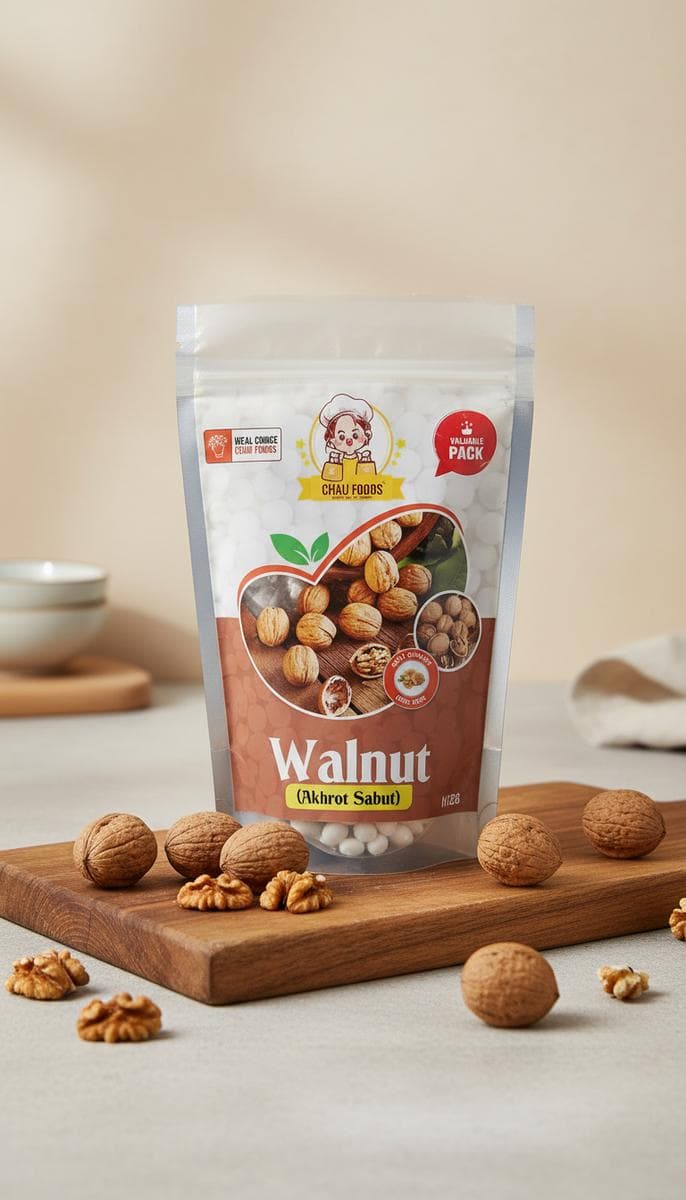
Walnuts (Akhrot) - Omega-3 for Inflammation 🧠
Monsoon humidity triggers inflammation, especially in joints and skin. Walnuts are the richest plant source of ALA Omega-3 fatty acids - proven to reduce inflammatory markers like CRP by up to 11.5% (per AIIMS-Delhi nutrition research).
Bonus: Walnut polyphenols boost gut microbiome - exactly what your digestion needs in rainy weather.
How to eat: 3-4 walnut kernels daily, post-breakfast. Avoid eating on empty stomach as they're heavy.
Try our Akhrot Giri (Premium Walnut Kernels) - Kashmir-sourced, hand-shelled, no bitter aftertaste.
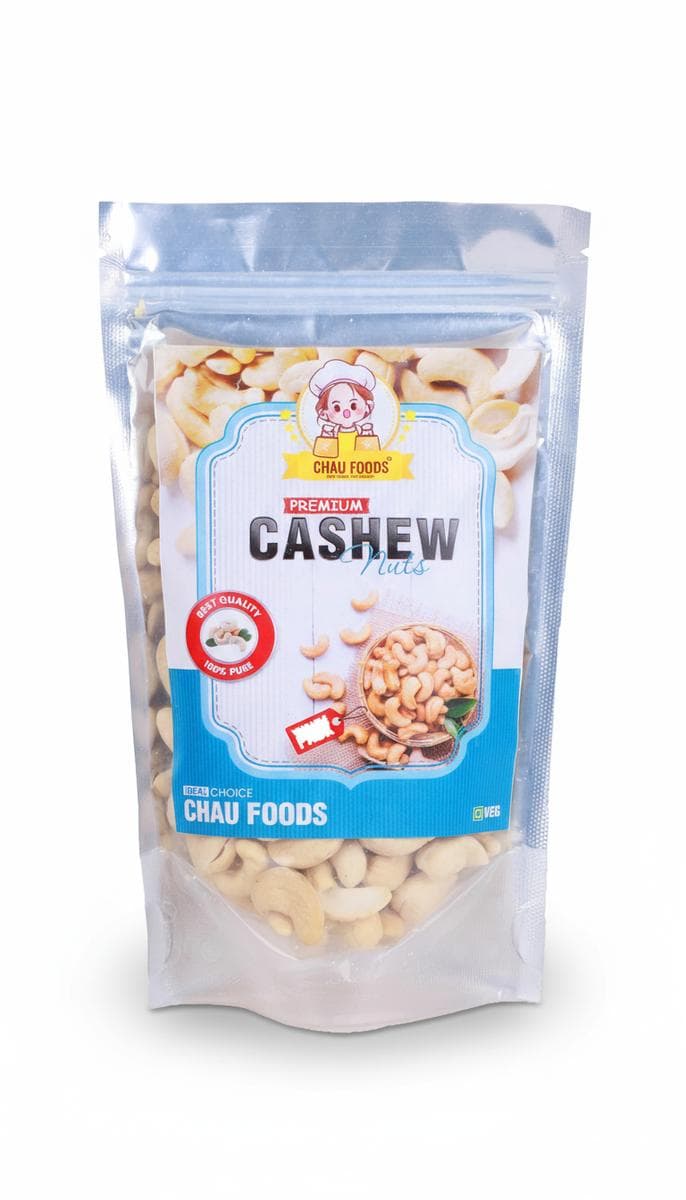
Cashews (Kaju) - Zinc for Immunity 🥜
Cashews are one of the richest dietary sources of zinc (5.6mg per 100g). Zinc is the single most studied immunity mineral - deficiency makes you 2-3x more vulnerable to colds and infections during monsoon.
How to eat: 5-6 raw cashews mid-morning. Avoid roasted/salted versions in monsoon - added salt promotes water retention.
Shop our Premium W320 Cashews - direct from Vietnam-grade processing, no broken pieces.
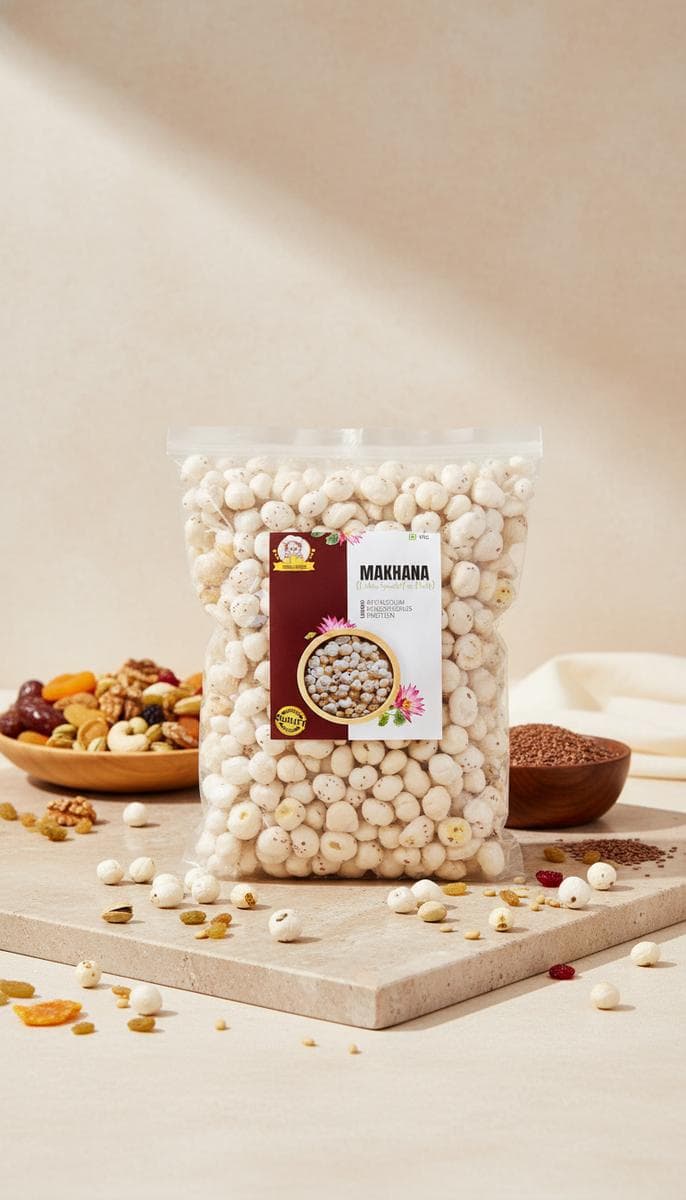
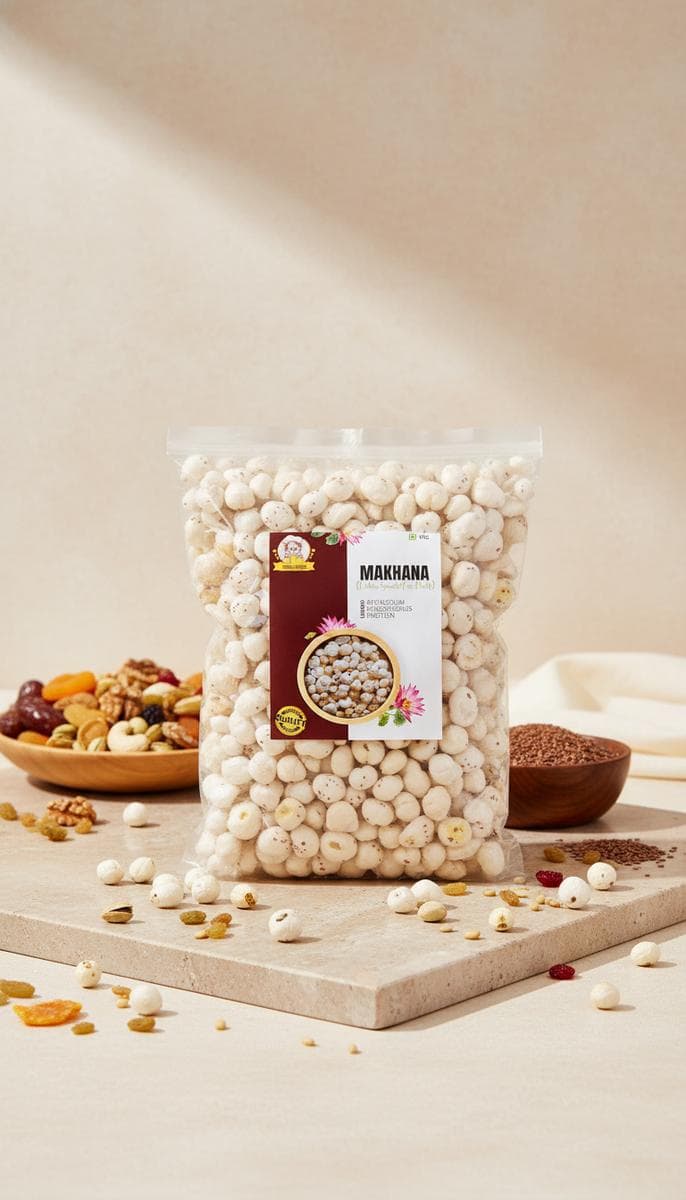
Makhana (Fox Nuts / Lotus Seeds) - Light & Anti-Inflammatory 🤍
Makhana is the lightest, most monsoon-friendly snack. Per Ayurveda, makhana balances Pitta dosha and is cooling - perfect when fried/heavy snacks upset your digestion.
It's also packed with kaempferol - a flavonoid with anti-inflammatory and anti-aging properties.
How to eat: Dry-roast 1 handful with a teaspoon of ghee, sprinkle pink salt. Or add to milk/kheer.
Try our Premium Bihar Makhana - sortex-grade phool makhana, popped fresh, crispy texture that doesn't go soft in humidity.
Raisins (Kishmish) - Iron & Quick Energy ⚡
Monsoon makes you feel sluggish. Raisins give you iron (1.88mg per 100g) to fight anemia-related fatigue and natural sugars for quick energy without processed sweets.
Pro tip: Soak 10-12 raisins overnight in water. Drink the kishmish water on empty stomach next morning - it's a centuries-old Ayurvedic immunity tonic.
Shop our Premium Indian Sonora Raisins - naturally sun-dried, no added sugar coating.
Pistachios (Pista) - Antioxidants for Skin 💚
Pistachios contain lutein and zeaxanthin - antioxidants that protect skin from environmental damage. During monsoon, when humidity causes breakouts and fungal infections, pistachios help maintain skin barrier integrity.
How to eat: 10-15 pistachios per day, post-lunch. Choose unsalted versions.
Try our American Pistachios - California-sourced, naturally opened shells, no chemical bleaching.
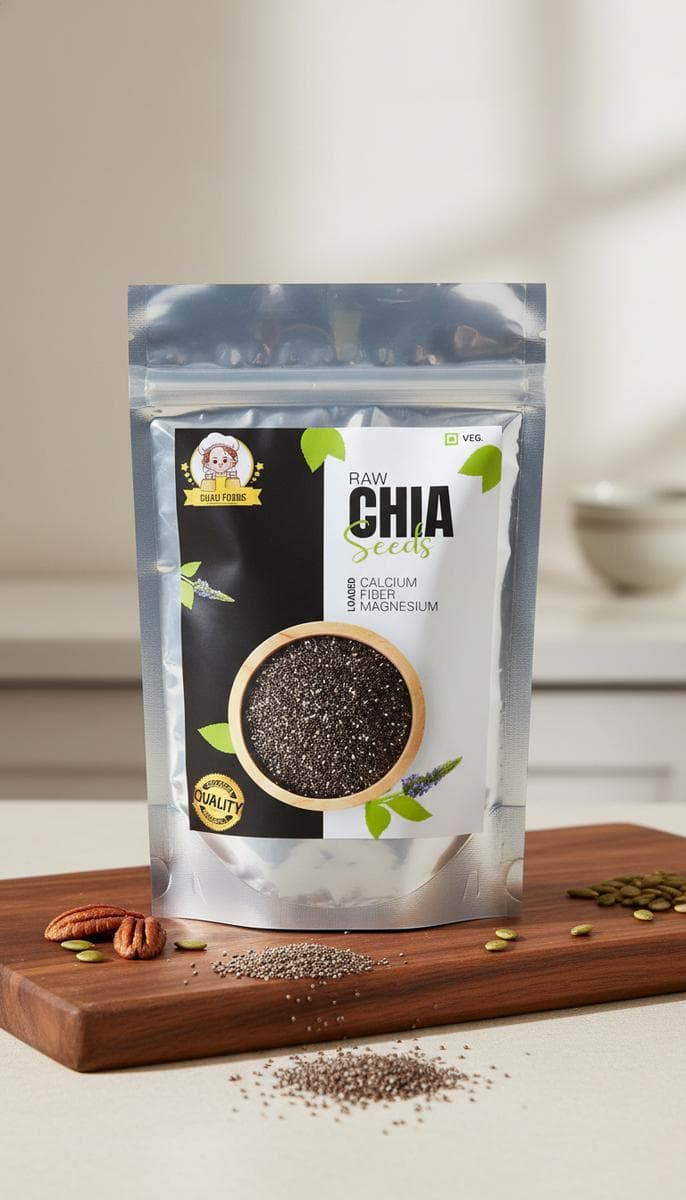
Chia Seeds - Hydration & Gut Health 💧
Chia seeds absorb up to 10x their weight in water, forming a gel that slowly releases hydration through the day. This is critical in monsoon when you may not feel thirsty but still get dehydrated from sweating in humidity.
The soluble fiber in chia also feeds beneficial gut bacteria - your first line of immune defense.
How to eat: Soak 1 tablespoon chia seeds in a glass of water for 10 minutes. Add lemon and honey. Drink first thing in morning.
Try our Raw Chia Seeds (Australian Origin) - vacuum-sealed, no fillers.
Pumpkin Seeds - Zinc + Magnesium Bomb 🎃
Pumpkin seeds pack zinc (7.8mg), magnesium (262mg), and tryptophan per 100g. Zinc fights infections, magnesium reduces muscle cramps (common during damp weather), and tryptophan helps you sleep better despite gloomy days.
How to eat: 1 tablespoon (roasted or raw) sprinkled over curd, salad, or chaat.
Try our Premium Pumpkin Seeds - hulled, raw, freshly packed.
Dry Fruits to AVOID or Be Careful With in Monsoon
| Dry Fruit | Why to be cautious |
|---|---|
| Loose, unsealed dry fruits | Trap humidity, grow aflatoxin (cancer-causing mold) |
| Salted/spiced varieties | Promote water retention; salt can absorb moisture |
| Very old stock | Stale oils turn rancid faster in humidity |
| Open peanuts (not technically dry fruit, but worth noting) | Highest aflatoxin risk in monsoon |
| Coconut pieces | Spoil quickly in humid weather |
Golden rule: Only buy vacuum-sealed, FSSAI-certified, freshly packed dry fruits in monsoon. Avoid loose buys from open jars at local stores.
How to Store Dry Fruits During Monsoon
- 1Airtight containers - glass or food-grade plastic, never wet/damp
- 2Refrigeration for opened packs - extends shelf life by 2-3x
- 3Silica gel sachets - drop one inside the container to absorb moisture
- 4Buy small quantities - 500g packs that you'll finish in 3-4 weeks beat bulk 2kg packs that spoil
- 5Never store near stove/sink - heat and water vapor are enemies
Read our deeper guide: How to Store Dry Fruits at Home - Keep Fresh for 6+ Months.
Best Monsoon Dry Fruit Combo Routine (₹999 Starter Pack)
Here's the routine I personally follow at Chau Foods through July-September:
Morning (empty stomach):
- 6 soaked almonds (peeled)
- 1 glass chia seed water with lemon + honey
Mid-morning snack:
- 5 cashews + 8-10 raisins (soaked)
Evening snack (4-5 PM):
- 1 handful dry-roasted makhana with ghee
- 2-3 walnut halves
Pre-dinner:
- 10 pistachios + 1 tbsp pumpkin seeds over salad
Total cost: about ₹40-50 per day when sourced from a quality brand. Compare that to ₹150+ on supplements that don't actually deliver the same nutrition.
Want to skip the math? Try our Immunity Booster Mix - pre-portioned with almonds, walnuts, cashews, pumpkin seeds, and raisins.
Monsoon Immunity Recipes Using Dry Fruits
Tulsi-Almond Kadha (Cold-Fighter Tea)
Boil 1 cup water + 5 tulsi leaves + 5 crushed almonds + 1 inch ginger + pinch of pepper. Simmer 5 minutes. Strain. Drink twice a day at first sign of cold.
Makhana-Walnut Kheer (Comfort Dessert)
Roast 1 cup makhana + 5 walnut halves in 1 tsp ghee. Add 2 cups warm milk + 1 tbsp jaggery + cardamom. Simmer 10 minutes. Indian comfort food + immunity boost.
Chia-Raisin Detox Drink
Soak 1 tbsp chia + 10 raisins in 1 cup water overnight. Add lemon + mint in morning. Excellent for hydration and gut health.
Frequently Asked Questions
Can I eat dry fruits daily in monsoon?+
Are roasted dry fruits better than raw in monsoon?+
Can children eat all these dry fruits in monsoon?+
Which is best for daily immunity - almonds or walnuts?+
Does eating dry fruits cause acidity in monsoon?+
Key Takeaway
The Bottom Line
Monsoon is the season your immunity needs the most nutritional support - and dry fruits deliver it without filling you up with calories or processed sugar. Stick to almonds, walnuts, cashews, makhana, raisins, pistachios, chia, and pumpkin seeds - all FSSAI-certified, vacuum-sealed, freshly packed.
Avoid loose-sold dry fruits at any cost in monsoon. The humidity-meets-stale-stock combo is what causes those terrible aflatoxin headlines.
About the Author
Chau Foods Editorial Team
This guide is written and fact-checked by the Chau Foods editorial team - a small group of FSSAI-certified food specialists based in Rohini, Delhi. Led by founder Mohit, the team combines direct farm-sourcing experience (California almonds, Bihar makhana from Darbhanga & Madhubani, Kashmir walnuts, Kerala spices) with hands-on quality control at the Chau Foods packing facility. We publish only what we would feed our own families, cite Indian nutrition data where relevant, and refresh every article when sourcing, pricing, or health guidelines change.
- Credentials
- FSSAI Lic. 13321008000704
- Based in
- Rohini, Delhi · since 2020
- Rating
- 4.9/5 · 27+ Google reviews
Keep Exploring
Shop related collections and next steps
Use this guide to compare options, then move directly into the most relevant collection, brand story, or bulk-order path.
Almond Collection
Browse daily-use almonds, premium badam picks, and related dry fruit options.
Shop the collectionWhy Chau Foods
Learn more about our sourcing, freshness standards, and the quality promises behind each product we ship.
Read our storyBulk & gifting help
Need larger quantities, office snacks, festive gifting, or repeat ordering support? Start with our bulk orders page.
Start a bulk enquiry