How Dry Fruits Support Liver Function
Your liver processes everything you eat, drink, and breathe. It filters toxins, metabolizes fat, produces bile, and stores vitamins. When the liver is overwhelmed — by poor diet, alcohol, medications, or environmental toxins — it develops inflammation, fat accumulation (fatty liver), and eventually scarring.
Certain dry fruits contain compounds that specifically support liver function: glutathione precursors, vitamin E, polyphenols, and fiber. They do not replace medical treatment for liver disease, but they can provide meaningful nutritional support for liver health.
Top Dry Fruits for Liver Support
1. Walnuts — Glutathione Boosters
Walnuts are the only nut that contains significant amounts of L-arginine, glutathione, and omega-3 fatty acids — all three of which support liver detoxification. A study in the World Journal of Gastroenterology found that walnut consumption improved liver enzyme levels in patients with non-alcoholic fatty liver disease (NAFLD).
Glutathione is the liver's master antioxidant — it neutralizes free radicals and supports Phase II detoxification. Walnuts provide the amino acid precursors that help your liver produce more glutathione.
How to eat: 4-6 walnut halves daily.
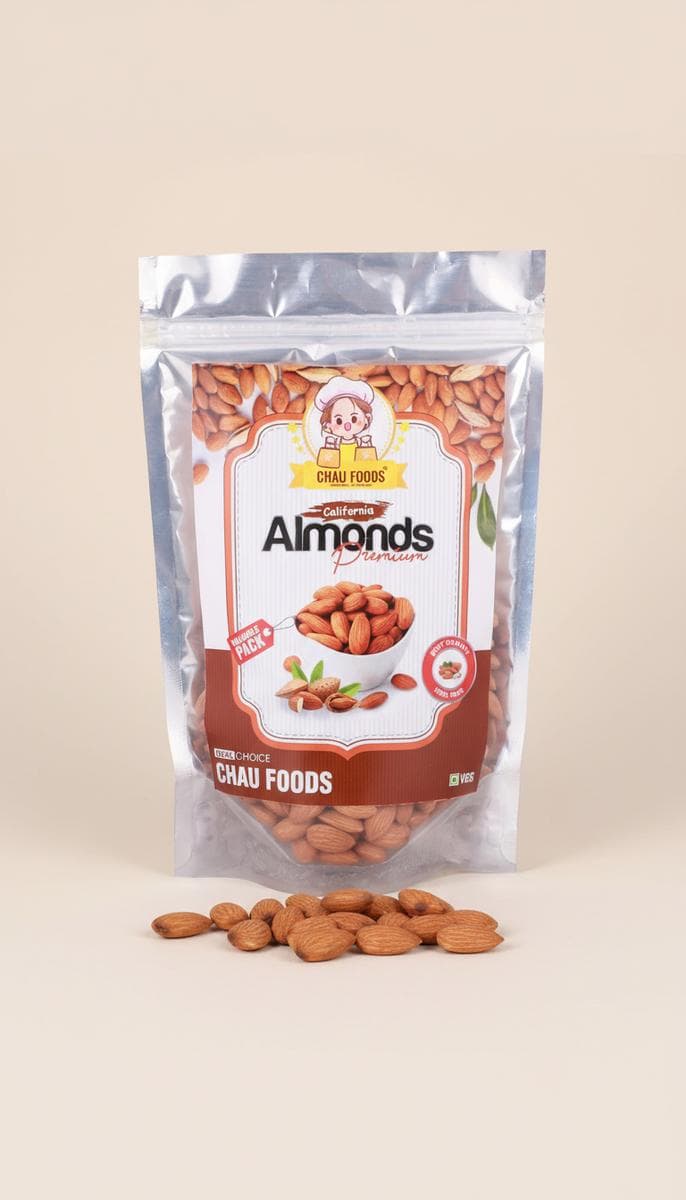
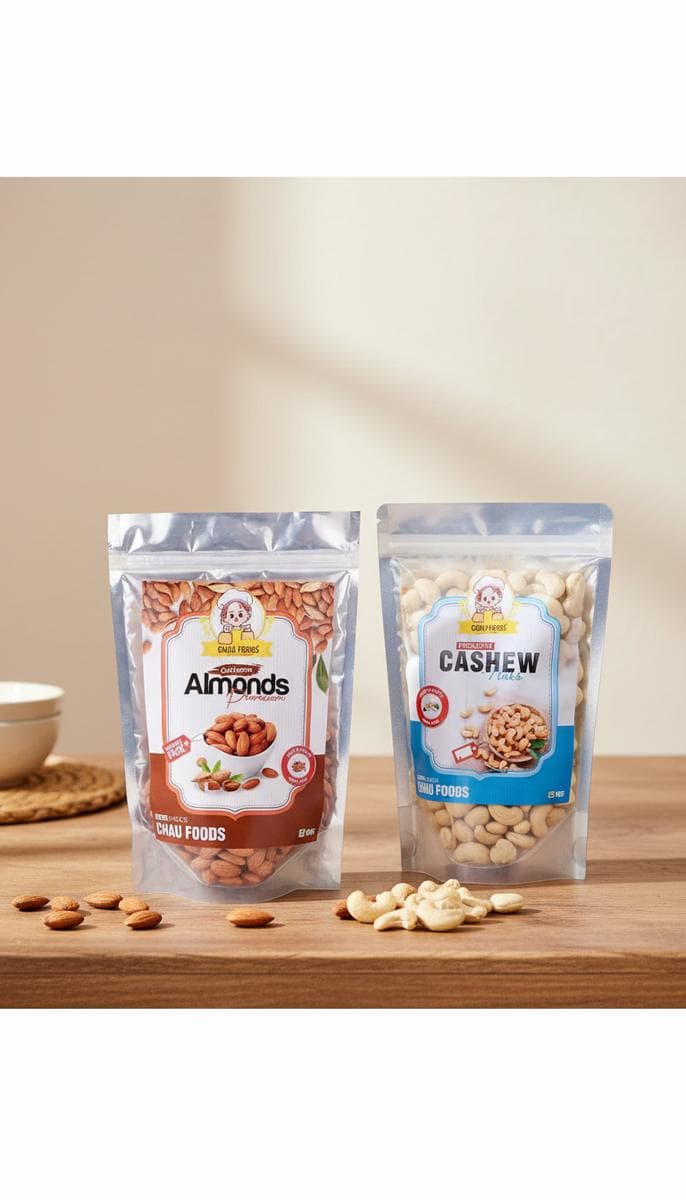
2. Almonds — Vitamin E for Fatty Liver
Vitamin E is currently one of the most-studied nutrients for non-alcoholic fatty liver disease. The PIVENS trial — a large NIH-funded study — found that 800 IU of vitamin E daily improved liver inflammation and fat accumulation in NAFLD patients. While you would need supplements to reach 800 IU, eating almonds daily (7.3mg vitamin E per 30g) provides meaningful baseline support.
How to eat: 15-20 almonds daily, soaked or raw.
3. Raisins — Natural Liver Cleanser
Raisins — particularly soaked raisins (kishmish water) — are a traditional Ayurvedic remedy for liver support. Modern research attributes this to their polyphenol content and high fiber. Soaking raisins in water overnight and drinking the water in the morning provides concentrated polyphenols that help the liver neutralize toxins.
How to eat: Soak 15-20 raisins in water overnight. Drink the water and eat the raisins in the morning.
4. Dates — Fiber for Liver Fat Reduction
Dates are rich in soluble fiber (6.7g per 100g) which helps reduce fat absorption in the gut — directly reducing the load on the liver. A study in the Journal of Agricultural and Food Chemistry found that date extracts protected liver cells from chemical damage in laboratory settings.
How to eat: 2-3 dates daily.
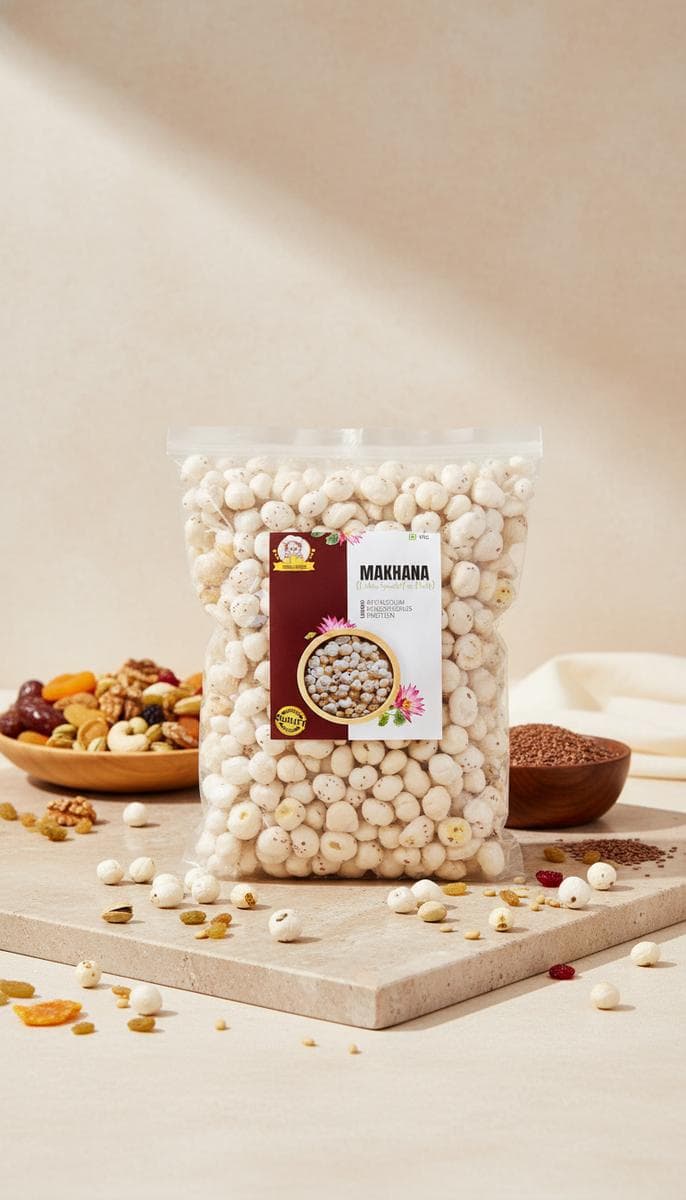
5. Makhana — Low-Fat Liver-Friendly Snack
Makhana contains kaempferol, a flavonoid with anti-inflammatory and hepatoprotective (liver-protecting) properties. Research published in Food Chemistry found that kaempferol reduced liver inflammation markers in animal studies. Beyond the active compound, makhana is simply a clean snack — low fat, no added chemicals, and easy on the digestive system.
How to eat: 1 cup dry-roasted makhana as a snack.
6. Anjeer (Dried Figs)
Figs contain ficin and other enzymes that support digestive function, reducing the burden on the liver. They also provide soluble fiber that binds to toxins in the gut and prevents reabsorption.
How to eat: 2-3 soaked figs daily.
Lifestyle Tips for Liver Health
While dry fruits help, liver health is also about what you avoid:
Frequently Asked Questions
Which dry fruit is best for liver?
Walnuts are the best single dry fruit for liver health because they contain glutathione precursors, omega-3 fatty acids, and L-arginine — all of which support the liver's detoxification pathways. Studies show walnut consumption improves liver enzyme levels in fatty liver patients.
Can dry fruits help with fatty liver?
Yes. Almonds (vitamin E), walnuts (glutathione), and dates (fiber) all support fatty liver management through different mechanisms. They work best alongside dietary changes like reducing sugar, refined carbs, and alcohol.
Is soaked raisins water good for liver?
Soaked raisin water is a traditional remedy that modern research partially supports. The polyphenols concentrated in raisin-soaked water have antioxidant properties that support liver detoxification. Drink the water from 15-20 soaked raisins each morning for best results.
Are almonds good for fatty liver?
Yes. Almonds are one of the richest food sources of vitamin E, which has been studied extensively for fatty liver treatment. While therapeutic doses require supplements, daily almond consumption provides meaningful baseline liver protection.
Is makhana good for liver patients?
Makhana is an excellent snack for liver patients because it contains kaempferol (a hepatoprotective flavonoid), is low in fat, and has no added chemicals. It replaces inflammatory fried snacks that burden the liver.
How to Detox Liver Naturally — 30-Day Reset Protocol
The liver does not need expensive detox kits or juice cleanses — it needs the right daily nutrients + removal of inflammation triggers. This is the 30-day protocol that has reversed Grade 1-2 fatty liver in many patients:
Wake up (6:30 AM): Warm water + lemon (half lemon in 250ml warm water). Stimulates bile flow.
Breakfast (8 AM): 4-5 soaked walnut halves (omega-3 + polyphenols, NAFLD reversal evidence) + 8-10 soaked almonds (Vitamin E 25.6mg/100g protects hepatocytes).
Mid-morning (11 AM): 1 tablespoon soaked chia seeds (omega-3 + soluble fiber binds toxins).
Evening (5 PM): 1 katori roasted makhana (replaces inflammatory fried snacks).
Hydration (all day): 3-4 litres water minimum. Dehydration concentrates toxins in liver.
Avoid for 30 days:
Add for 30 days:
Expected results: ALT/AST enzymes typically drop 20-40% in 30 days. Ultrasound may show fatty liver grade reduction by 3 months. Energy improvement within 2 weeks.
Critical: This protocol supports but does not replace medical treatment for Hepatitis B/C, cirrhosis, or advanced fatty liver. Always get baseline LFT before starting + 30-day follow-up.
About the Author
Chau Foods Editorial Team
This guide is written and fact-checked by the Chau Foods editorial team — a small group of FSSAI-certified food specialists based in Rohini, Delhi. Led by founder Mohit, the team combines direct farm-sourcing experience (California almonds, Bihar makhana from Darbhanga & Madhubani, Kashmir walnuts, Kerala spices) with hands-on quality control at the Chau Foods packing facility. We publish only what we would feed our own families, cite Indian nutrition data where relevant, and refresh every article when sourcing, pricing, or health guidelines change.
- Credentials
- FSSAI Lic. 13321008000704
- Based in
- Rohini, Delhi · since 2020
- Rating
- 4.9/5 · 27+ Google reviews
Keep Exploring
Shop related collections and next steps
Use this guide to compare options, then move directly into the most relevant collection, brand story, or bulk-order path.
Almond Collection
Browse daily-use almonds, premium badam picks, and related dry fruit options.
Shop the collectionWhy Chau Foods
Learn more about our sourcing, freshness standards, and the quality promises behind each product we ship.
Read our storyBulk & gifting help
Need larger quantities, office snacks, festive gifting, or repeat ordering support? Start with our bulk orders page.
Start a bulk enquiryWant to Buy in Bulk?
Get wholesale prices for premium dry fruits delivered to your doorstep.
FSSAI Certified| 500+ Business Partners| Pan-India Delivery