India Produces 90% of World Makhana - And It Is Not Close
Makhana. Fox nuts. Lotus seeds. Water lily seeds. Depending on where you are in the world, this ancient superfood has many names. But no matter what you call it, one fact is indisputable: India is the world's largest producer, exporter, and quality leader for makhana.
The numbers:
- 90% of global makhana production comes from India
- 95% of that comes from Bihar state alone
- 50,000+ farming families depend entirely on makhana cultivation
- ₹800+ crore annual turnover in Bihar makhana industry
- Growth rate: 8-10% annually as global health food demand rises
If you are importing makhana anywhere in the world - whether you are a health food retailer in New York, a supplement company in London, or a snack distributor in Singapore - you are importing from India. Most likely from Bihar.
This is not an accident. It is centuries of expertise, perfect climate conditions, and infrastructure built over generations.
---
Bihar: The Makhana Capital of the World
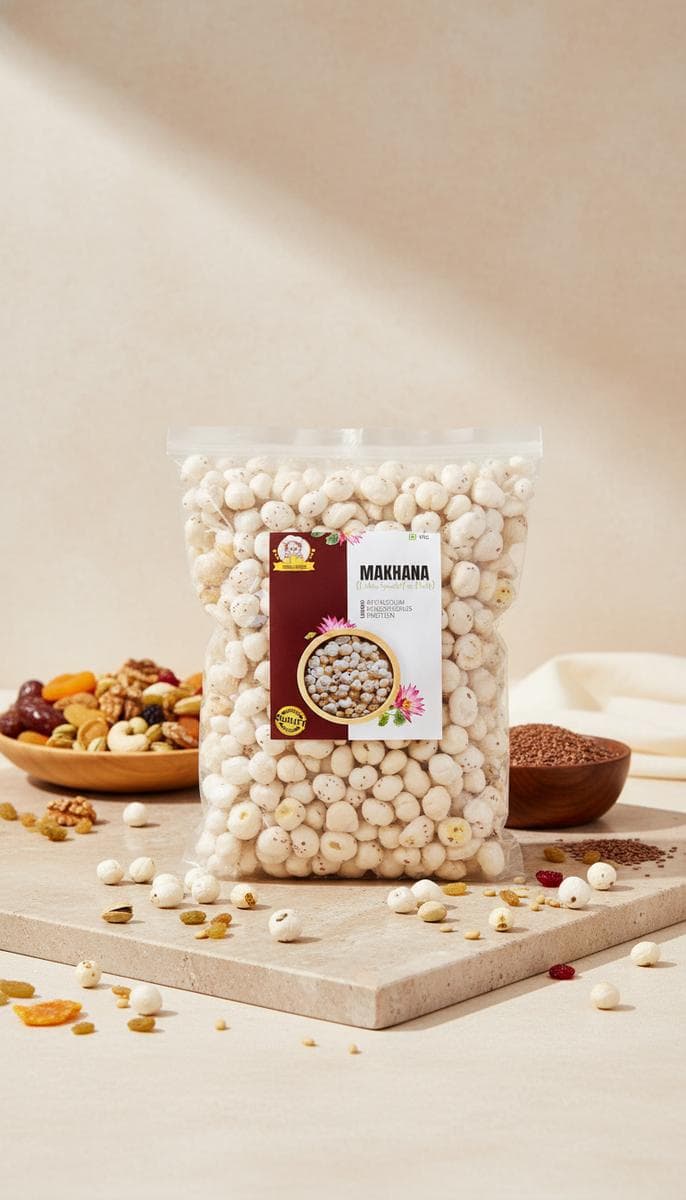
Featured Product
Premium Bihar Makhana 🇮🇳
Handpicked fox nuts - 9g protein, low calorie, perfect for weight loss & fasting snacks
✓ FSSAI certified · Free delivery ₹399+
The Geography and Climate
Bihar, located in Eastern India, is uniquely suited for makhana cultivation:
Climate factors:
- Temperature: 22-28°C (ideal for makhana pod development)
- Rainfall: 1,200-1,600 mm annually (consistent monsoons)
- Humidity: High (70-80%) - critical for preventing pod rot
- Season: August-November (harvest); March-July (cultivation)
Soil and water conditions:
- Pond-based cultivation - makhana grows in shallow freshwater ponds (3-5 feet depth)
- Clay-rich soil - holds water and nutrients perfectly
- pH balance: 6.5-7.5 (neutral, ideal for aquatic crops)
- Shallow water bodies - Bihar has thousands of natural and artificial ponds ideal for makhana
The Epicenter: Mithilanchal Region
Within Bihar, the Mithilanchal region (comprising Darbhanga, Madhubani, Purnia, and Katihar districts) is the world capital of makhana.
Why Mithilanchal?
- 1Historical Expertise - Makhana cultivation has been practiced here for over 500 years. Farming knowledge is passed down through families.
- 1Perfect Conditions - The region sits in the fertile Gangetic plains with abundant groundwater and ideal soil composition.
- 1Infrastructure - Dedicated makhana mandis (wholesale markets), processing centers, export infrastructure, and cold storage facilities are established here.
- 1Farmer Network - Thousands of small-holder farmers, each with 0.5-2 acre ponds, create a resilient supply chain.
The Districts and Their Specializations
| District | Annual Production | Known For |
|---|---|---|
| Darbhanga | ~8,000 MT | Premium 4-sieve makhana, highest quality |
| Madhubani | ~7,500 MT | Bulk production, all grades |
| Purnia | ~6,000 MT | Medium-grade makhana, good crunch |
| Katihar | ~5,500 MT | Processing hubs, export centers |
Total Bihar production: ~26,000-27,000 MT annually (varies by monsoon)
---
How Makhana Is Graded and Classified
Makhana quality is determined by one key metric: sieve size - essentially, the size of individual makhana pieces after they are popped/roasted.
The Grading System: Sieve Sizes
| Grade | Sieve Size (mm) | Characteristic | Export Price ($/kg, FOB) | Primary Markets |
|---|---|---|---|---|
| 4-Sieve | 10+ mm | Largest, most premium, white color, perfect crunch | $10-13 | USA, Japan, Europe |
| 3-Sieve | 8-10 mm | Standard export grade, widely available, good crunch | $8-10 | Most countries |
| 2-Sieve | 6-8 mm | Smaller pieces, still usable, slightly less premium | $6-8 | Domestic + some export |
| 1-Sieve | 4-6 mm | Small pieces, used in blends/mixes | $3-5 | Domestic, value brands |
| Handpicked Premium | Mixed, 8+ mm | Hand-selected, highest quality, no broken pieces | $12-15 | Premium brands, Japan, EU |
| Broken/Pieces | <4 mm | Damaged during processing, used in powder/extracts | $2-3 | Food processors |
Key Quality Metrics (What International Buyers Check)
- 1Whiteness/Color - Bright white or cream indicates freshness. Brown or yellow means old stock or improper drying.
- 1Crunch Factor - Premium makhana should snap cleanly when bitten. Chewy texture indicates moisture exposure or old material.
- 1Moisture Content - Must be 8-10% for long shelf life. Above 12% indicates risk of fungal growth.
- 1Defects - Broken pieces, discoloration, debris should be <2% by weight.
- 1Size Uniformity - Within a sieve grade, pieces should be roughly the same size (±1-2 mm variation acceptable).
- 1Aroma - Fresh makhana has a mild, slightly nutty aroma. Musty or sour smell indicates spoilage.
---
Health Benefits Driving Global Demand
Why Western Markets Are Adopting Makhana
In the last 5-10 years, makhana has exploded in Western health food markets. Here is why:
- 1Low Calorie Profile - 32 calories per ounce (vs. 170 for popcorn, 150 for cashews)
- 1High Protein - 2.6g protein per ounce (rare for snack foods)
- 1Gluten-Free - Naturally free of gluten, appealing to celiac and paleo communities
- 1Rich in Antioxidants - Contains kaempferol, a polyphenol with anti-inflammatory properties
- 1Low Glycemic Index (GI 35) - Does not spike blood sugar; ideal for diabetics and weight-conscious consumers
- 1Gut Health - High fiber content; promotes digestive health and satiety
- 1Plant-Based Protein - Appeals to vegan and vegetarian segments
Global Market Adoption (2020-2026)
USA:
- Health food retailers (Whole Foods, Sprouts, specialty stores) - growing shelf presence
- Online market (Amazon, iShopIndian, specialty snack sites) - fastest growing segment
- Celebrity endorsements - wellness influencers promoting makhana as "superfood"
- Estimated market size: $45-60 million annually; growing 15-20% per year
United Kingdom:
- Premium snack positioning in organic sections
- Asian/Indian diaspora market demand
- Wellness brands incorporating makhana into energy bars and granola
- Estimated market: $15-20 million annually
UAE & Middle East:
- Strong demand from health-conscious affluent consumers
- Ramadan demand (low-calorie snack during fasting)
- Re-export hub to Europe
- Estimated market: $25-35 million annually
Japan:
- Premium health food positioning
- Used in traditional sweets and desserts
- Wellness supplements and weight loss products
- Very high margins (retail prices 2-3x wholesale)
- Estimated market: $10-15 million annually
Europe:
- Growing organic section presence (Germany, Netherlands, UK, France)
- Health supplement companies sourcing
- Fitness and wellness retail channels
- Estimated market: $15-20 million annually
Total Global Market: ~$120-150 million annually; projected to grow to $200+ million by 2030.
---
How Makhana Is Processed for Export
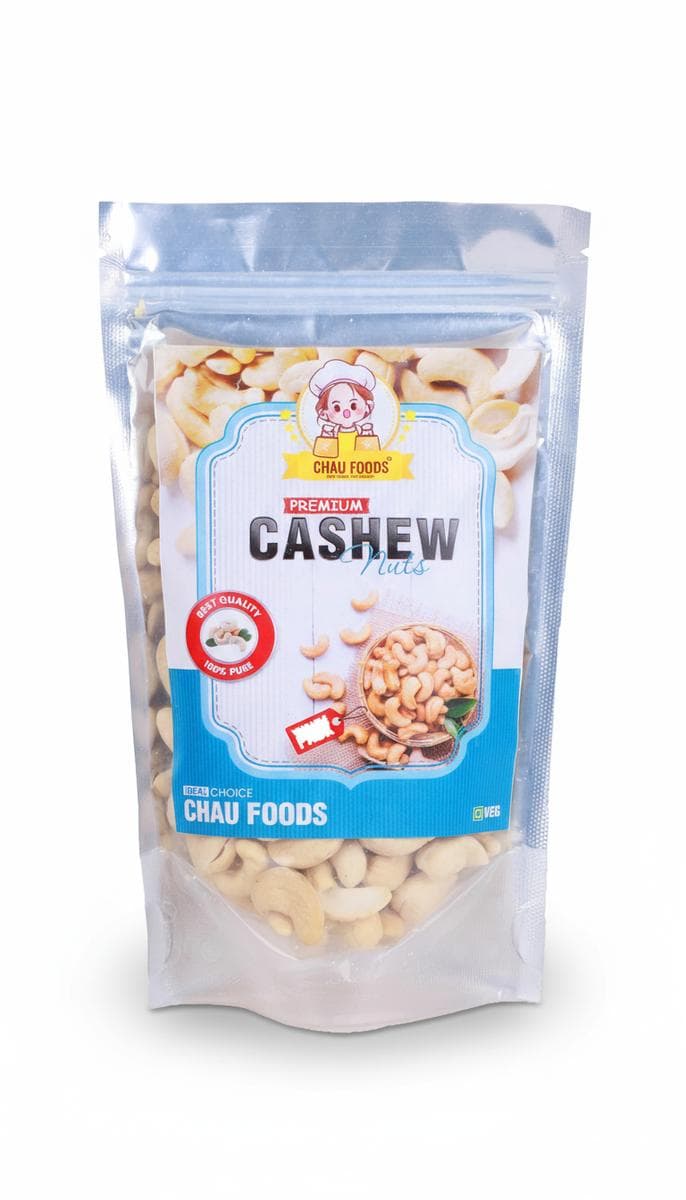
Featured Product
Premium W240 Cashews 🇮🇳
W240 jumbo-grade whole cashews - 18g protein, creamy, crunchy & unbroken, perfect for snacking & cooking
✓ FSSAI certified · Free delivery ₹399+
Understanding the processing chain explains why Bihar makhana is premium and why prices are what they are.
Step 1: Harvesting (August-September)
Traditional Method:
- Farmers wade into ponds at dawn
- Hand-pick mature makhana pods (look like spiky green balls)
- Pods are submerged underwater - only mature ones float up
- Harvest yield: 1-2 MT per acre (very labor-intensive)
Modern Method:
- Some farmers use harvesting nets and collection baskets
- Same end result, slightly faster process
- Labor cost still dominates (~₹2,000-3,000 per MT of harvesting alone)
Step 2: Pod Cracking and Drying (September-October)
Pod removal:
- Pods are dried in the sun for 2-3 days
- They become brittle and split naturally
- Seeds (raw makhana) are extracted manually
- Yield: ~15% of pod weight = seed weight
Sun-drying the seeds:
- Raw makhana is spread on mats in the sun
- Dried for 10-15 days until moisture drops to 14-16%
- This is the most critical step for future crunch
Step 3: Roasting (Popping) Process (November-December)
This is where the magic happens - raw makhana becomes the fluffy, crunchy snack.
Traditional roasting:
- Hot sand is heated in large iron drums over fire
- Raw makhana is mixed with the hot sand
- As temperature reaches 180-200°C, seeds pop/puff up (similar to popcorn)
- Takes 30-60 seconds per batch
- Flavor and aroma develop during this roasting process
Modern roasting:
- Mechanical roasters can process 100+ kg per hour
- Temperature controlled to 180-200°C
- Roasted makhana is lighter, fluffier
- Less labor, more consistent
Result: Raw makhana (15g grain) becomes fluffy (10-12g pop) with 40-50% volume increase.
Step 4: Sorting and Grading (December-January)
Raw roasted makhana is mixed sizes. Sorting is essential:
Process:
- Roasted makhana passes through sieve machines with different mesh sizes
- 4-sieve (largest) separated first, then 3-sieve, 2-sieve, etc.
- Pieces that are cracked or broken are collected separately
- Labor-intensive: requires manual inspection and reprocessing
Quality control:
- Weight uniformity check within each grade
- Color check - reject brown/discolored pieces
- Crunch test on random samples
- Moisture meter check - must be 8-10%
Step 5: Packaging for Export
Standard export packing:
- Vacuum-sealed polyester/foil pouches (250g, 500g, 1kg sizes)
- FSSAI label with batch number, production date, expiry date
- Export cartons (10-50 pouches per carton)
- Each carton: 10-25 kg gross weight
Premium packaging options:
- Nitrogen-flushed pouches (removes oxygen, extends shelf life)
- Jar packing (glass with metal lids) - premium markets
- Bulk packing (25 kg boxes) - food manufacturers, B2B
Shelf life:
- Vacuum-sealed at room temperature: 12 months
- Nitrogen-flushed: 18-24 months
- Once opened: best consumed within 2-4 weeks
---
Quality Certifications and Standards
When importing makhana from India, you will see these certifications:
APEDA (Agricultural and Processed Food Products Export Development Authority)
- Government body that certifies exporters
- Ensures exporters meet international food safety standards
- Check exporter registration on apeda.gov.in before importing
FSSAI (Food Safety and Standards Authority of India)
- License required for food processing and export
- 14-digit license number on every pack
- Verifiable at foscos.fssai.gov.in
ISO 22000
- Food safety management system
- Certifies facility follows HACCP (Hazard Analysis and Critical Control Points)
- Common among export-focused producers
Organic Certification (Optional)
- If makhana is certified organic - no pesticide residue
- Common certifiers: ECOCERT, Control Union, IFOAM
- Adds 30-50% premium to price
Lab Test Reports (Mandatory)
Every export shipment includes:
- Aflatoxin test - <5 ppb (parts per billion)
- Moisture content - 8-10%
- Microbial testing - E. coli, Salmonella
- Insect fragments -
- Foreign matter - <0.1% by weight
---
Global Makhana Market: Why It Is Growing
Market Size & Projections
- 2020: $80-90 million global market
- 2023: $110-120 million
- 2026 (current): $130-150 million
- 2030 (projected): $200-250 million
- CAGR (Compound Annual Growth Rate): 8-10% annually
Key Growth Drivers
- 1Health Food Trend - Rising obesity, diabetes, and lifestyle diseases make functional foods like makhana attractive
- 1Vegan/Plant-Based Movement - Makhana is 100% plant-based protein; appeals to vegan consumers
- 1E-commerce Growth - Amazon, iShopIndian, and specialty snack retailers make makhana accessible globally
- 1Influencer Marketing - Wellness and fitness influencers promoting makhana as "superfood"
- 1Premium Positioning - Health-conscious consumers willing to pay premium prices ($15-25 per kg retail)
- 1Emerging Markets - Growing middle class in Southeast Asia, Gulf, and East Africa discovering makhana
Market Saturation Risk
- Not saturated in USA, Europe, Japan yet (makhana is still niche)
- Domestic Indian market expanding rapidly (new retail channels, cities)
- Room for 3-5x growth in next 5-10 years before market matures
---
How to Source Makhana from India
Finding Reputable Exporters
Step 1: Check APEDA Registration
- Visit apeda.gov.in
- Search for "makhana exporters"
- Verify company name, address, license validity
Step 2: Request Samples
- Always request 500g-1kg sample before bulk order
- Cost: ₹500-1,000 ($6-12 USD) including shipping
- Evaluate for 5-7 days for freshness, crunch, color
Step 3: Verify Certifications
- Ask for FSSAI certificate
- ISO 22000 or HACCP certificate
- Lab test reports for most recent batch
Step 4: Negotiate Pricing
- FOB pricing (April 2026): $8-12 per kg depending on grade
- 4-sieve premium: $10-13/kg
- 3-sieve standard: $8-10/kg
- Minimum Order: Usually 500 kg-1 MT
- Payment terms: 30% advance, 70% against B/L
Step 5: Shipping & Logistics
- Sea freight typical: $600-1,200 per 20ft container
- Container capacity: 8-10 MT
- Lead time: 2-4 weeks production, 15-25 days transit
- Exporter arranges phytosanitary certificate
Key Questions to Ask Exporters
- 1"What is your APEDA registration number?" - Verify immediately
- 2"Can you send samples with lab test reports?" - Non-negotiable
- 3"What is your standard MOQ (minimum order quantity)?" - Plan accordingly
- 4"What grades do you currently have in stock?" - Affects lead time
- 5"Do you offer nitrogen-flushed packaging?" - Longer shelf life option
- 6"What is your quality guarantee policy?" - If shipment quality is sub-standard, what happens?
- 7"How many countries do you export to?" - Experience indicator
- 8"Can you provide references from 2-3 current buyers?" - Verify track record
---
Why Bihar Makhana Stands Apart
Comparison: Bihar vs. Other Origins
Makhana is produced in other regions (China cultivates some, Cambodia, Vietnam - minor producers), but Bihar dominates for quality:
| Factor | Bihar, India | China | Cambodia/Vietnam |
|---|---|---|---|
| Annual Production | 26,000+ MT | 3,000-4,000 MT | <1,000 MT combined |
| Quality Grade | 4-sieve, 3-sieve (premium) | Mostly 2-3 sieve (medium) | 1-2 sieve (bulk) |
| Certifications | APEDA, FSSAI, ISO 22000 common | Limited certifications | Minimal quality standards |
| Price Range | $8-13/kg | $5-7/kg | $3-5/kg |
| Export Infrastructure | Established, professional | Growing, informal | Minimal |
| Traceability | Full, from farm to export | Partial | Limited |
| Shelf Life (Vacuum) | 12 months+ | 8-10 months | 6-8 months |
Why pay premium for Bihar makhana?
- Guaranteed whiteness and crunch (quality consistency)
- Professional certifications (food safety assurance)
- Direct traceability (farm-to-export transparency)
- Better shelf life (longer retail viability)
- Premium positioning in international markets
---
Chau Foods: Direct Bihar Sourcing
At Chau Foods, we have direct relationships with makhana farming cooperatives and exporters in Darbhanga and Madhubani districts.
Our makhana sourcing process:
- 1Farm Relationships - We work directly with 20+ farming cooperatives across Darbhanga and Madhubani
- 2Seasonal Procurement - We buy directly during harvest (August-November), ensuring fresh stock
- 3Quality Grading - Our team inspects and grades before packing; we maintain strict 4-sieve and 3-sieve standards
- 4Lab Testing - Every batch gets aflatoxin, moisture, and microbial testing
- 5Vacuum Sealing - All export packs are nitrogen-flushed for maximum shelf life
- 6Export Certification - APEDA registered, FSSAI licensed, ISO 22000 certified
Export ready-to-order:
- 4-sieve premium makhana (handpicked)
- 3-sieve standard export grade
- Bulk packing (25 kg cartons) for food manufacturers
- Custom packaging options available
Next steps: Email export@chaufoods.com with your desired quantity and grade. Sample can reach you within 3-5 days.
---
Key Takeaway
The Bottom Line
India, particularly Bihar, is the undisputed global leader in makhana for good reason: centuries of farming expertise, perfect climate, infrastructure, and consistent quality. If you are sourcing makhana anywhere in the world, you are sourcing from India.
When buying makhana, insist on Bihar origin, verify APEDA registration, request lab test reports, and always evaluate samples before bulk ordering. The $1,000 you spend on samples is cheap insurance against a ₹5 lakh+ bad shipment.
Ready to import makhana? Start with Chau Foods - direct Bihar sourcing, APEDA certified, 50+ countries served.
About the Author
Chau Foods Editorial Team
This guide is written and fact-checked by the Chau Foods editorial team - a small group of FSSAI-certified food specialists based in Rohini, Delhi. Led by founder Mohit, the team combines direct farm-sourcing experience (California almonds, Bihar makhana from Darbhanga & Madhubani, Kashmir walnuts, Kerala spices) with hands-on quality control at the Chau Foods packing facility. We publish only what we would feed our own families, cite Indian nutrition data where relevant, and refresh every article when sourcing, pricing, or health guidelines change.
- Credentials
- FSSAI Lic. 13321008000704
- Based in
- Rohini, Delhi · since 2020
- Rating
- 4.9/5 · 27+ Google reviews
Keep Exploring
Shop related collections and next steps
Use this guide to compare options, then move directly into the most relevant collection, brand story, or bulk-order path.
Makhana Collection
See Chau Foods makhana picks for daily snacking, travel, and festive gifting.
Shop the collectionWhy Chau Foods
Learn more about our sourcing, freshness standards, and the quality promises behind each product we ship.
Read our storyBulk & gifting help
Need larger quantities, office snacks, festive gifting, or repeat ordering support? Start with our bulk orders page.
Start a bulk enquiry