For international buyers, choosing the right dry fruits exporter is the single most critical business decision. A bad supplier relationship leads to cascading problems: delayed shipments, quality inconsistencies, documentation delays, damaged goods, and ultimately, damage to your own reputation and bottom line. In this guide, we will walk through the exact steps to evaluate and verify Indian dry fruits exporters before committing to orders.
1. Verify IEC Registration with the DGFT
Every company that exports goods from India must hold an Import Export Code (IEC) issued by the Directorate General of Foreign Trade (DGFT). This is the foundation of a legitimate exporter.
How to verify:
- Visit the DGFT IEC verification portal
- Search for the exporter's name or company registration number
- An active IEC number confirms the company is registered and authorized to export
- Red flags: No IEC number, recently issued (less than 6 months - shows no track record), or the name doesn't match the exporter's claimed legal entity
What an IEC number tells you:
- It proves the company has gone through formal registration with government authorities
- It indicates they have filed import/export documentation regularly
- It shows compliance with Indian customs and trade regulations
At Chau Foods, our IEC is CSWPM1284L - registered with the DGFT and verified in their database. Always ask your potential exporter for their IEC and verify it yourself rather than taking their word.
2. Verify APEDA Registration
Featured Product
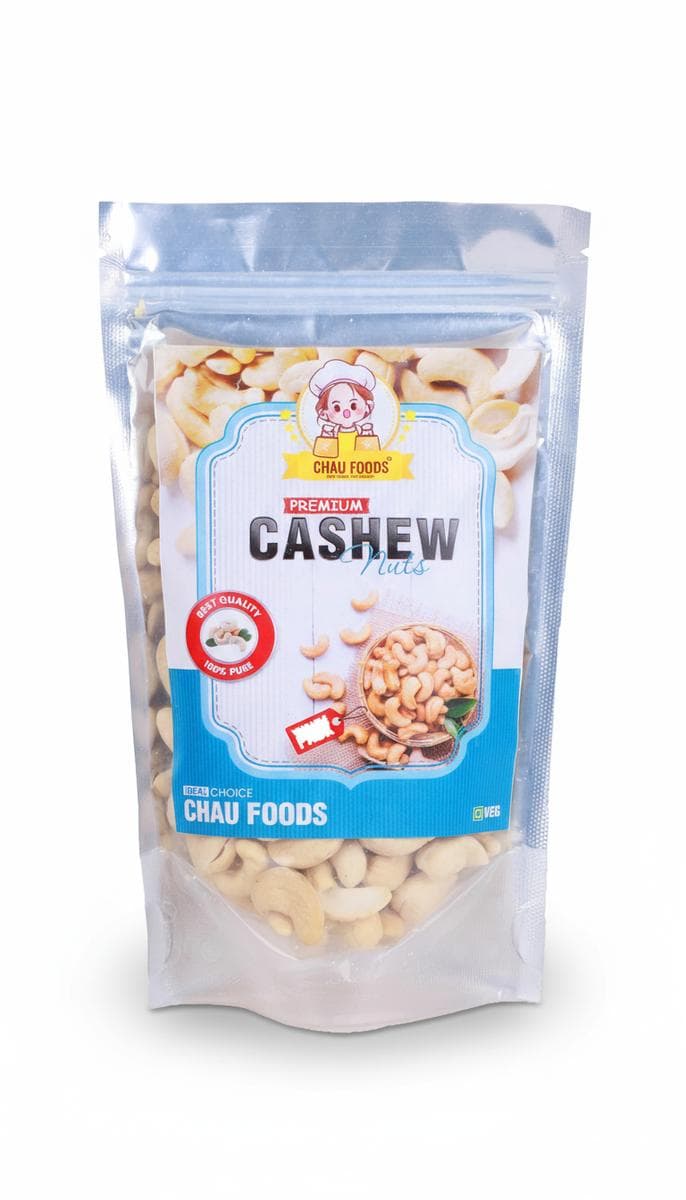
Premium W240 Cashews 🇮🇳
W240 jumbo-grade whole cashews - 18g protein, creamy, crunchy & unbroken, perfect for snacking & cooking
✓ FSSAI certified · Free delivery ₹399+
APEDA - the Agricultural and Processed Food Products Export Development Authority - is the government body responsible for regulating and promoting agricultural exports from India. For dry fruits (almonds, cashews, makhana, seeds), APEDA registration is mandatory.
Why APEDA matters:
- APEDA-registered exporters must comply with phytosanitary standards
- They maintain documented traceability of sourcing and processing
- They are audited for food safety and quality control
- APEDA registration is a legal requirement for agricultural exports to most countries
How to verify:
- Visit the APEDA exporter directory
- Search for the exporter's name and registration number
- Request the exporter send you a copy of their APEDA certificate
- Ask them which countries they are registered to export to (US, EU, Middle East, etc.)
Companies without APEDA registration cannot legally export dry fruits. If an exporter claims they can export but have no APEDA number, they are either working illegally or lying about their capabilities.
3. Ask for and Verify FSSAI Certification
FSSAI - the Food Safety and Standards Authority of India - is the regulatory body for food safety in India. Every food product, including dry fruits, must be manufactured in an FSSAI-licensed facility.
What to check:
- Request the exporter's FSSAI 14-digit licence number
- Verify it at foscos.fssai.gov.in
- Check that the licence is active (not expired)
- Confirm the licence scope includes dry fruits / nuts / seeds
- Request they provide this licence number on their commercial invoices and export documents
Why it matters: An FSSAI licence means the facility has been physically inspected for hygiene, storage conditions, water quality, pest control, employee training, and food safety protocols. Without FSSAI certification, there is no guarantee about food safety standards.
4. Request Product Samples Before Bulk Orders
Never commit to a bulk shipment without testing samples. A reputable exporter will send samples quickly and without hesitation. Poor exporters often delay samples or refuse to send them.
What to expect from a professional exporter:
- Sends samples within 24-48 hours via express courier (DHL, FedEx, UPS)
- Covers shipping costs (or at least offers it at minimal charge)
- Sends samples of actual production (not pre-selected perfect samples)
- Includes a pro forma invoice with the sample shipment
What to evaluate in samples:
- Moisture content - dry fruits should not feel damp or sticky
- Taste and flavour - almonds should be sweet, cashews mild, no bitterness
- Color uniformity - cashews should be consistent pale color, no dark spots
- Texture - almonds should snap cleanly, makhana should be crispy, seeds should be hard
- Packaging quality - check for damaged seals, signs of moisture, odours
Red flags:
- Exporter refuses to send samples
- Samples arrive in poor condition or generic packaging
- Exporter delays sample shipment by more than 3 days
- Samples taste or smell off (rancid, musty, bitter)
5. Evaluate Communication Speed and Professionalism
Featured Product
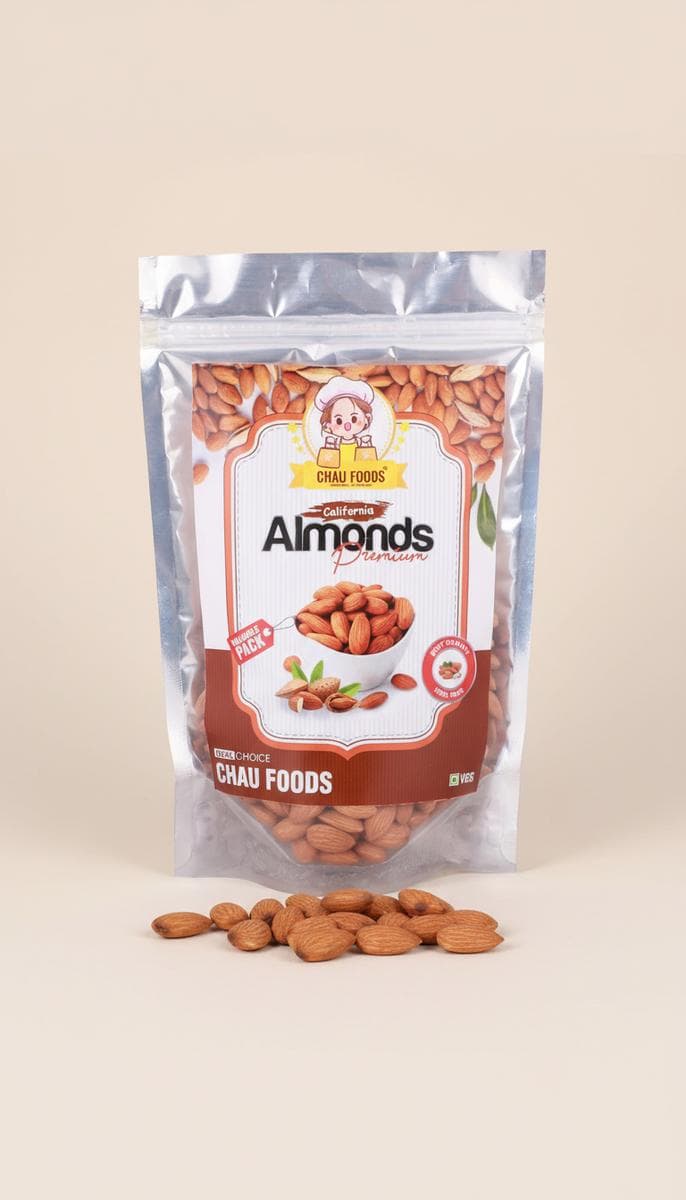
Premium California Almonds 🇺🇸
Premium California almonds - 21g protein, Vitamin E rich, ideal for daily soaking & snacking
✓ FSSAI certified · Free delivery ₹399+
How a company communicates with you before an order predicts how they will communicate during an order.
Professional exporters:
- Respond to emails within 24 hours (usually within 8 hours)
- Provide detailed quotations with clear breakdown (FOB price, unit, packaging size, minimum order)
- Answer technical questions accurately (grades, certifications, capacity)
- Send payment terms proactively (e.g., 30% advance via T/T, 70% on shipment)
- Provide a dedicated account manager or point of contact
Red flags:
- No response to emails for days
- Vague quotations ("price will be decided later")
- Unclear about minimum order quantities
- No documented payment terms or constantly changing terms
- Only available via WhatsApp (no formal email communication)
6. Check Export Track Record and References
Ask the exporter directly about their export history and request references from existing international customers.
What to ask:
- "How long have you been exporting dry fruits?"
- "Which countries do you currently export to?"
- "Can you provide references from 2-3 international buyers I can contact?"
- "What is your annual export volume?"
- "Have you ever had a shipment rejected by customs or failed quality inspection?"
Why it matters: An exporter with 5+ years of history exporting to the US, EU, or Middle East has proven they can navigate customs, meet quality standards, and fulfill international orders consistently. New exporters (less than 1 year) are higher risk.
Request contact details of 2-3 reference customers and actually call them. Ask them about:
- Quality consistency
- On-time delivery
- Responsiveness to problems
- Pricing fairness
- Would they order again?
7. Verify Pricing Transparency and Fair FOB/CIF Terms
Transparent pricing indicates an exporter that has nothing to hide. Vague or constantly changing pricing is a major red flag.
Understand the terminology:
- FOB (Free on Board): Exporter covers cost up to the port of origin. You pay shipping, insurance, and customs.
- CIF (Cost, Insurance, and Freight): Exporter covers everything including shipping to your port. Higher price, but you know total cost upfront.
Fair pricing guidance (April 2026):
- W320 Cashews (raw): FOB $2,200-2,600 per MT (₹1,700-2,100/kg in rupees)
- California Almonds: FOB $2,800-3,400 per MT
- Premium Makhana (whole): FOB $2,000-2,800 per MT
- Pricing should be consistent across multiple inquiries
Red flags in pricing:
- Price quoted is significantly lower than market rates (almost always indicates corner-cutting on quality)
- Exporter changes price daily based on whims
- Exporter refuses to quote FOB/CIF and instead gives vague "best price later" answers
- No minimum order quantity (MOQ) specified
8. Verify Complete Documentation Capability
International food exports require strict documentation. An exporter that cannot provide complete documentation will cause customs delays, potential rejections, or fines for you.
Essential export documents:
- Commercial Invoice - itemized bill with FOB/CIF price, unit count, grade, origin
- Packing List - breakdown of what is in each container or carton
- Bill of Lading (B/L) - proof of shipment from Indian port to destination
- Phytosanitary Certificate - issued by APHIS (India) confirming the product is free of pests/disease
- Certificate of Origin - confirms product is sourced and processed in India
- Lab Test Reports - FSSAI or international lab (SGS, TUV) confirming quality and safety standards
- APEDA Registration Certificate - copy of APEDA registration
An exporter should provide all of these documents without additional charges or delays.
9. Visit the Facility or Request a Virtual Tour
If feasible, visit the exporter's processing and packing facility in person. If you cannot visit, request a detailed video tour of:
- Processing equipment and hygiene standards
- Storage facilities (temperature, humidity control)
- Packing area and sealing process
- Quality testing lab
- Warehouse organization and inventory management
A professional exporter will welcome facility visits from serious buyers. An exporter that refuses or avoids facility tours is suspect.
10. Check Compliance with Your Market's Import Requirements
Different countries have different food safety standards. Before signing a contract, verify the exporter can meet your country's requirements.
Common requirements:
- USA (FDA): FSMA compliance, allergen labeling, facility registration
- EU (EFSA): MRL (maximum residue limits) for pesticides, traceability requirements
- Middle East: Halal certification, origin verification
Ask the exporter:
- "Have you exported to [my country] before?"
- "Are you familiar with [my country's] food import requirements?"
- "Can you provide [specific certification] required by my country?"
11. Watch for Major Red Flags
Do not proceed with an exporter if:
- They demand 100% payment upfront before sending samples or containers
- They have no IEC or APEDA registration
- They refuse to provide product samples
- They cannot provide FSSAI certification or references
- They have no verifiable physical address or facility
- Their price is dramatically lower than market rates
- They are unclear about documentation or capabilities
- They become evasive when asked about certifications or track record
12. Why Chau Foods Meets Every One of These Criteria
Transparency is the foundation of Chau Foods. Here is why we stand out:
- IEC Verified: CSWPM1284L - registered with DGFT and verifiable in their database
- APEDA Certified: Registered exporter of almonds, cashews, makhana, and seeds to 50+ countries
- FSSAI Licensed: Facility in Rohini, Delhi holds active FSSAI licence with full scope for dry fruits and seeds
- Product Samples: We send free samples to international buyers within 24-48 hours via DHL
- Responsive Communication: Email replies within 8 hours, dedicated account managers for each buyer
- Clear Pricing: FOB and CIF pricing published upfront, standard payment terms (30% T/T advance, 70% on B/L)
- Complete Documentation: All export documents provided without delay - commercial invoice, B/L, phytosanitary cert, APEDA certificate, lab reports
- Facility Transparency: We welcome facility visits and provide video tours for remote buyers
- International Track Record: Exporting to USA, Canada, UK, Germany, UAE, Singapore, Australia, and more for 8+ years
When you choose Chau Foods, you are not just buying dry fruits - you are partnering with a transparent, compliant, and reliable exporter backed by certifications and years of successful shipments.
Red Flags That Signal an Unreliable Exporter
Before signing any contract, watch for these warning signs that indicate an exporter may be unreliable or operating below professional standards:
No verifiable physical office or facility: A legitimate exporter operates from a registered office with a publicly verifiable address. If an exporter claims to ship from a coffee shop, a home office, or gives you a virtual address without a physical location, avoid them. Serious businesses have documented facilities; virtual-only exporters often disappear once payment is received.
Resistance to pre-shipment inspection: Every credible exporter welcomes third-party quality verification before shipment. If an exporter refuses to allow independent inspection or asks you to sign a waiver, they are hiding something. Legitimate exporters actively encourage inspections because they know their product meets standards.
Inconsistent or fluctuating pricing: If an exporter's price quotes vary dramatically depending on order size, timing, or without clear explanation, be wary. Professional exporters have standardized pricing with transparent discounts for volume. Erratic pricing often indicates they are struggling financially or intentionally misquoting.
No verifiable references from existing buyers: Ask for references from at least three importers they currently supply. If they cannot provide names and contact information (with permission to verify), they either have few buyers or the buyers had negative experiences. Reputable exporters proudly list their buyer base.
No APEDA or FSSAI credentials: Do not proceed with an exporter lacking these certifications. Period. APEDA registration is legally mandatory to export agricultural products; FSSAI certification proves food safety. Missing either is a dealbreaker. If an exporter claims they are "APEDA pending" or "recently submitted," verify this claim directly with APEDA.
Unwillingness to provide documentation in advance: Before shipment, a reliable exporter provides examples of the documents they will submit with your shipment - commercial invoice, bill of lading, phytosanitary certificate, APEDA certificate, lab test reports. If they refuse to show you sample documents, you will encounter surprises and delays at customs. At Chau Foods, we make complete export documentation available upfront so importers know exactly what to expect.
No written payment terms or contract: Professional exporters offer written purchase agreements specifying quantities, prices, payment terms, delivery timeline, and dispute resolution. If an exporter only communicates via WhatsApp, email, or phone without formal documentation, walk away. This protects both parties.
Questions Every Importer Should Ask Before Signing a Contract
Use this 10-question checklist when vetting a new dry fruits exporter. Their answers and willingness to answer openly reveal their professionalism:
- 1"Can you provide your IEC number and APEDA registration certificate (with recent validity proof)?" - Establishes legal legitimacy and allows you to independently verify.
- 1"What countries have you exported to in the past 2 years?" - Shows geographical reach and market experience. Exporters without a diverse buyer base may lack international expertise.
- 1"Can you provide 3 buyer references I can contact directly?" - Legitimate businesses welcome reference checks. References should be from different countries and different product categories.
- 1"What is your MOQ (Minimum Order Quantity) and do you have flexibility for first-time buyers?" - Standard MOQs exist (typically 500 kg - 1,000 kg), but professional exporters sometimes accommodate smaller first orders for testing.
- 1"What payment terms do you typically offer, and are you flexible on milestone-based payments?" - Standard is 30% T/T advance, 70% on bill of lading. Some exporters accept 50/50 splits or LC arrangements for established buyers.
- 1"How many days do you need to produce and ship after I place an order?" - For almonds and cashews, 2-4 weeks production is normal. Faster timelines may indicate they hold pre-made inventory (which can be aged or degraded). Longer timelines indicate they source raw materials on-demand.
- 1"Can you accommodate third-party quality inspection (SGS, Intertek, etc.) at your facility before shipment?" - Their willingness to bear this cost shows confidence in quality. Refusal is a red flag.
- 1"What documentation do you provide with each shipment, and will you cover phytosanitary certification costs?" - APEDA certificate, phytosanitary certificate, FSSAI clearance, and lab reports should be standard. They should not charge extra.
- 1"Do you have experience meeting import requirements for [my specific country]?" - If importing to the USA, EU, Middle East, or Southeast Asia, the exporter should have specific knowledge of food safety standards, testing requirements, and labeling rules unique to your market.
- 1"What is your policy if the shipment arrives damaged or quality is not as samples?" - Professional exporters offer damage replacement or partial credit. Vague responses indicate they will not stand behind their product.
Record their answers in writing and compare across exporters. The exporter who answers all 10 questions clearly, provides documentation, and offers references is worth partnering with.
---
About the Author
Chau Foods Editorial Team
This guide is written and fact-checked by the Chau Foods editorial team - a small group of FSSAI-certified food specialists based in Rohini, Delhi. Led by founder Mohit, the team combines direct farm-sourcing experience (California almonds, Bihar makhana from Darbhanga & Madhubani, Kashmir walnuts, Kerala spices) with hands-on quality control at the Chau Foods packing facility. We publish only what we would feed our own families, cite Indian nutrition data where relevant, and refresh every article when sourcing, pricing, or health guidelines change.
- Credentials
- FSSAI Lic. 13321008000704
- Based in
- Rohini, Delhi · since 2020
- Rating
- 4.9/5 · 27+ Google reviews
Keep Exploring
Shop related collections and next steps
Use this guide to compare options, then move directly into the most relevant collection, brand story, or bulk-order path.
Dry Fruits Collection
Browse premium dry fruits and pantry-friendly staples selected for everyday snacking.
Shop the collectionWhy Chau Foods
Learn more about our sourcing, freshness standards, and the quality promises behind each product we ship.
Read our storyBulk & gifting help
Need larger quantities, office snacks, festive gifting, or repeat ordering support? Start with our bulk orders page.
Start a bulk enquiry