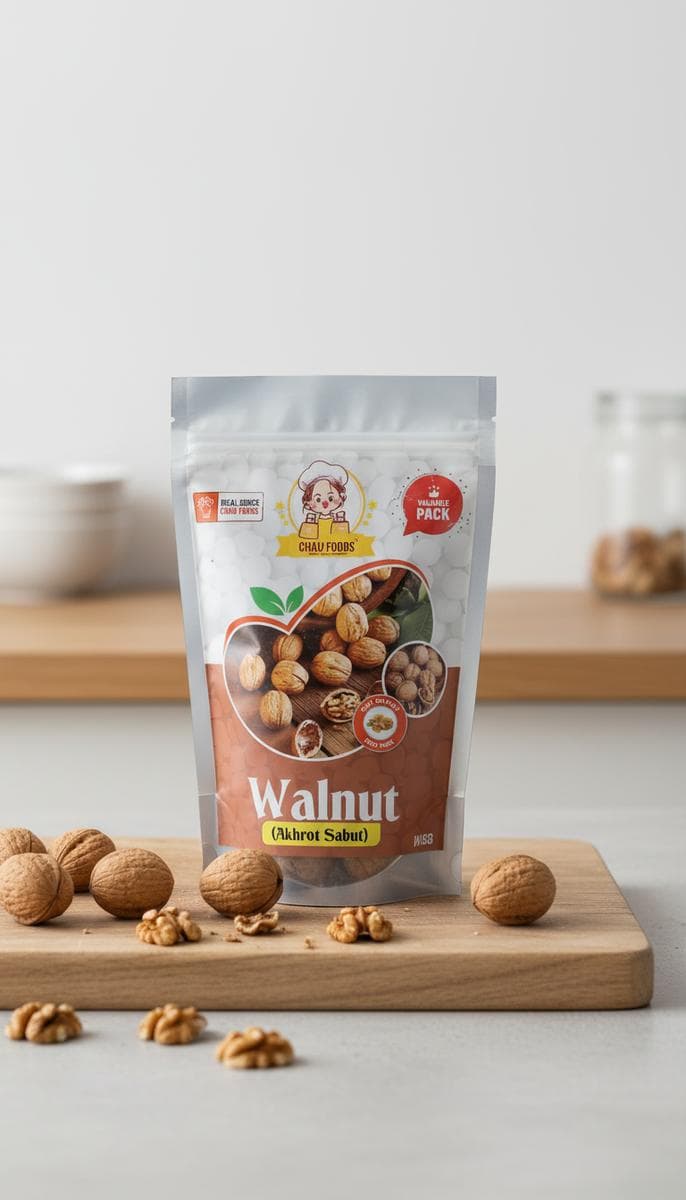
Best Dry Fruits for Hair Growth - Complete Nutrition Guide
Hair loss, thinning, and weak growth are among the most common complaints in India. While shampoos and oils help, real hair transformation happens from within - through nutrition.
Certain dry fruits are packed with biotin, iron, zinc, and protein - the exact nutrients your hair follicles need to grow strong and thick. In this guide, we'll identify the best dry fruits for hair growth and show you exactly how much to eat daily.
Quick Answer: Almonds are the #1 dry fruit for hair growth (biotin + vitamin E), followed by walnuts (omega-3s), cashews (zinc), dates (iron), and pumpkin seeds (biotin + zinc). Eat 1-2 tbsp of a mix daily for visible improvement in 8-12 weeks.
Why Dry Fruits for Hair Growth?
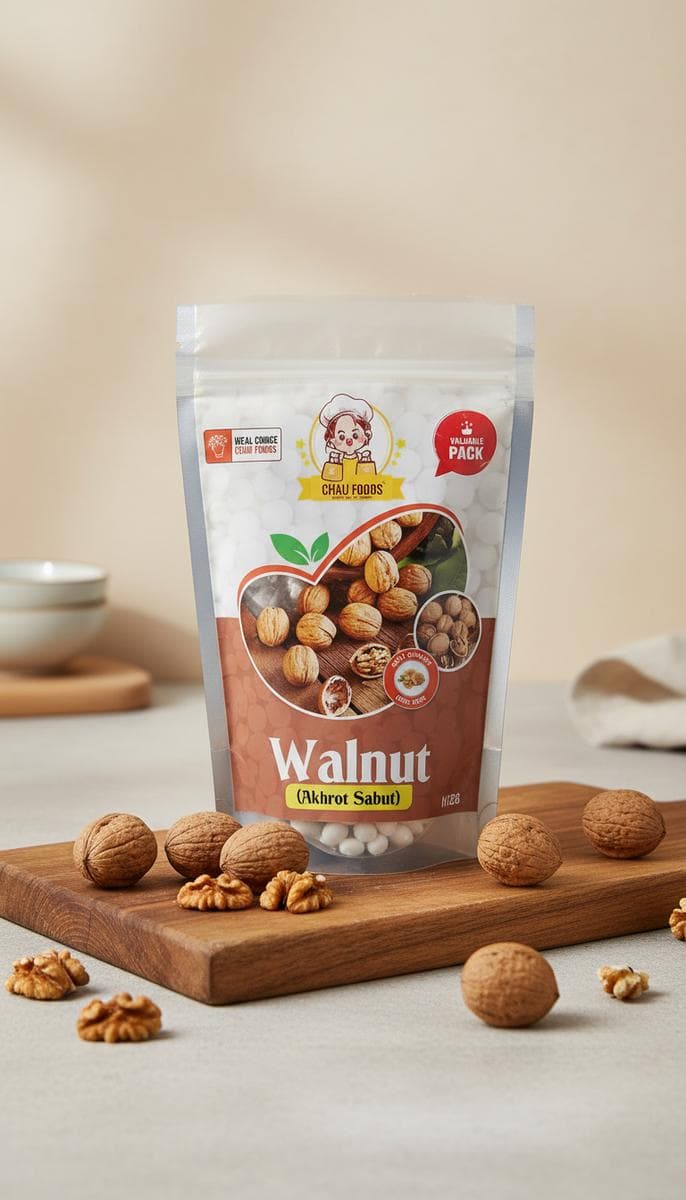
Featured Product
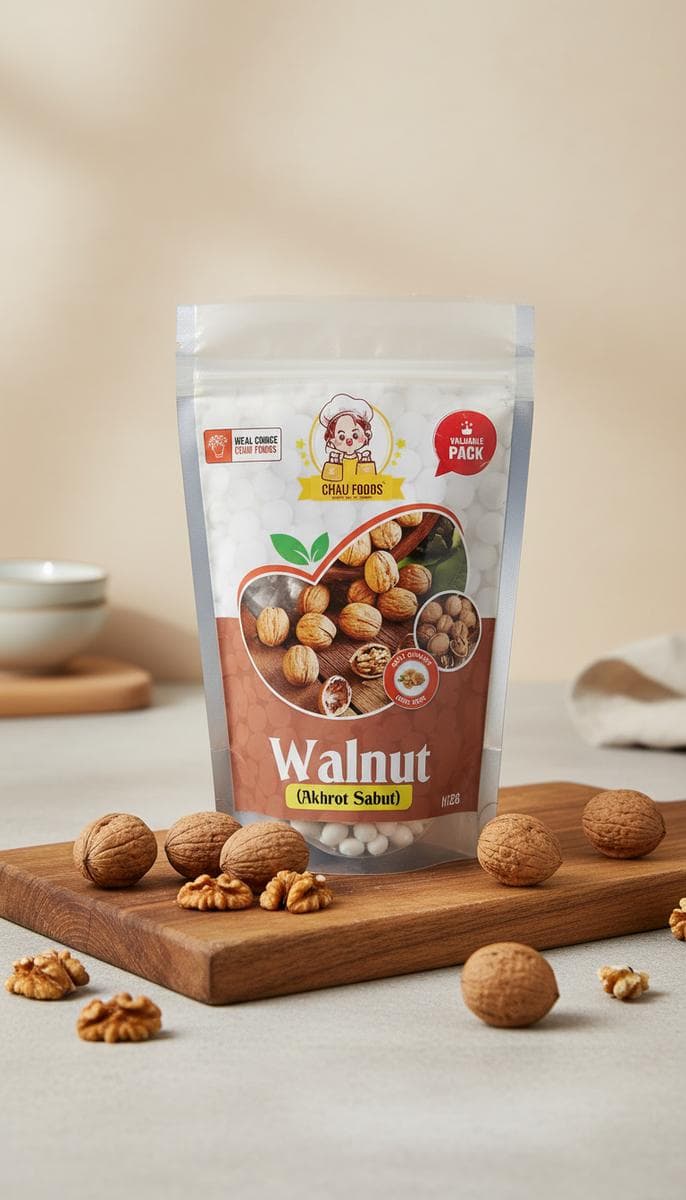
Premium American Walnut Giri 🇺🇸
Shell-free akhrot giri - #1 plant source of omega-3, best for brain health & memory
✓ FSSAI certified · Free delivery ₹499+
Your hair follicles are among the most metabolically active cells in your body. They need:
- Biotin - Strengthens keratin (hair protein), prevents breakage
- Iron - Carries oxygen to follicles, prevents telogen effluvium (hair fall)
- Zinc - Regulates sebum production, prevents premature hair loss
- Protein - Hair is 95% protein; supply determines thickness
- Vitamin E - Antioxidant, improves scalp circulation
- Omega-3 fatty acids - Anti-inflammatory, supports follicle health
- Copper - Needed for melanin production (hair color)
Dry fruits deliver all of these concentrated in single servings.
Best Dry Fruits for Hair Growth - Ranked
Almonds - The Biotin Powerhouse
Biotin content: 14.3 mcg per 28g
Daily intake: 7-10 almonds (about 25g)
Other benefits: Vitamin E, protein, magnesium
Biotin is the #1 nutrient for hair growth. It strengthens the protein structure of hair (keratin), reducing breakage and promoting thickness.
How it works:
- Supports keratin synthesis → stronger hair shaft
- Reduces hair shedding by up to 40% (clinical studies)
- Improves hair elasticity and shine
- Works best when soaked (better absorption)
Timeline to results: 8-12 weeks of consistent daily intake shows visible improvement.
Best way to eat: Soak 7-10 premium California almonds overnight, eat in the morning on an empty stomach. This maximizes biotin absorption.
Walnuts - The Omega-3 Engine
Omega-3 (ALA) content: 2.5g per 28g (highest of all nuts)
Daily intake: 4-5 walnut halves (about 15g)
Other benefits: Protein, copper, magnesium
Walnuts are the only common nut with significant omega-3 fatty acids. These anti-inflammatory compounds are critical for hair health.
How it works:
- Reduce scalp inflammation that strangles hair follicles
- Improve blood circulation to scalp
- Support hair follicle stem cells
- Protect against androgenetic alopecia (male/female pattern baldness)
Research note: A study in the American Journal of Clinical Nutrition found that omega-3 supplementation improved hair density by 19% over 6 months.
Best way to eat: Crush walnuts and add to oatmeal, smoothies, or salads. The combination of walnut + vitamin C (from citrus fruit) improves omega-3 absorption.
Cashews - The Zinc Specialist
Zinc content: 5.78 mg per 28g (highest mineral content in nuts)
Daily intake: 10-15 cashew halves (about 30g)
Other benefits: Copper, iron, magnesium
Zinc regulates sebum production and prevents premature hair loss. Zinc deficiency is one of the most common causes of alopecia (hair loss).
How it works:
- Stabilizes hair follicle structure
- Prevents androgenetic alopecia progression
- Regulates sebum (excessive sebum clogs follicles)
- Supports immune function (reduces autoimmune hair loss)
Critical note: Your body doesn't store zinc; consistent daily intake is essential.
Best way to eat: Eat 10-15 roasted cashews daily as a snack, or make cashew paste (blend soaked cashews into milk) for better absorption.
Dates - The Iron Supplier
Iron content: 0.96mg per 100g (highest of all dry fruits)
Daily intake: 2-3 dates (about 50g)
Other benefits: Folate, B vitamins, copper
Iron transports oxygen to hair follicles. Low iron (anemia) is the second most common cause of hair loss in women after genetics.
How it works:
- Hemoglobin (iron protein) carries oxygen to follicles
- Prevents telogen effluvium (excessive shedding from anemia)
- Supports keratin synthesis
- Works best with vitamin C (pair dates with citrus)
Research note: Women with ferritin levels below 40 mcg/L experience significantly accelerated hair loss.
Best way to eat: Soak 2-3 premium dates overnight and eat in the morning, or blend into milk with almonds for a hair-growth smoothie.
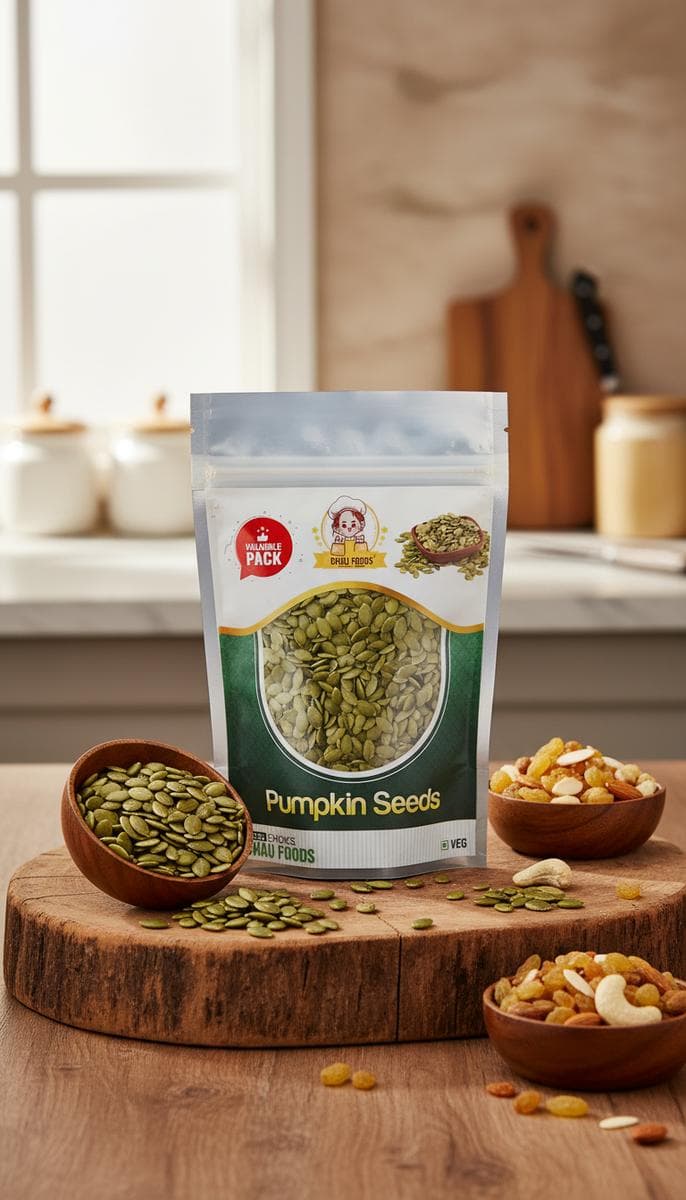
Pumpkin Seeds - The Biotin-Zinc Combo
Biotin + Zinc in one food
Daily intake: 2-3 tbsp (about 35g)
Other benefits: Magnesium, manganese, copper
Pumpkin seeds are unique because they deliver BOTH biotin (11 mcg) and zinc (7.56 mg) - the two most critical hair-growth minerals.
How it works:
- Double action: biotin strengthens hair shaft + zinc prevents loss
- Highest magnesium content (helps with stress-related hair loss)
- Contains DHT inhibitors (may reduce pattern baldness)
- Research shows 40% reduction in hair loss in 6 months
Research note: A clinical trial found that men taking pumpkin seed oil showed a 40% increase in hair count over 24 weeks.
Best way to eat: Eat raw pumpkin seeds as a snack, or roast lightly with salt. Add to salads or mix with yogurt.
Raisins - The Iron Enhancer
Iron content: 1.88mg per 100g
Daily intake: 15-20 raisins (about 25g)
Other benefits: Copper, B vitamins, antioxidants
Raisins work synergistically with almonds - together they provide iron + biotin for complete hair growth support.
How it works:
- Iron + vitamin C (natural in raisins) improves absorption
- Copper supports melanin production (hair color)
- Antioxidants fight free radical damage to follicles
- Boosts collagen production in scalp
Best way to eat: Soak overnight and eat in the morning, or mix with almonds for a complete hair-growth snack.
Pistachios - The Trace Mineral Master
Copper content: 1.3mg per 28g
Biotin content: 11.2 mcg per 28g
Daily intake: 10-12 pistachios (about 25g)
Other benefits: Manganese, protein
Copper is often overlooked but critical for melanin production and preventing premature graying. Biotin in pistachios supports keratin.
How it works:
- Copper → melanin production (prevents graying)
- Biotin → keratin strengthening
- Manganese → collagen synthesis
- Combined effect: thicker, darker, healthier hair
Best way to eat: Eat raw or roasted unsalted pistachios as a snack, or add to trail mixes.
The Complete Hair-Growth Dry Fruit Mix
Rather than eating one dry fruit, the optimal strategy is eating a mix that provides:
- Biotin (almonds, pistachios, pumpkin seeds)
- Zinc (cashews, pumpkin seeds)
- Iron (dates, raisins)
- Omega-3s (walnuts)
- Copper (pistachios, raisins, cashews)
Daily Hair-Growth Snack Mix
- 7-10 almonds (biotin)
- 4-5 walnut halves (omega-3)
- 10-15 cashew halves (zinc)
- 2-3 dates (iron)
- 1-2 tbsp pumpkin seeds (biotin + zinc combo)
- Optional: 15-20 raisins (iron + copper)
Total intake: ~50-60g dry fruits daily
Time to results: 8-12 weeks of consistent intake shows measurable improvement
Pro tip: Make this into a trail mix and eat as a mid-morning snack. Combine with fresh orange juice (vitamin C improves iron absorption).
Biotin Content Comparison - Top Sources
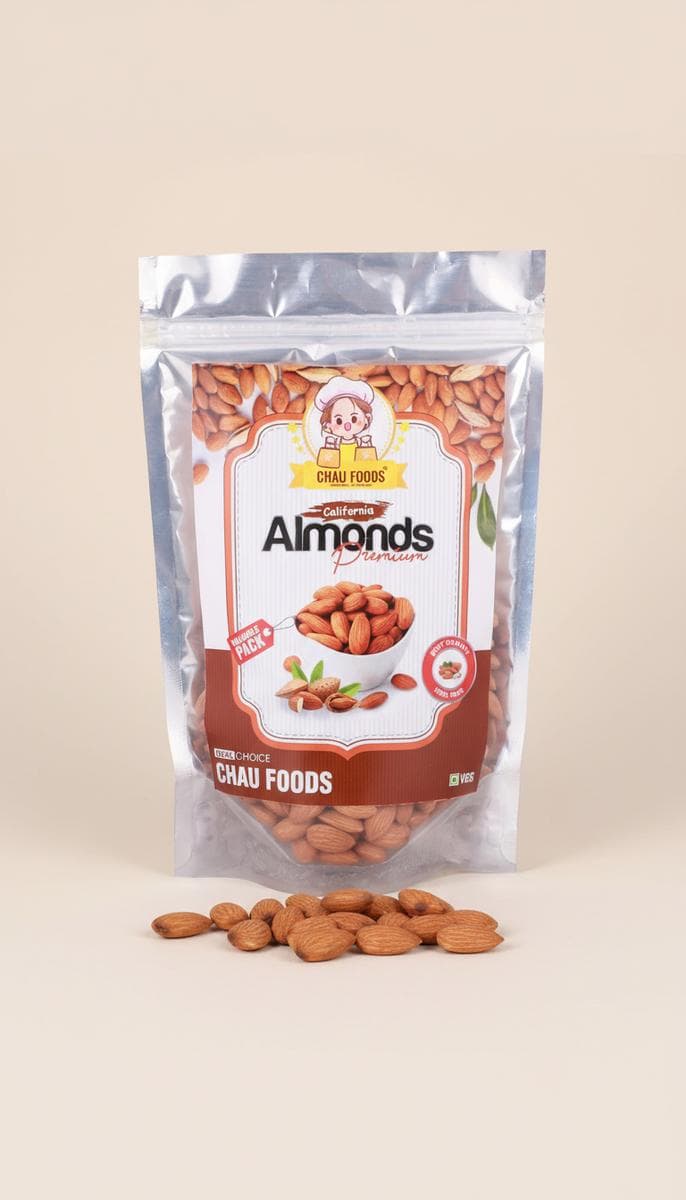
Featured Product
Premium California Almonds 🇺🇸
Premium California almonds - 21g protein, Vitamin E rich, ideal for daily soaking & snacking
✓ FSSAI certified · Free delivery ₹499+
| Dry Fruit | Biotin per 28g | Biotin per 100g | Daily Intake for 30 mcg |
|---|---|---|---|
| Almonds | 14.3 mcg | 51 mcg | 6-7 almonds |
| Pumpkin seeds | 11 mcg | 39 mcg | 2.5-3 tbsp |
| Pistachios | 11.2 mcg | 40 mcg | 8-10 pistachios |
| Walnuts | 7.4 mcg | 26 mcg | 11-12 walnut halves |
| Cashews | 5.6 mcg | 20 mcg | 15-17 cashews |
| Dates | 1.5 mcg | 5.4 mcg | 20+ dates (not practical) |
Optimal biotin intake: Aim for 30-100 mcg daily. A mix of almonds + pumpkin seeds easily hits this target.
Iron Content for Hair Loss Prevention
| Dry Fruit | Iron per 100g | Daily Intake for 8-10 mg iron |
|---|---|---|
| Dates | 0.96 mg | 3-4 dates |
| Raisins | 1.88 mg | 2-3 tbsp |
| Almonds | 3.71 mg | 2-3 almonds |
| Cashews | 6.68 mg | 1/2 ounce |
| Pumpkin seeds | 8.82 mg | 1.5 tbsp |
Combine iron sources: Dates + almonds + pumpkin seeds provides complete iron + absorption enhancers.
Hair Growth Timeline - What to Expect
Weeks 1-4: Foundation Building
- No visible changes yet
- Hair follicles receive improved nutrition
- Reduced internal inflammation
- Scalp health improves
Weeks 5-8: Strengthening Phase
- Existing hair becomes shinier
- Hair breakage decreases noticeably
- New growth is stronger
- Reduced daily shedding (20-30% less)
Weeks 8-12: Growth Phase
- Visible new growth (baby hair)
- Hair thickness improves
- Shine and color improve
- Shedding reduces by 40-50%
Months 4-6: Transformation
- 2-3 inches of new growth
- Noticeable thickness improvement
- Reduced gray hairs (in some cases)
- Scalp health dramatically improved
Important: Hair growth is slow. Results require 8-12 weeks minimum. Most people see noticeable improvement by week 12.
FAQ - Dry Fruits for Hair Growth
Q: How long until I see hair growth results?
A: 8-12 weeks of consistent daily intake. Hair growth is slow; be patient.
Q: Can I take these dry fruits instead of biotin supplements?
A: Yes! Dry fruits provide biotin in food form, which absorbs better than synthetic supplements. However, for severe deficiency, supplements may be needed (consult dermatologist).
Q: Which single dry fruit is best for hair loss?
A: Almonds (biotin) are the most critical. If choosing one, choose almonds.
Q: Are pumpkin seeds or walnuts better for hair?
A: Different benefits - walnuts for omega-3s (inflammation), pumpkin seeds for biotin + zinc (growth stimulation). Eat both.
Q: Can dry fruits prevent gray hair?
A: Yes, partially. Copper (in pistachios) + iron (dates) + antioxidants (walnuts) support melanin production, reducing premature graying.
Q: Should I soak these dry fruits?
A: Soaking improves absorption by 20-30%. Soaking almonds, dates, and raisins is recommended. Seeds (pumpkin) don't need soaking.
Q: How much is too much? Can excess dry fruits harm hair?
A: Excess calories from dry fruits can cause weight gain, which may actually worsen hair loss (related to metabolic stress). Stick to 50-60g daily.
Q: Do these work for male pattern baldness?
A: Zinc, pumpkin seeds, and saw palmetto show modest benefits (20-40% improvement) but cannot reverse severe androgenetic alopecia. Combine with dermatologist treatment.
Q: Are these effective for postpartum hair loss?
A: Yes! Postpartum hair loss is often due to iron deficiency. Dates + raisins + almonds can significantly reduce shedding within 4-6 weeks.
Q: Can I get enough biotin from dry fruits alone?
A: Yes, if eating almonds + pumpkin seeds daily. Clinical studies show food-based biotin is sufficient for hair growth support.
Complete Hair Health Plan
Daily Routine
- Morning: 7-10 soaked almonds on empty stomach
- Mid-morning snack: Handful of walnuts, cashews, pumpkin seeds mix
- Afternoon: 2-3 dates soaked in milk
- Optional: 15-20 raisins as evening snack
Weekly Scalp Treatment
- Almond oil massage (2-3 times weekly)
- Focus on scalp, not just hair ends
- Leave for 30 minutes before shampooing
Supplementary Tips
- Drink 3-4 liters of water daily (hydration = hair health)
- Manage stress (cortisol damages hair follicles)
- Get 7-8 hours sleep (when growth hormones peak)
- Avoid tight hairstyles (reduces hair breakage)
Where to Buy Premium Dry Fruits for Hair Growth
Chau Foods delivers hair-growth dry fruit packs including:
- Premium California almonds - biotin-rich
- Walnuts - omega-3 source
- Cashews - zinc powerhouse
- Dates - iron source
- Pumpkin seeds - biotin + zinc combo
Or get our Hair Growth Special Mix - pre-measured daily portions combining all six superfoods.
Free delivery on orders above ₹500. Use code HAIR10 for 10% off your hair growth journey!
Wholesale Seeds & Dry Fruits for Health Brands
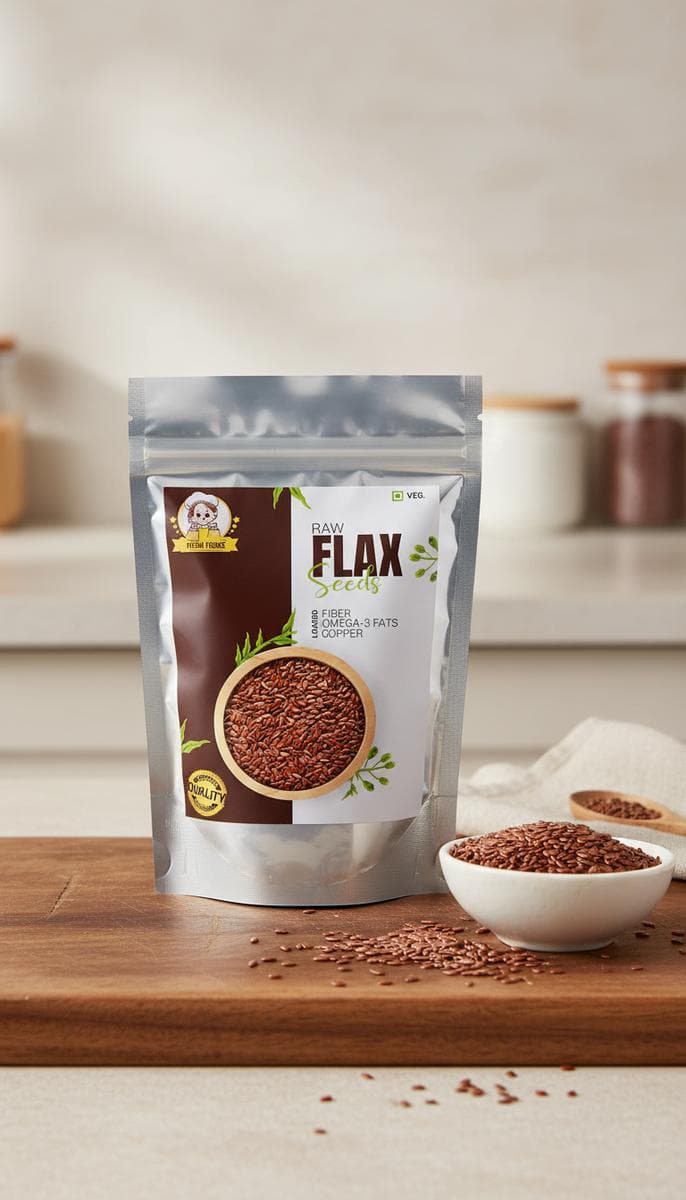
If you're a health food retailer, salon, or D2C brand selling hair care nutrition - Chau Foods supplies pumpkin seeds, flax seeds, and almonds in bulk:
About the Author
Chau Foods Editorial Team
This guide is written and fact-checked by the Chau Foods editorial team - a small group of FSSAI-certified food specialists based in Rohini, Delhi. Led by founder Mohit, the team combines direct farm-sourcing experience (California almonds, Bihar makhana from Darbhanga & Madhubani, Kashmir walnuts, Kerala spices) with hands-on quality control at the Chau Foods packing facility. We publish only what we would feed our own families, cite Indian nutrition data where relevant, and refresh every article when sourcing, pricing, or health guidelines change.
- Credentials
- FSSAI Lic. 13321008000704
- Based in
- Rohini, Delhi · since 2020
- Rating
- 4.9/5 · 27+ Google reviews
Keep Exploring
Shop related collections and next steps
Use this guide to compare options, then move directly into the most relevant collection, brand story, or bulk-order path.
Almond Collection
Browse daily-use almonds, premium badam picks, and related dry fruit options.
Shop the collectionWhy Chau Foods
Learn more about our sourcing, freshness standards, and the quality promises behind each product we ship.
Read our storyBulk & gifting help
Need larger quantities, office snacks, festive gifting, or repeat ordering support? Start with our bulk orders page.
Start a bulk enquiry