Buy online
Freshly packed, delivered in 3 to 5 days
Free delivery on orders ₹399+ · Cash on Delivery available
Raw vs Roasted Almonds: The Nutrition Debate Explained
Every Indian household has an "almond expert" - usually a grandmother insisting that almonds MUST be soaked, or a modern fitness influencer swearing by raw almonds straight from the pouch. Who's right?
The truth is more nuanced. Raw, roasted, and soaked almonds each have distinct advantages. The best almond for you depends on your health goals, digestion, and lifestyle.
Quick Answer: Soaked raw almonds are best for maximum nutrient absorption. Roasted almonds are convenient and safe for large-scale eating. Raw almonds are second best. The difference is small - consistency matters more than format.
Raw vs Roasted Almonds - Nutrition Comparison
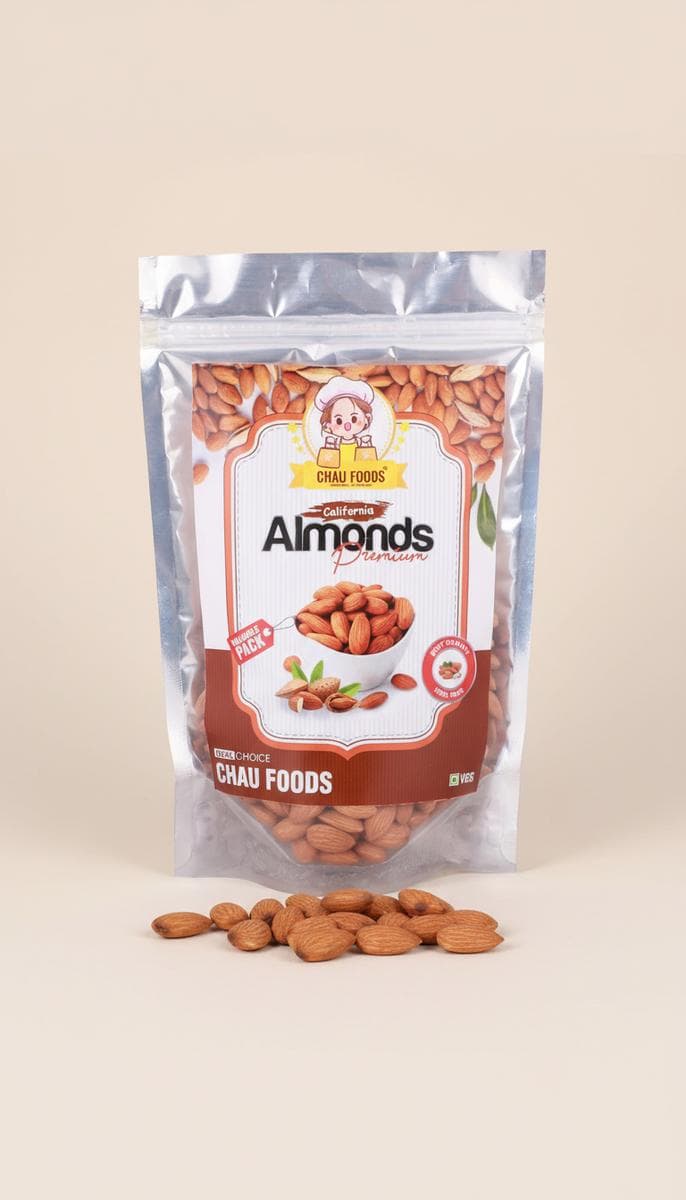
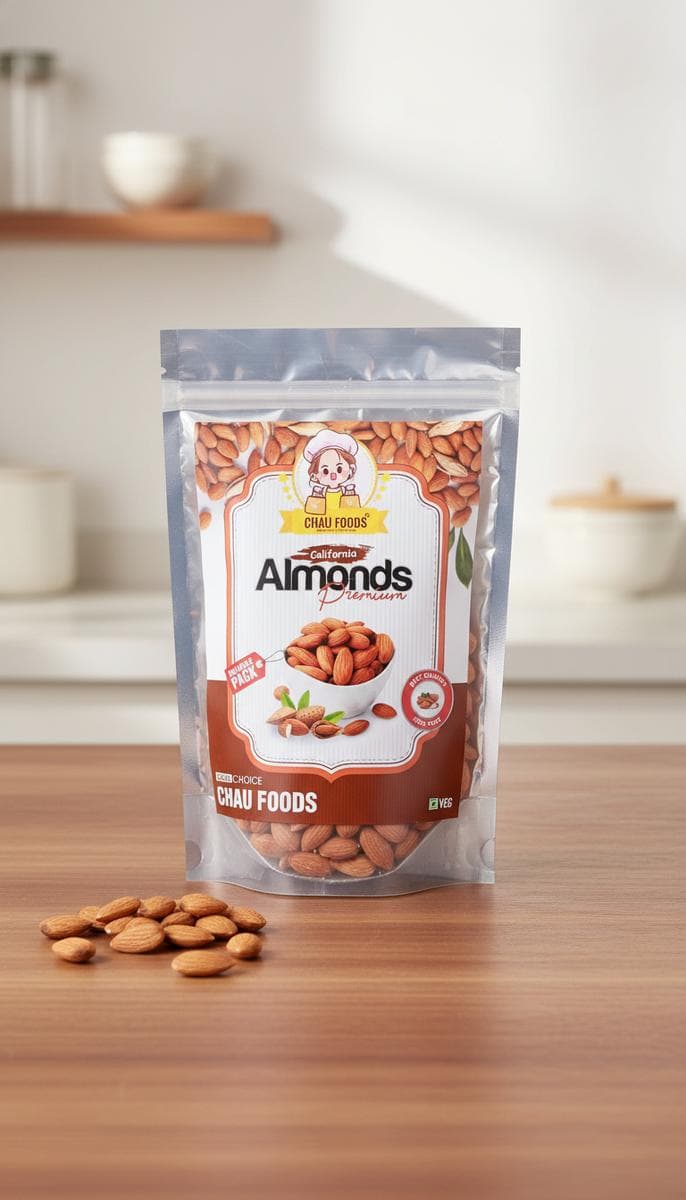
Featured Product
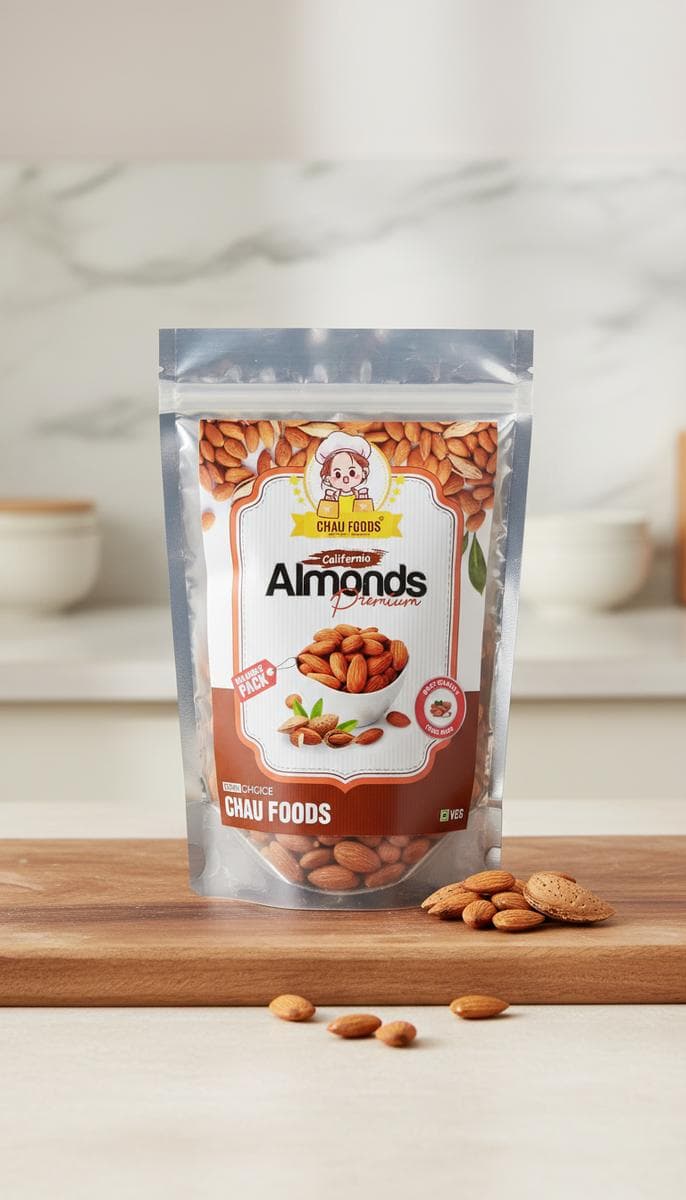
Premium California Almonds 🇺🇸
Premium California almonds — 21g protein, Vitamin E rich, ideal for daily soaking & snacking
✓ FSSAI certified · Free delivery ₹399+
| Nutrient | Raw Almonds | Roasted Almonds | Soaked Raw Almonds | Winner |
|---|---|---|---|---|
| Protein (per 28g) | 6.1g | 6g | 6.1g | Raw/Soaked (tied) |
| Fat (total) | 14.4g | 14.7g | 14.4g | Raw (marginally) |
| Fiber | 3.5g | 3.4g | 3.5g | Raw/Soaked (tied) |
| Vitamin E | 25.6mg | 22.5mg | 25.6mg | Raw/Soaked (higher) |
| Calcium | 76mg | 75mg | 76mg | Raw/Soaked (tied) |
| Magnesium | 76mg | 76mg | 76mg | Tied |
| Bioavailability | 70% | 65% | 90% | Soaked (highest) |
| Phytic Acid | High | Medium | Very Low | Soaked (best) |
| Enzyme Inhibitors | High | Reduced | Removed | Soaked (eliminated) |
The nutrition panel shows raw and roasted almonds are nearly identical. The real difference lies in bioavailability - how much nutrition your body actually absorbs.
Why Soaking Makes a Difference
Raw almonds contain phytic acid and enzyme inhibitors - natural compounds that protect the seed but also bind minerals, making them harder for your body to absorb.
What Soaking Does (8-12 Hours)
- 1Removes phytic acid - Improves mineral absorption by up to 20-30%
- 2Activates enzymes - Makes protein more bioavailable
- 3Softens the skin - Easier to digest
- 4Reduces tannins - Decreases bitterness, improves taste
- 5Triggers sprouting - Increases nutrient density and enzyme content
Real-world impact: Your body absorbs 90% of soaked almond nutrients vs 70% of raw almonds - a significant 20% difference over time.
The Problem with Roasting
Roasting heats almonds to 160-170°C, which:
- Denatures some heat-sensitive B vitamins
- Slightly oxidizes healthy fats
- Reduces enzyme activity
- BUT also reduces phytic acid (some benefit)
Roasting reduces bioavailability to ~65% - lower than both raw and soaked.
Vitamin E Content: Raw Almonds Win
Raw almonds contain slightly more Vitamin E (25.6mg) than roasted (22.5mg) per 28g serving. This is notable because:
- Vitamin E is fat-soluble and heat-sensitive
- Roasting causes slight oxidation loss
- Soaking preserves all vitamin E
- The difference is small (~10%) but measurable
Implication: If Vitamin E absorption is your goal, prioritize soaked raw almonds.
Taste & Convenience: Roasted Almonds Win
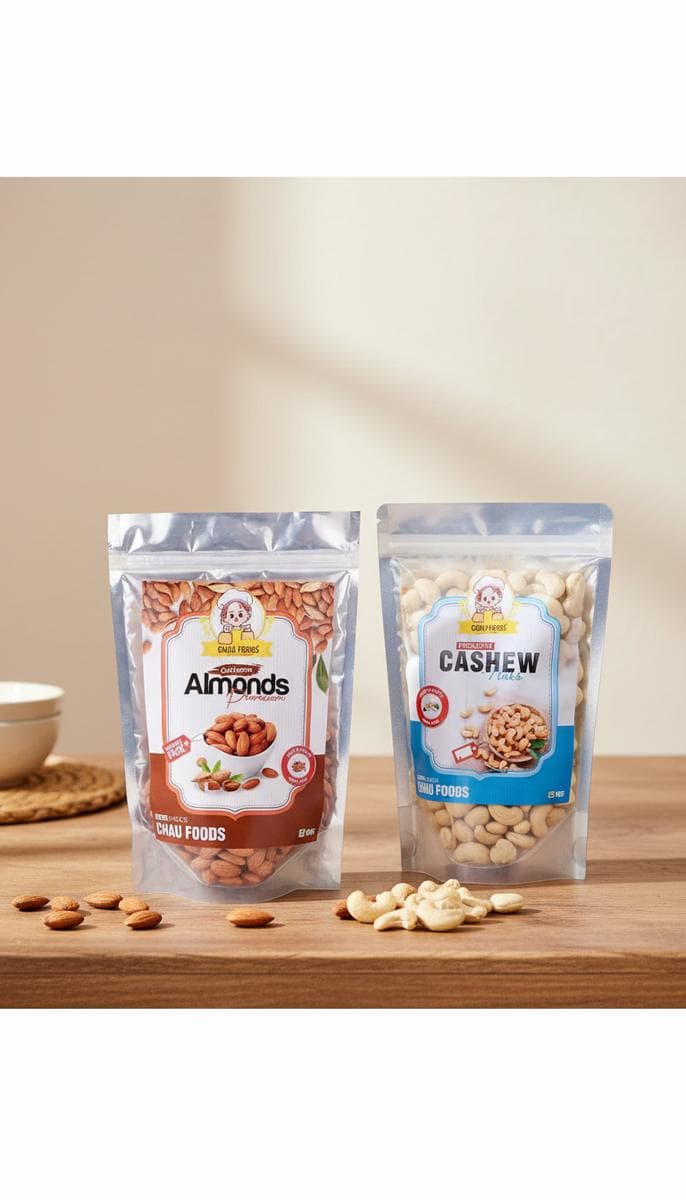
Featured Product
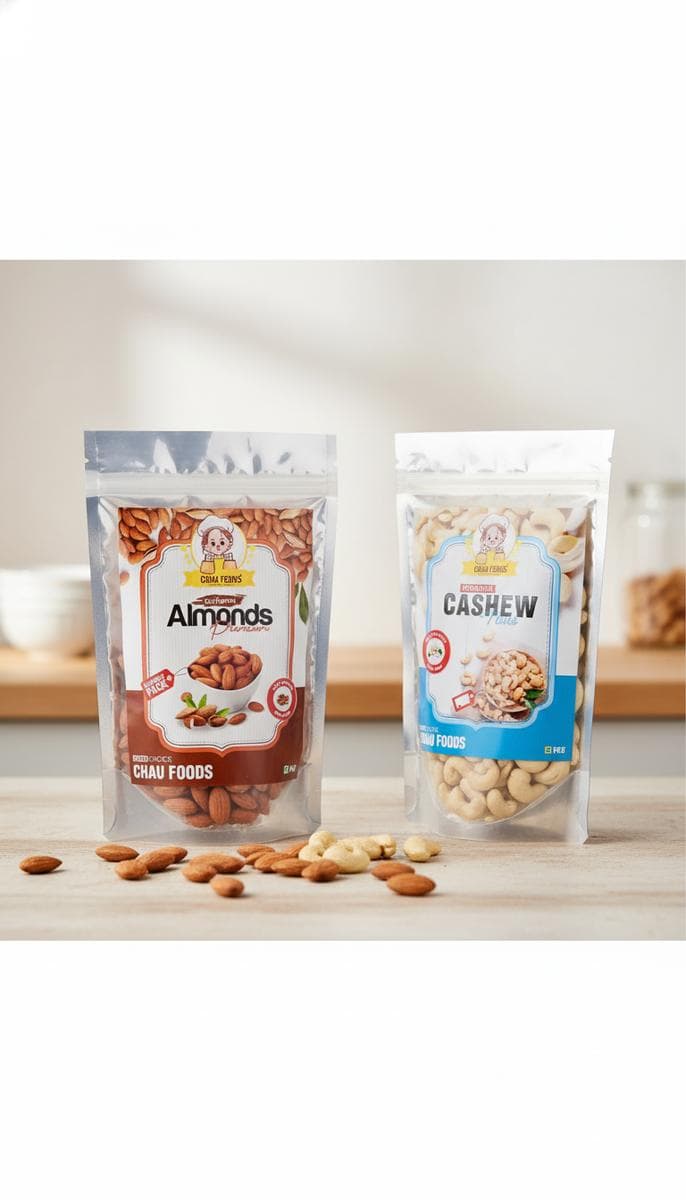
Combo Almond + Cashew
Almond + cashew combo — 400g of India's favourite dry fruits, save more vs buying separately
✓ FSSAI certified · Free delivery ₹399+
- Raw almonds: Slightly bitter from tannins, firmer texture, less flavorful
- Roasted almonds: Deeper, nuttier taste, more convenient (eat straight from pouch), better for snacking
- Soaked almonds: Mild, slightly sweet taste, soft texture, requires planning
For most people, roasted almonds' superior taste and convenience make them easier to eat consistently. And remember: the best almond is the one you actually eat every day.
Bioavailability: Soaked Raw Almonds Win Decisively
Despite roasting removing some phytic acid, soaked raw almonds still have the highest bioavailability at ~90%. Here's why:
- 1Soaking removes ALL phytic acid (not just some)
- 2Removes enzyme inhibitors completely
- 3Activates dormant enzymes
- 4Makes minerals immediately available to your body
This is the biggest nutritional advantage of soaking.
A consistent practice of eating 7-10 soaked almonds daily will deliver more absorbable nutrition than eating raw or roasted almonds inconsistently.
Digestibility: Soaked Raw Almonds Are Easiest
Raw almonds can cause digestive discomfort in some people:
- Tight skin is hard to digest
- Phytic acid binds digestive enzymes
- May cause constipation or bloating if eaten in large quantities
Soaked almonds are easiest on the stomach because:
- Skin is removed easily (comes off after soaking)
- Digestive enzymes are activated
- Phytic acid is eliminated
- Easier passage through GI tract
If you have a sensitive stomach, soaking is non-negotiable.
Safety Considerations
Raw Almonds - Pasteurization Issue
Most "raw" almonds sold in India are actually pasteurized for food safety (heat-treated at lower temperatures than roasting to kill potential pathogens like salmonella).
Read labels carefully: True raw, unpasteurized almonds are rare in commercial markets.
Roasted Almonds - More Food-Safe
Roasting kills pathogens effectively, making roasted almonds safer for people with compromised immune systems (pregnant women, immunocompromised individuals, elderly).
Soaked Almonds - Mold Risk
If you soak almonds, use clean water and don't let them sit longer than 12 hours at room temperature (or they may develop mold). Always store in the refrigerator after soaking.
Best Preparation Method by Goal
For Maximum Nutrient Absorption
Best practice: Soaked raw almonds
- 1Soak 7-10 almonds in filtered water overnight (8-12 hours)
- 2Drain water, gently peel off skin
- 3Eat on empty stomach in the morning
- 4Absorb ~90% of nutrients
For Convenience & Taste
Best practice: Roasted almonds
- 1Buy premium roasted almonds from certified sellers (like Chau Foods)
- 2Eat 10-15 almonds as a mid-morning snack
- 3No preparation needed
- 4Absorb ~65% of nutrients
For Weight Loss & Satiety
Best practice: Soaked almonds in milk
- 1Soak almonds overnight
- 2Blend soaked almonds into warm milk
- 3Drink as a bedtime drink (magnesium aids sleep)
- 4High satiety + better absorption
For Muscle Building & Protein
Best practice: Roasted almonds post-workout
- 1Eat 15-20 roasted almonds within 30 minutes of exercise
- 2Pair with a carbohydrate (banana, dates)
- 3Easy to consume immediately
- 4Protein + fat support muscle recovery
Soaking Almonds - Step-by-Step Guide
How to Soak Almonds
Step 1: Take 7-10 almonds, place in a glass
Step 2: Cover with filtered water, add a pinch of sea salt (optional, aids mineral absorption)
Step 3: Let sit at room temperature for 8-12 hours (overnight is perfect)
Step 4: In the morning, drain water completely
Step 5: Gently rub between your fingers to remove thin brown skin
Step 6: Eat immediately or store in refrigerator for up to 48 hours
Why Brown Skin Removal Matters
The brown almond skin contains the most phytic acid and tannins. Removing it dramatically improves digestibility and taste.
Storage After Soaking
- At room temperature: Max 6 hours (risk of mold)
- In refrigerator: Up to 48 hours in an airtight container
- In freezer: Up to 1 month (retain nutrition)
Cost & Shelf Life
- Raw almonds: Similar price to roasted, shelf life 1-2 years (room temp)
- Roasted almonds: May be slightly cheaper, shelf life 1-2 years
- Soaked almonds: No additional cost (you soak yourself), must be eaten within 48 hours
No pricing advantage to either format. Choose based on your lifestyle and nutrition goals.
Which Form for Different Groups?
For Young Children (3-8 years)
Best: Soaked raw almonds (peeled)
- Easier to chew and digest
- No choking risk
- Better absorption for growing bodies
For Adults
Best: Roasted almonds for daily snacking + soaked almonds weekly
- Convenience of roasted for consistency
- Benefits of soaked for optimal absorption
- Hybrid approach is practical
For Elderly & Sensitive Digestion
Best: Soaked raw almonds or almond milk
- Easiest to digest
- No digestive strain
- Maximum nutrient absorption
For Athletes & Bodybuilders
Best: Roasted almonds post-workout (convenience) + soaked for overall absorption
- Need the immediate nutrition post-workout
- Roasted = faster consumption
- Soaked = rest day absorption
For Pregnant Women
Best: Soaked raw almonds (7-10 daily)
- Maximum folate & calcium absorption
- Easiest on pregnancy digestion
- Best for fetal development
FAQ - Raw vs Roasted Almonds
Q: Are raw almonds or roasted almonds more nutritious?
A: Soaked raw almonds are most nutritious (90% bioavailability), followed by raw (70%), then roasted (65%). But this small difference is negligible if you eat roasted consistently.
Q: Can I eat roasted almonds on an empty stomach?
A: Yes, though they may not absorb as well as soaked. Empty stomach eating is ideal for nutrient absorption, but roasted almonds are still beneficial.
Q: Do I have to soak almonds every day?
A: No, but soaking 3-4 times weekly for soaked almonds + eating roasted other days balances convenience and nutrition.
Q: Is the almond skin toxic?
A: No, the skin is not toxic. It contains tannins that are harmless but reduce taste and absorption. Removing it improves both.
Q: Can I soak almonds for 24 hours?
A: Beyond 12 hours, mold risk increases. Stick to 8-12 hours max. If soaking in refrigerator, 24 hours is safe.
Q: Are pasteurized "raw" almonds safe?
A: Yes, pasteurized raw almonds have been heat-treated to eliminate pathogens but are still lower temperature than roasting. They're safe and effective.
Q: Which almond form has the most vitamin E?
A: Soaked raw almonds retain the most vitamin E (25.6mg per 28g) since vitamin E is fat-soluble and heat-sensitive. Roasting causes slight loss.
Q: Can diabetics eat roasted vs raw almonds?
A: Both are excellent for diabetics (low GI of 0). Soaked is marginally better for blood sugar stability, but roasted is fine if consumed consistently.
Key Takeaway
Bottom Line
Soaked raw almonds are the gold standard for maximum nutrient absorption and digestibility. Soak 3-4 times per week for best results.
Roasted almonds are the practical choice for everyday snacking. Their superior taste and convenience mean you're more likely to eat them consistently - and consistency beats perfection.
The real difference is small. Whether raw or roasted, eating almonds daily will transform your health. Pick the format you'll stick with and eat 7-10 almonds every single day.
Want premium almonds in both formats? Chau Foods delivers roasted California almonds for convenient snacking and raw almonds for soaking. Start your almond journey today. Free delivery on orders above ₹399.
Editorial Note
How we publish Chau Foods blog guides
This article is published by the Chau Foods editorial team for general food education, ingredient guidance, and shopping support. It is not a substitute for medical advice, diagnosis, or treatment.
Reader Checklist
- Published on 20 April 2026
- Last reviewed and updated on 20 April 2026 by the Chau Foods editorial team.
- Use this guide for food education and buying decisions, not medical treatment.
- If you have allergies or a clinical diet plan, check with a qualified professional first.
About the Author
Chau Foods Editorial Team
This guide is written and fact-checked by the Chau Foods editorial team - a small group of FSSAI-certified food specialists based in Rohini, Delhi. Led by founder Mohit, the team combines direct farm-sourcing experience (California almonds, Bihar makhana from Darbhanga & Madhubani, Kashmir walnuts, Kerala spices) with hands-on quality control at the Chau Foods packing facility. We publish only what we would feed our own families, cite Indian nutrition data where relevant, and refresh every article when sourcing, pricing, or health guidelines change.
- Credentials
- FSSAI Lic. 13321008000704
- Based in
- Rohini, Delhi · since 2020
- Rating
- 4.9/5 · 27+ Google reviews
Keep Exploring
Shop related collections and next steps
Use this guide to compare options, then move directly into the most relevant collection, brand story, or bulk-order path.
Almond Collection
Browse daily-use almonds, premium badam picks, and related dry fruit options.
Shop the collectionWhy Chau Foods
Learn more about our sourcing, freshness standards, and the quality promises behind each product we ship.
Read our storyBulk & gifting help
Need larger quantities, office snacks, festive gifting, or repeat ordering support? Start with our bulk orders page.
Start a bulk enquiry