Buy online
Freshly packed, delivered in 3 to 5 days
Free delivery on orders ₹399+ · Cash on Delivery available
Makhana vs Popcorn: The Great Snack Battle
If you're trying to eat healthy but can't resist a crunchy, satisfying snack, you've probably wondered: is makhana or popcorn the better choice?
Both are low-calorie, whole-grain snacks that have taken over the fitness world. But they're fundamentally different foods with distinct nutritional profiles. Let's compare them side-by-side.
Quick Answer: Makhana is the superior choice for weight loss, blood sugar control, and satiety. Popcorn is a close second if air-popped (not buttered) and made mindfully.
Makhana vs Popcorn - Nutrition Facts Comparison
Featured Product
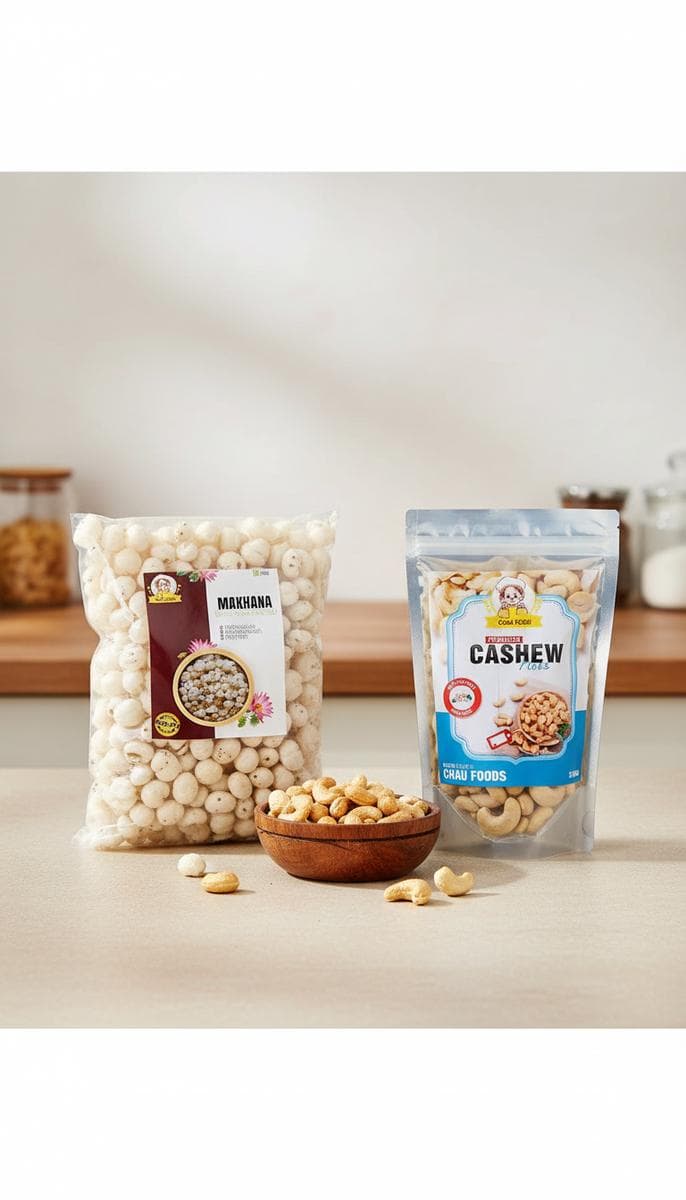
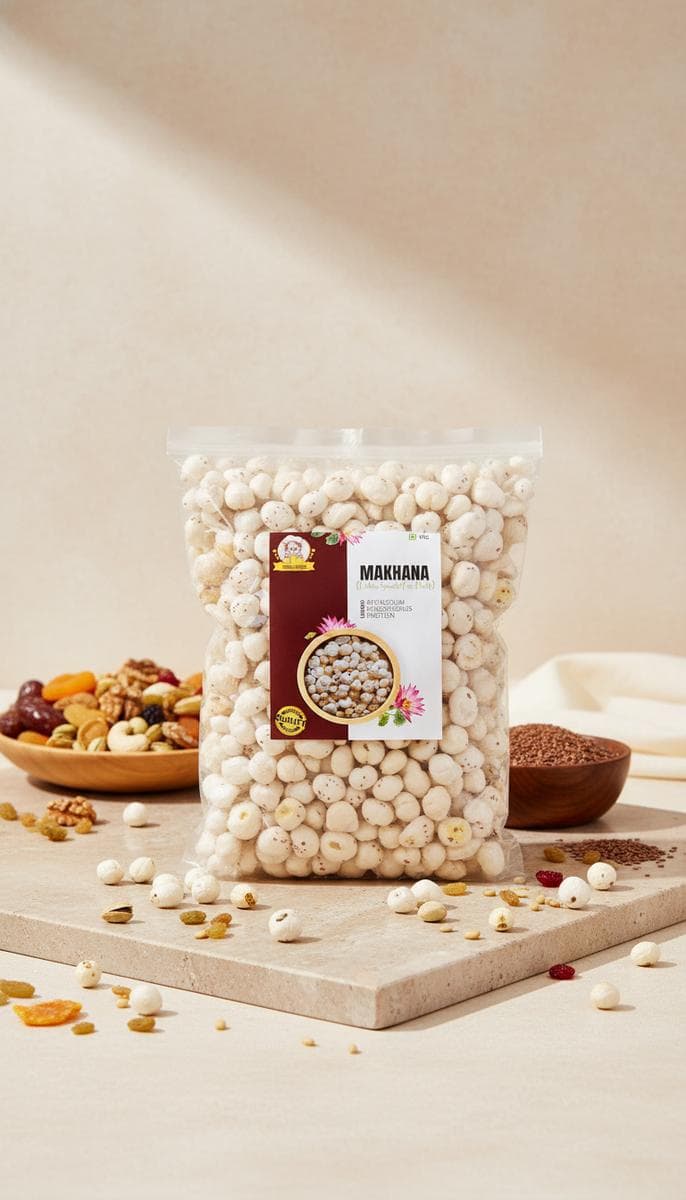
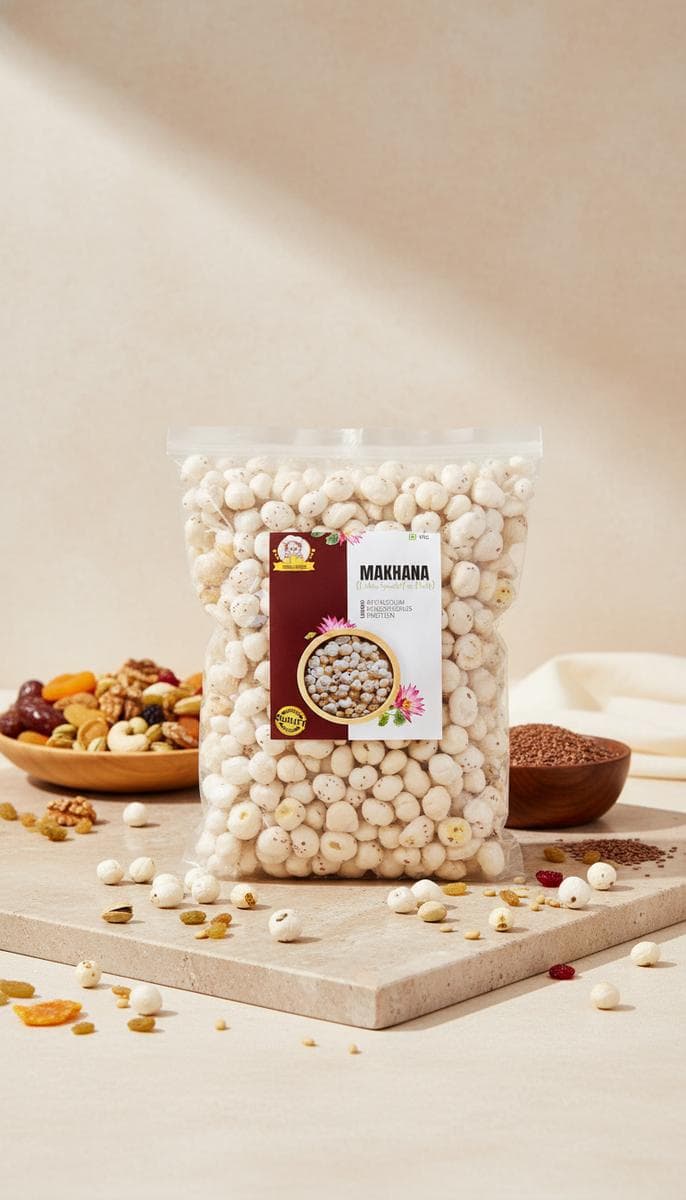
Premium Bihar Makhana 🇮🇳
Handpicked fox nuts — 9g protein, low calorie, perfect for weight loss & fasting snacks
✓ FSSAI certified · Free delivery ₹399+
| Nutrient | Makhana (1 cup roasted) | Popcorn (1 cup air-popped) | Popcorn (1 cup buttered) | Winner |
|---|---|---|---|---|
| Calories | 105 kcal | 31 kcal | 165 kcal | Air-popped popcorn |
| Protein | 4.5g | 1g | 1g | Makhana (4.5x more) |
| Fiber | 5.3g | 3.7g | 3.7g | Makhana (marginally) |
| Fat (total) | 0.8g | 0.4g | 9g | Makhana (vs buttered) |
| Carbs | 20g | 6g | 15g | Varies by goals |
| Glycemic Index | 25 | 72 | 72 | Makhana (MUCH lower) |
| Calcium | 32mg | 2mg | 2mg | Makhana (16x more) |
| Magnesium | 18mg | 7mg | 7mg | Makhana (2.5x more) |
Calories: Popcorn Wins (Air-Popped Only)
Air-popped popcorn is incredibly low in calories: just 31 calories per cup. You can eat 3-4 cups for the calories of 1 cup of makhana.
However - and this is critical - most people don't eat plain, air-popped popcorn. They eat:
- Buttered cinema popcorn: 165+ calories per cup
- Cheese popcorn: 160+ calories with high sodium
- Caramel popcorn: 200+ calories with added sugar
Real-world verdict: Most people consume more total calories from popcorn because the low baseline makes it easy to overeat. Makhana's higher satiety factor means you eat less overall.
Protein: Makhana Wins Decisively
Makhana: 4.5g protein per cup
Popcorn: 1g protein per cup
Makhana contains 4.5 times more protein than air-popped popcorn. This protein:
- Keeps you fuller longer
- Supports muscle maintenance
- Stabilizes blood sugar
- Increases thermic effect (calories burned during digestion)
For anyone focused on body composition or weight loss, makhana's protein advantage is significant.
Glycemic Index (Blood Sugar Impact): Makhana Dominates
Featured Product
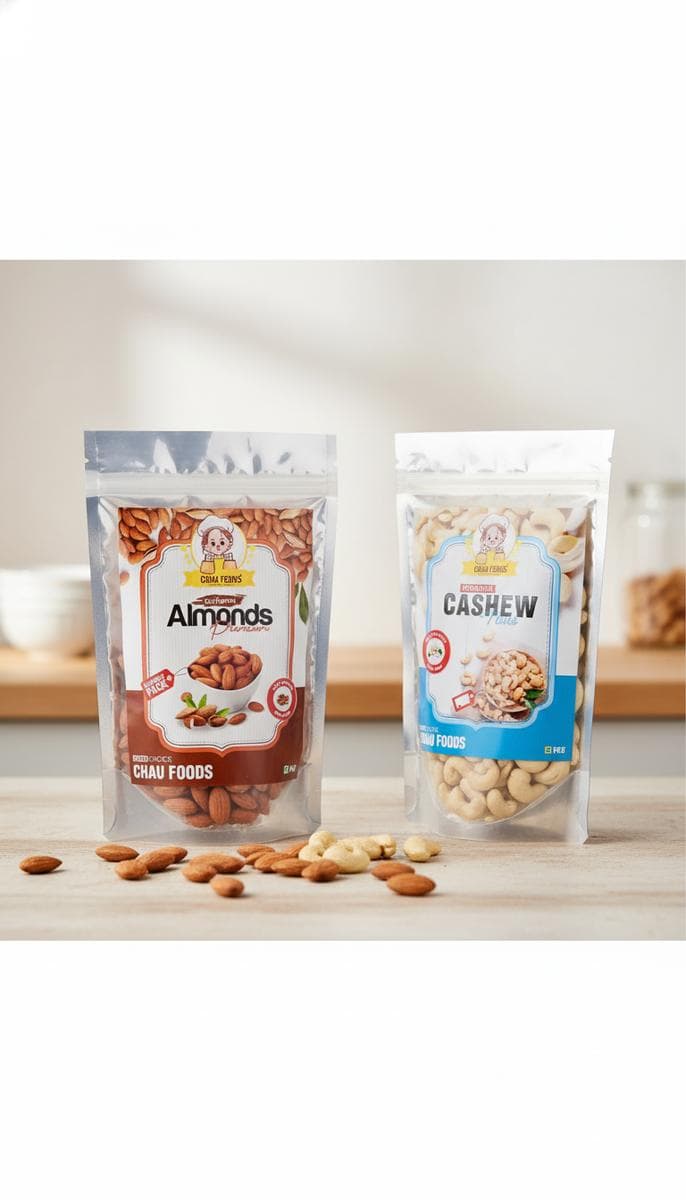
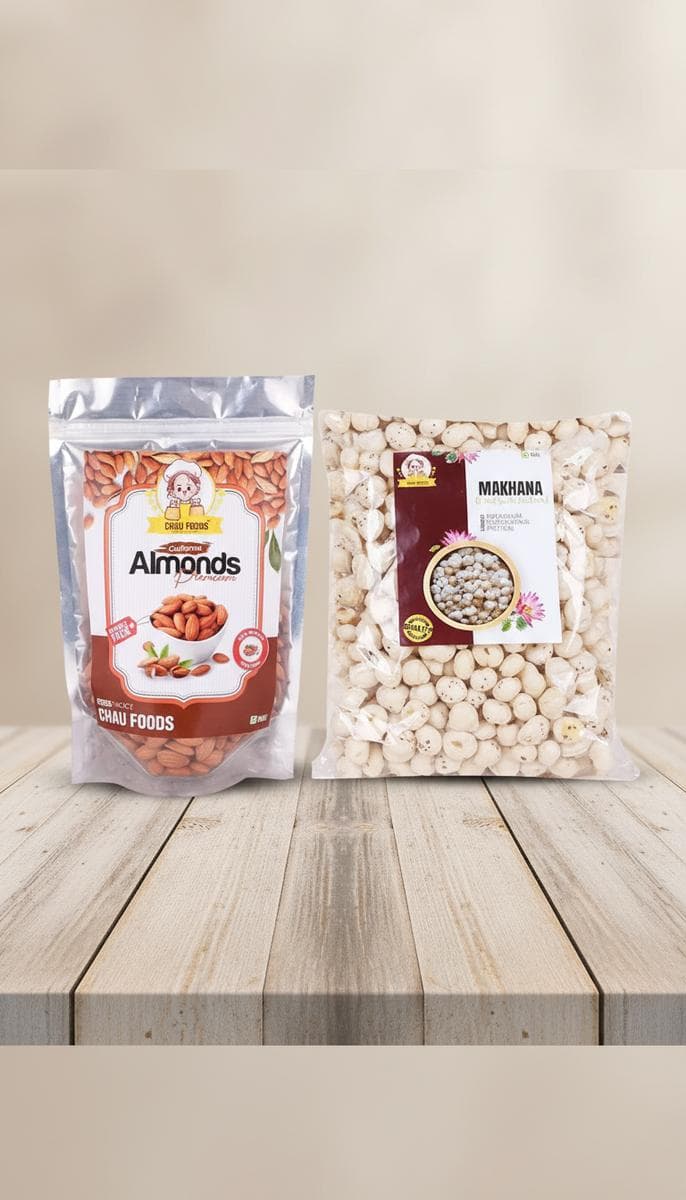
Combo Almond + Makhana
Almond + makhana combo — morning soaking + evening snacking sorted in one pack
✓ FSSAI certified · Free delivery ₹399+
This is where makhana truly shines.
Makhana: GI of 25 (very low)
Popcorn: GI of 72 (high)
The glycemic index measures how quickly a food raises blood sugar. A GI below 55 is considered low; above 70 is high.
What this means:
- Makhana provides sustained energy without blood sugar spikes
- Popcorn causes a rapid blood sugar spike, followed by a crash that triggers hunger
For people with diabetes, prediabetes, or weight loss goals, makhana's GI is dramatically superior. This single factor alone makes makhana the winner for metabolic health.
Satiety: Which Keeps You Fuller?
Makhana wins for sustained fullness because of:
- 1Higher protein (4.5g vs 1g)
- 2Higher fiber (5.3g vs 3.7g)
- 3Lower GI (no blood sugar crash that triggers hunger)
- 4Density - makhana is denser and takes longer to chew, signaling fullness to your brain
Real-world test: Eat 1 cup of makhana vs 1 cup of buttered popcorn. The makhana will satisfy you longer.
Minerals & Micronutrients: Makhana Wins Significantly
Calcium:
- Makhana: 32mg per cup
- Popcorn: 2mg per cup
Makhana has 16 times more calcium! This is crucial for:
- Bone health (especially women)
- Muscle function
- Nerve transmission
- Hormonal balance
Magnesium:
- Makhana: 18mg per cup
- Popcorn: 7mg per cup
Makhana's superior magnesium content supports:
- Sleep quality
- Stress management
- Muscle relaxation
Digestive Health: Both Provide Fiber, But Differently
Both makhana and popcorn are whole foods with fiber:
- Makhana: 5.3g fiber per cup (mostly insoluble + some soluble)
- Popcorn: 3.7g fiber per cup
Interestingly, popcorn is actually one of the highest-fiber whole grains you can eat. However, makhana's fiber is paired with its protein and low GI, making it superior for digestive health and regularity.
Weight Loss: Which Is Better?
Winner: Makhana - by a significant margin
Here's the weight loss strategy breakdown:
For Portion Control
- Makhana: 1 cup = 105 cal, 4.5g protein, GI 25 → keeps you satisfied
- Popcorn: 1 cup = 31 cal, 1g protein, GI 72 → you'll likely eat 3-4 cups
Real intake: Makhana (1 cup = 105 cal) vs Popcorn (3-4 cups = 93-124 cal) - similar calorie total, but makhana provides 3-4 times more protein and lower blood sugar impact.
For Snack Quality
Makhana's combination of low GI + high protein + high mineral density makes it the superior weight-loss food. You lose weight not just from calories, but from stable blood sugar and hormonal balance.
Taste & Enjoyment Factor
- Makhana: Mild, crunchy, slightly sweet. Pairs well with savory seasonings (salt, spices) or sweet toppings (jaggery, honey)
- Popcorn: Distinctive corn flavor. Requires toppings (butter, salt, seasoning) to taste good
Enjoyment is subjective. Some people find popcorn more satisfying because of flavor intensity. However, if your goal is weight loss and health, makhana's superior nutrition should outweigh taste preferences.
Cost Comparison
- Makhana: ₹250-400 per 250g (₹1,000-1,600 per kg)
- Popcorn kernels: ₹80-150 per 250g (₹320-600 per kg)
Popcorn is significantly cheaper (50-70% less expensive). If budget is a constraint, popcorn is a reasonable alternative - though buying premium popcorn and air-popping at home helps ensure quality.
Additives & Processing: Makhana Wins
- Quality makhana: Just roasted lotus seeds, no additives, minimal processing
- Quality popcorn: Just kernels, roasted at home - clean too!
However:
- Most commercial makhana is clean (FSSAI certified, no preservatives)
- Most commercial popcorn contains additives, artificial flavors, synthetic butter, and excessive sodium
- Cinema/microwave popcorn is heavily processed and high in trans fats
Verdict: Both can be clean if sourced properly. Chau Foods' premium makhana and air-popped popcorn made at home are equally clean.
When to Eat Each
Eat Makhana If You:
- Are trying to lose weight
- Have diabetes or blood sugar issues
- Want sustained energy
- Need high protein
- Prefer minimal additives
- Want maximum nutritional density
Eat Popcorn If You:
- Are budget-conscious
- Want the lowest-calorie option (air-popped only)
- Enjoy corn flavor
- Are air-popping at home
- Need a volume snack (you can eat more quantity)
FAQ - Makhana vs Popcorn
Q: Which is better for weight loss?
A: Makhana. Its higher protein, lower GI, and greater satiety mean you lose weight more effectively despite slightly higher calories.
Q: Is popcorn healthy?
A: Air-popped popcorn is healthy. But most commercial popcorn (buttered, salted, microwave) is high in sodium, fat, and additives. Make it at home for the healthiest version.
Q: Can I eat both snacks?
A: Yes! Vary your snacking for dietary diversity. Alternate between makhana and air-popped popcorn.
Q: Which has more fiber?
A: Makhana (5.3g vs 3.7g per cup). Both are fiber-rich whole foods.
Q: Is popcorn better for blood sugar control?
A: No. Makhana's GI of 25 is far superior to popcorn's GI of 72. Makhana won't spike blood sugar.
Q: Which snack is better for kids?
A: Makhana is safer (less choking risk, no flakes). Popcorn can be a choking hazard for small children.
Q: How much makhana or popcorn should I eat daily?
A: Makhana: 1-2 cups daily. Popcorn (air-popped): 2-3 cups daily. Both should be part of a balanced diet, not the only snack.
Key Takeaway
Bottom Line
Makhana is the superior snack for weight loss, blood sugar control, and nutrition. Its high protein, low GI, and mineral density make it the gold standard for healthy snacking.
Popcorn (air-popped, homemade) is a valid second choice if budget or taste preference is a factor. Just ensure you air-pop it at home rather than buying commercial versions loaded with butter and additives.
Ready to upgrade your snacking? Get premium roasted makhana from Chau Foods - crispy, crunchy, and packed with nutrition. Free delivery on orders above ₹399.
Editorial Note
How we publish Chau Foods blog guides
This article is published by the Chau Foods editorial team for general food education, ingredient guidance, and shopping support. It is not a substitute for medical advice, diagnosis, or treatment.
Reader Checklist
- Published on 20 April 2026
- Last reviewed and updated on 20 April 2026 by the Chau Foods editorial team.
- Use this guide for food education and buying decisions, not medical treatment.
- If you have allergies or a clinical diet plan, check with a qualified professional first.
About the Author
Chau Foods Editorial Team
This guide is written and fact-checked by the Chau Foods editorial team - a small group of FSSAI-certified food specialists based in Rohini, Delhi. Led by founder Mohit, the team combines direct farm-sourcing experience (California almonds, Bihar makhana from Darbhanga & Madhubani, Kashmir walnuts, Kerala spices) with hands-on quality control at the Chau Foods packing facility. We publish only what we would feed our own families, cite Indian nutrition data where relevant, and refresh every article when sourcing, pricing, or health guidelines change.
- Credentials
- FSSAI Lic. 13321008000704
- Based in
- Rohini, Delhi · since 2020
- Rating
- 4.9/5 · 27+ Google reviews
Keep Exploring
Shop related collections and next steps
Use this guide to compare options, then move directly into the most relevant collection, brand story, or bulk-order path.
Makhana Collection
See Chau Foods makhana picks for daily snacking, travel, and festive gifting.
Shop the collectionWhy Chau Foods
Learn more about our sourcing, freshness standards, and the quality promises behind each product we ship.
Read our storyBulk & gifting help
Need larger quantities, office snacks, festive gifting, or repeat ordering support? Start with our bulk orders page.
Start a bulk enquiry