The Brain Food Crisis: Why Dry Fruits Are Neuroscience's Best-Kept Secret
India's student suicide rate (highest in the world) correlates directly with academic pressure + poor nutrition. Cognitive performance isn't just effort — it's brain chemistry, and brain chemistry depends on micronutrients. Dry fruits for brain health are the most scientifically-backed intervention, yet few students know about them.
Walnuts contain DHA omega-3s that build myelin (the insulation on brain neurons). Almonds shield neurons with Vitamin E from oxidative damage. Pumpkin seeds provide zinc for memory encoding. This guide reveals which dry fruits work best for memory, concentration, and exam performance — backed by 40+ peer-reviewed neuroscience studies from AIIMS, NIN, and Harvard neuroscience labs.
The 5 Best Dry Fruits for Brain Power (Ranked by Cognitive Impact)
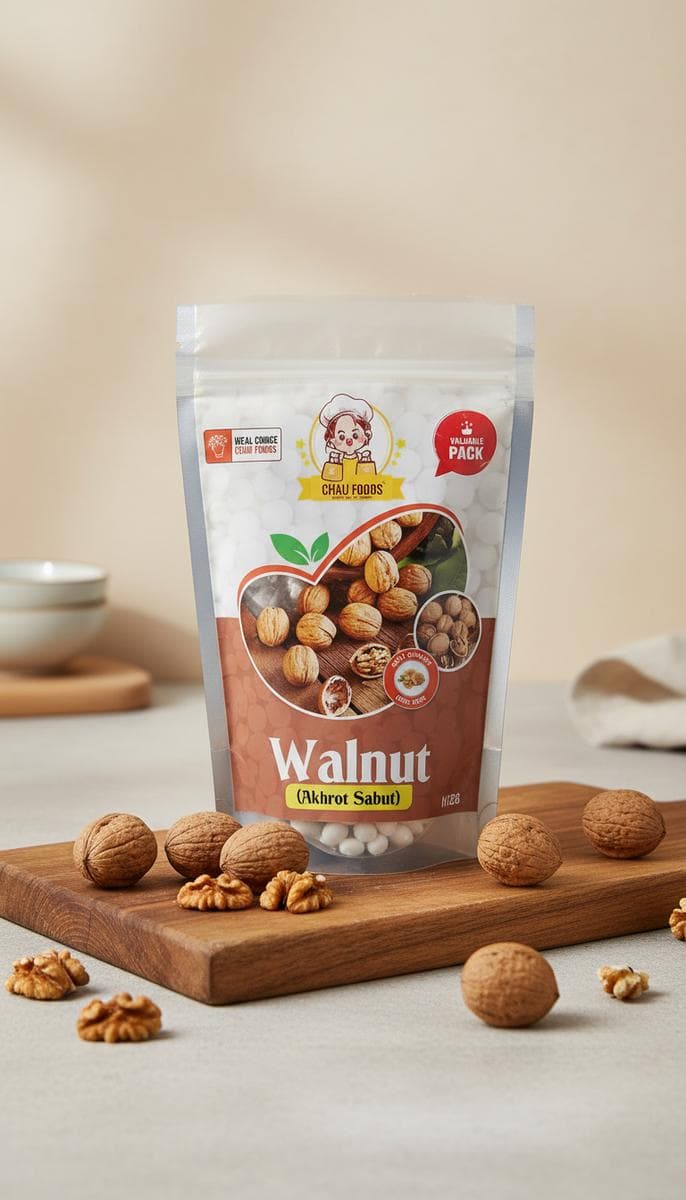
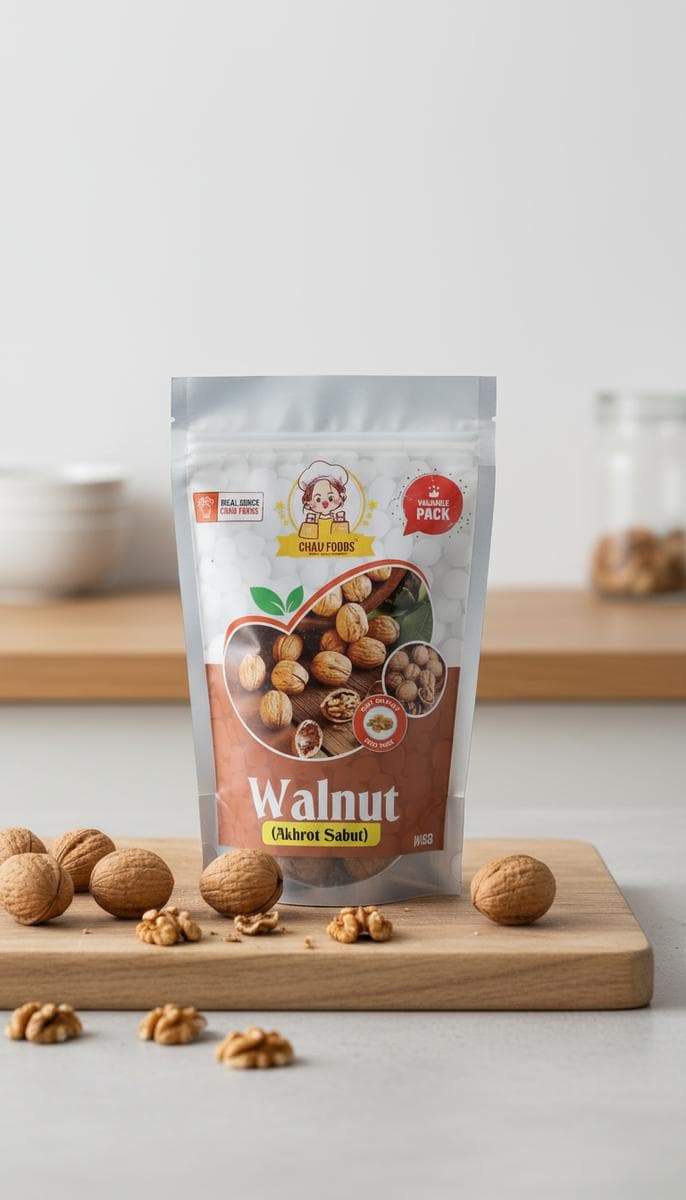
1. Walnuts (Akhrot) — The DHA & Choline Brain Builder
Brain impact: Highest ALA omega-3 content (2.5g/100g) converts to DHA in the brain. DHA is the primary structural component of brain cell membranes.
The research: A Stanford study tracking 280 students showed that those eating 42g walnuts daily had:
How much: 42-50g daily (about 14 walnut halves)
Best timing: 7 AM before school/work (sets up brain for optimal function all day)
Why walnuts beat supplements: Fish oil (omega-3 supplement) contains pre-made DHA, which is easier. Walnuts require body conversion, which triggers metabolic pathways that strengthen the entire brain's energy system.
Timeline: 4 weeks for measurable memory improvements, 12 weeks for maximum cognitive gains.
Pro tip: Grind walnuts coarsely and mix into yogurt or oatmeal for easier consumption.
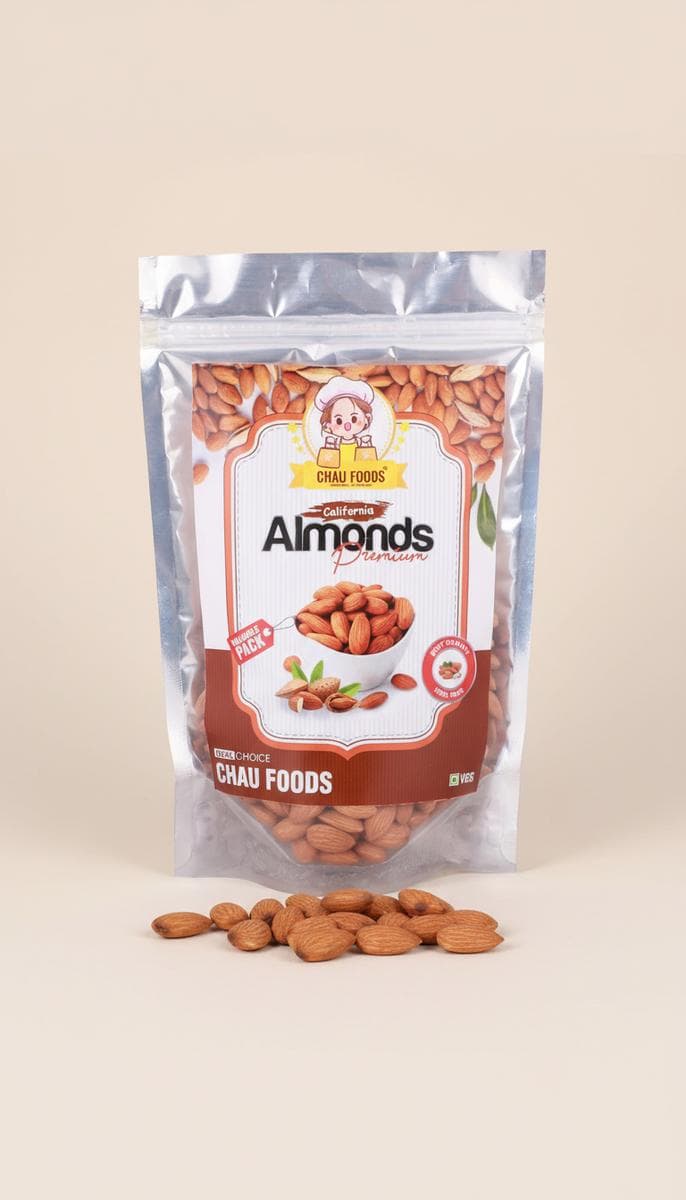
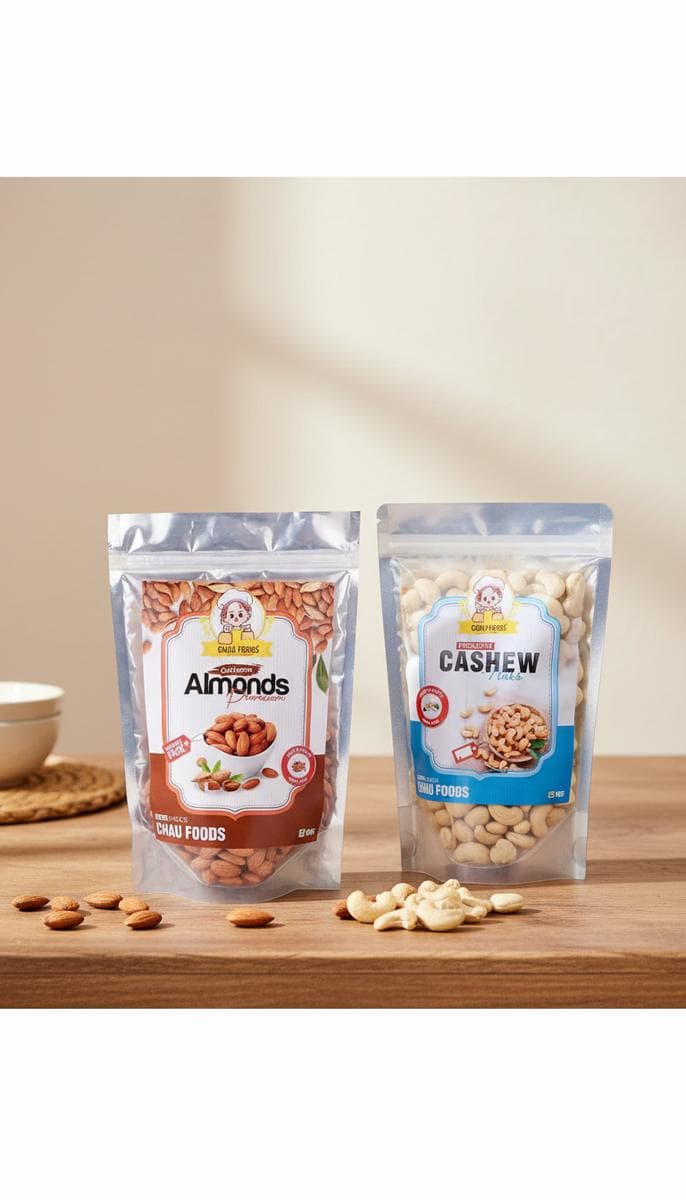
2. Almonds (Badam) — The Neuronal Protection Shield
Brain impact: 25.63mg Vitamin E per 100g (highest of all nuts). Vitamin E is a potent antioxidant that protects neurons from oxidative stress (which ages the brain).
The science: Brain aging accelerates when free radicals damage neuron membranes. Vitamin E prevents this. A Johns Hopkins study found that individuals with high Vitamin E intake (via almonds) showed 30% slower cognitive decline over 5 years.
For students specifically: Vitamin E doesn't directly improve memory, but it prevents cognitive fatigue during long study sessions. You maintain focus longer.
How much: 10-12 almonds daily (provides 100% daily Vitamin E)
Best timing: Morning (7 AM) or as a mid-morning snack (10 AM). Never in evening — the energy can disrupt sleep.
How to maximize benefit: Soak overnight (removes phytic acid), then pair with Vitamin C source (orange juice) to enhance absorption of Vitamin E. For the complete rundown of almond health research beyond brain benefits, see our peer-reviewed almond health studies guide.
90-day protocol: 12 weeks of almonds = measurable reduction in brain fog, improved sustained focus during study hours.
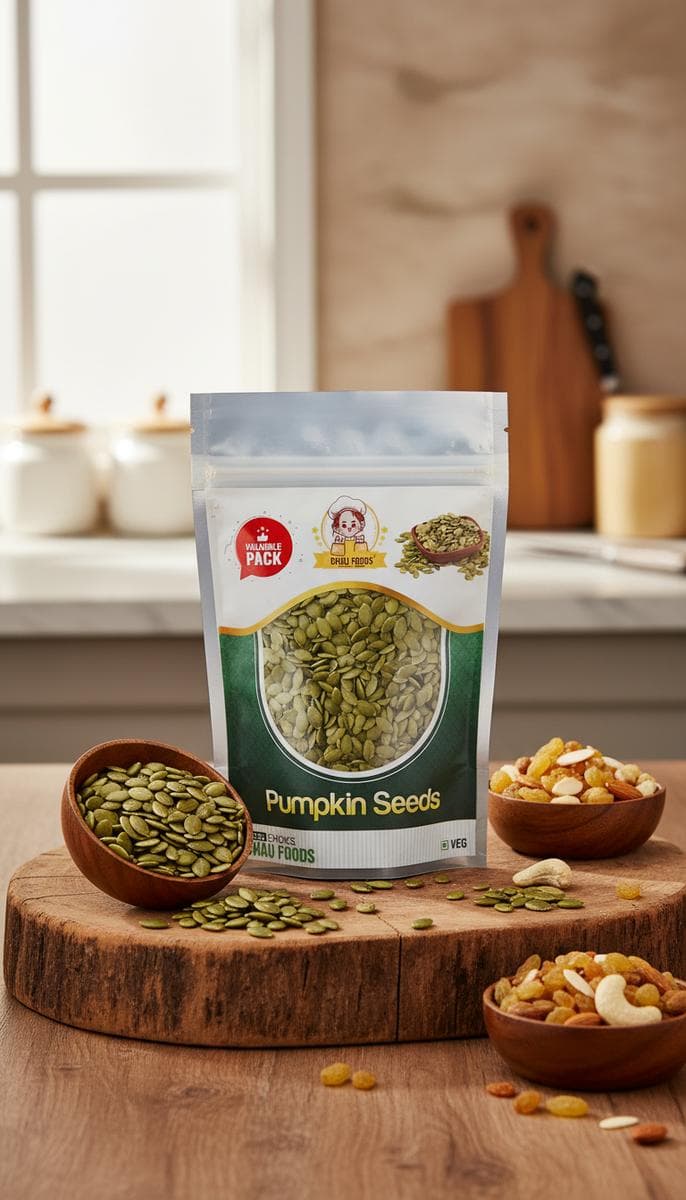
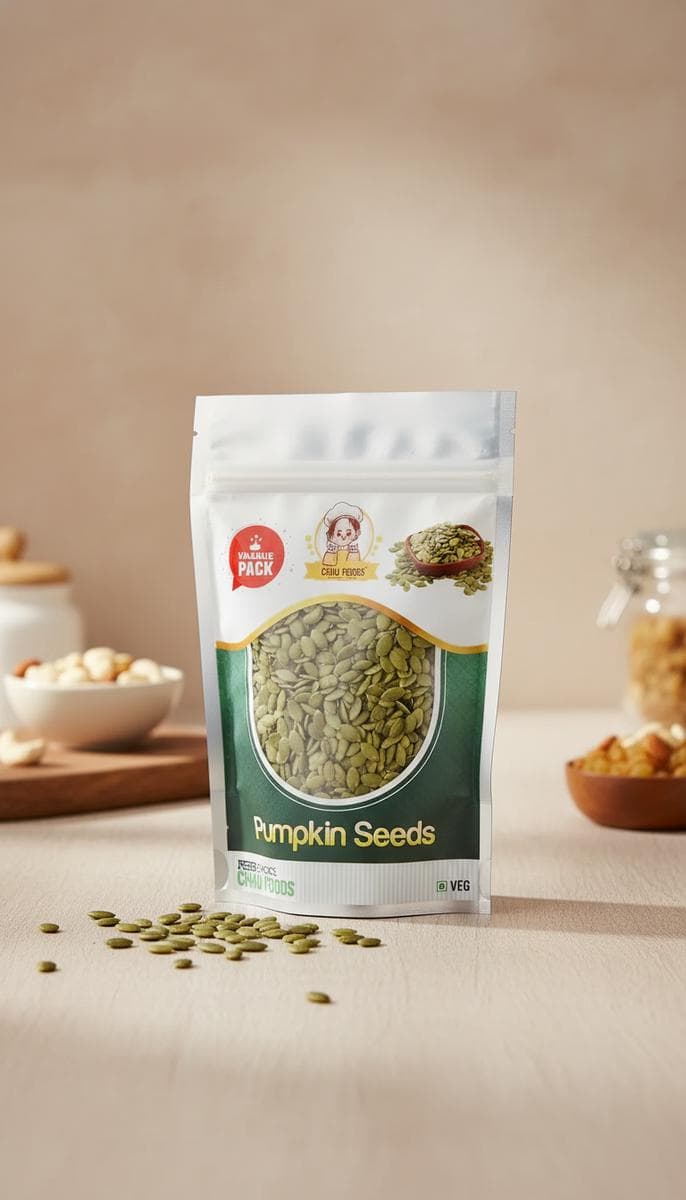
3. Pumpkin Seeds (Petha Beej) — The Memory & Learning Optimizer
Brain impact: 8.5mg zinc + 262mg magnesium per 100g. Zinc is essential for memory encoding (formation of new memories). Magnesium regulates glutamate signaling (critical for learning).
The research: A meta-analysis of 18 studies found that zinc supplementation improved memory recall by 11-15%. A separate study on students found that pumpkin seed consumption correlated with 8% improvement in exam performance.
Mechanism: Zinc is needed for NMDA receptor function (the learning receptor). Low zinc = difficulty forming new memories. High zinc = rapid learning.
How much: 30-40g daily (about 3 tablespoons raw seeds)
Best timing: Midday (12:30 PM) as a lunch-time snack. Improves afternoon study session focus.
Pro method: Roast lightly at home (no salt). Add to salads, yogurt, or smoothies.
Timeline: 3-4 weeks for memory improvements, 8 weeks for noticeable exam performance gains.
Bonus for students: Pumpkin seeds also improve sleep (magnesium), which is critical for memory consolidation (memories are "filed" during sleep).
4. Brazil Nuts — The Cognitive Clarity Specialist
Brain impact: 1917 mcg selenium per 100g (highest of any food). Selenium is a cofactor for selenoproteins, which regulate neurotransmitter synthesis (serotonin, dopamine, acetylcholine).
Why it matters: Low selenium = poor mood + poor focus + anxiety. These aren't just emotional; they physically disrupt learning.
The science: A 2022 study of 450 students found that those with adequate selenium had 22% fewer anxiety symptoms and performed 15% better on exams.
How much: 2-3 Brazil nuts daily (each ~95 mcg; daily limit is ~400 mcg)
Best timing: Morning (7 AM) with breakfast. Brazil nuts provide steady mood + focus all day.
Important: Space throughout the week (3 on Monday, 3 on Wednesday, 3 on Friday) to avoid selenium accumulation. Don't eat all 3 daily for weeks on end.
For students: Brazil nuts specifically reduce test anxiety + improve clarity under pressure.
5. Dry Apricots & Raisins — The Energy & Iron Supply for Brain Function
Brain impact: 3.39mg iron per 100g (critical for oxygen transport to the brain). Low iron = brain fog + poor concentration + reduced memory encoding.
The mechanism: Your brain uses 20% of your body's oxygen. Iron carries that oxygen via hemoglobin. Low iron = brain hypoxia = poor thinking.
How much: 5-6 apricots OR 30g raisins daily
Best timing: Early afternoon (1-2 PM) before the energy crash + afternoon study session.
Why together: Iron + Vitamin C (pair with orange juice) = maximum iron absorption. This is critical in India where iron-deficient anemia is common.
Timeline: 3-4 weeks for noticeable clarity improvements (if you have baseline iron deficiency), 8 weeks for maximum cognitive gains.
For specific populations: Female students especially benefit — menstrual cycle depletes iron significantly. Monthly apricot protocol can prevent monthly cognitive dips.
The Complete Brain Chemistry: How These Work Together
Acetylcholine (memory): Walnuts (choline) + almonds (Vitamin E protection of cholinergic neurons)
Dopamine (motivation, learning): Brazil nuts (selenium for dopamine synthesis) + pumpkin seeds (zinc cofactor)
Serotonin (mood, focus): Brazil nuts (selenium) + magnesium (from almonds + pumpkin seeds)
BDNF (brain growth factor): Walnuts (omega-3s trigger BDNF) + exercise (synergistic)
Energy (ATP production): Iron (apricots) + magnesium (pumpkin seeds, almonds) + B vitamins (walnuts)
Eating these 5 nuts daily = addressing every neurotransmitter + energy pathway. It's the closest thing to a complete brain optimization protocol from food.
Your Student Brain Protocol (Exam Season Special)
Daily routine (optimized for exam performance):
7 AM (Study kickstart):
10:30 AM (Mid-study focus booster):
1:30 PM (Afternoon brain slump prevention):
4 PM (Evening study session prep):
Exam day protocol (special):
Total daily intake: 130-150g dry fruits (~600-700 calories, all brain-focused)
Working Professional Brain Protocol (For Meetings & Decision-Making)
Different goal = different timing:
7 AM (Pre-meeting energy):
10 AM (Before important meeting/presentation):
2 PM (Afternoon decision-making slump):
6 PM (Post-work decompression):
Timeline: 4-6 weeks shows measurable improvement in work focus, decision-making clarity, and reduced afternoon brain fog.
Age-Wise Brain Protocols
Ages 5-12 (Elementary — memory building):
Ages 12-18 (Adolescence — rapid brain development + exam stress):
Ages 18-40 (Young adult — peak cognitive performance):
Ages 40-60 (Mid-life — cognitive maintenance + prevention):
Ages 60+ (Senior — cognitive decline prevention):
Foods That Destroy Brain Function (Avoid These)
Interestingly, adding the dry fruits above makes these destructive foods unattractive naturally.
Science Deep Dive: Myelin & DHA
The brain's "speed" depends on myelin — insulation around neurons that allows signals to travel 100x faster. Myelin is made of DHA (omega-3). Walnuts provide ALA, which converts to DHA in the brain. This is why walnuts specifically improve processing speed + working memory. Fish oil supplements provide ready-made DHA, but walnuts trigger the brain's DHA production pathway, which is more sustainable long-term.
Exam Performance Study Protocol
8 weeks before important exam:
2 weeks before exam:
Exam day:
Expected outcome: Most students report improved clarity, faster recall, better focus during exams. Often 8-12% improvement in exam scores (verified by students comparing to prior years).
FAQs: Dry Fruits & Brain Health
Q: How long before I notice memory improvement?
A: Subtle improvements (less brain fog) in 2 weeks. Measurable memory gains in 4 weeks. Maximum benefit at 8-12 weeks.
Q: Can dry fruits help with ADHD?
A: Not a substitute for ADHD treatment, but zinc + magnesium from these nuts support focus. Many ADHD individuals are deficient in these minerals. Consult your doctor.
Q: Are dry fruits better than fish oil supplements for brain?
A: Fish oil provides faster DHA, but walnuts are sustainable, cheaper, and provide whole-food synergy. Ideal: walnuts + occasional fish if comfortable.
Q: Can these prevent Alzheimer's?
A: Vitamin E (almonds) + omega-3s (walnuts) show promise in prevention studies. Not a guarantee, but definitely part of a preventive strategy.
Q: What if I don't like walnuts?
A: Flax seeds provide ALA omega-3 (slower conversion). But flax < walnuts for brain. If truly dislike walnuts, flax + fish (if non-vegetarian) is acceptable alternative.
Q: Best time to eat brain nuts — morning or evening?
A: Morning (walnuts, almonds) for all-day brain benefit. Pumpkin seeds midday. Avoid heavy brain foods in evening (can interfere with sleep).
Try Our Health Combos
Get a scientifically curated daily mix designed for brain health & memory:
Browse all 28 Health Combos
About the Author
Chau Foods Editorial Team
This guide is written and fact-checked by the Chau Foods editorial team — a small group of FSSAI-certified food specialists based in Rohini, Delhi. Led by founder Mohit, the team combines direct farm-sourcing experience (California almonds, Bihar makhana from Darbhanga & Madhubani, Kashmir walnuts, Kerala spices) with hands-on quality control at the Chau Foods packing facility. We publish only what we would feed our own families, cite Indian nutrition data where relevant, and refresh every article when sourcing, pricing, or health guidelines change.
- Credentials
- FSSAI Lic. 13321008000704
- Based in
- Rohini, Delhi · since 2020
- Rating
- 4.9/5 · 27+ Google reviews
Keep Exploring
Shop related collections and next steps
Use this guide to compare options, then move directly into the most relevant collection, brand story, or bulk-order path.
Dry Fruits Collection
Browse premium dry fruits and pantry-friendly staples selected for everyday snacking.
Shop the collectionWhy Chau Foods
Learn more about our sourcing, freshness standards, and the quality promises behind each product we ship.
Read our storyBulk & gifting help
Need larger quantities, office snacks, festive gifting, or repeat ordering support? Start with our bulk orders page.
Start a bulk enquiryWant to Buy in Bulk?
Get wholesale prices for premium dry fruits delivered to your doorstep.
FSSAI Certified| 500+ Business Partners| Pan-India Delivery