Uric Acid & Gout Control Combo
Lower uric acid naturally. Reduce joint pain & flare-ups.
This 4-product combo attacks high uric acid from multiple angles. Chia and flax seeds provide omega-3 to calm inflammation during flare-ups. Almonds supply vitamin E and magnesium to help kidneys excrete uric acid. Raisins alkalize the blood and provide potassium to flush purines. All four products are low-purine, unlike many other nuts and protein sources.
Buy Once
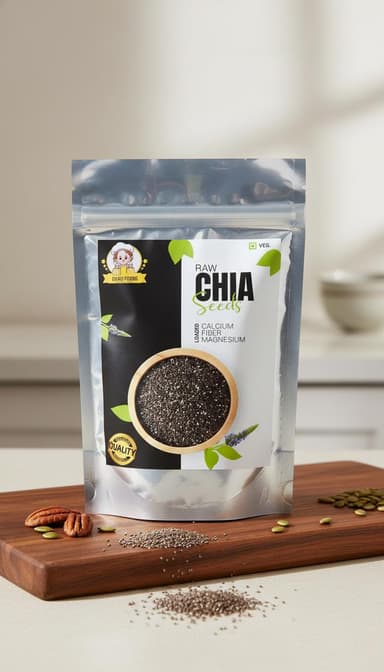
Raw Chia Seeds
150g
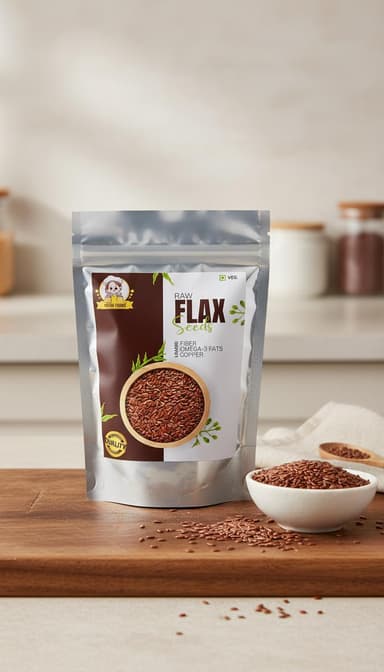
Raw Flax Seeds
150g
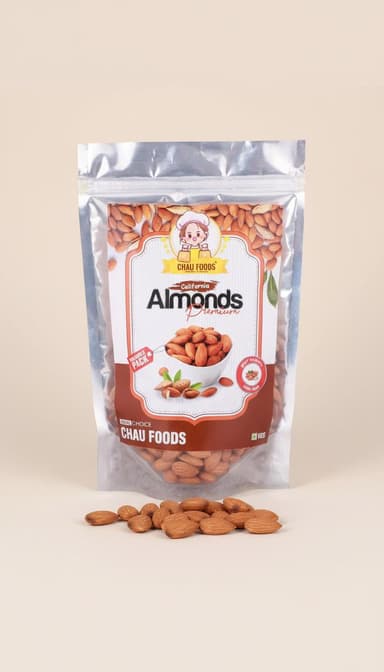
California Almonds
200g
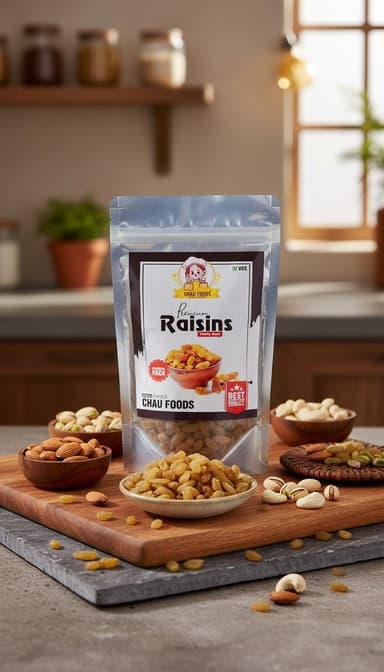
Premium Raisins
200g
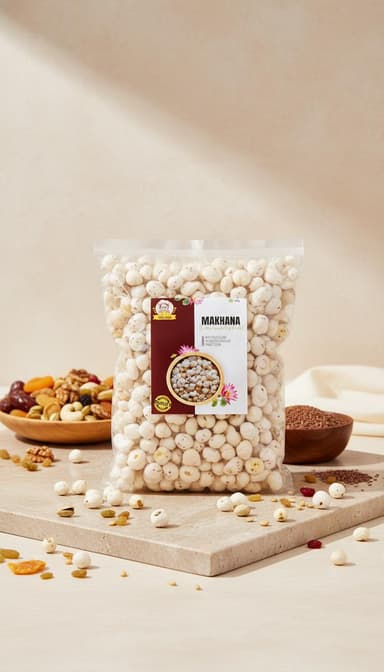
Makhana (Lotus Seeds)
150g
Quick Summary
The Uric Acid & Gout Control Combo combines chia seeds (alkaline + omega-3), flax seeds (anti-inflammatory ALA), almonds (low-purine + magnesium), and raisins (potassium + alkaline) to reduce uric acid levels, prevent crystal formation, and ease gout flare-ups naturally.
Why the Uric Acid & Gout Control Combo?
This 4-product combo attacks high uric acid from multiple angles. Chia and flax seeds provide omega-3 to calm inflammation during flare-ups. Almonds supply vitamin E and magnesium to help kidneys excrete uric acid. Raisins alkalize the blood and provide potassium to flush purines. All four products are low-purine, unlike many other nuts and protein sources.
This combo contains Raw Chia Seeds (Omega-3 (17.8g) + Alkaline minerals), Raw Flax Seeds (ALA Omega-3 (22.8g) + Lignans), California Almonds (Low Purine + Vitamin E (25.6mg)), Premium Raisins (Potassium (749mg) + Alkaline minerals), and Makhana (Lotus Seeds) (Low purine + Alkaline-forming + Kaempferol) - each chosen for a specific nutrient that targets high uric acid & gout. All products are FSSAI certified, freshly packed per order, and sourced from trusted suppliers.
What's Inside This Kit
5 products. Each chosen for a specific reason.
 150g
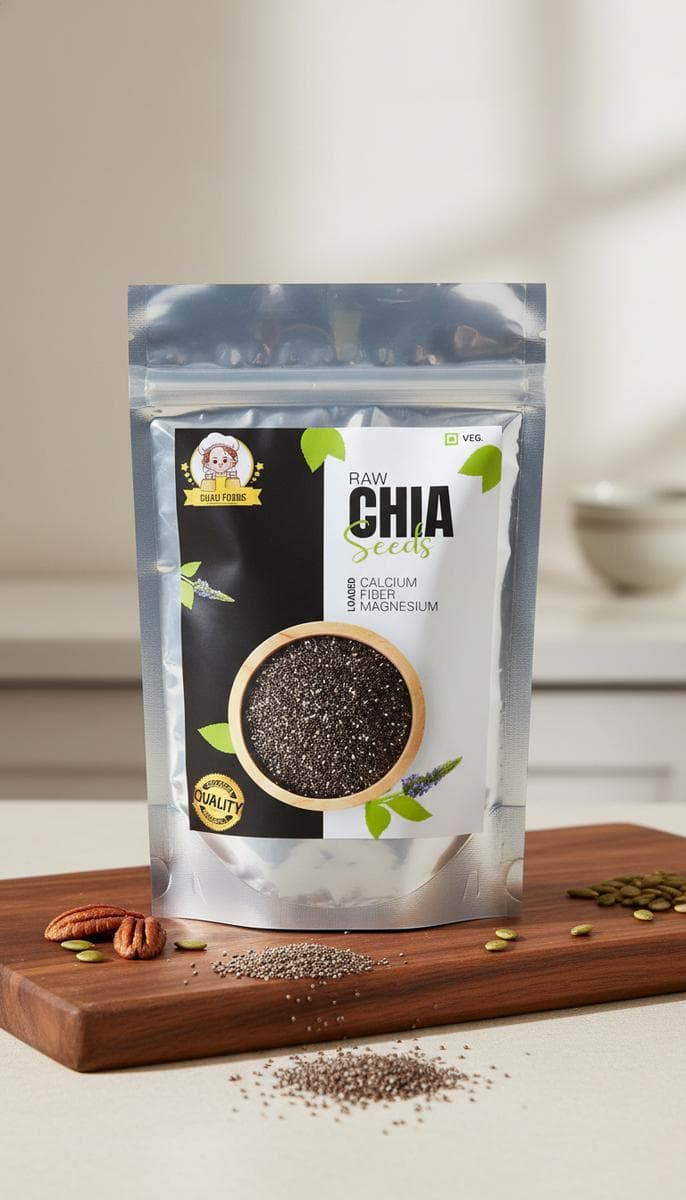
150gRaw Chia Seeds
Chia seeds are strongly alkaline-forming, which helps neutralize uric acid in the blood. Their high omega-3 content (17.8g per 100g) reduces joint inflammation during gout flare-ups. The soluble fibre binds to purines and helps flush them through the digestive system.
View Product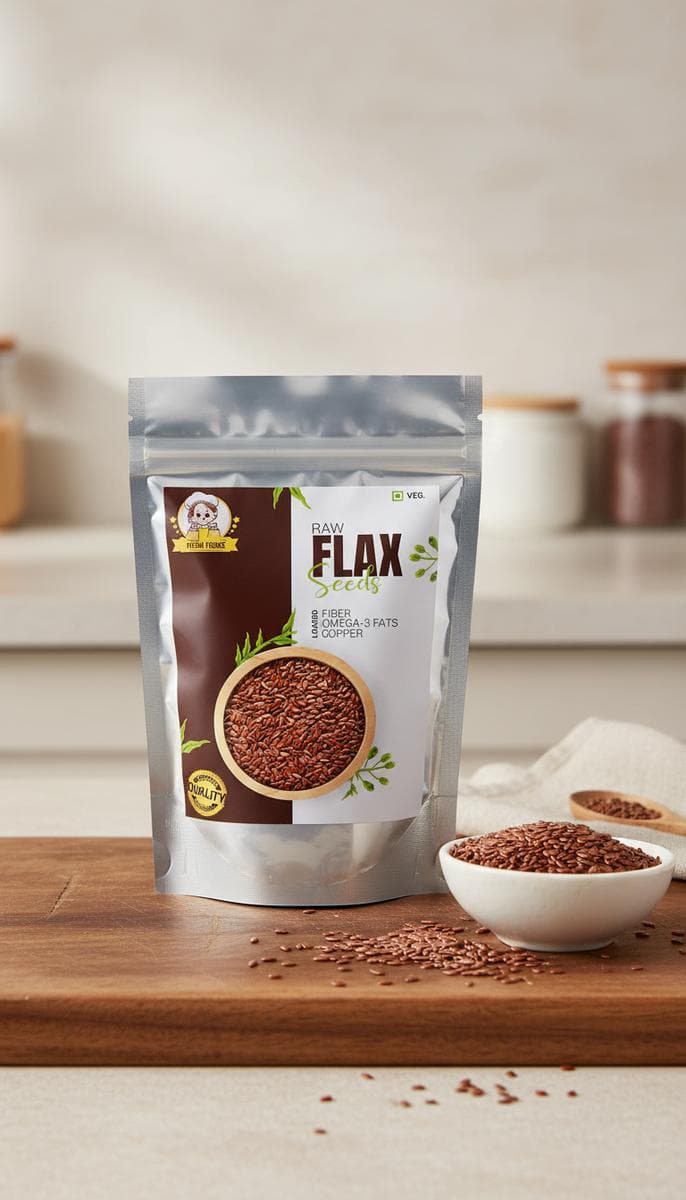 150g
150gRaw Flax Seeds
Flax seeds contain alpha-linolenic acid (ALA) that inhibits the enzymes responsible for uric acid production. Their lignans have powerful anti-inflammatory properties that ease swollen, painful joints. Low in purines, making them safe for gout sufferers.
View Product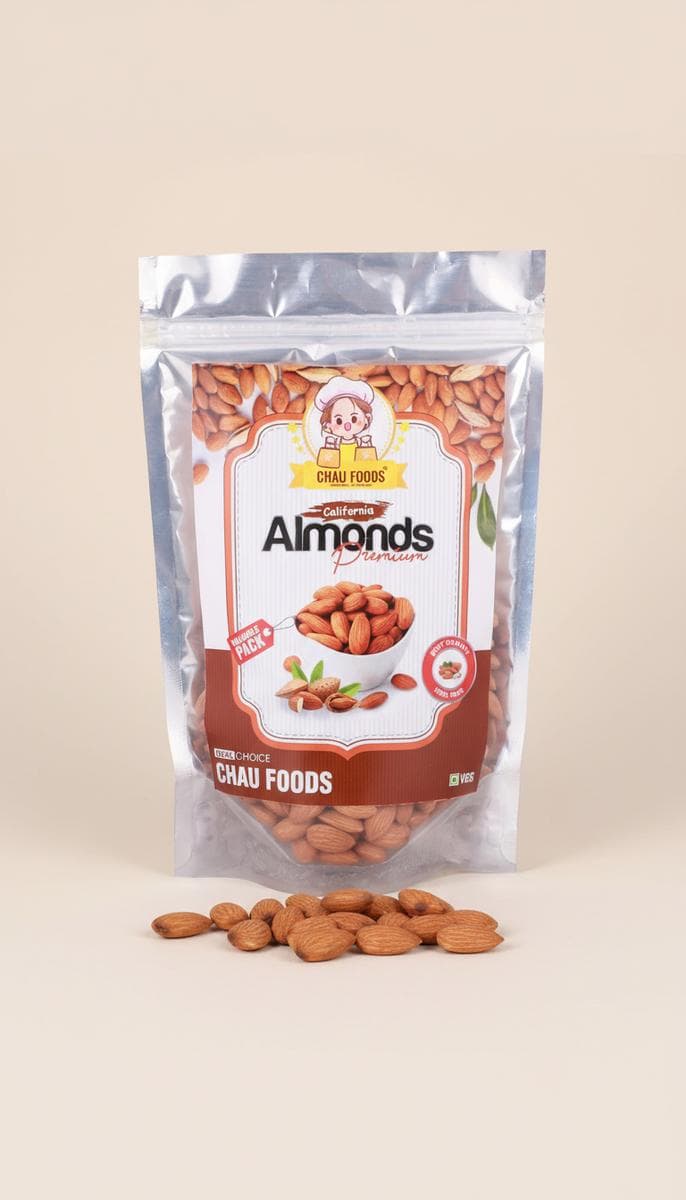 200g
200gCalifornia Almonds
Almonds are one of the lowest-purine nuts (only 10mg per 100g), making them safe for gout patients. Vitamin E (25.6mg) reduces oxidative stress in joints, and magnesium (270mg) helps the kidneys excrete uric acid more efficiently.
View Product 200g
200gPremium Raisins
Raisins are alkaline-forming and rich in potassium (749mg per 100g) which helps the kidneys filter and eliminate uric acid. Soaked raisins (kishmish water) is a traditional Ayurvedic remedy for high uric acid. Their antioxidants reduce inflammation in affected joints.
View Product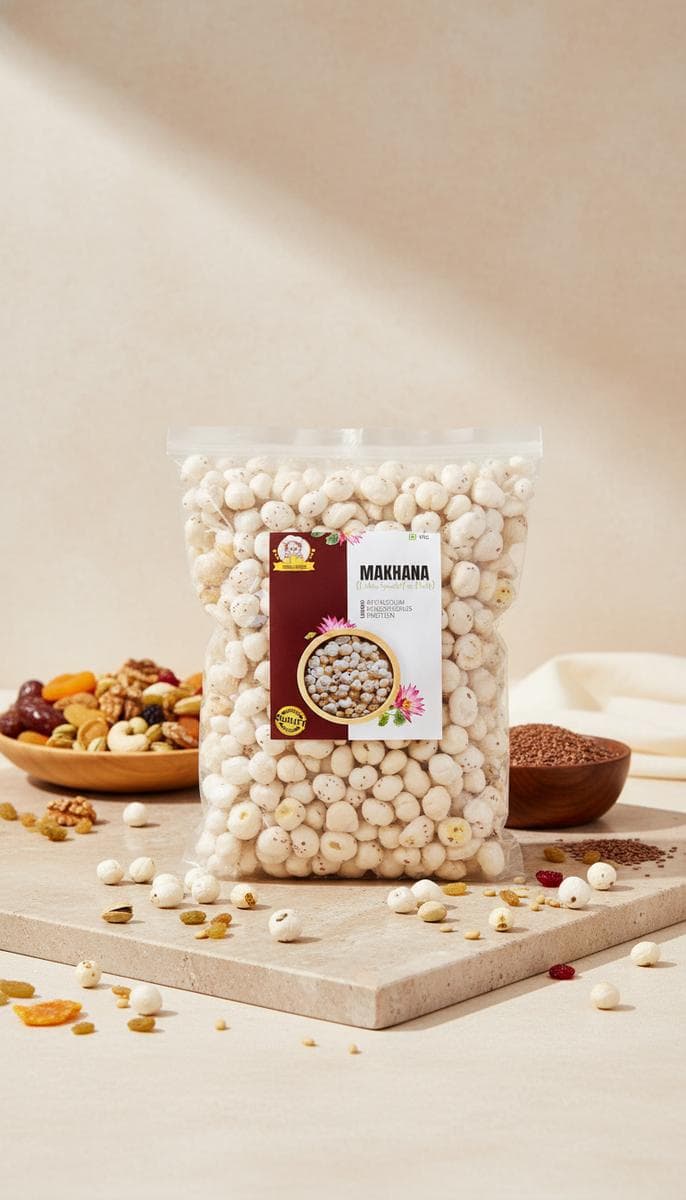 150g
150gMakhana (Lotus Seeds)
Makhana is exceptionally low in purines, making it one of the safest snacks for people managing uric acid and gout. Its alkaline-forming nature helps balance the acidic load that triggers flare-ups, and the antioxidant kaempferol supports joint comfort. A direct replacement for high-purine snacks like peanuts and namkeen.
View ProductBuy Once
The Science Behind This Kit
Omega-3 fatty acids from chia and flax reduce inflammatory cytokines (TNF-alpha, IL-6) that cause gout flare-ups by up to 30%
Alkaline-forming foods help maintain blood pH above 7.0, which increases uric acid solubility and prevents crystal formation in joints
Magnesium from almonds supports kidney function - kidneys excrete 70% of daily uric acid production
Potassium from raisins acts as a natural diuretic, increasing urine output and uric acid excretion
Daily Consumption Guide
Morning: 10 soaked raisins + kishmish water on empty stomach. Breakfast: 1 tablespoon ground flax seeds in curd or roti dough. Mid-day: 8-10 almonds as a snack. Evening: 1 tablespoon chia seeds soaked in water for 15 minutes.
Expected Timeline
Reduced flare-up intensity within 2-3 weeks. Measurable uric acid reduction in blood tests within 6-8 weeks with consistent intake and dietary changes.
FSSAI Certified Products
All products in the Uric Acid & Gout Control Combo are FSSAI certified under Licence No. 13321008000704. We follow strict food safety standards from sourcing to packaging.
Kit Nutrition at a Glance
| Product | Quantity | Key Nutrient | Why It Matters |
|---|---|---|---|
| Raw Chia Seeds | 150g | Omega-3 (17.8g) + Alkaline minerals | Chia seeds are strongly alkaline-forming, which helps neutralize uric acid in the blood. |
| Raw Flax Seeds | 150g | ALA Omega-3 (22.8g) + Lignans | Flax seeds contain alpha-linolenic acid (ALA) that inhibits the enzymes responsible for uric acid production. |
| California Almonds | 200g | Low Purine + Vitamin E (25.6mg) | Almonds are one of the lowest-purine nuts (only 10mg per 100g), making them safe for gout patients. |
| Premium Raisins | 200g | Potassium (749mg) + Alkaline minerals | Raisins are alkaline-forming and rich in potassium (749mg per 100g) which helps the kidneys filter and eliminate uric acid. |
| Makhana (Lotus Seeds) | 150g | Low purine + Alkaline-forming + Kaempferol | Makhana is exceptionally low in purines, making it one of the safest snacks for people managing uric acid and gout. |
Learn More
Who Should Use the Uric Acid & Gout Control Combo?
The Uric Acid & Gout Control Combo is designed for anyone experiencing high uric acid & gout and looking for a natural, food-based approach. Whether you are dealing with the early signs or managing an ongoing concern, the nutrient combination in this kit addresses the root nutritional deficiencies behind the problem.
Reduced flare-up intensity within 2-3 weeks. Measurable uric acid reduction in blood tests within 6-8 weeks with consistent intake and dietary changes. All products are 100% natural whole foods - no capsules, no supplements, no chemicals. Just the right dry fruits and seeds in the right quantities, backed by nutritional science.
Why Choose This Over Supplements?
100% Whole Foods
No capsules, no chemicals, no fillers. Just real dry fruits and seeds your body absorbs naturally - unlike synthetic supplements with 10-15% bioavailability.
Food You Actually Eat
Most supplement buyers forget within 2 weeks. Dry fruits become part of your daily snacking - easy to sustain for life, not just a 30-day bottle.
Zero Side Effects
No overdose risk, no liver strain, no dependency. These are foods humans have eaten for thousands of years. Safe for all ages including children and elderly.
We Ship Health Combos Worldwide
Order from USA, UK, UAE, Canada, Australia, Singapore, or anywhere else. All combos are vacuum-sealed for international transit. Customs-compliant packaging with FSSAI documentation included.
Frequently Asked Questions
Are these dry fruits safe for gout patients?
How much can this reduce my uric acid levels?
Can I eat this during a gout flare-up?
What does this combo cost per day?
Which nuts should gout patients avoid?
How should I store the products?
Are the products suitable for vegetarians/vegans?
Can I take this combo with uric acid medication?
Ready to solve high uric acid & gout?
Order the Uric Acid & Gout Control Combo today and start your daily wellness routine.
Buy Once
Explore Other Health Combos
Hair Rescue Combo
Glowing Skin Combo
Brain Boost Combo
Weight Loss Combo
Immunity Shield Combo
Pregnancy Essentials Combo
Men's Vitality Combo
Energy Recharge Combo
Diabetes Care Combo
Heart & BP Care Combo
Women's Hormone Balance Combo
Gym & Muscle Recovery Combo
Cholesterol Control Combo
Bone & Joint Health Combo
Sleep & Stress Relief Combo
Digestive Health Combo
Anemia & Iron Boost Combo
Kids Growth Combo
Anti-Aging & Longevity Combo
Thyroid Care Combo
Eye Health & Vision Combo
PCOS Complete Combo
Fertility Boost Combo
Complete Diabetes Control Combo
Ultimate Weight Loss Combo
Complete Pregnancy Nutrition Combo
Stress & Anxiety Relief Combo