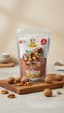
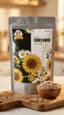
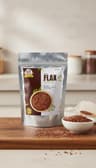
PCOS responds to an anti-inflammatory, low-GI diet. Flax (hormone balance), pumpkin seeds (zinc), chia (blood sugar) and walnuts (insulin sensitivity) are clinically proven. Combine with seed cycling (flax + pumpkin in first half of cycle, sesame + sunflower in second half), 30-min daily walks and 7-hour sleep. Most see HbA1c, androgens and cycle regularity improve within 3-4 months.
PCOS Complete Combo
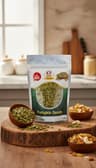
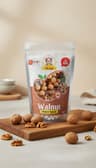
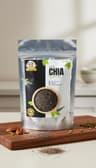
Flax + Pumpkin + Chia + Walnuts in one combo - the 4 foods proven in clinical PCOS trials. Seed cycling pre-portioned for both cycle halves. 90-day protocol designed by Chau Foods.
Understanding PCOS: More Than Just a Period Problem
Polycystic Ovary Syndrome affects 1 in 5 Indian women of reproductive age - that's roughly 36 million women, according to a meta-analysis published in the Indian Journal of Endocrinology and Metabolism. Yet most women with PCOS are told little beyond "lose weight and take birth control pills."
PCOS is not just a reproductive disorder. It's a metabolic and hormonal condition that affects your entire body - your skin, hair, weight, mental health, fertility, and long-term disease risk.
What Actually Happens in PCOS
At its core, PCOS involves three interconnected problems:
1. Insulin Resistance (Present in 70-80% of PCOS cases)
Your cells don't respond well to insulin. The pancreas produces more insulin to compensate. This excess insulin signals the ovaries to produce more androgens (male hormones like testosterone). High androgens cause acne, hirsutism (excess facial/body hair), hair thinning, and disrupt ovulation.
2. Chronic Low-Grade Inflammation
Women with PCOS have elevated inflammatory markers (CRP, IL-6, TNF-alpha). This inflammation worsens insulin resistance, damages ovarian tissue, and contributes to weight gain - especially visceral fat around the abdomen.
3. Hormonal Imbalance
Elevated androgens, elevated LH (luteinizing hormone), disrupted FSH ratio, and sometimes elevated prolactin. This disrupts the normal follicular development cycle, leading to "cysts" (actually immature follicles) on the ovaries.
Why PCOS Is Increasing in India
The ICMR reports that PCOS prevalence has doubled in Indian cities over the last 15 years. Contributing factors:
The Insulin Resistance Connection
This is the key that most women miss: PCOS is fundamentally an insulin problem for the majority of sufferers.
Even lean women with PCOS often have insulin resistance. A study from Kasturba Medical College found that 65% of normal-weight Indian women with PCOS had insulin resistance - it's not just about being overweight.
When you eat high-glycemic carbohydrates, your blood sugar spikes. Insulin floods your system. In a PCOS body, cells resist this insulin, so the pancreas produces even more. This excess insulin:
This is why calorie-counting diets fail for PCOS. It's not about eating less - it's about eating differently to manage insulin.
The Anti-Inflammatory Approach
PCOS diet - eat this vs avoid this
| Feature | Eat (anti-inflammatory) | Avoid (inflammatory) |
|---|---|---|
| Carbs | Millets, brown rice, oats | White rice, maida, sugar |
| Protein | Eggs, paneer, dal, fish | Processed meats, fried |
| Fats | Ghee, nuts, seeds, avocado | Vanaspati, refined oil |
| Dairy | Curd (small) | Milk (high IGF-1) |
| Snacks | Makhana, nuts, seeds | Biscuits, chips, mithai |
| Drinks | Green tea, water, buttermilk | Sugary drinks, juices |
Research from the Journal of the Academy of Nutrition and Dietetics shows that an anti-inflammatory diet reduces androgen levels by 25% and improves ovulation rates within 3 months - even without weight loss.
Foods That Increase Inflammation (Avoid)
Foods That Reduce Inflammation (Include)
Building Your PCOS Plate
The 4-Quarter Method for PCOS
Divide your plate differently than standard recommendations:
Notice carbs are minimal. This is intentional for insulin management.
Meal Timing for PCOS
Research shows that front-loading calories helps PCOS:
The Natural Food Solution
Specific seeds have been studied extensively for their role in managing PCOS - not as supplements, but as functional foods that address the root causes.
Flax Seeds: The Hormone Balancer
Flax seeds are perhaps the most researched food for PCOS. They contain:
Dose for PCOS: 2 tablespoons (30g) ground flax seeds daily.
Pumpkin Seeds: Zinc + Magnesium
Women with PCOS are commonly deficient in both zinc and magnesium. Pumpkin seeds provide:
Chia Seeds: The Blood Sugar Stabilizer
Chia seeds absorb 12x their weight in water, forming a gel that dramatically slows glucose absorption. Per 100g, they provide:
A study in the European Journal of Clinical Nutrition found that chia seed consumption reduced post-meal blood sugar spikes by 39%.
Walnuts: The PCOS-Specific Nut
A Yale University study specifically tested walnuts in PCOS women. After 6 weeks of consuming 36g of walnuts daily, participants showed:
Walnuts are the only tree nut with significant omega-3 content (9.08g ALA per 100g).
The Seed Cycling Protocol for PCOS
90-day PCOS reset progression
- Days 1-30 (Phase 1)Insulin reset - refined carbs cut, 30 min walk
- Days 31-60 (Phase 2)Seed cycling started, period may begin regulating
- Days 61-90 (Phase 3)Acne reduces, mood swings stable, energy steady
- Month 4-6Period regular, weight loss 4-8 kg, hair growth balanced
Seed cycling is a naturopathic practice that aligns seed consumption with menstrual cycle phases:
Days 1-14 (Follicular Phase - from period to ovulation):
These support estrogen production and metabolism.
Days 15-28 (Luteal Phase - from ovulation to period):
These support progesterone production.
*Note: If your periods are irregular, use the lunar cycle as a guide (Day 1 = new moon) until your cycle regulates.*
Your Daily Protocol
Morning (Empty Stomach, 7:00 AM)
Breakfast (7:30-8:00 AM)
Lunch (12:30-1:00 PM)
Evening (4:00 PM)
Dinner (7:00 PM - keep it light)
Daily totals: 2 tablespoons ground flax seeds, 2 tablespoons pumpkin seeds, 1 tablespoon chia seeds, 4-5 walnuts, 1 tablespoon sunflower seeds.
Ready-Made Solution
Managing PCOS through diet requires consistency with specific seeds in specific amounts. Our PCOS Complete Kit provides pre-measured daily portions of flax seeds, pumpkin seeds, chia seeds, and walnuts - everything you need for both seed cycling and daily anti-inflammatory nutrition.
How to Manage PCOS Naturally - 90-Day Reset Protocol
If you want a focused 90-day natural PCOS reset (alongside any prescribed medication), here is the exact protocol:
Phase 1 - Days 1-30 (Insulin reset):
Phase 2 - Days 31-60 (Hormone balancing - seed cycling):
Phase 3 - Days 61-90 (Inflammation reduction):
Daily non-negotiables (all 90 days):
Expected results: Period regulation in 60-90 days for most. Acne reduction in 8-12 weeks. Weight loss 4-8 kg if overweight. Insulin sensitivity improvement measurable by week 8.
Critical: PCOS may require metformin or other medication - never stop prescribed drugs without consulting your gynecologist or endocrinologist.
---
*Disclaimer: This article is for educational purposes only and is not medical advice. PCOS is a complex condition that may require medication, lifestyle changes, and professional guidance. Consult your gynecologist or endocrinologist for personalized treatment.*
Founder's Note · Mohit
My cousin struggled with PCOS for 5 years - irregular periods, acne, weight gain that no diet could fix. When she started the seed cycling protocol with quality flax and pumpkin seeds, combined with cutting refined carbs, her cycles became regular within 4 months. Seeing that transformation firsthand is why we source the freshest, highest-quality seeds - because freshness directly impacts the omega-3 and lignan content that makes this work. - Mohit
Frequently Asked Questions
Can PCOS be cured with diet alone?
+
What is seed cycling and does it really work?
+
Best dry fruits for PCOS weight loss?
+
Can I eat dates and raisins with PCOS?
+
How long until my periods become regular?
+
Are walnuts safe daily for PCOS?
+
Can I follow this protocol during pregnancy if I have PCOS?
+
Related Health Combos
Women's Hormone Balance Combo
PCOS, Periods & Hormonal Imbalance
Support hormonal health, ease PCOS and period problems.

Weight Loss Combo
Weight Management
Lose weight without losing nutrition.

Fertility Boost Combo
Fertility & Reproductive Health
Enhance fertility naturally. For both men and women.