Lose weight naturally without the gym by combining satiety-rich low-GI foods (makhana, chia, flax, almonds, pumpkin seeds) with smart meal timing (largest meal at lunch, light dinner by 7 PM) and a 12-hour overnight fast. Expect 0.5-1 kg per week of sustainable loss for 12-16 weeks, no metabolic crashes.
Weight Loss Combo
Makhana + Chia + Almonds in one combo - the 3 foods clinically proven to crush hunger without spiking insulin. Daily portions pre-measured. 12-week protocol designed for Indian eaters.


Why Most Diets Fail (And What Actually Works)
You've tried the GM diet. The keto phase lasted 2 weeks. Intermittent fasting worked until it didn't. Every January brings a new resolution, and every March brings the same frustration.
Here's the uncomfortable truth backed by research: 95% of people who lose weight on a diet regain it within 2-3 years (UCLA meta-analysis of 31 long-term diet studies). The problem isn't willpower. The problem is biology.
The Metabolic Adaptation Trap
When you drastically cut calories, your body doesn't cooperate. It fights back through metabolic adaptation:
1. Reduced Basal Metabolic Rate (BMR)
Your body burns fewer calories at rest. A study from the National Institutes of Health found that after aggressive dieting, BMR dropped by 15-25% - and in some cases, never fully recovered even after weight regain.
2. Increased Hunger Hormones
Leptin (satiety hormone) drops. Ghrelin (hunger hormone) rises. You're biologically driven to eat more. This isn't weakness - it's your body's survival mechanism activating.
3. Reduced NEAT
Non-Exercise Activity Thermogenesis - the calories you burn fidgeting, walking, standing, even thinking - drops significantly during caloric restriction. You unconsciously move less.
4. Muscle Loss
Crash diets burn muscle along with fat. Less muscle = lower BMR permanently. This is why yo-yo dieters end up with a worse body composition each cycle.
The Indian Diet Problem
The average urban Indian diet is particularly problematic for weight:
The National Institute of Nutrition data shows that 40% of urban Indian adults are overweight or obese - and this number is climbing by 2% annually.
The Science of Sustainable Fat Loss
Forget calorie counting. Focus on these three principles:
Principle 1: Satiety Over Restriction
The most effective weight loss strategy is eating foods that keep you full longer - so you naturally eat less without feeling deprived.
Satiety is driven by:
Principle 2: Metabolic Preservation
Instead of eating less, eat smarter:
Principle 3: Hormonal Optimization
Weight loss is hormonal, not just caloric:
Practical Indian Diet Strategies
Smart swaps for everyday Indian meals
| Feature | Eat this | Instead of this |
|---|---|---|
| Breakfast | Besan chilla + curd | Aloo paratha + butter |
| Mid-morning | Soaked almonds + green tea | Biscuits + chai |
| Lunch | 2 roti + sabzi + dal + salad | 4 roti + rice + sabzi |
| Evening snack | Roasted makhana / chana | Samosa / pakoda |
| Dinner | Light: soup + paneer + sabzi | Heavy: paratha + sabzi + rice |
| Drinks | Water, green tea, buttermilk | Cola, sweet lassi, juice |
The Snack Swap Strategy
This single change can eliminate 300-500 calories daily without hunger:
| Instead of | Switch to | Calorie Savings |
|-----------|-----------|-----------------|
| 4 biscuits with chai (180 cal) | 10 makhana roasted (80 cal) | 100 cal |
| Samosa (300 cal) | Handful of almonds (160 cal) | 140 cal |
| Mixture/namkeen (350 cal per 50g) | Pumpkin seeds (140 cal per 30g) | 210 cal |
| 2 slices bread + butter (250 cal) | Chia seed pudding (150 cal) | 100 cal |
Meal Timing That Works
Research from the University of Murcia (Spain) found that eating your main meal before 3 PM leads to 2.5x more weight loss than eating late, even with identical calories.
Indian adaptation:
The Protein Priority
At every meal, fill your plate with protein FIRST:
Aim for 20-30g protein per meal. This preserves muscle, boosts metabolism (protein has a thermic effect of 25-30% - your body burns calories just digesting it), and keeps you full.
The Natural Food Solution
Here's where specific nuts and seeds play a unique role in weight loss - not despite their calorie density, but because of their unique composition.
Makhana (Lotus Seeds): The Perfect Snack
Makhana is perhaps India's most underrated weight loss food:
Roasted makhana with a pinch of rock salt and turmeric is a 80-calorie snack that keeps you satisfied for 2-3 hours.
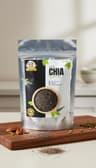
Chia Seeds: The Satiety Superfood
Chia seeds absorb 12x their weight in water, forming a thick gel. This gel:
A study in the European Journal of Clinical Nutrition found that consuming 25g of chia seeds mixed in water before a meal reduced subsequent food intake by 25%.
Per 100g: 486 calories, 34.4g fiber, 16.5g protein, 17.8g omega-3.
Flax Seeds: The Appetite Regulator
Flax seeds are rich in soluble fiber that forms a gel similar to chia. A study in the journal Appetite found that consuming 2.5g of soluble flax fiber before meals reduced appetite and subsequent calorie intake.
Additionally, the lignans in flax seeds may help regulate fat metabolism by improving insulin sensitivity - and insulin is the master fat-storage hormone.
Almonds: The Mindful Snack
Multiple studies show that people who eat almonds daily do NOT gain weight despite the added calories - because almonds:
A Purdue University study found that adding 1.5 ounces (43g) of almonds daily to the diet for 4 weeks did not lead to weight gain - the satiety effect perfectly compensated.
Pumpkin Seeds: Protein + Low Carb
With 18.6g protein and only 5g carbs per 100g, pumpkin seeds are an ideal low-insulin snack. Their magnesium content (592mg/100g) also supports metabolism - magnesium is required for over 300 metabolic enzymatic reactions.
Your Daily Protocol
Morning (7:00 AM)
Breakfast (8:00 AM)
Mid-Morning (10:30 AM - ONLY if hungry)
Lunch (12:30-1:00 PM - Largest Meal)
Afternoon Snack (4:00 PM)
Dinner (7:00 PM - Light)
After Dinner Rule
Daily totals: 15 almonds, 2 tablespoons chia seeds, 2 tablespoons flax seeds, 2 tablespoons pumpkin seeds, 1 cup roasted makhana.
What to Expect
Weight loss progression - 12-week Indian protocol
- Week 1-2Bloating reduces, energy improves, 1-2 kg water weight loss
- Week 3-42-3 kg fat loss visible, clothes feel looser
- Week 5-84-7 kg sustained loss, daily routine feels effortless
- Week 9-127-10 kg total, body composition shifts (more muscle)
- Month 4+Maintenance phase - keep 70% of habits forever
Sustainable weight loss is 0.5-1 kg per week. Anything faster is likely water or muscle loss.
Ready-Made Solution
The hardest part of weight loss isn't knowing what to eat - it's having the right foods available when hunger strikes at 4 PM. Our Weight Loss Kit provides pre-portioned daily packs of makhana, chia seeds, flax seeds, almonds, and pumpkin seeds - healthy snacks that replace the biscuits and namkeen derailing your progress.
---
*Disclaimer: This article is for educational purposes only and is not medical advice. If you have more than 20kg to lose, thyroid disorders, PCOS, or other metabolic conditions, consult a doctor or registered dietitian for a personalized plan. Sustainable weight loss requires patience - avoid any program promising rapid results.*
Founder's Note · Mohit
I used to eat 6-8 biscuits with my evening chai every single day. That's 400+ empty calories that left me hungry an hour later. Switching to roasted makhana and a handful of pumpkin seeds was the simplest change I ever made - same satisfaction, fraction of the calories, and I actually stayed full until dinner. Weight loss doesn't have to be about deprivation. It's about smarter choices that your body actually responds to. - Mohit
Frequently Asked Questions
How much weight can I realistically lose without gym?
+
Can dry fruits cause weight gain instead?
+
Best time to eat almonds for weight loss?
+
Is makhana actually good for weight loss?
+
How many chia seeds per day for weight loss?
+
Do I need to count calories?
+
Can I have rice and still lose weight?
+
Related Health Combos
Ultimate Weight Loss Combo
Weight Loss (Premium)
Maximum fat burn. Curb cravings. 5 superfoods.




Diabetes Care Combo
Blood Sugar Management
Support healthy blood sugar levels naturally.

Cholesterol Control Combo
High Cholesterol & Lipid Management
Lower bad cholesterol. Protect your arteries.