Prevent osteoporosis after 40 by supporting the 3 pillars - calcium, vitamin D, and weight-bearing exercise - with the full nutrient matrix (magnesium, K2, boron, protein). Chia, almonds, sunflower seeds, raisins and pumpkin seeds together provide 100% of daily bone nutrients. Combined with 20 min weight-bearing exercise 3x/week, bone loss slows measurably within 6 months.
Bone & Joint Health Combo
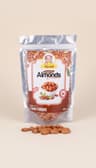
Chia + Almonds + Raisins in one combo - the trio that delivers calcium, magnesium, boron and vitamin K2 precursors. Daily portions pre-measured. Built for the 40+ Indian woman especially.


Why Bones Weaken After 40
Your bones are not dead, static structures. They're living tissue in a constant state of remodeling - old bone is broken down (resorption) and new bone is built (formation). Until about age 30-35, formation outpaces resorption. You're building bone density.
After 35, the balance shifts. Resorption begins to exceed formation. You start losing bone density at a rate of 0.5-1% per year.
For women, menopause accelerates this dramatically. The drop in estrogen - which normally protects bones - causes bone loss of 2-5% per year for the 5-7 years following menopause. A woman can lose 20-30% of her bone density in the decade after menopause.
This is osteoporosis - literally "porous bones." Bones become so thin and fragile that a minor fall, cough, or even bending over can cause a fracture.
The Indian Bone Health Crisis
The numbers are alarming:
Why are Indian bones weaker? Several factors converge:
Chronic Calcium Deficiency
The average Indian consumes just 400-500mg calcium daily - against a recommended 1000-1200mg. This has been documented repeatedly by the National Institute of Nutrition across multiple surveys over decades.
Severe Vitamin D Deficiency
76% of Indians are vitamin D deficient despite tropical sunlight. Without vitamin D, only 10-15% of dietary calcium is absorbed (vs. 30-40% with adequate vitamin D). It's like pouring water into a bucket with holes.
Low Protein Intake
Bone matrix is 50% protein (collagen). Without adequate protein, the structural framework for mineralization doesn't form properly. Indian vegetarian diets often provide insufficient protein.
Sedentary Lifestyle
Bones strengthen in response to mechanical stress (Wolff's Law). Without weight-bearing exercise, bones receive no stimulus to maintain density.
Excessive Salt and Caffeine
Both increase urinary calcium excretion. India's love of salty snacks and multiple cups of chai contributes to calcium losses.
Understanding Bone Density Tests
A DEXA (Dual-Energy X-ray Absorptiometry) scan measures bone mineral density (BMD):
Every Indian over 40 (women) or 50 (men) should get a baseline DEXA scan. Early detection means early intervention.
The Three Pillars of Bone Health
Daily bone-strengthening nutrient routine (40+)
| Age / Group | Daily Quantity | Notes |
|---|---|---|
| Morning | 15 soaked almonds + 1 tbsp sesame seeds | Calcium 400+ mg |
| 11 AM | 1 tbsp chia seeds + 1 anjeer | Calcium 200+ mg |
| Lunch with dahi | 1 tbsp flax + curd | Lignans + bone density support |
| 4 PM | 1 katori makhana + 5 pistachios | Protein + magnesium |
| Night | 1 glass milk + 5 almonds | Tryptophan + 300mg calcium |
| Sunlight daily | 20 min direct sun | Vitamin D - calcium absorption |
Pillar 1: Calcium - The Building Material
Calcium forms the mineral component of bone (hydroxyapatite crystals). Without it, bones cannot mineralize properly.
How much you need:
Important: Your body can only absorb 500-600mg of calcium at once. Split intake across the day for maximum absorption.
Pillar 2: Vitamin D - The Calcium Key
Vitamin D is essential for:
Target: Blood level of 30-50 ng/mL (most Indians are below 20 ng/mL)
Supplement recommendation: 1000-2000 IU daily (consult doctor for your specific level)
Pillar 3: Weight-Bearing Exercise - The Signal
Bones respond to mechanical loading by increasing density. The best exercises for bones:
A study in the Journal of Bone and Mineral Research found that postmenopausal women who did 30 minutes of weight-bearing exercise 3x per week increased hip bone density by 1.4% over one year - while the non-exercise group lost 2.5%.
Beyond Calcium: The Full Bone Nutrient Matrix
Calcium content in dry fruits (per 100g)
mg calcium per 100g
Bones need far more than just calcium. Think of calcium as bricks - you also need mortar, scaffolding, and architects:
Magnesium: The Calcium Director
60% of body magnesium is stored in bone. Magnesium:
Without magnesium, calcium may deposit in soft tissues (arteries, kidneys) instead of bones. The RDA is 320-420mg, but most Indians get less than 250mg.
Phosphorus: The Calcium Partner
Bone mineral is calcium phosphate. You need phosphorus in a roughly 1:1 ratio with calcium. Most diets provide adequate phosphorus through grains, legumes, and nuts.
Vitamin K2: The Calcium Allocator
Vitamin K2 activates osteocalcin - the protein that binds calcium to bone. Without K2, calcium floats in the blood (potentially depositing in arteries) instead of being incorporated into bone.
Sources: Fermented foods (curd, natto), egg yolks, ghee from grass-fed cows.
Protein: The Scaffolding
Bone is 50% protein by volume. Collagen forms the scaffold upon which minerals are deposited. A meta-analysis in Osteoporosis International found that higher protein intake is associated with higher bone density and lower fracture risk.
Boron: The Underrated Mineral
Boron reduces calcium excretion, increases vitamin D effectiveness, and supports estrogen metabolism (important for postmenopausal bone protection).
The Natural Food Solution
Nuts and seeds are concentrated sources of the bone-building minerals that Indian diets most commonly lack - calcium, magnesium, phosphorus, zinc, and protein. Let's examine the most effective ones.
Chia Seeds: The Calcium Champion
Per 100g, chia seeds contain an remarkable 631mg of calcium - 5x more than milk. They also provide:
Just 2 tablespoons (30g) of chia seeds deliver 189mg calcium - nearly as much as a glass of milk, plus the magnesium and phosphorus needed for proper utilization.
Almonds: Calcium + Magnesium + Protein
Almonds are a triple threat for bone health:
A study in the American Journal of Clinical Nutrition found that women who ate almonds regularly had higher bone density in the spine and hip compared to non-consumers.
Sunflower Seeds: Magnesium Dense
With 325mg magnesium per 100g, sunflower seeds address one of the most common deficiencies affecting bone health. They also provide:
Raisins: The Boron Source
Raisins contain 2-3mg of boron per 100g - one of the richest food sources. Research from the USDA Grand Forks Human Nutrition Research Center found that boron supplementation in postmenopausal women reduced urinary calcium excretion by 44%.
Raisins also provide potassium (749mg per 100g), which neutralizes dietary acids that would otherwise leach calcium from bone.
Pumpkin Seeds: Zinc + Magnesium
Zinc is required for osteoblast function (the cells that BUILD bone). Deficiency impairs bone formation directly. Pumpkin seeds provide:
Your Daily Protocol
Morning (7:00 AM)
Breakfast (8:00 AM)
Mid-Morning (10:30 AM)
Lunch (1:00 PM)
Afternoon (4:00 PM)
Dinner (7:00 PM)
Before Bed
Daily totals: 15-20 almonds, 3 tablespoons chia seeds, 2 tablespoons pumpkin seeds, 2 tablespoons sunflower seeds, 25 raisins.
Weekly Exercise Protocol
Prevention Timeline
Ready-Made Solution
Building strong bones requires consistent daily intake of calcium, magnesium, zinc, phosphorus, and boron from bioavailable sources. Our Bone & Joint Health Kit provides chia seeds (calcium), almonds (calcium + magnesium), pumpkin seeds (zinc), sunflower seeds (magnesium), and raisins (boron) in daily-portioned packs.
Get the Bone & Joint Health Combo →
---
*Disclaimer: This article is for educational purposes only and is not medical advice. Osteoporosis is a serious medical condition. If you're over 40, get a DEXA scan. If diagnosed with osteopenia or osteoporosis, follow your doctor's treatment plan - nutrition supports medical treatment but doesn't replace it. Never discontinue prescribed medication based on dietary changes alone.*
Founder's Note · Mohit
My mother fractured her wrist from a simple fall at 58. The DEXA scan showed osteoporosis - her bones had been silently thinning for over a decade. The doctor said if she'd started proper calcium and exercise at 40, this likely wouldn't have happened. That "if only" moment drives me. I want every woman over 35 reading this to get her DEXA scan and start building bone density NOW - not after the first fracture. The daily protocol above is what my mother follows today, and her last scan showed density stabilization. - Mohit
Frequently Asked Questions
How much calcium do I really need after 40?
+
Are dry fruits enough or do I need supplements?
+
Best dry fruits for women bone health after menopause?
+
How long until bone density improves?
+
Are anjeer (dried figs) good for bones?
+
Can I reverse osteopenia with food alone?
+
Best time to take calcium-rich foods?
+
Related Health Combos
Anti-Aging & Longevity Combo
Premature Aging & Cellular Damage
Slow aging. Protect cells. Stay youthful longer.


Heart & BP Care Combo
High Blood Pressure & Heart Health
Support healthy blood pressure and a stronger heart.


Women's Hormone Balance Combo
PCOS, Periods & Hormonal Imbalance
Support hormonal health, ease PCOS and period problems.