Stop hair fall by addressing the 4 nutritional root causes - iron, zinc, biotin and omega-3. Pumpkin seeds (zinc), walnuts (omega-3), almonds (vitamin E) and flax seeds (lignans) cover all four. Most people see visible reduction in 6-8 weeks and noticeable regrowth in 10-12 weeks with consistent daily intake.
Hair Rescue Combo
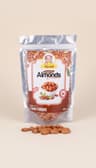
Walnuts + Almonds + Pumpkin Seeds in one combo - the 3 nutrients clinically proven to address hair fall (omega-3, vitamin E, zinc). Daily portions pre-measured. 12-week protocol designed by Chau Foods.


Why Is Your Hair Falling Out?
You run your fingers through your hair and strands come away. Your pillow tells a story every morning. The shower drain collects evidence daily. If you're losing more than 50-100 hairs per day, something is wrong - and it's likely not just genetics.
Hair fall affects over 60% of Indian men and 50% of Indian women at some point in their lives, according to data from the Indian Journal of Dermatology. While we obsess over external solutions - oils, shampoos, serums - the root cause is almost always internal.
The Hair Growth Cycle
Each hair follicle on your head cycles through three phases:
When hair fall becomes excessive, it means either:
Common Causes of Hair Fall in India
Nutritional Deficiency (Most Common)
Research from AIIMS shows that 80% of hair fall patients have at least one nutritional deficiency. The most common: iron, zinc, vitamin D, biotin, and protein.
Thyroid Disorders
Both hypothyroidism and hyperthyroidism cause diffuse hair loss. In India, 1 in 10 adults has a thyroid disorder, and many go undiagnosed for years.
Hormonal Imbalance
PCOS in women, elevated DHT in men, post-pregnancy hormonal shifts, and perimenopause all trigger hair fall. Androgens shrink hair follicles over time.
Stress (Telogen Effluvium)
Severe physical or emotional stress pushes large numbers of follicles into the telogen phase simultaneously. The hair fall appears 2-3 months after the stressful event.
Iron Deficiency Anemia
The National Family Health Survey (NFHS-5) found that 57% of Indian women aged 15-49 are anemic. Iron is essential for hemoglobin, which carries oxygen to hair follicles. Starved of oxygen, follicles weaken and shed.
Vitamin D Deficiency
Despite living in a tropical country, 76% of Indians are vitamin D deficient (Journal of Family Medicine and Primary Care). Vitamin D receptors in hair follicles are essential for the anagen cycle.
The Nutritional Root Causes
Let's go deeper into what your hair actually needs to grow:
Iron: The Oxygen Carrier
Your hair follicle is one of the most rapidly dividing cells in the body. It demands enormous amounts of oxygen. Without adequate iron (ferritin levels above 40 ng/mL for hair health), follicles starve.
Signs of iron-related hair fall: Diffuse thinning across the entire scalp, fatigue, pale skin, brittle nails.
Zinc: The Growth Regulator
Zinc plays a critical role in DNA synthesis, cell division, and protein synthesis - all essential for hair growth. A study in the Annals of Dermatology found that zinc-deficient patients had significantly higher rates of hair loss.
Recommended intake: 12mg/day for men, 10mg/day for women.
Biotin (Vitamin B7): The Keratin Builder
Hair is made of keratin protein. Biotin is a cofactor in the enzymes that produce keratin. While true biotin deficiency is rare, suboptimal levels are common in Indians due to high consumption of raw egg whites (avidin blocks biotin) and alcohol use.
Recommended intake: 30-100 mcg/day.
Omega-3 Fatty Acids: The Anti-Inflammatory
Scalp inflammation is a silent hair killer. Omega-3 fatty acids (EPA and DHA, as well as ALA) reduce inflammatory markers that damage follicles. A 2015 study in the Journal of Cosmetic Dermatology found that omega-3 supplementation reduced hair loss and increased hair density in 89.9% of participants after 6 months.
Protein: The Building Block
Hair is 95% keratin protein. The ICMR recommends 0.8-1g of protein per kg of body weight daily, but the average Indian vegetarian diet provides only 0.6g/kg. This chronic protein deficit shows up in thinning, brittle hair.
Lifestyle Factors That Worsen Hair Fall
Heat and Chemical Damage
Straightening, curling, coloring, and chemical treatments break down the hair shaft. Limit heat styling to once a week maximum.
Tight Hairstyles
Traction alopecia from tight ponytails, braids, and buns is increasingly common. The constant pulling damages follicles permanently over time.
Harsh Water
Hard water (TDS above 300 ppm) deposits calcium and magnesium on the scalp, clogging follicles. Consider a shower filter if you live in a hard water area.
Overwashing
Washing hair daily strips natural oils. 2-3 times per week is sufficient for most hair types.
The Natural Food Solution
Here's where nutrition becomes your most powerful tool. Specific nuts and seeds contain precisely the nutrients your hair follicles are starving for - in bioavailable forms that your body absorbs efficiently.
Pumpkin Seeds: The Zinc Champion
Pumpkin seeds contain 7.8mg of zinc per 100g - making them one of the richest plant-based zinc sources. But there's more: a randomized controlled trial published in Evidence-Based Complementary and Alternative Medicine found that pumpkin seed oil increased hair count by 40% in men with hair loss over 24 weeks.
The mechanism: pumpkin seeds contain delta-7-sterine, which blocks 5-alpha reductase - the enzyme that converts testosterone to DHT (the hormone that shrinks hair follicles).
Walnuts: The Omega-3 Source
Walnuts provide 9.08g of ALA (alpha-linolenic acid) per 100g - the highest of any tree nut. They also contain biotin (1.9 mcg per 28g serving), copper (which prevents premature greying), and vitamin E (which improves scalp circulation).
Almonds: The Vitamin E Powerhouse
Almonds contain 25.6mg of vitamin E per 100g. Vitamin E is a potent antioxidant that protects hair follicles from oxidative damage. A study in Tropical Life Sciences Research found that vitamin E supplementation increased hair number by 34.5% compared to placebo over 8 months.
Additionally, almonds provide 3.7mg of iron per 100g and 268mg of magnesium - both critical for hair.
Flax Seeds: The Complete Package
Flax seeds deliver omega-3 (22.8g ALA per 100g), lignans (antioxidants that balance hormones), and fiber that supports gut health - which is increasingly linked to hair health through the gut-skin-hair axis.
Sunflower Seeds: The Biotin Boost
Sunflower seeds are one of the richest food sources of biotin, plus they provide selenium (53 mcg per 100g) and vitamin E (35.2mg per 100g). Selenium supports thyroid function, which directly impacts hair growth.
Your Daily Protocol
Hair-strength daily nutrient routine
| Age / Group | Daily Quantity | Notes |
|---|---|---|
| Morning 7 AM | 10 soaked almonds + 4 walnut halves | Biotin + Omega-3 |
| Mid-morning 11 AM | 1 tbsp pumpkin seeds + green tea | Zinc - DHT control |
| Lunch addition | 1 tbsp ground flax in curd | Lignans + hormone balance |
| Evening 4 PM | 1 katori roasted makhana | Calcium + protein |
| Night | 1 tsp amla powder + warm water | Vitamin C + collagen |
Morning Ritual (Empty Stomach)
Mid-Morning (10:00-11:00 AM)
With Lunch
Evening Snack (4:00-5:00 PM)
Before Bed
Daily totals: 15-20 almonds, 3 tablespoons pumpkin seeds, 2 tablespoons sunflower seeds, 2 tablespoons ground flax seeds, 4 walnut halves.
Timeline for Results
90-day natural hair fall protocol
- Week 1-3Scalp inflammation reduces, less itch
- Week 4-6Hair fall down 30-40%, healthier strands
- Week 7-9New baby hairs visible at hairline
- Week 10-12Volume + thickness measurably improved
- Month 6+Visible hairline density restoration
Hair grows approximately 1.25 cm per month. Nutritional changes take time to show results:
Consistency is everything. Nutrient stores take months to replenish.
Ready-Made Solution
Getting the right combination of zinc, omega-3, biotin, iron, and vitamin E from food daily requires planning. Our Hair Rescue Combo bundles the exact seeds and nuts above in daily portions, making it effortless to stay consistent.
---
*Disclaimer: This article is for educational purposes only and is not medical advice. If you experience sudden or severe hair loss, consult a dermatologist to rule out medical conditions like thyroid disorders, alopecia areata, or hormonal imbalances.*
Founder's Note · Mohit
My sister spent thousands on hair treatments before a simple blood test revealed she was severely zinc and iron deficient. Three months of eating the right foods - specifically pumpkin seeds and almonds daily - made a visible difference that no shampoo ever did. Hair problems are almost always nutrition problems in disguise. - Mohit
Frequently Asked Questions
How long until I see hair fall reduce with this protocol?
+
Can I stop hair fall with diet alone if I have genetic baldness?
+
How many almonds per day for hair fall?
+
Should I oil my hair every day?
+
Will pumpkin seeds actually regrow lost hair?
+
Are these foods safe for women during pregnancy for hair fall?
+
Soaked vs raw almonds - which is better for hair growth?
+
Related Health Combos
Glowing Skin Combo
Dull Skin & Ageing
Clear, radiant skin from the inside out.


Anti-Aging & Longevity Combo
Premature Aging & Cellular Damage
Slow aging. Protect cells. Stay youthful longer.

Women's Hormone Balance Combo
PCOS, Periods & Hormonal Imbalance
Support hormonal health, ease PCOS and period problems.