Regional Dry Fruits Preferences Across India (2026)
Complete city-wise stocking guide for retailers, distributors, and stockists. What sells in Delhi, Mumbai, Bangalore, and Kolkata-and why.
Quick Answer
North India (Delhi, Jaipur) stocks 40% almonds. West India (Mumbai, Pune) stocks 35% cashews. South India (Bangalore, Hyderabad) stocks 40% cashews + 22% pistachios. East India (Kolkata) stocks 48% makhana. Festive seasons (Diwali Oct, Ramzan March/Oct) drive 60-92% demand spikes. Plan inventory 8 weeks ahead.
Dry Fruits Preferences by Region
What retail stockists and distributors stock in each region, ranked by wholesale volume.
 North India
Key Cities
Top Selling Varieties
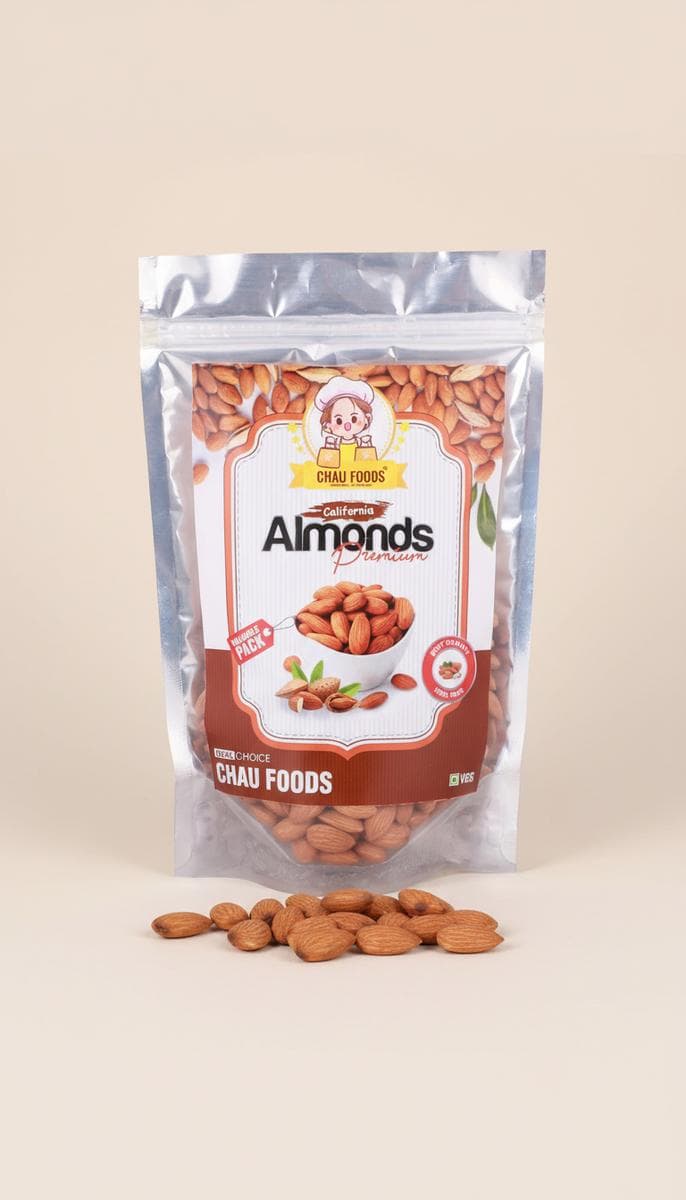
Almonds
Winter warming, sweets, gifting
Cashews
Premium gifting, festivals
Makhana
Bihar production, wellness
Walnuts
Health-conscious consumers
Other
Seasonal varieties
Key Insight
Almonds dominate North India-40% wholesale volume. Deep Ayurvedic tradition of soaked almonds for winter health. Diwali gifting drives 85% volume surge in Sept-Oct.
Stocking Recommendation
Build inventory by July. North India cities consume year-round but Diwali (Oct) and weddings (Nov-Dec) drive 180% demand spikes.
 West India
Key Cities
Top Selling Varieties
Cashews
Curry base, snacking, local preference
Raisins
Farsan ingredient, long shelf life
Almonds
Premium gifting, health
Dates
Ramzan gifting, health trend
Pistachios
Affluent consumers, premium gifts
Key Insight
Cashews lead at 35% due to Maharashtrian cuisine tradition. Raisins strong (18%) for farsan-making in Gujarat. Dates surged 45% YoY during Ramzan.
Stocking Recommendation
Stock cashew-heavy (35% portfolio). Build dates inventory by Feb for Ramzan. Raisin demand peaks Feb-April (Farsan season).
South IndiaKey Cities
Top Selling Varieties
Cashews
Processing hub, cuisine tradition
Pistachios
Premium, health trend, gifting
Dates
Ramzan, wellness market
Almonds
Secondary choice, health-focused
Coconut/Other
Regional specialty items
Key Insight
Cashews dominant at 40%-Hyderabad is cashew processing capital. Pistachios penetrated 22% faster than any region. Raisins weak (5%) vs West India.
Stocking Recommendation
Hyderabad: 60% cashews. Bangalore/Chennai: balance cashews (40%) + pistachios (25%) for tech/health crowd. Pre-stock pistachios by Aug for Sept-Oct.
 East India
Key Cities
Top Selling Varieties
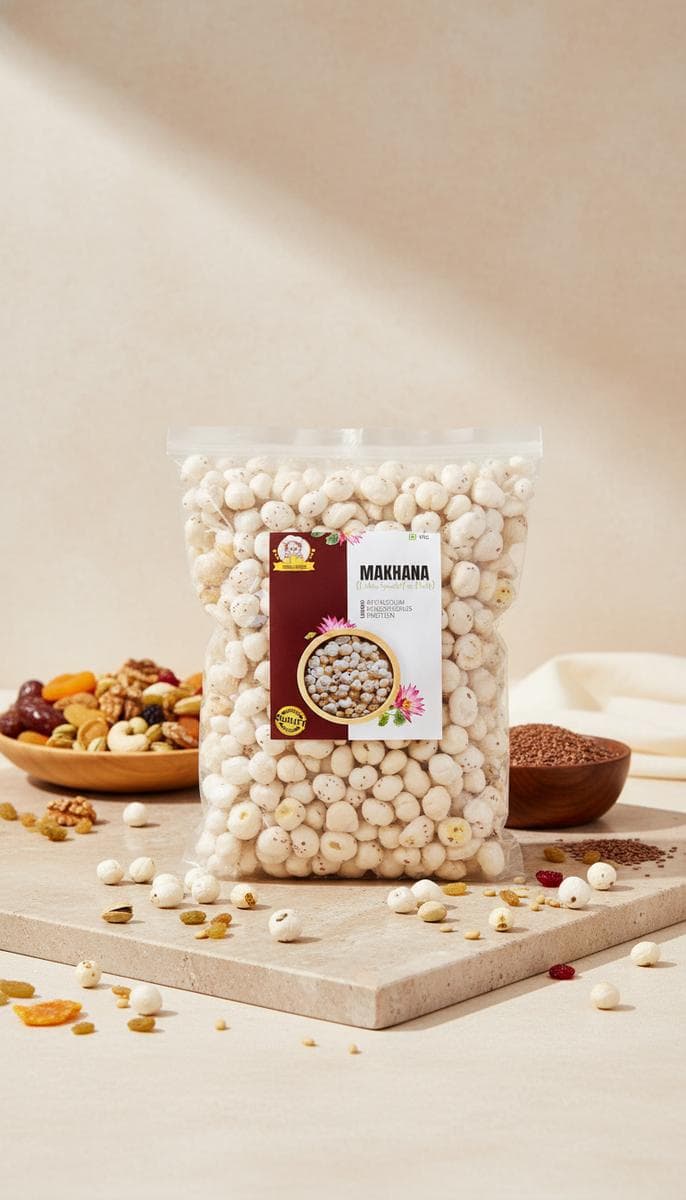
Makhana
Local production, cuisine tradition
Cashews
Premium snacking, gifting
Almonds
Health-conscious segment
Dates
Ramzan observance
Other
Niche varieties
Key Insight
Makhana dominates at 48%-highest concentration anywhere in India. Bihar/Jharkhand are world's largest makhana producers. Bengali festivals feature makhana ladoos.
Stocking Recommendation
Makhana is 48% of stock-critical to success. Build makhana inventory 8 weeks before major festivals (Diwali, Bengali New Year April). Maintain relationships with makhana farmers.
Per-Capita Dry Fruits Consumption by City
Annual consumption (kg per person) shows demand intensity-higher = more stocking opportunity.
Highest Per-Capita Consumption
Strategic Focus Cities
Retailer strategy: Do not stock uniformly-Delhi (2.8 kg/person) needs 2x inventory investment vs Chennai (1.5 kg/person). Use population + per-capita data to forecast demand. Example: Jaipur (3.2M population × 2.4 kg/person) = 7,680 tonnes annual demand = 640 tonnes/month retail-distributor channel.
Festive Season Demand Spikes
Wholesale volume increases by 60-92% during festivals. Plan inventory 6-8 weeks ahead.
| Festival | Almonds | Cashews | Makhana | Dates | Planning Note |
|---|---|---|---|---|---|
| Diwali (Oct-Nov) | +85% | +65% | +78% | Peak season-stock 8 weeks prior (July) | |
| Ramzan (March/Oct) | +30% | +45% | +20% | +92% | Dates surge 92% pan-India. Stock 6 weeks prior |
| Weddings (Nov-Jan) | +50% | +70% | Premium varieties only. Wedding season = Sept pre-orders | ||
| New Year (Dec-Jan) | +40% | +35% | Gift boxes drive demand. Stock Dec inventory by Oct |
How Chau Foods Delivers Pan-India
We understand region-specific preferences and supply distributors & wholesalers with customized inventory mixes. No one-size-fits-all approach.
FSSAI certified sourcing
All nuts lab-tested, vacuum-sealed, delivered fresh within 5-7 days of packing.
Demand forecasting data
Access 3-year city-wise sales trends via B2B portal. Plan inventory like a pro.
Regional customization
Order regional mixes: 40% almonds for Delhi, 48% makhana for Kolkata-we build it.
Competitive B2B margins
8-18% wholesale discounts on 500kg+ orders. Bulk pre-orders (Diwali) get +3-5% off.
Distributor Quick Start
Step 1: Assess Your Region
Identify your city/state. Match it to regional preferences (North/West/South/East). Start with baseline mix recommendations.
Step 2: Order Minimum
Minimum bulk order: 100kg in slow season, 200kg+ in Diwali/Ramzan. Contact hello@chaufoods.com to discuss your volumes.
Step 3: Plan Festivals
Pre-order 6-8 weeks before Diwali (by July 15). Ramzan pre-order by Jan 15 or Aug 15 depending on date.
Step 4: Track & Scale
Use our B2B portal to see regional sales trends. Rotate stock every 60 days. Scale successful varieties.
Ready to stock?
Join Distributor Program →5 Stocking Mistakes to Avoid
Learn what causes retail stockists to lose 15-25% margin annually.
Over-stocking uniform varieties
Buying the same mix everywhere (30% almonds, 30% cashews) instead of region-specific (40% almonds in Delhi, 48% makhana in Kolkata). Fix: Buy regional mixes.
Under-buying before Diwali
Failing to pre-order by July 15 causes 40-50% stock-outs in Sept-Oct when wholesalers are depleted. Fix: Pre-order by July 15 for Oct delivery.
Holding inventory too long
Raw nuts oxidize in 3-4 months. Winter over-stocking leads to spoilage by Feb-March and 8-12% margin loss. Fix: Rotate every 60 days.
Ignoring competitor stock
Not checking nearby retailers for shortages. If they run out of cashews and you have 200kg, you could raise price 5-8% for 2 weeks. Fix: Weekly check-ins.
Buying lowest-price commodity nuts
Delhi expects ₹270/kg California almonds, not ₹220 cheap stuff. You lose margin and trust. Fix: Match regional quality expectations.
No demand forecasting
Flying blind without historical data. Use Chau Foods B2B portal to access 3-year city-wise sales trends. Fix: Plan with data, not guesses.
Frequently Asked Questions
Which dry fruits are most popular in North India?+
North India (Delhi NCR, Jaipur, Lucknow, Punjab) strongly prefers almonds and cashews, accounting for 68% of regional wholesale volume. Almonds dominate due to their use in Indian sweets (barfi, halwa) and traditional winter health practices-locals believe soaked almonds boost immunity and memory. Cashews are second choice for premium gifting during Diwali and weddings. Makhana has 18% share driven by Bihar and Jharkhand production, while walnuts (akhrot) remain niche at 8% despite popularity among health-conscious Delhi consumers. Peanuts and dried fruits are seasonal, peaking in October-November. For retailers: stock 40% almonds, 30% cashews, 15% makhana, 10% walnuts, 5% other items.
What is the dry fruits demand pattern in West India (Mumbai, Pune)?+
West India (Maharashtra, Gujarat) shows balanced demand across three categories: cashews (35% market share), raisins & dates (32% combined), and almonds (20%). Cashews lead because Maharashtian cuisine heavily uses them in curries, sweets, and as snacking nuts. The Gujarati market (Ahmedabad, Surat) particularly favors raisins for both eating and use in farsan (savory snacks). Dates have surged 45% year-over-year due to Ramzan observance and Eid gifting, especially premium Ajwa and Medjool varieties. Pistachios show 12% share among affluent Mumbai and Pune consumers. Pune's tech-savvy young population drives demand for "health superfoods" like chia seeds (8% growth) and pumpkin seeds. For retailers: stock 35% cashews, 20% almonds, 15% raisins, 12% dates, 10% pistachios, 8% others.
Which dry fruits are preferred in South India (Bangalore, Hyderabad, Chennai)?+
South India (Karnataka, Telangana, Tamil Nadu) has distinctive preferences: cashews (40%), pistachios (22%), and dates (18%) dominate, with almonds only at 12%. Cashews lead due to regional coastal trade heritage and use in South Indian filter coffee culture and traditional andhra-style snacking. Hyderabad is India's cashew processing capital, driving local consumption and wholesale volumes. Pistachios have penetrated faster in South India than any other region-urban Bangalore and Chennai cosmopolitan consumers view them as premium, health-focused nuts. Dates surge during Ramzan (Oct-Nov in South India due to later sunset times). Raisins remain weak (5%) compared to West India because South Indian palates prefer dates over raisins. Coconut-based products (dried coconut kernels) command surprising 10% share, unique to South. For retailers: stock 40% cashews, 22% pistachios, 18% dates, 12% almonds, 10% coconut products, 8% others.
What are the top-selling dry fruits in East India (Kolkata)?+
East India (West Bengal, Bihar, Orissa, Jharkhand), centered around Kolkata, has unique demand: makhana (fox nuts/lotus seeds) dominates at 48% market share-the highest concentration in any Indian region. This is because Bihar and Jharkhand are India's largest makhana producers, and Bengali and Bihari cuisines feature makhana in festivals, weddings, and daily snacking. Cashews are secondary at 22%, while almonds remain niche at 15% due to perception as North Indian products. Dates have 10% share, growing during Ramzan. The region shows near-zero demand for pistachios (2%) and raisins (3%), making it starkly different from South and West India. Rural wholesale in Bihar focuses entirely on makhana quality and sourcing from local pond farmers. For retailers: stock 48% makhana, 22% cashews, 15% almonds, 10% dates, 3% raisins, 2% others.
How do festive seasons change dry fruits demand by region?+
Festive seasons create 60-90% spikes in regional dry fruits wholesale. Diwali (October-November) drives almonds and cashews across all regions-families buy 'premium gift boxes' and stocking nuts for 30+ days of festivities. North India specifically sees almond wholesale jump 85% as they are essential for Diwali sweets (kheer, barfi). West India/Gujarat sees raisin spikes 72% for 'raisin-heavy' farsan making. South India experiences pistachio premium demand +68% for gifting. East India sees makhana 78% surge as makhana ladoos are traditional Diwali offerings. Ramzan (March-April 2026, Oct-Nov 2026 in 2027) boosts dates 92% pan-India, with South India showing delayed peaks due to sunset times. Weddings (Nov-Jan peak season) drive cashew demand +50% in West and South for wedding favor boxes. Chinese New Year (Feb) and regional new years (April, etc.) create micro-spikes. For stocking: pre-build inventory 6-8 weeks before Diwali (July), Ramzan (Jan), and wedding season (Sept).
How should distributors adjust dry fruits stock by city and season?+
Effective stocking requires dual-axis planning: region + season. Start with baseline regional preferences (40% cashews in Bangalore year-round), then layer seasonal multipliers (x1.7 in Diwali Oct, x2.2 for premium varieties during weddings Nov-Dec). Use these rules: (1) Buy 8-10 weeks ahead of Diwali-peak orders arrive July 15-Sept 30. (2) For Ramzan (2026: March 20-April 19 start, Oct 31-Nov 28 in 2027), stock dates and premium varieties 6 weeks prior. (3) Maintain 2-week reserve stock in cities with 10K+ population for emergency shortages. (4) North India: Diversify (stock 5+ varieties) because demand is unpredictable by sub-category. South India: Specialize in cashews & pistachios (70% of portfolio). East India: 60% makhana focus. West India: Balance between cashews, raisins, dates. (5) Use historical 2-year sales data from Chau Foods wholesale platform to customize. (6) Track competitor stock in your area-if they under-stock, capitalize with premium pricing. (7) Warehouse in-transit inventory for 5-7 days in regional hubs (Delhi, Mumbai, Bangalore, Kolkata) to respond to demand spikes.
Which cities have the highest dry fruits consumption per capita?+
Per capita annual dry fruits consumption (kg) by major Indian cities: (1) Delhi NCR - 2.8 kg/person (highest, driven by Punjabi culture, health consciousness, and winter season). (2) Jaipur - 2.4 kg/person (almonds for local sweets, festivals). (3) Mumbai - 2.1 kg/person (high income, cosmopolitan preferences, year-round gifting). (4) Hyderabad - 1.9 kg/person (cashew processing hub, premium pistachios). (5) Bangalore - 1.8 kg/person (young, tech-savvy consumers buying health superfoods). (6) Pune - 1.7 kg/person (similar to Bangalore-health focus, gym culture). (7) Chennai - 1.5 kg/person (lower consumption due to coconut preference, tropical climate). (8) Kolkata - 2.2 kg/person (makhana-heavy consumption inflates per capita despite smaller total market). (9) Lucknow - 2.0 kg/person (Mughlai cuisine tradition, almond-heavy). (10) Ahmedabad - 1.9 kg/person (raisin use in farsan). For distributors: Delhi, Jaipur, and Lucknow are high-volume targets despite smaller populations. Kolkata has concentrated makhana demand. Metropolitan hubs (Mumbai, Bangalore, Pune, Hyderabad) have higher per-product margins but require specialized stock.
How do I source region-specific dry fruits inventory from Chau Foods as a distributor?+
Chau Foods offers B2B wholesale distribution tailored to regional demand: (1) Contact our Distributor Support team at hello@chaufoods.com or +91 95990 21447. (2) Share your city/region and current monthly wholesale volume (kg). We provide a customized stocking plan aligned to regional preferences, festive calendars, and your warehouse capacity. (3) Minimum order quantities vary by region and season: North India (Delhi, Jaipur) typically 100kg almond base; South India (Bangalore) 120kg cashew base; East India (Kolkata) 200kg makhana base. Off-season minimums are lower. (4) We offer 8-12% B2B discounts on orders above 500kg/month, 15-18% on 1000kg+/month. Seasonal pre-orders (Diwali in July) qualify for additional 3-5% bulk discounts. (5) Free delivery on orders above 5000 value; otherwise ₹80-250 based on region. (6) Stock freshness guarantee: all nuts FSSAI certified, vacuum-sealed, delivered within 5-7 days of packing. (7) Real-time inventory visibility via our B2B portal lets you check stock and historical sales data by region. (8) We help plan your 12-month inventory calendar using 3-year regional consumption trends.
What are the top 5 mistakes wholesale stockists make with regional inventory?+
Wholesale stockists across India commonly make these avoidable errors: (1) Over-stocking uniform varieties nationally-buying 30% cashews, 30% almonds, 30% raisins everywhere, ignoring that Kolkata wants 48% makhana and Chennai wants only 5% raisins. Fix: Buy regional-specific mixes. (2) Under-buying 6-8 weeks before Diwali-then facing 40-50% stock-outs in Sept-Oct when wholesalers are depleted. Fix: Pre-order by July 15 for Oct-Nov delivery. (3) Holding too-long inventory during non-season-raw nuts oxidize in 3-4 months, lose margin to spoilage by Feb-March. Fix: Rotate stock every 60 days; avoid winter over-stocking in summer. (4) Not tracking competitor stock-leaving money on table if local competitor runs out. Fix: Weekly check-ins with 3-4 nearby retailers; if they lack cashews and you have 200kg, raise price 5-8% for 2 weeks. (5) Buying lowest-price commodity nuts instead of premium regional favorites-e.g., buying ₹220/kg almonds to compete on price in Delhi, but Delhi consumers expect ₹270+ California almonds. You lose margin and customer trust. Fix: Match regional quality expectations, price accordingly, emphasize provenance (California for almonds, Konkan for cashews, etc.). These mistakes cost stockists 15-25% margin loss yearly.
How does climate and geography influence dry fruits preferences in each Indian region?+
Climate and agriculture shape regional dry fruits culture deeply: (1) North India (cold, dry winters, wheat-rice farming): Cold weather drives demand for warming nuts like almonds (viewed as garam (warming) food in Ayurveda). Winter festivals (Diwali, Makar Sankranti Jan) trigger buying spikes. Wheat-based sweets (halwa-puri) use almonds heavily. Makhana thrives in Bihar's pond climate, creating local preference. (2) West India (hot semi-arid, coastal Gujarat-Maharashtra): Coastal trade heritage made cashews accessible; they became staple in regional cuisines (Maharashtrian gravies). Arid climate makes raisins easier to store long-term without spoilage. Hot weather drives preference for lower-heating nuts (cashews, raisins) over warming almonds. Wedding season (Nov-Dec, just post-harvest) drives gifting culture. (3) South India (tropical, coastal, coconut-dominant): Tropical humidity creates logistics advantage for cashews (processed nearby in Hyderabad, Kerala). Coconut availability reduces almond uptake. High disposable income in Bangalore-Hyderabad-Chennai makes pistachios (premium, cooler-season) attractive. South Indian filter coffee culture pairs with cashews naturally. (4) East India (humid, monsoon, river-fertile): Makhana ponds thrive in Bihar-Jharkhand water abundance; culturally entrenched in bengali/bihari cuisine. River-based agriculture (rice) less compatible with nut production, so local nuts remain niche. British-era tea culture did not incorporate nuts like in North. (5) Metros (Delhi, Mumbai, Bangalore): High income overrides climate-all varieties available, choice driven by health trends, gifting culture, international exposure. Climate less relevant than aspirational eating.
Ready to stock regionally smart?
Let us help you build the right inventory mix for your city. Get regional insights, forecasting data, and 8-18% B2B wholesale discounts.
+91 95990 21447·hello@chaufoods.com·FSSAI 13321008000704